
For DeFi users, managing assets across multiple blockchains used to mean wrangling a patchwork of wallets, bridges, and interfaces. Each new chain brought its own wallet software, security quirks, and learning curve. But the rise of unified wallets is reshaping this fragmented landscape, making cross-chain asset management simpler, safer, and more intuitive than ever before.
Why Multi-Chain Support Has Become Essential in DeFi
The explosion of blockchain networks and protocols has been a double-edged sword for DeFi. On one hand, it’s unlocked a universe of opportunities: new tokens, innovative dApps, and thriving communities on every chain. On the other hand, it’s created a maze for users trying to keep track of their holdings or interact with decentralized services.
Multi-chain wallets are now at the heart of the solution. Instead of juggling separate apps for Ethereum, Polygon, Solana, and beyond, users can access all their assets through a single dashboard. This isn’t just about convenience - it’s about unlocking real utility across the entire decentralized ecosystem.

The most advanced unified wallets today let you:
Essential Features of Unified Wallets for DeFi Users
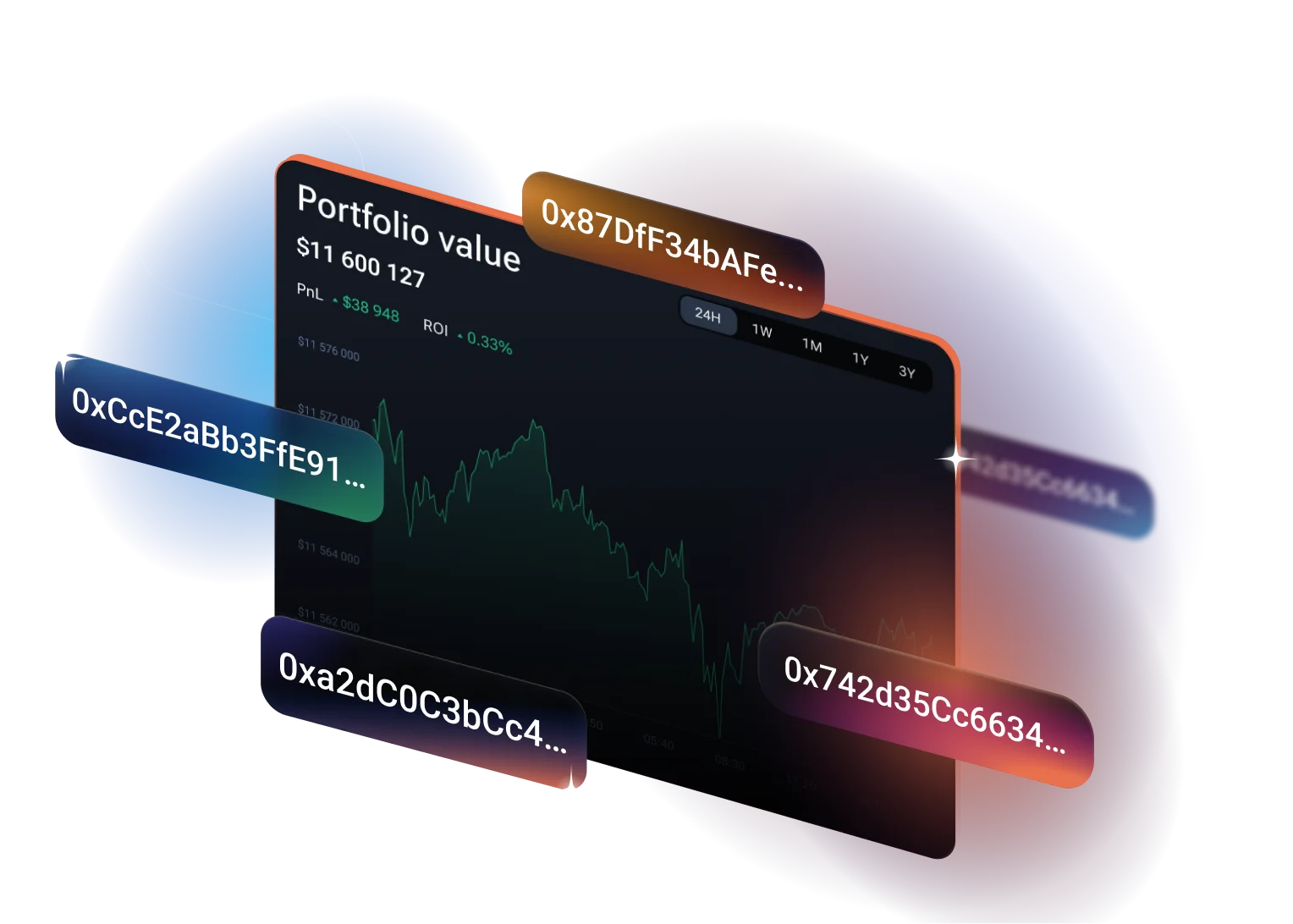
- Multi-Chain Asset Management: Unified wallets like 1inch Portfolio allow users to manage assets across multiple blockchains and wallets from a single dashboard, eliminating the need for juggling different apps and interfaces.
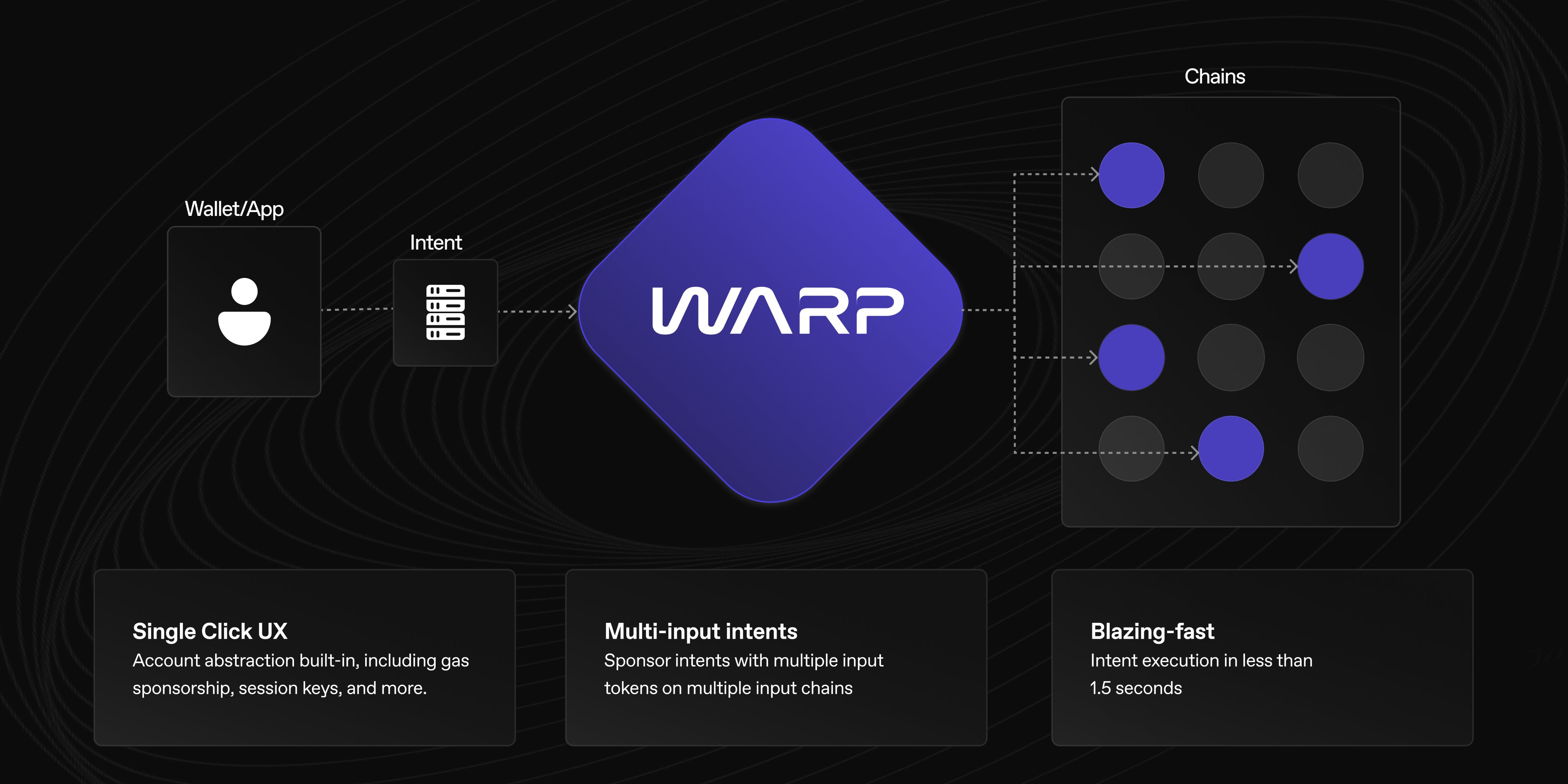
- Seamless Cross-Chain Transactions: Platforms such as Unify enable one-click transfers between blockchains, simplifying the process of moving assets without complex bridging steps.
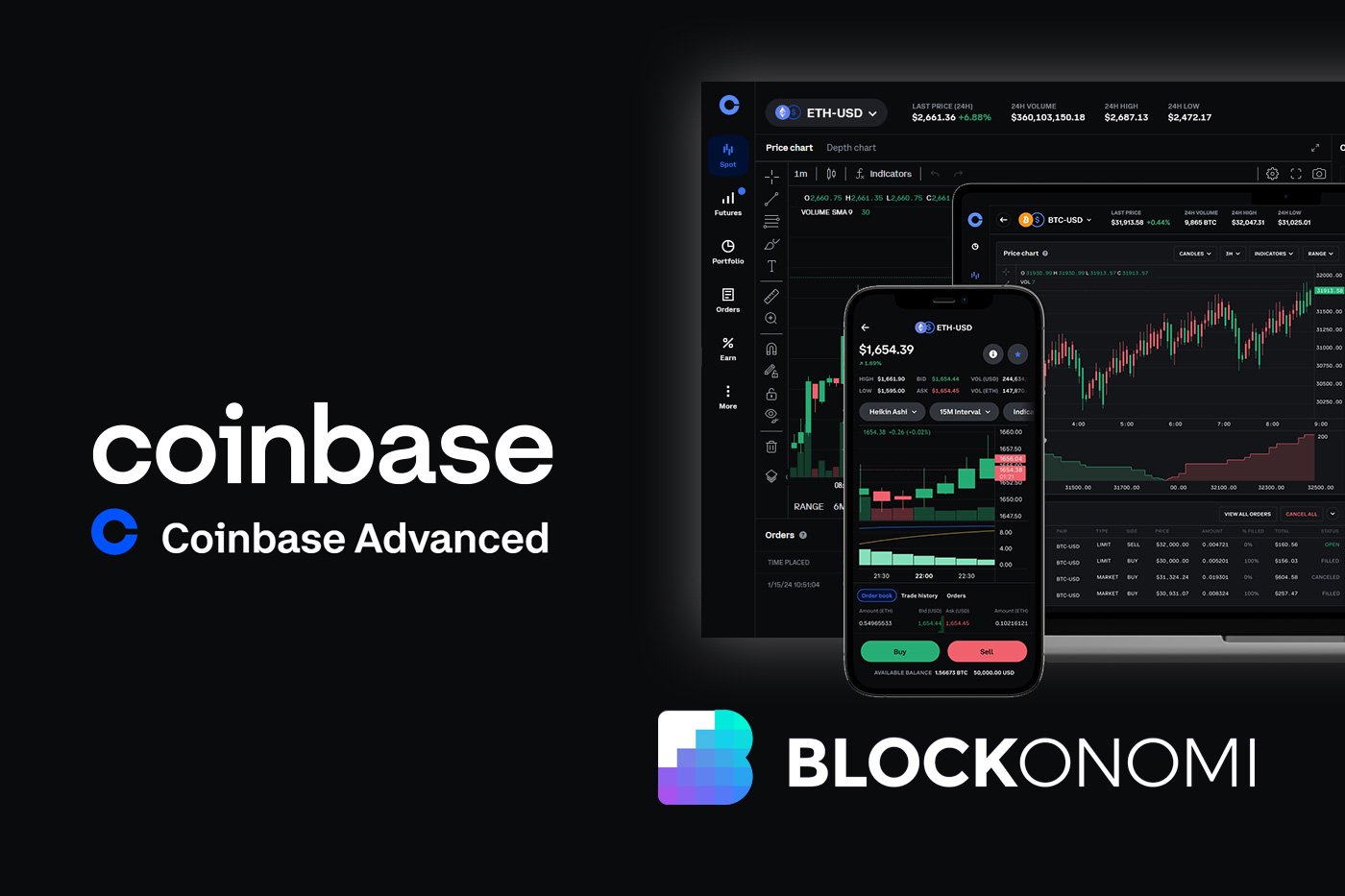
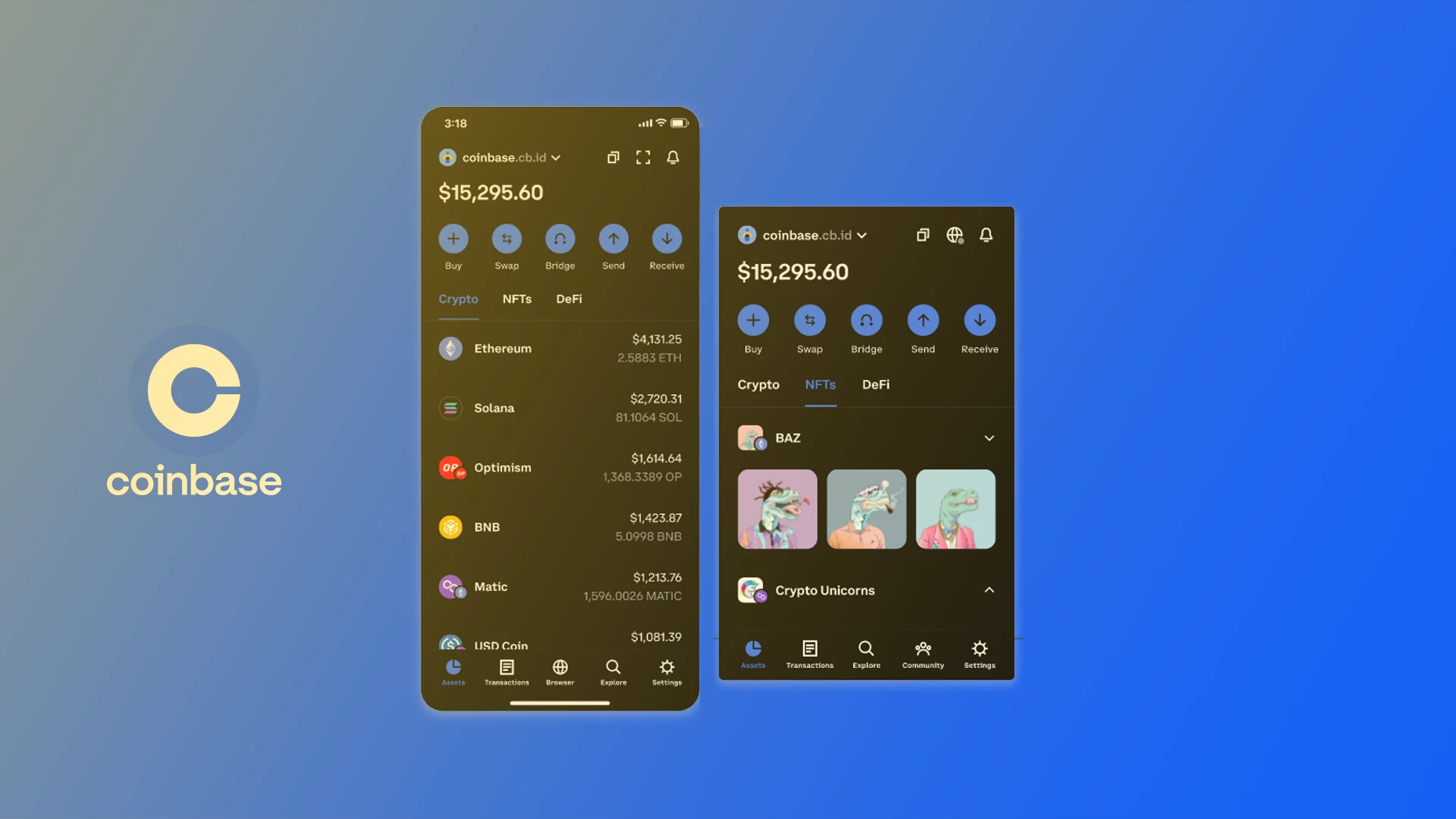
- Integrated DeFi and NFT Services: With unified apps like Coinbase Unified Web App, users can manage cryptocurrencies, NFTs, and DeFi positions across multiple networks in one place, streamlining their digital asset management.
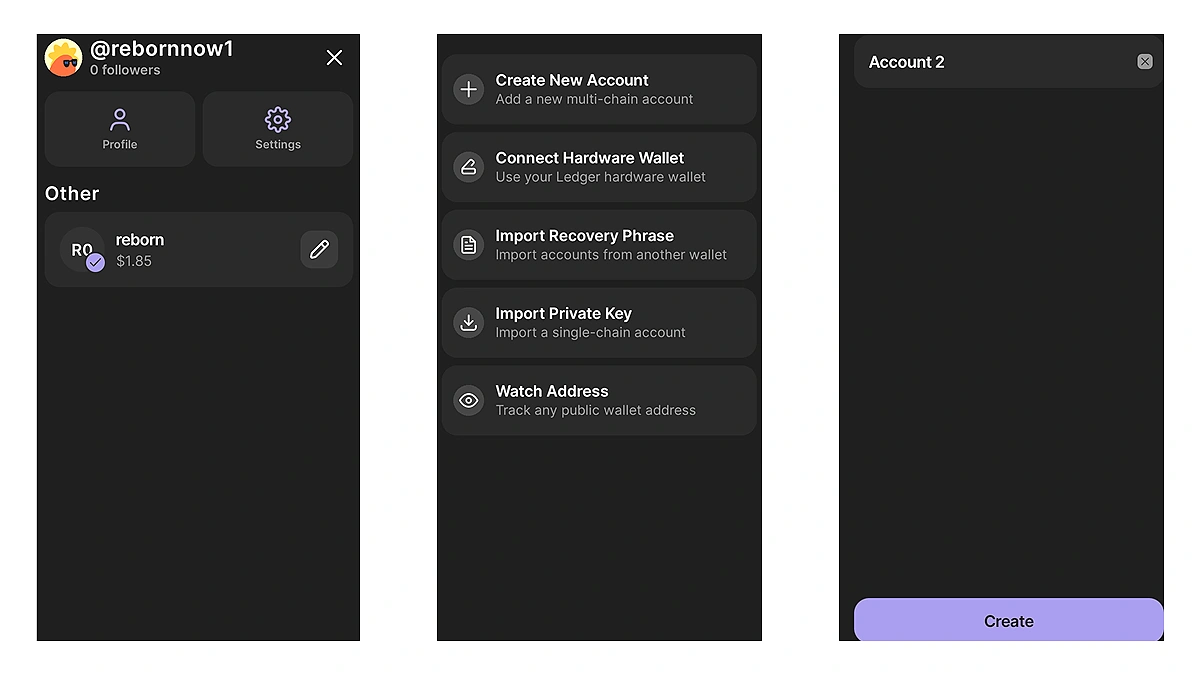
- Advanced Security Features: Solutions such as PUM Exchange Unified Multi-Chain Wallet use Multi-Party Computation (MPC) for key management, ensuring private keys are never fully exposed or stored in one location.
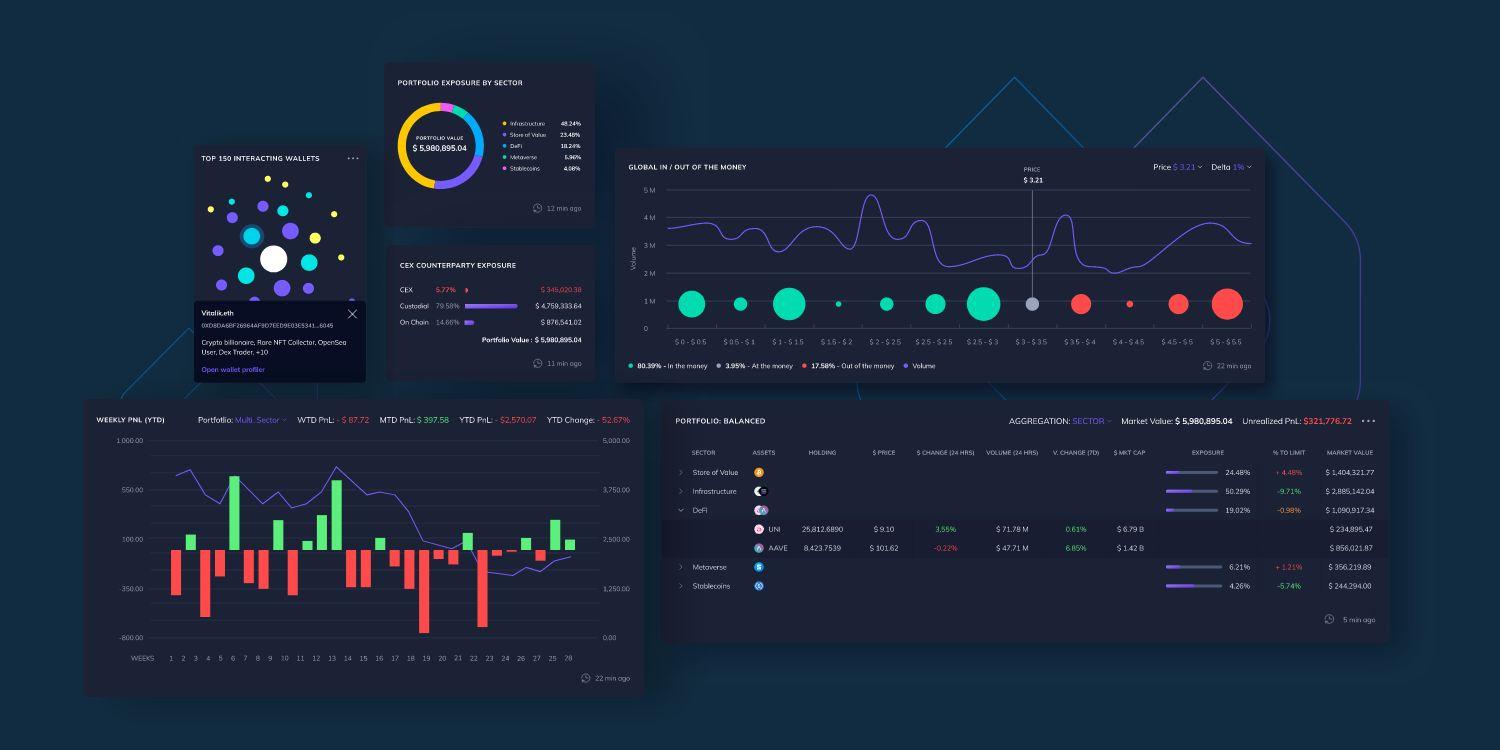
- User-Friendly Interface and Real-Time Tracking: Unified wallets offer intuitive dashboards and real-time portfolio tracking, making it easy for users to monitor and manage assets without technical expertise.
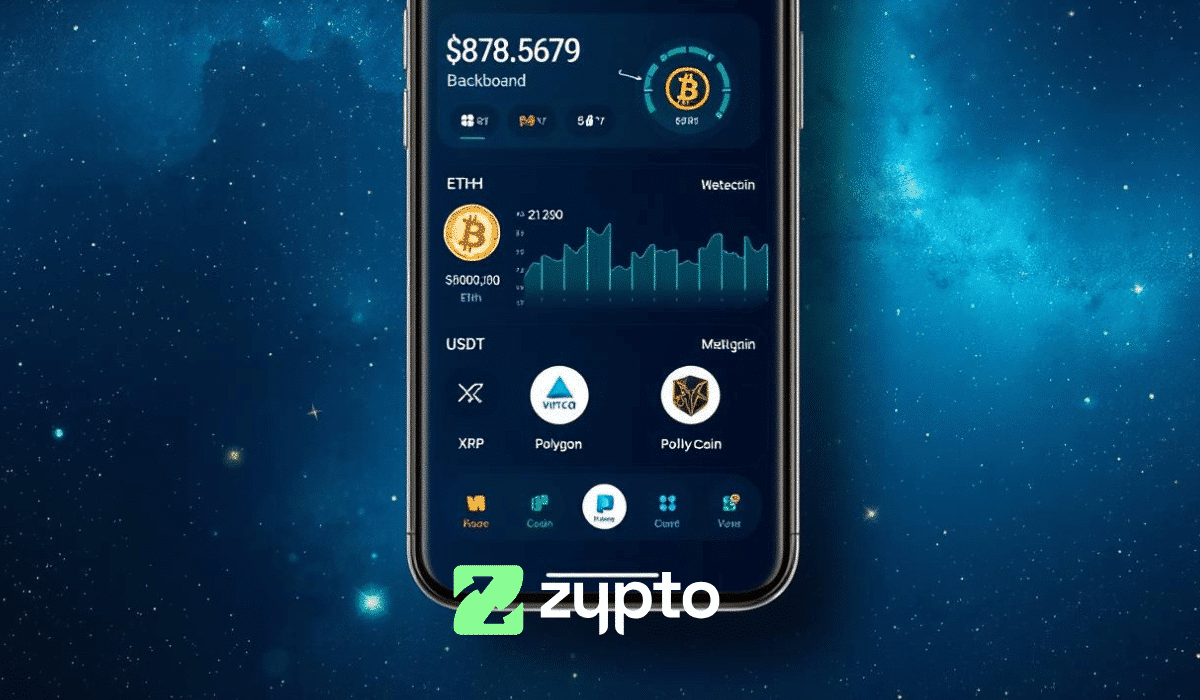
Simplifying Cross-Chain Asset Management: How Unified Wallets Work
Unified wallets function as an abstraction layer over multiple blockchains. They aggregate balances from different networks into one interface and enable direct interactions with dApps on any supported chain - all without forcing users to switch apps or manage separate private keys for each network.
This level of integration is more than just technical wizardry. It directly addresses some of the biggest pain points in DeFi:
- No more wallet sprawl: Connect up to 10 wallets from various chains (as seen with 1inch Portfolio) for a holistic view of your assets.
- Simplified cross-chain transactions: Tools like Unify offer one-click transfers between chains - no manual bridging or confusing swap routes required.
- Integrated DeFi services: Unified interfaces (such as Coinbase’s web app) let you manage crypto holdings, NFTs, and lending positions together.
User Experience Meets Security: The Chain Abstraction UX Advantage
The best unified wallets aren’t just convenient - they’re also designed with security at their core. Modern solutions use advanced cryptography like Multi-Party Computation (MPC), ensuring that private keys are never fully exposed or stored in any single location. This approach dramatically reduces risks from hacks or device loss while still keeping user experience front and center.
User-friendly dashboards display real-time portfolio values across all connected chains. Visual cues guide users through complex actions like staking or bridging without requiring deep technical knowledge. The result? A smoother onboarding process for newcomers and less friction for seasoned DeFi pros looking to maximize yield opportunities across networks.
If you’re curious about how these UX breakthroughs are accelerating mainstream adoption - or want to dive deeper into specific workflows like swaps or transactions - check out our companion guides: How Unified Wallets Simplify Cross-Chain Transactions for DeFi Users.
As the DeFi landscape matures, chain abstraction UX is fast becoming a competitive differentiator. The ability to interact with any protocol or asset, regardless of its underlying network, is no longer a futuristic vision - it’s what users expect from their wallets today. This expectation is fueling rapid innovation and adoption across the ecosystem.
Interoperability in Action: Real-World Benefits for DeFi Users
Unified wallets are more than just a convenience layer. They’re actively solving real-world problems for both casual crypto holders and power users:
- Portfolio Clarity: Instantly see your total net worth across all chains, including DeFi positions and NFTs, without logging into multiple platforms.
- Reduced Friction: Execute swaps or bridge assets with a single click - no more copy-pasting wallet addresses or worrying about sending tokens to the wrong chain.
- Better Security Posture: By minimizing manual processes and centralizing key management with MPC or similar tech, unified wallets reduce the risk of human error and phishing attacks.
- Easier Onboarding: Newcomers can start exploring DeFi without needing to understand every nuance of each blockchain’s tooling.
This shift isn’t just theoretical. According to recent user surveys and on-chain data, unified wallet adoption is accelerating as users seek out tools that offer both simplicity and control. The days of managing a dozen browser extensions and seed phrases are quickly becoming a thing of the past.
Top Advantages of Unified Wallets Over Single-Chain Wallets
- Centralized Asset Management Across Multiple Blockchains: Unified wallets like 1inch Portfolio allow users to view and manage assets from different blockchains and up to 10 wallets in a single dashboard, eliminating the need to juggle multiple apps or interfaces.
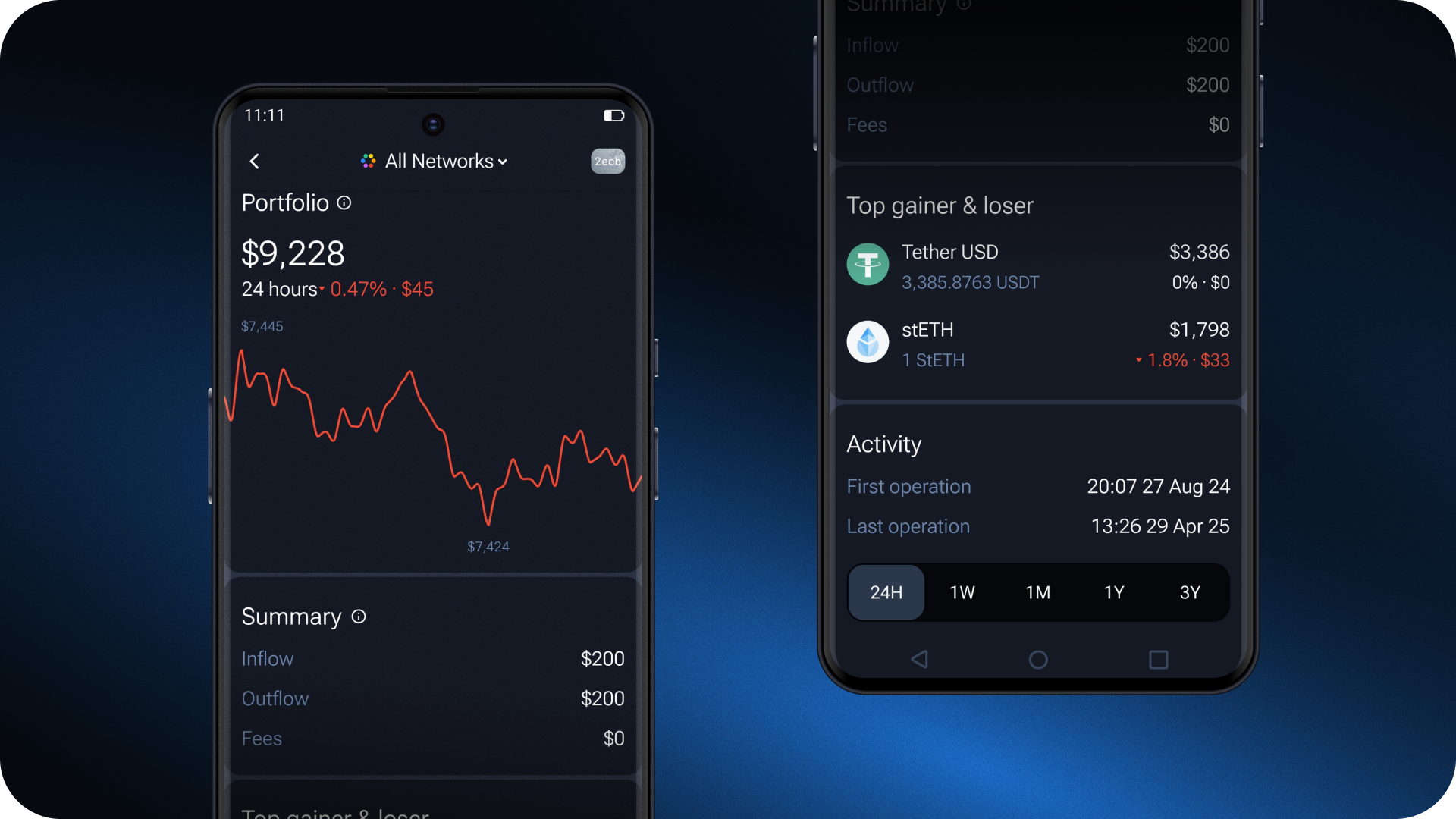
- Seamless Cross-Chain Transactions: Platforms such as Unify enable one-click transfers between blockchains, removing the complexity of manual token bridging and making it easier to move assets across networks.
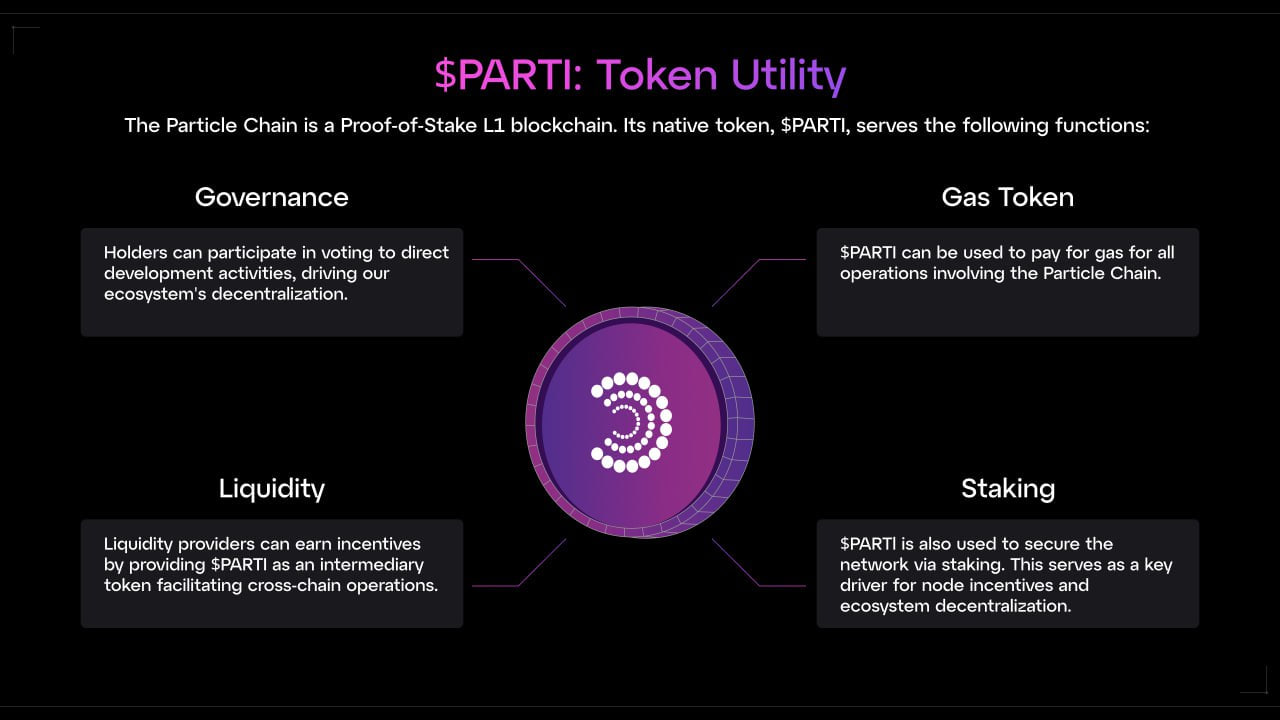
- Integrated DeFi and NFT Management: Solutions like Coinbase's unified web app let users handle cryptocurrencies, NFTs, and DeFi positions from multiple wallets and chains in one place, streamlining portfolio oversight.
- Enhanced Security with Advanced Key Management: Unified wallets such as PUM Exchange's Unified Multi-Chain Wallet use Multi-Party Computation (MPC) to ensure private keys are never fully exposed or stored in a single location, reducing security risks compared to traditional wallets.
- User-Friendly Interfaces and Real-Time Tracking: Modern unified wallets provide intuitive dashboards and real-time portfolio tracking, making it easier for users—regardless of technical expertise—to monitor and manage their assets efficiently.
What’s Next: The Road Ahead for Unified Wallets and Chain Abstraction
The next wave of innovation will likely focus on even deeper integration between blockchains, dApps, and wallet infrastructure. Expect more granular portfolio analytics, smarter transaction routing (with built-in cost optimization), and seamless NFT management - all from within one interface.
The ultimate goal? To make blockchain complexity invisible to end-users so they can focus on what matters: growing their wealth, exploring new protocols, or participating in decentralized communities. As these tools mature, we’ll continue to see barriers fall for mainstream adoption in Web3 finance.
Do you prefer using a unified wallet or separate wallets for each blockchain?
Unified wallets are transforming DeFi by letting users manage assets across multiple blockchains in one place, simplifying cross-chain transactions and boosting security. Which approach do you prefer for managing your crypto assets?
If you want to dive deeper into how unified wallets are transforming other aspects of DeFi user experience - like cross-chain swaps - check out our detailed guide: How Unified Wallets Simplify Cross-Chain Swaps for DeFi Users.




No comments yet. Be the first to share your thoughts!