
What chain abstraction actually means
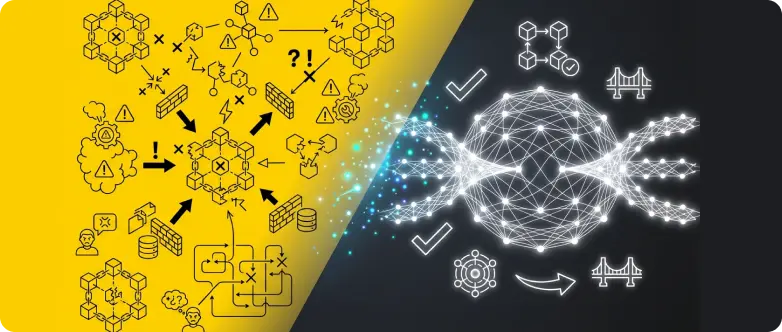
Chain abstraction removes the friction of managing multiple blockchains by making the underlying infrastructure invisible to the end user. Instead of choosing a network, holding specific native tokens for gas, or manually bridging assets, users interact with a single application that handles the complexity behind the scenes. The goal is simple: the user sees one app, not a fragmented web of different chains.
This concept is often confused with account abstraction, but they solve different problems. Account abstraction improves the login and signing experience, allowing for social logins or sponsored transactions. Chain abstraction improves the browsing and transacting experience by unifying the environment. The most effective user experiences in 2026 combine both, but they remain distinct layers of the stack.
Chain abstraction makes the underlying blockchain invisible to the user. They interact with one app, not multiple chains.
Think of chain abstraction like international roaming on your phone. Without it, you must buy a local SIM card, pay conversion fees, and learn a new number for every country you visit. With it, you simply use your existing device and plan, while the network handles the routing and currency conversion in the background. You don't need to know which cell tower or carrier is connecting you; you just need to know the call is going through.
For developers, this means shifting focus from cross-chain technical integration to user-centric design. The user should never have to think about which chain their transaction is settling on. This shift is critical for mass adoption, as it eliminates the cognitive load that currently prevents mainstream users from engaging with decentralized applications.
The Problem: Fragmented Liquidity and UX
Building on a single chain is like living in a walled garden. You know the rules, the currency, and the neighbors. Multi-chain development, however, is more like moving to a continent where every country has its own language, currency, and entry visa. Without chain abstraction, developers face a fragmented landscape that forces users to navigate a maze of disconnected protocols just to complete a single action.
The first hurdle is bridging. To move assets from Ethereum to a faster, cheaper Layer 2 or an alt-L1, users must use bridges. These are not simple transfers; they are trust-heavy processes that often require waiting periods, dealing with multiple transaction confirmations, and risking smart contract exploits. Liquidity is scattered across these silos, meaning even if a user has funds, they are often in the wrong place to use the application they want.
Then there is the friction of gas tokens and wallet switching. A user cannot simply pay for a transaction on Arbitrum with ETH from their main Ethereum wallet. They must first acquire the native gas token, keep a small balance for fees, and often switch their wallet network manually. This breaks the flow of interaction. Instead of focusing on the app’s utility, the user is distracted by the plumbing of the blockchain infrastructure.
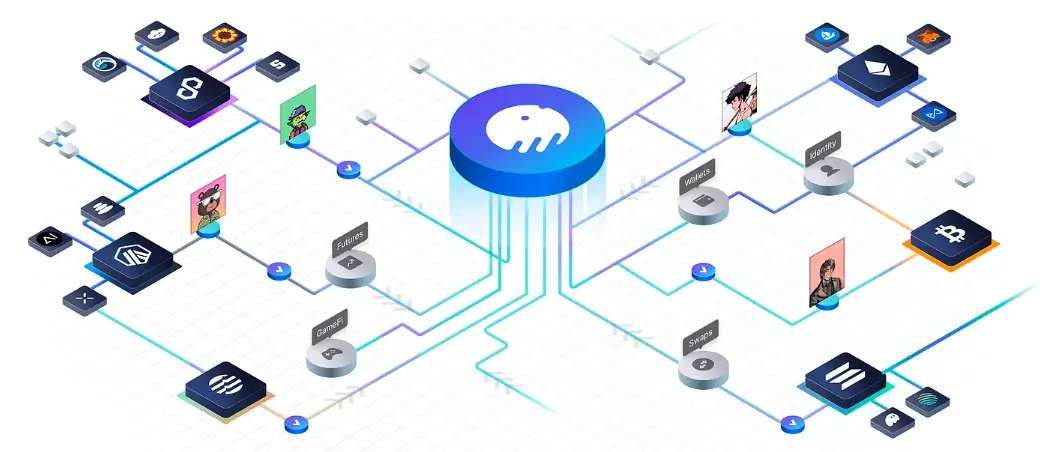
Chain abstraction solves this by treating the entire multi-chain ecosystem as a single, unified environment. It allows developers to build once and deploy everywhere, while users experience the simplicity of a single-chain app. The goal is to make the underlying complexity invisible, so the user never has to think about which chain they are on.
How to implement chain abstraction in your dApp
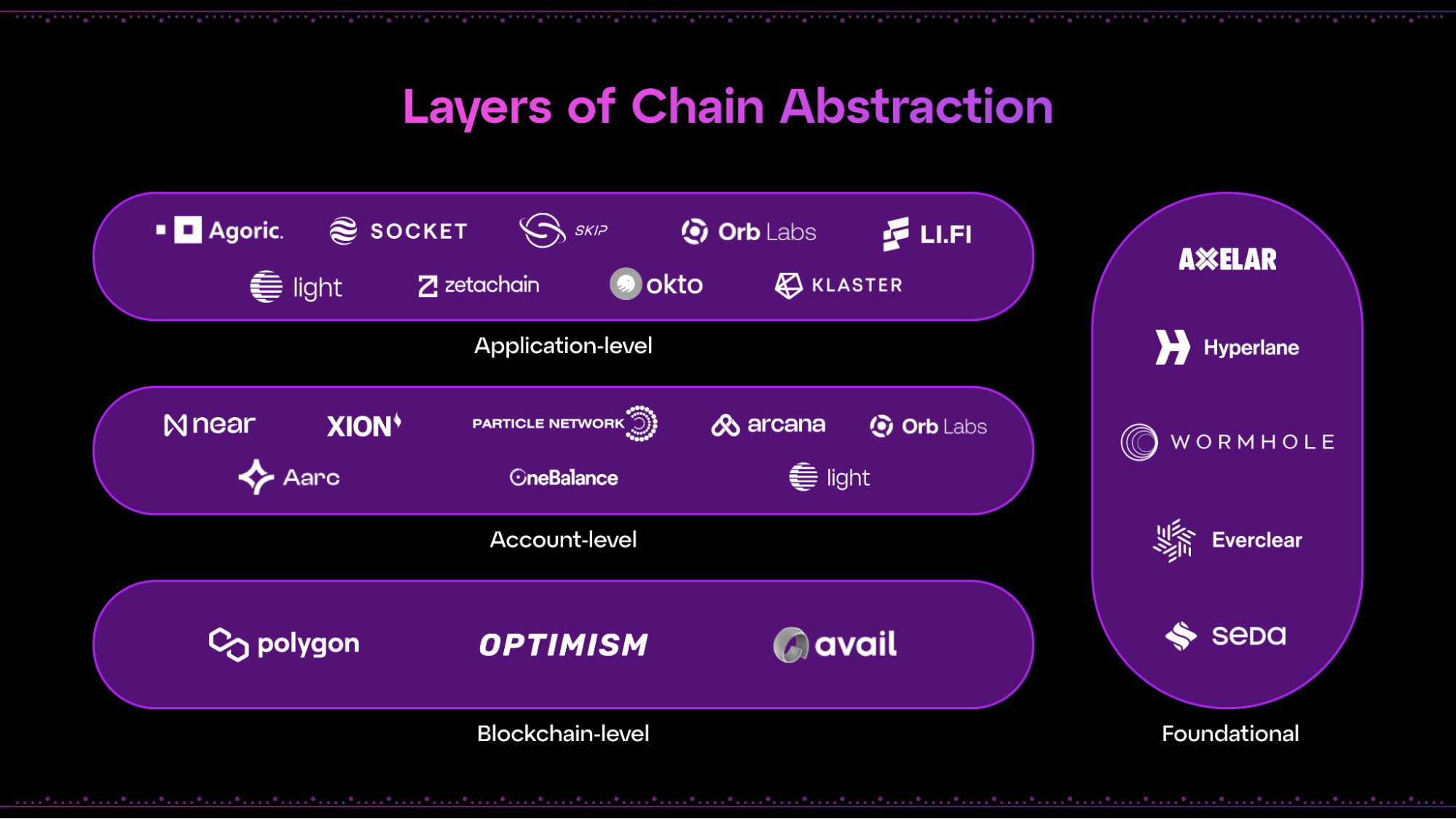
Building chain abstraction into your dApp requires moving beyond simple bridge integrations. Instead of forcing users to navigate a fragmented ecosystem of wrapped tokens and cross-chain bridges, you implement a unified layer that handles the complexity behind the scenes. This approach allows users to interact with your interface from any chain using any token, keeping the experience cohesive and native to your UI.
The implementation relies on three core components: intents (what the user wants to do), relayers (who executes the transaction), and unified accounts (how identity and state are managed). By integrating these layers, your dApp can accept a transaction on Chain A and settle it on Chain B without the user ever leaving your interface.
Step 1: Define the user intent and supported chains
Before writing code, map out the specific actions your users will take. Chain abstraction works best when the intent is clear: swapping tokens, minting an NFT, or staking assets. Choose a cross-chain messaging protocol like Connext or LayerZero to handle the communication between chains. These protocols provide the SDKs needed to detect which chains are available and route the transaction to the correct destination.
Choose a protocol that supports the specific chains your dApp targets. Connext and LayerZero are industry standards for this task. Install the relevant SDK into your project dependencies. This SDK will act as the bridge between your frontend and the backend execution layer, allowing your dApp to query available liquidity and routing paths across different networks.
Instead of initiating a direct transaction, your frontend should submit an "intent" to the protocol. This intent describes the desired outcome (e.g., "Swap 10 USDC on Ethereum for USDC on Arbitrum") rather than the specific steps to achieve it. The protocol's relayers then handle the execution, finding the most efficient path. This shifts the complexity from your users to your infrastructure.
Use a unified account standard to manage user identity across chains. This ensures that a user's wallet state and permissions are consistent regardless of which chain they are currently interacting with. You can use services like Privy or Web3Auth to abstract the wallet signing process, allowing users to sign transactions with familiar methods (like email or social login) while the backend handles the multi-chain signature aggregation.
Configure your dApp to cover gas fees for users on the destination chain. This is often done through a "gas tank" or meta-transaction model where your backend pays for the execution on the destination chain, or you integrate a gas sponsorship service. This ensures the user only needs to pay gas on the source chain, or in some cases, no gas at all if they have a native token balance.
Run comprehensive tests using testnets for both the source and destination chains. Verify that the intent is submitted, the relayer picks it up, and the final state is updated correctly on the destination chain. Monitor for common failure points, such as insufficient liquidity on the destination chain or network congestion delays. Ensure your UI provides clear feedback during the waiting period while the relayer executes the transaction.
By following this sequence, you shift the burden of cross-chain complexity from the user to your infrastructure. The result is a dApp that feels like a single, unified product rather than a collection of fragmented bridges.
Common mistakes when building cross-chain apps
Building chain abstraction is less about connecting protocols and more about managing user expectations. When developers treat cross-chain interactions as simple API calls, they often overlook the friction points that break the experience. Below are the most frequent pitfalls that derail chain abstraction projects, along with how to fix them.

Users should not need to hold native tokens on every chain they interact with. If your app requires a user to bridge ETH to Polygon just to pay for a transaction, you have failed the abstraction. Implement sponsored transactions or meta-transactions so the dApp pays the gas fees. This keeps the user focused on the outcome, not the logistics.
Traditional cross-chain bridges require users to monitor multiple steps and confirmations. Chain abstraction should allow users to declare an intent (e.g., "Swap USDC for ETH on Base") while the backend handles the routing. If your interface forces users to manually bridge assets before swapping, you are adding unnecessary steps. Let the backend manage the complexity.
Cross-chain transactions are probabilistic. A message might get stuck, or a bridge might pause. If your app crashes or shows a generic error when this happens, users will lose trust. Implement clear status indicators and retry mechanisms. Always provide a way for users to cancel or claim funds if a transaction stalls.
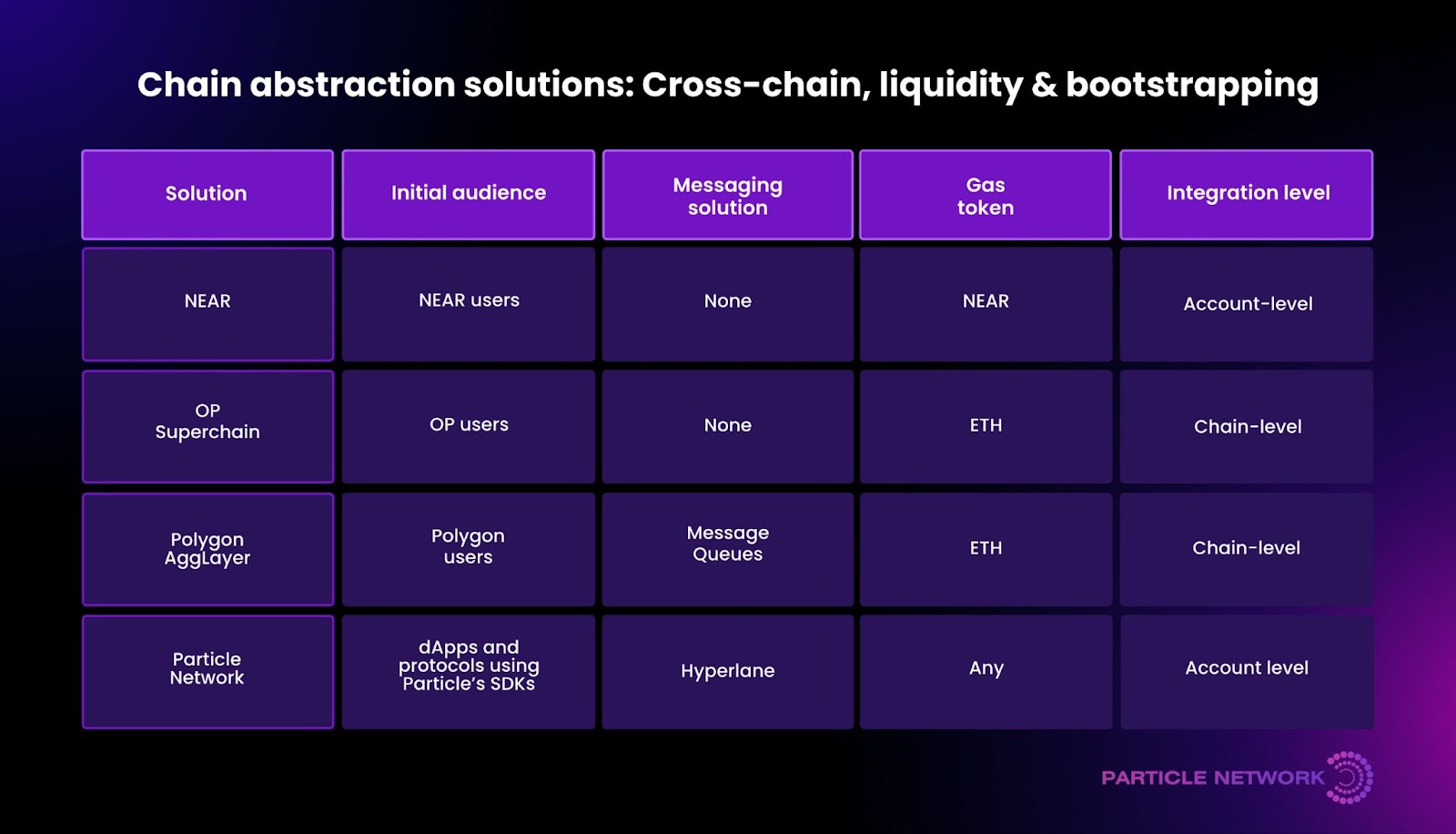
The goal of chain abstraction is to make the underlying complexity invisible. When you ignore gas, overcomplicate intent, or mishandle errors, you expose that complexity instead. By focusing on these three areas, you can build a smoother experience that feels like a single chain, even if it spans many.
Verify the abstraction layer works
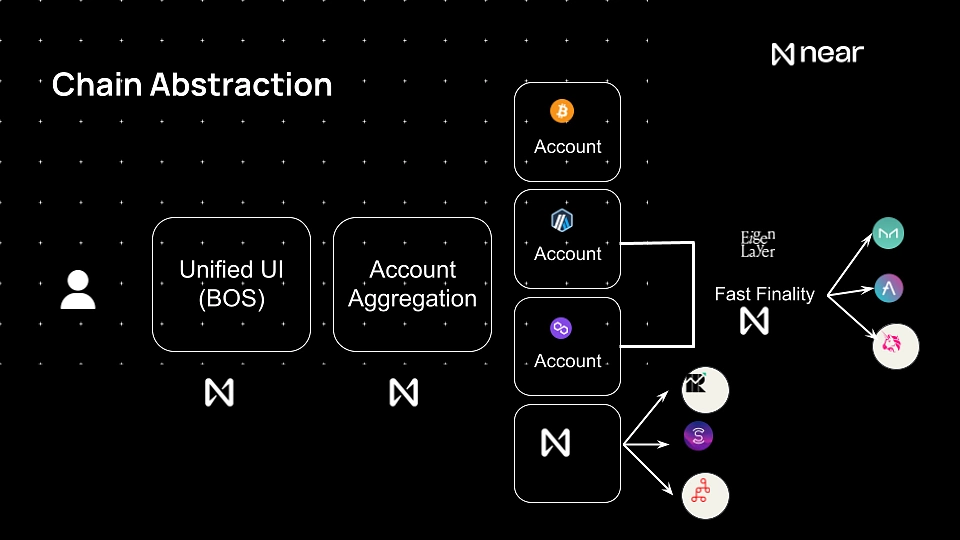
Before mainnet launch, you need to prove that the chain abstraction layer actually removes friction rather than hiding it behind complex error states. Testing must simulate real-world conditions where users expect their transaction to complete without them manually bridging assets or switching networks.
Start by testing gas handling across different chains. Ensure the abstraction layer automatically covers gas fees in the native token of the destination chain, or seamlessly swaps from the user’s balance if necessary. If the user is forced to hold a specific token on the source chain to pay for destination gas, the abstraction has failed.
Next, verify intent confirmation and fallback mechanisms. The user should sign a single transaction on the source chain. The system must then handle the bridging and execution on the destination chain in the background. Test edge cases: what happens if the destination chain is congested? Does the UI provide a clear status update, or does the transaction simply hang?
Finally, validate the cross-chain UX by simulating a full user journey. Use a testnet with multiple chains. Initiate a swap or transfer from Chain A to Chain B. Confirm that the user experience remains consistent, with no unexpected wallet pop-ups or network switches required from the end user. If the process feels as simple as a single-chain transaction, your abstraction layer is working.
-
Test automatic gas payment on destination chains
-
Verify single-sign intent confirmation
-
Simulate network congestion and fallback states
-
Run full end-to-end user journey on testnet
Account abstraction vs chain abstraction
It is common to confuse account abstraction with chain abstraction because both aim to remove friction, but they solve different problems. Account abstraction improves the login and signing experience by allowing smart contract wallets to handle fees and social recovery. Chain abstraction improves the browsing and transacting experience by hiding the underlying blockchain infrastructure.
Think of account abstraction as the interface of your car, while chain abstraction is the engine. You still need both to drive. The most effective user experiences combine both: account abstraction simplifies the wallet interface, while chain abstraction unifies the environment the wallet interacts with.
Without chain abstraction, developers must implement multiple blockchain connections and manage complex cross-chain transfers. By unifying these environments, chain abstraction allows the account abstraction layer to function without the user ever knowing which specific chain they are on. This combination creates a truly seamless cross-chain UX where the user focuses on the application, not the infrastructure.
No comments yet. Be the first to share your thoughts!