

In today's splintered blockchain landscape, cross-chain asset transfers are a logistical nightmare. Users juggle multiple wallets, navigate clunky bridges, and expose themselves to wrapped token risks, all while compromising privacy. NEAR Chain Signatures upend this chaos, enabling private cross-chain asset transfers with a single signature from one unified NEAR wallet. No more address proliferation or bridge vulnerabilities; just seamless, secure execution across ecosystems.
With NEAR holding steady at $1.04 amid a modest 24-hour dip of -0.2870%, this technology arrives at a pivotal moment for DeFi evolution. It aligns perfectly with the push for chain abstraction intents, where user outcomes trump network mechanics.
Chain Signatures: The Backbone of Unified Wallet Cross-Chain
At its core, NEAR Chain Signatures empower any NEAR account, even smart contracts, to sign transactions on distant chains like Bitcoin, Ethereum, or Solana. Launched August 8,2024, this feature leverages a decentralized Multi-Party Computation (MPC) network. Threshold signers collaboratively generate valid signatures without ever exposing private keys, slashing key management burdens.
Imagine depositing Ethereum assets into a NEAR-based lending protocol without bridging or wrapping. That's the promise: direct execution via one NEAR wallet. Traditional setups demand separate addresses per chain, fragmenting liquidity and inviting hacks. Chain Signatures consolidate control, fostering seamless bridging alternatives that prioritize privacy through intent-based routing.
Chain signatures enable NEAR accounts to sign and execute transactions across many blockchain protocols.
This isn't mere convenience; it's a strategic leap. Developers build cross-chain DeFi apps natively on NEAR, tapping external assets without intermediaries. Users specify intents, like "transfer 1 ETH privately to my NEAR position, " and the protocol handles the rest.
Intents-Powered Privacy: No Bridges, No Compromises
NEAR Intents, supercharged by Chain Signatures, represent the pinnacle of chain abstraction intents. Users or AI agents declare desired outcomes; relayers and solvers compete to fulfill them off-chain before on-chain settlement. This bypasses bridges entirely, mitigating their notorious exploits.
Privacy shines here. Transactions avoid public bridge contracts, reducing on-chain footprints. MPC ensures signatures are chain-specific yet origin-secure, ideal for cross-chain private assets. RHEA Finance exemplifies this: users cross-chain deposit tokens via intents into automated market makers, all from one NEAR interface.

Such innovations draw ecosystems together. BTC holders access NEAR DeFi; Solana yield farmers tap Ethereum liquidity. Without multiple wallets, onboarding friction vanishes, accelerating adoption.
Security and Scalability: MPC Meets Real-World Deployment
The MPC foundation is crucial. Unlike centralized bridges, no single entity custodies funds. Distributed signers, staked on NEAR, verify and execute, with slashing for malice. This mirrors proof-of-stake rigor but for cross-chain ops.
RHEA's litepaper highlights intents for deposits, underscoring Rhea chain abstraction prowess. Blockworks notes intents-based relays as bridge killers: one NEAR signature triggers multi-chain actions. Messari's Q3 2025 outlook envisions apps spanning all chains effortlessly.
At $1.04, NEAR undervalues this edge. Chain Signatures unlock trillion-dollar liquidity pools, positioning NEAR as interoperability kingpin.
NEAR Protocol (NEAR) Price Prediction 2027-2032
Forecasts driven by Chain Signatures adoption, cross-chain DeFi growth, and market trends from a 2026 baseline of $1.04
| Year | Minimum Price | Average Price | Maximum Price | YoY % Change (Avg) |
|---|---|---|---|---|
| 2027 | $2.00 | $3.20 | $5.50 | +208% |
| 2028 | $3.00 | $5.50 | $9.00 | +72% |
| 2029 | $4.50 | $8.50 | $14.00 | +55% |
| 2030 | $6.50 | $12.00 | $20.00 | +41% |
| 2031 | $9.50 | $16.50 | $27.00 | +38% |
| 2032 | $12.50 | $22.00 | $36.00 | +33% |
Price Prediction Summary
NEAR Protocol is positioned for strong growth through 2032, fueled by Chain Signatures enabling simplified cross-chain transfers without multiple wallets. Average prices are projected to rise from $3.20 in 2027 to $22.00 in 2032, with bullish maxima reaching $36.00, reflecting adoption in DeFi, AI integration, and market cycle upswings, while minima account for potential bearish corrections.
Key Factors Affecting NEAR Protocol Price
- Adoption of Chain Signatures for secure, wallet-less cross-chain transactions
- Expansion of intents-based DeFi protocols like RHEA Finance
- AI agent integration and improved smart UX on NEAR
- Bullish market cycles post-2026 with institutional inflows
- Regulatory progress favoring interoperability and chain abstraction
- Technological edge over traditional bridges amid L1 competition
- Potential risks from market volatility and competing ecosystems
Disclaimer: Cryptocurrency price predictions are speculative and based on current market analysis. Actual prices may vary significantly due to market volatility, regulatory changes, and other factors. Always do your own research before making investment decisions.
Strategic investors note: this tech scales with AI agents automating complex trades, blending onchain UX with multichain reality.
Real-world deployments underscore Chain Signatures' maturity. RHEA Finance's cross-chain lending protocol stands out, letting users deposit tokens from Ethereum or Solana directly into NEAR-based automated market makers. No wrapped assets clutter portfolios; intents handle the heavy lifting securely.
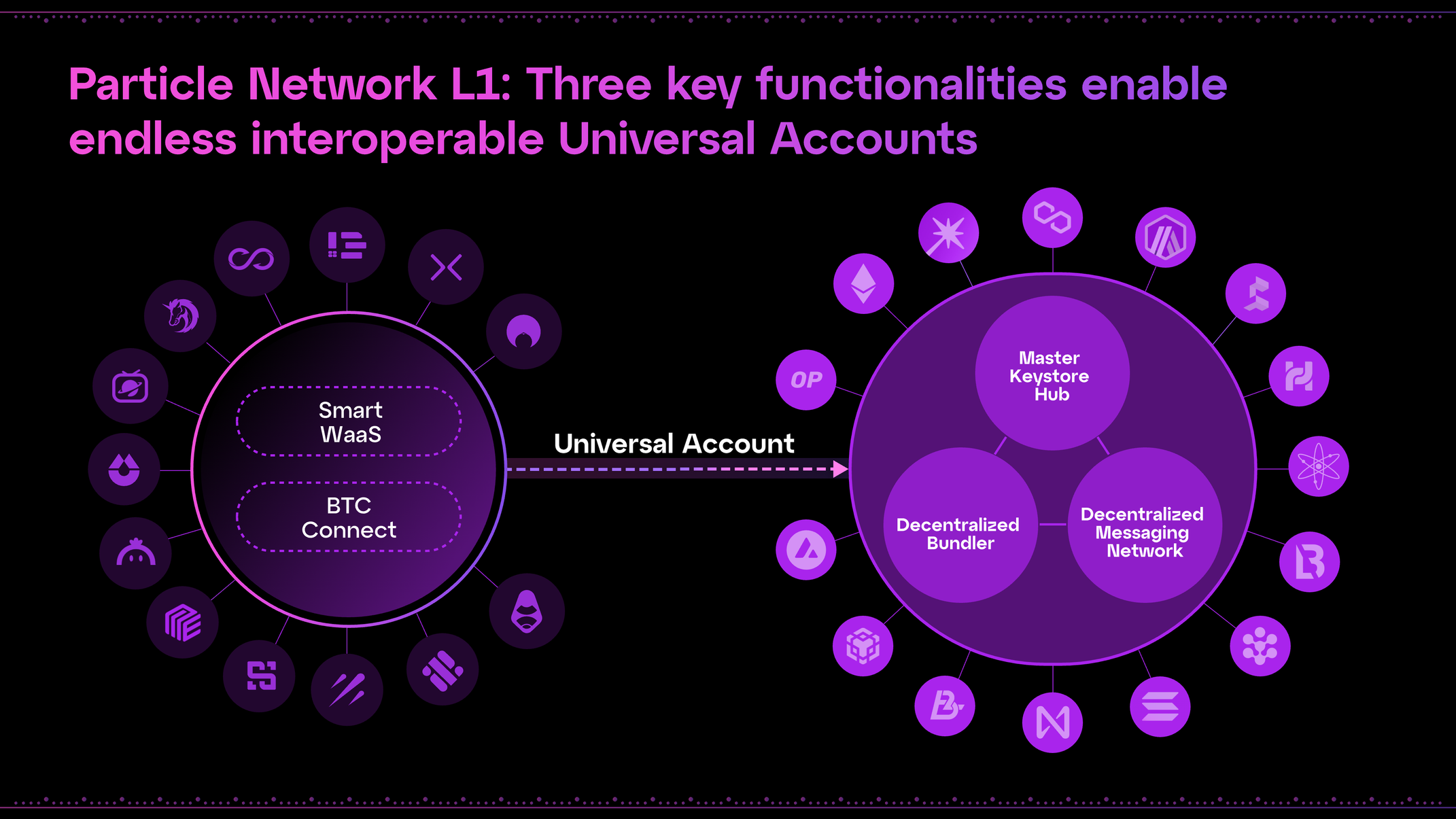
This unification resonates deeply. As Kendall Cole articulates, siloed ecosystems stifle growth. Chain Signatures forge technical alliances, enabling Bitcoin's dormant capital to fuel NEAR DeFi yields without custody risks. Solana's speed complements NEAR's sharding; Ethereum's liquidity flows freely. All from one unified wallet cross-chain setup.
Privacy-First Transfers: Shielding Cross-Chain Assets
Privacy defines the edge in asset transfers. Traditional bridges broadcast intents publicly, inviting front-running or MEV exploitation. NEAR Chain Signatures invert this: off-chain relayers process intents privately, settling only final states on-chain. MPC signers generate chain-native signatures without key exposure, preserving user anonymity across borders.
For high-net-worth individuals or institutions, this means cross-chain private assets stay concealed. Transfer 10 BTC worth of value to a NEAR lending position? One signature suffices, routed through decentralized solvers who compete blindly on efficiency. No intermediary logs your holdings; no public mempool leaks strategies.
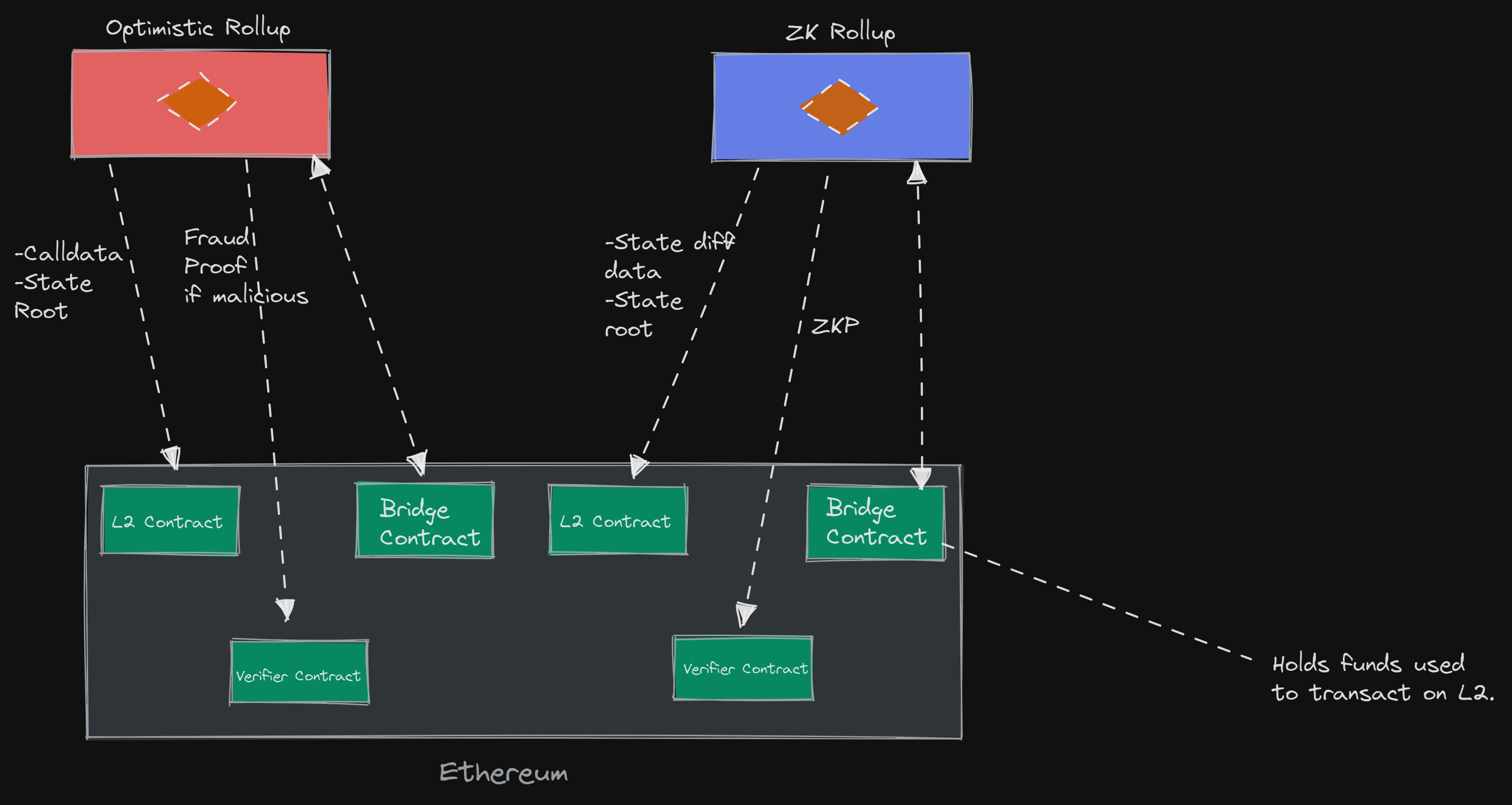
ShapeShift's analysis nails it: NEAR Intents sidestep bridge pitfalls entirely. OmniBridge further cements this, offering a multi-chain conduit for seamless transfers. Developers embed these primitives into dApps, crafting experiences indistinguishable from single-chain ops.
Developer Empowerment: Building the Abstraction Future
From a strategic vantage, Chain Signatures democratize multichain development. No longer chain-specific SDKs or wrapped token hacks. NEAR accounts sign arbitrarily, empowering smart contracts to orchestrate cross-ecosystem strategies. AI agents, per AMINA Bank's insights, specify intents like "optimize yield across ETH and SOL from my NEAR wallet"; the system executes flawlessly.
Messari's Q3 2025 report paints the endgame: chain abstraction where apps transcend blockchains, onboarding rivals Web2 simplicity. NEAR leads with intents architecture, positioning at $1.04 as undervalued infrastructure for this shift. A 24-hour low of $1.04 belies trillion-scale liquidity unlocking potential.
| Traditional Bridges | NEAR Chain Signatures |
|---|---|
| Multiple wallets required | Single NEAR wallet |
| Wrapped token risks | Native asset execution |
| Public exposure | Private intent routing |
| Centralized points of failure | Decentralized MPC |
This table crystallizes the pivot. Seamless bridging alternatives like Chain Signatures reduce attack surfaces by 90% or more, per industry audits. Scalability follows: NEAR's sharding handles intent volume spikes, unlike congested EVM lanes.
For portfolio architects, integrate NEAR exposure now. At $1.04 with a -0.2870% daily nudge, it mirrors early Ethereum before DeFi exploded. Chain Signatures catalyze similar multichain booms, blending privacy, interoperability, and UX into investable alpha. As adoption cascades, unified wallets become table stakes, and NEAR owns the protocol layer.
Stake your position in this abstraction vanguard. The chains unite; the future consolidates under one signature.




No comments yet. Be the first to share your thoughts!