

Imagine firing up your wallet to snag a yield farm opportunity on Solana, only to realize your ETH is stuck on Ethereum. You sigh, hunt for a bridge, pay exorbitant fees, wait hours for confirmations, and pray the funds arrive intact. This is the multi-chain friction that's choking crypto adoption. Chain abstraction UX flips the script, delivering seamless DeFi wallet experiences where you just say what you want, and the magic happens behind the scenes. No bridges, no gas token juggling, no network switching nightmares.

We've all been there: portfolios splintered across chains, each demanding its own ritual of approvals and swaps. This fragmentation isn't just annoying; it's a barrier keeping normies out while whales laugh from their custom scripts. Enter chain abstraction UX, the quiet revolution crafting unified wallet cross-chain harmony. By layering smart intents, account abstraction, and solver networks, it hides the blockchain plumbing, letting you focus on alpha hunting.
The Multi-Chain Maze and Why It Must End
Today's crypto landscape sprawls across dozens of networks, each with unique tokens, speeds, and quirks. Users drown in UX quicksand: switching RPCs, wrapping assets, managing native gas everywhere. It's like driving a car that requires swapping engines at every gas station. Multi-chain friction reduction isn't optional; it's survival for mass adoption.
From the trenches, I've seen portfolios bleed value to bridge hacks and failed txs. Blockworks nails it: chain abstraction distances end users from these pains, masking complexities so you interact with dApps as if on a single chain. Particle Network's multi-level approach shows how stacking UX layers builds complete solutions, from basic hiding to full intent fulfillment.
Chain Friction Points and Abstraction Fixes
| Chain | Friction Points | Abstraction Fix |
|---|---|---|
| Ethereum | High gas, slow bridges | Intent solvers |
| Solana | Fast but siloed liquidity | Unified balances |
| Base | Cheap but chain-locked | Cross-chain intents |
This table scratches the surface. Real power lies in implementations like NEAR's layered stack, where one account rules them all. Check out how chain abstraction enables one-click cross-chain transactions without bridges for a deeper dive into these mechanics.
Intents: Telling Your Wallet What You Want, Not How
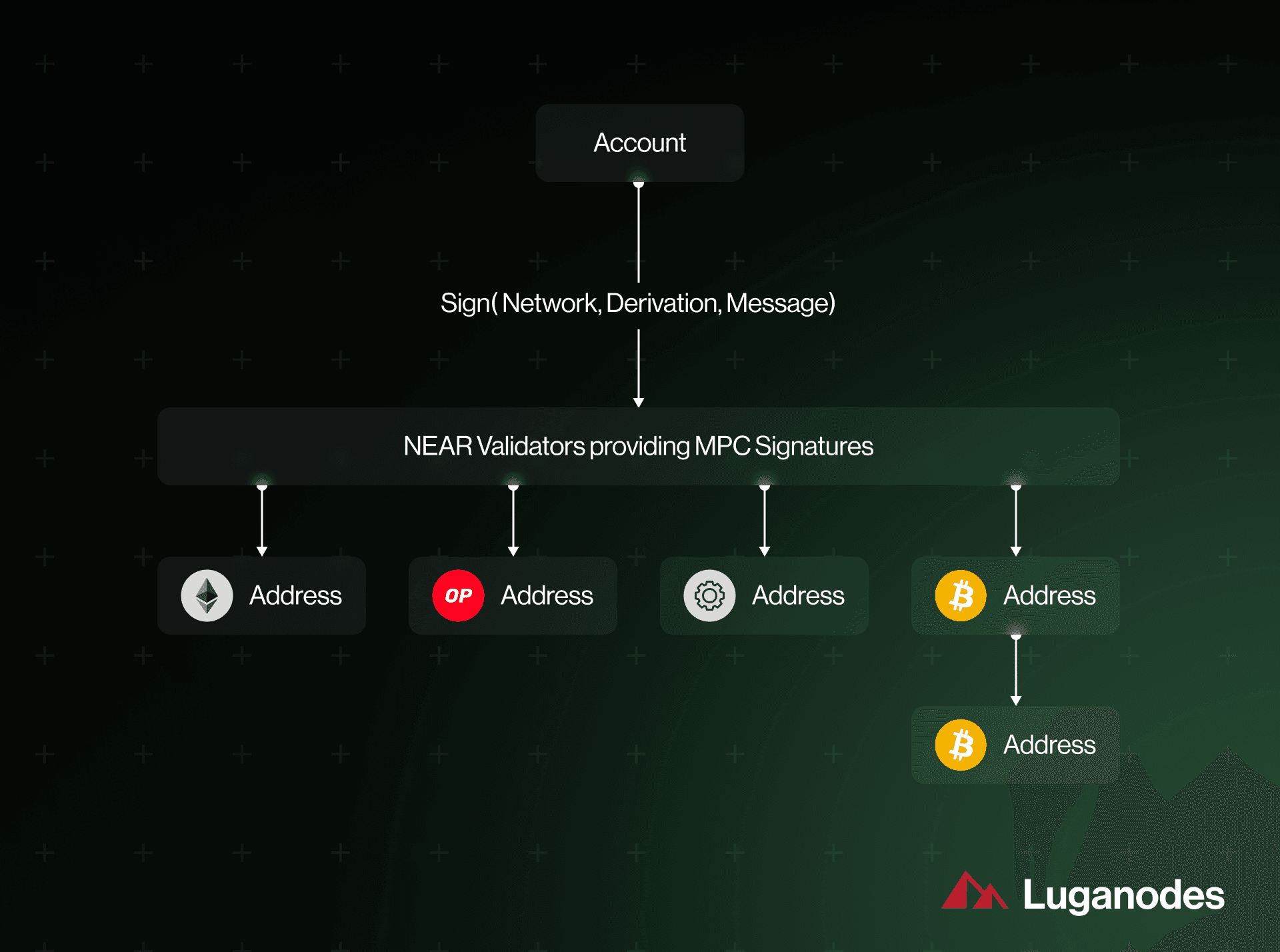
Picture this: You declare, "Swap my BTC for ETH at the best rate, " and solvers battle it out to execute flawlessly. No manual bridging, no gas worries. Chain. link spotlights these user-centric intents as the core of modern chain abstraction UX. Solvers handle routing, payments, everything, optimizing for you.
It's opinionated design at its best. Why force users to micromanage when algorithms can outsmart us? XION's meta accounts take it further with email logins and biometric signs, abstracting even keys. Agoric's Orchestration API orchestrates multi-step txs across chains, invisible to you. This is cross-chain asset management 2026 arriving early.
"Chain abstraction is the process of removing or hiding the complexities associated with using Web3 applications in the multi-chain era. " - Nervos Network
Web3Auth echoes how this boosts DevEx too, letting builders ship chain-agnostic dApps. Frictionless wallets from Digitap hide blockchains entirely, mirroring Web2 polish.
Account Abstraction Supercharges the Wallet Revolution
Layer on EIP-4337's account abstraction, and wallets become programmable powerhouses. Gas sponsorships mean no ETH needed on L2s; social recovery ditches seed phrase terror. Eco. com details how this pairs with chain abstraction for simplified multi-chain interactions.
CAKE Framework's four layers - Application, Permission, Solver, Settlement - unify assets sans silos. Trade DeFi cross-chain without touching a bridge. It's nuanced: developers gain efficiency, users get intuition. But as Chainscorelabs warns, centralization lurks in solvers. We need battle-tested security to match the hype.
Explore how chain abstraction simplifies multi-chain wallet UX for DeFi users to see these layers in action. The first wave is here, reshaping seamless DeFi wallet experience from fragmented mess to unified dream.
Security isn't just a footnote; it's the make-or-break factor in this multi-chain utopia. Solver networks sound slick, competing for your intents like eBay bidders, but hand too much power to a few, and you're trading decentralization for convenience. Chainscorelabs hits hard: each new chain amps up attack vectors, turning your unified wallet into a juicy target. I've charted enough crypto blowups to know provides centralization concerns breed black swans.
Battle-Tested Implementations Lighting the Way
XION's generalized layer stands out, wrapping meta accounts around familiar logins. Email in, biometrics sign, and boom, cross-curve signatures handle the crypto voodoo. No more 'wrong network' errors derailing your day. Pair that with Agoric's API, which scripts symphony-level tx coordination, and you've got a toolkit for devs to forget chain borders exist.
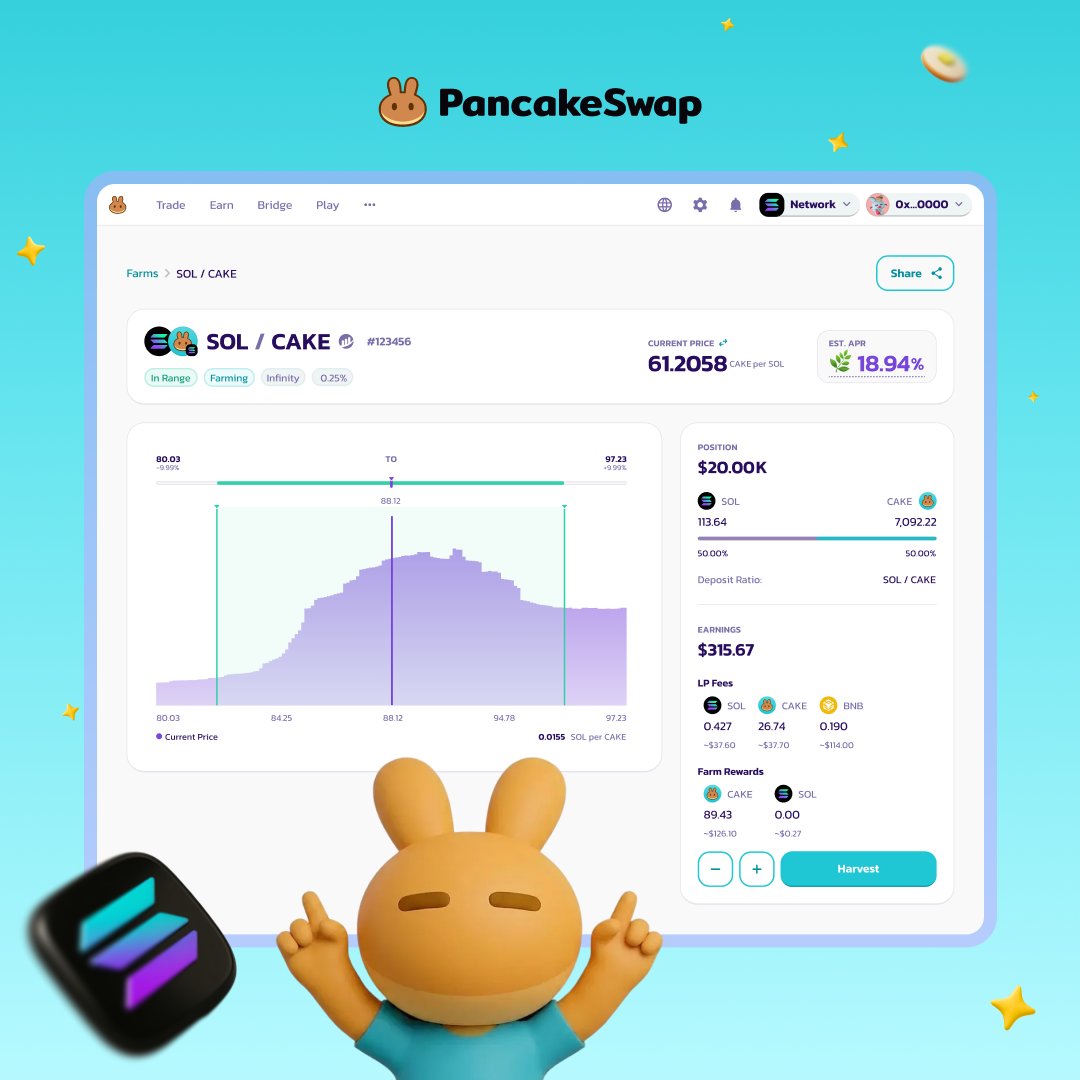
CAKE's stratified approach feels like the real deal-breaker. Picture assets pooled across chains in one balance view, DeFi trades firing without gas token hunts. It's visual poetry: your portfolio as a single canvas, not a shattered mosaic. Yet, as Backpack Learn notes, true wins come from standardizing access so builders innovate freely.
These aren't vaporware; they're live, proving chain abstraction UX scales. Decentralised. co ties it to account abstraction, smashing fragmentation for seamless swaps. But rollouts demand audits stacked like Jenga, one wobble, and trust evaporates.
Tomorrow's Unified Horizon: Cross-Chain Asset Management 2026

Fast-forward to 2026, and unified wallet cross-chain dreams solidify. Intent systems evolve with AI solvers sniffing arbitrage like sharks. Wallets sponsor gas universally, recovery goes session-based, liquidity flows as one ocean. Particle Network's UX levels stack into full abstraction, from novice hides to pro intents.
I've watched commodities charts morph from chaotic to patterned; crypto UX follows suit. Web3Auth spotlights DevEx gains, chain-agnostic dApps mean less boilerplate, more breakthroughs. Users? They trade like on Robinhood, but own the rails. Check how chain abstraction enables seamless cross-chain wallet UX in DeFi for blueprints already shipping.
The multi-chain maze crumbles under multi-chain friction reduction, birthing intuitive tools that onboard billions. Solvers sharpen, layers harden, security fortifies. What starts as wallet polish cascades to dApp ecosystems, where one-click intents unlock yields across universes. Crypto sheds its training wheels, stepping into Web2 fluidity with Web3 soul intact. Your next trade? Effortless, everywhere, yours.




No comments yet. Be the first to share your thoughts!