
Defining chain abstraction 2026
Chain abstraction is an intent-based architecture designed to orchestrate user interactions across disjointed blockchain networks without exposing the underlying infrastructure. Unlike simple UI wrappers that merely aggregate data, true chain abstraction shifts the burden of complexity from the user to the protocol layer. The goal is for users to interact with decentralized applications without ever needing to pick, see, or think about which specific chain they are using.
This model relies on a framework that unifies fragmented networks into a single coherent interface. Instead of manually bridging assets or switching networks, users submit intents—such as "swap token A for token B"—and intent solvers handle the routing, settlement, and gas payment across the relevant chains. This abstraction layer effectively hides the modular complexity of multi-chain environments, allowing the application to behave as if it exists on a single, unified network.
By treating the multi-chain landscape as a single liquidity pool, chain abstraction 2026 aims to restore the seamless experience users expect from centralized applications, while maintaining the non-custodial nature of decentralized finance. This distinction is critical: it is not just about better design, but about a fundamental architectural shift in how transactions are interpreted and executed across heterogeneous environments.
How intent primitives orchestrate cross-chain transactions
Chain abstraction shifts the burden of transaction execution from the user to a backend orchestrator. Instead of manually bridging assets and signing separate approvals on each network, users submit a single intent—a declaration of what they want to achieve. The system then finds the most efficient path across disjointed blockchain networks to fulfill that request. This architecture eliminates the friction of managing multiple wallets, gas tokens, and bridge risks.
Account abstraction (AA) serves as the foundational layer that makes this possible. By replacing the traditional Externally Owned Account (EOA) model with smart contract wallets, AA allows for flexible authentication methods and batched operations. Users can pay gas fees in any supported token, delegate transactions to relayers, and implement social recovery mechanisms. This flexibility is essential for intent-based systems, which often require complex, multi-step transaction bundles that standard EOAs cannot handle.
When an intent is submitted, an off-chain solver network evaluates available liquidity and execution paths. Solvers compete to fulfill the request at the best possible price, accounting for gas costs, slippage, and bridge fees. Once a solver claims the intent, it executes the necessary transactions on-chain. The user sees only the final result: their desired outcome, such as swapped assets in their destination wallet, without ever interacting with the underlying complexity.
This model transforms cross-chain interactions from a manual, error-prone process into a passive, background operation. The user experience becomes indistinguishable from centralized finance, while retaining the self-custody and composability benefits of Web3. As the ecosystem matures, intent-based primitives are becoming the standard for seamless multi-chain engagement.
Comparing abstraction layers and providers
Chain abstraction is the design goal of making users interact with blockchain applications without ever picking, seeing, or thinking about which chain they are on src-serp-1. In 2026, this goal is pursued through distinct architectural layers. Understanding the trade-offs between universal accounts, chain signatures, and intent solvers is essential for developers and users navigating the modular landscape.
The core challenge remains the same: trading user-visible complexity for developer-hidden complexity src-serp-4. Below is a comparison of the primary approaches currently shaping the ecosystem.
| Approach | User Experience | Dev Complexity | Security Model |
|---|---|---|---|
| Universal Accounts | Native wallet feel; no gas tokens needed | High (requires account abstraction infrastructure) | Smart contract wallets with social recovery |
| Chain Signatures | Seamless cross-chain transactions | Medium (integration with threshold networks) | Distributed key management (DKM) |
| Intent Solvers | User states intent; solver handles execution | Low (API-based integration) | Off-chain execution with on-chain settlement |
| Cross-Chain Bridges | Familiar but slow; requires manual bridging | Low (standard ERC-20 transfers) | Centralized or multi-sig custodians |
Universal accounts leverage account abstraction (ERC-4337) to create smart contract wallets that can pay gas in any token and batch transactions. This offers the most native user experience but requires significant infrastructure development.
Chain signatures use threshold cryptography to sign transactions on behalf of users across chains. This approach simplifies the developer experience by handling cross-chain messaging, though it introduces dependency on third-party signature networks.
Intent solvers allow users to broadcast what they want to achieve rather than how to achieve it. This reduces developer complexity to an API call but relies on off-chain actors to find the best execution path, introducing slight latency and counterparty risk.
The Hidden Cost of Hidden Complexity
Chain abstraction promises a frictionless experience, but it often shifts the burden rather than eliminating it. The primary trade-off is moving complexity from the user interface to the developer backend. As noted in industry discussions, the total complexity of the system remains largely unchanged; it is simply relocated from the front end to the middleware layer [src-serp-4]. This means that while a user sees a single button to "swap," the underlying infrastructure must orchestrate liquidity across multiple distinct chains.
This architectural shift introduces significant security risks, particularly when relying on centralized solvers. Many current abstraction layers depend on trusted third parties to execute cross-chain transactions. If these solvers are compromised, or if they act maliciously, user funds are at risk. Decentralized alternatives, such as intent-based architectures, attempt to mitigate this by using verifiable computation, but they often introduce latency and higher gas costs, creating a new set of usability challenges.
The tension between simplicity and security defines the current landscape of chain abstraction. Solutions that prioritize speed often sacrifice decentralization, while those that maximize security can feel clunky to the end user. For developers, this means choosing between building a robust, secure bridge that requires complex user education, or a sleek interface that relies on opaque, centralized infrastructure.
| Approach | User Experience | Security Model | Developer Effort |
|---|---|---|---|
| Centralized Solver | Simple, fast | Trust-based | Low |
| Decentralized Intent | Variable latency | Verifiable/Trustless | High |
| Native Bridging | Complex, multi-step | Smart contract audited | Medium |
Market signals point to a shift in cross-chain activity
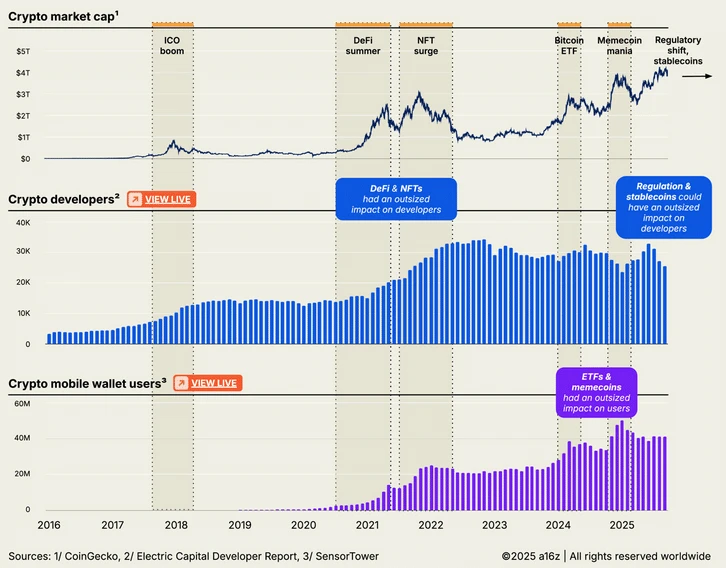
Chain abstraction is moving from experimental infrastructure to a core component of the crypto stack. The market signal is clear: developers and users are actively seeking solutions that remove the friction of managing multiple wallets and bridging assets across disparate networks. This shift is not just theoretical; it is reflected in the growing volume of cross-chain transactions that prioritize user experience over manual asset movement.
The decline in traditional bridging activity serves as a primary indicator of this trend. As users grow weary of the complexity, security risks, and high costs associated with manual bridging, they are increasingly turning to abstraction layers that handle these operations invisibly. This transition suggests a maturing market where convenience and security are becoming more valuable than the novelty of multi-chain experimentation.
To understand the current valuation context of the underlying assets driving this ecosystem, it is helpful to look at real-time market data. The performance of Ethereum and its associated layer-2 solutions often sets the tone for broader cross-chain activity.
Evaluating chain abstraction for your stack
Chain abstraction unifies fragmented blockchain networks into a single interface, but the technology introduces new layers of complexity that developers must weigh against user experience gains. Before integrating these solutions, teams should assess their specific requirements for security, latency, and operational control.
Chain abstraction relies on solvers or relayers to execute transactions across chains. Evaluate the cryptographic proofs or economic bonds securing these bridges. Prioritize protocols with transparent audit histories and decentralized solver networks to mitigate single-point-of-failure risks.
User experience depends on how quickly a transaction is confirmed. Test the average time for cross-chain message passing and finality. High latency can degrade the experience, so benchmark providers against your application’s real-time requirements.
Abstraction layers often require significant changes to wallet architectures and smart contract interactions. Determine if your team can maintain the underlying SDKs or if you will rely entirely on third-party uptime. Consider the long-term maintenance costs of integrating multiple abstraction providers.
| Metric | Chain Abstraction | Traditional Bridge |
|---|---|---|
| User Complexity | Low (single signature) | High (multiple steps) |
| Security Model | Solver-dependent | Validator-dependent |
| Integration Effort | Medium | High |
-
Verify solver decentralization
-
Benchmark transaction finality
-
Review audit reports
-
Test fallback mechanisms
For investors, the viability of chain abstraction hinges on adoption rates and solver reliability. As the ecosystem matures, the ability to abstract away chain complexity will likely become a standard expectation for mainstream Web3 applications.
No comments yet. Be the first to share your thoughts!