
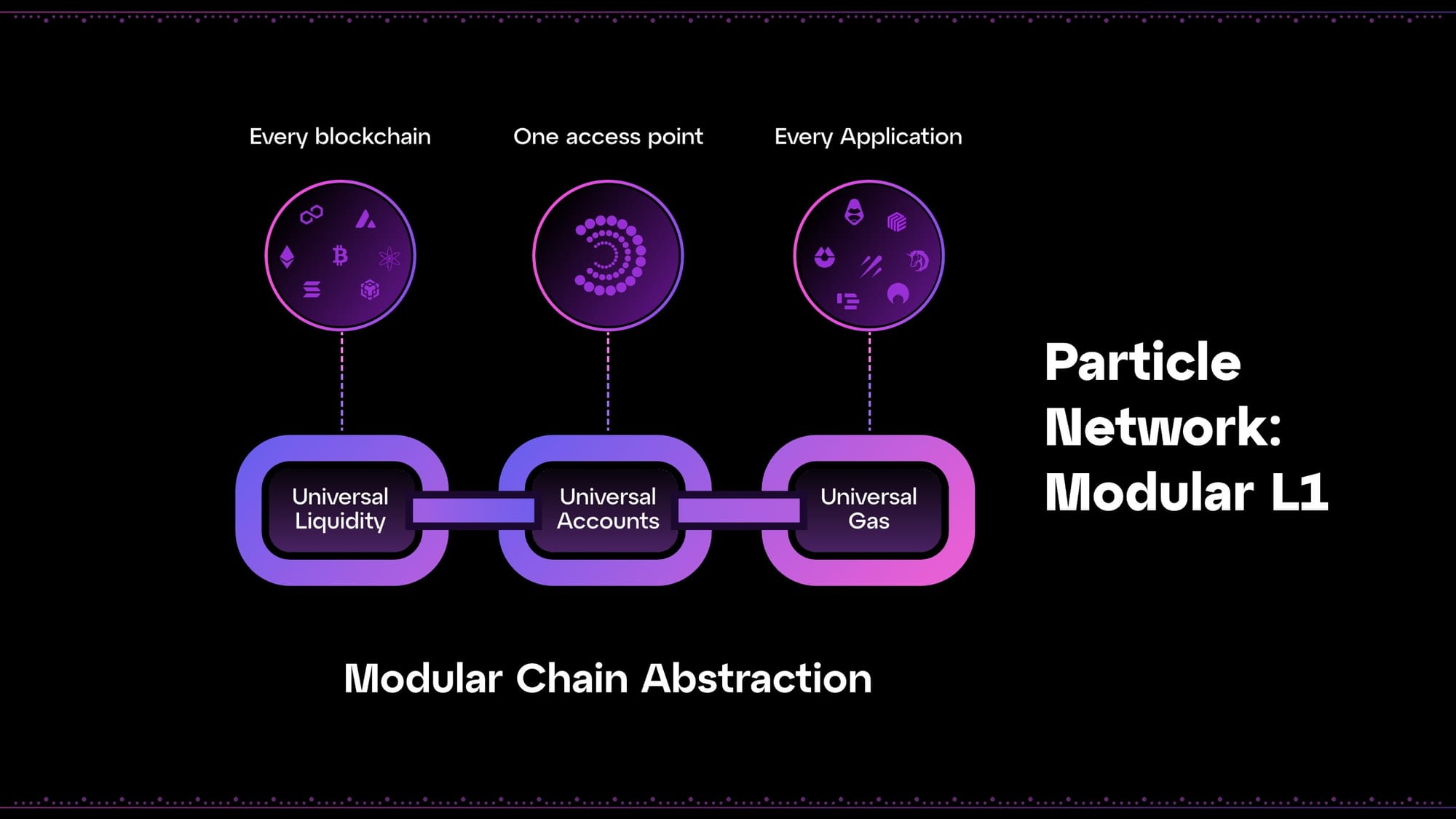
Narrow Down the Problem
Chain abstraction in 2026 is not a single product but a set of protocols that often leak their complexity back to the user. Before you configure ERC-7683 intents or ZK-rollup bridges, identify which specific friction point is breaking your workflow. The "modular mess" still exists, but it manifests in predictable ways.
The Gas Anxiety Loop
You keep your wallet funded with native tokens across five different networks. You switch chains manually before every trade, paying separate fees each time. This is the classic "multi-chain wallet" problem, where liquidity is fragmented and gas management is manual.
The Intent Black Box
You submit an intent through an aggregator, but the transaction reverts or fails silently. You don’t know if the solver failed, the bridge stalled, or the smart contract reverted. This is the "opaque execution" problem, where you lose visibility into the trade’s lifecycle.
The Bridge Latency Trap
You need to move assets between Layer 2s instantly, but the bridge takes hours or requires a multi-step process. This is the "cross-chain settlement" problem, where finality is slow and capital is locked in limbo.
The Privacy Leak
You trade on a public L2, but your on-chain history is fully visible and linked to your identity. You want to trade without exposing your portfolio to the public ledger. This is the "data transparency" problem, where privacy is sacrificed for accessibility.
Run these checks
Use this section to make the The Reality of Chain Abstraction decision easier to compare in real life, not just on paper. Start with the reader's actual constraint, then separate must-have requirements from details that are merely nice to have. A practical choice should survive normal use, maintenance, timing, and budget. If a recommendation only works in an ideal situation, call that out plainly and give the reader a fallback path.
-
Verify the basicsConfirm the core specs, condition, and fit before comparing extras.
-
Price the downsideLook for the repair, maintenance, or replacement cost that would change the decision.
-
Compare alternativesCheck at least two comparable options before treating one listing as the benchmark.
What Usually Fixes It
The "leaky abstraction" problem in 2026 stems from forcing users to manage cross-chain liquidity manually. The fix isn't a single protocol; it's choosing the right architecture for your specific trading volume and risk tolerance. Current solutions fall into two distinct camps: intent-centric settlement and account abstraction with liquidity aggregators.
Intent-Centric Settlement (ERC-7683)
Intent-centric designs shift the burden from the user to a solver network. Instead of signing complex multi-step transactions, users sign a single "intent"—a statement of what they want to achieve. Solvers compete to fulfill this intent, handling the cross-chain bridging and gas fees in the background.
This approach fixes the gasless trading issue by allowing solvers to subsidize fees in exchange for MEV or spread. It works best for high-value trades where the solver can efficiently route liquidity across multiple chains. However, it introduces counterparty risk: you are trusting an off-chain solver to execute your order correctly. If the solver is malicious or buggy, your funds may be stuck or lost.
Account Abstraction with Aggregators
Account abstraction (ERC-4337) fixes usability by replacing the traditional EOA (Externally Owned Account) with a smart contract wallet. These wallets can sponsor gas fees, batch transactions, and enforce social recovery. When paired with cross-chain liquidity aggregators, they automatically find the cheapest route for your trade without you selecting the chain.
This method is more transparent than intent-centric models because the execution logic is on-chain. You can verify exactly how your trade is being routed. It is ideal for smaller, frequent transactions where transparency matters more than the marginal efficiency gains of solver competition. The tradeoff is higher complexity in wallet setup and potential smart contract risks inherent in the aggregator's code.
Choosing the Right Fix
| Feature | Intent-Centric (ERC-7683) | Account Abstraction (ERC-4337) |
|---|---|---|
| Gas Experience | Fully gasless for user | Gasless via sponsorship |
| Execution | Off-chain solver competition | On-chain smart contract |
| Best For | High-value, complex swaps | Frequent, smaller transactions |
| Risk Profile | Solver counterparty risk | Smart contract vulnerability |
If you are trading large volumes, intent-centric settlement offers better pricing and true gasless execution. If you prioritize transparency and control over your transaction history, account abstraction with a reputable aggregator is the safer, more auditable choice.
Chain abstraction 2026: what to check next
Chain abstraction aims to unify fragmented blockchain networks into a single interface, allowing users to interact with dApps without managing multiple wallets or tokens. While the technology promises to end manual bridging, 2026 represents an "awkward phase" where abstractions exist but often leak underlying complexity. Understanding these tradeoffs is essential before committing capital.
No comments yet. Be the first to share your thoughts!