
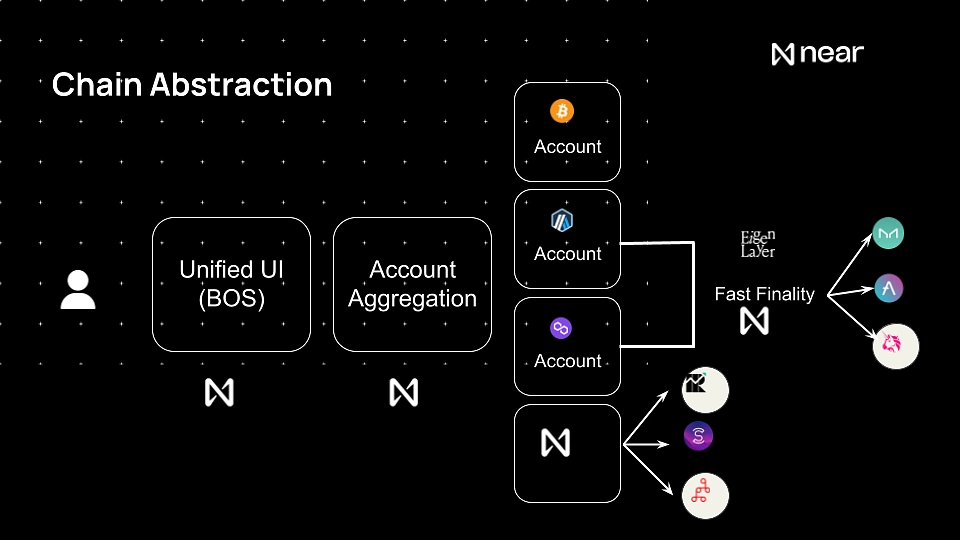
Chain abstraction 2026 limits to account for
Chain abstraction is the design goal of making users interact with blockchain applications without ever picking, seeing, or thinking about the underlying network. It is a user experience framework that unifies fragmented blockchain networks into a single interface. For institutional adopters in 2026, this means the primary constraint is no longer technical interoperability but operational trust and compliance.
The promise is simple: a unified interface where asset movement happens transparently. However, the reality involves complex backend routing. Institutions must verify that the abstraction layer does not obscure settlement finality or regulatory reporting requirements. The "seamless" experience often hides multi-hop transactions, gas sponsorship models, and liquidity sourcing mechanisms that affect audit trails.
Institutional adoption hinges on whether these abstraction layers provide the necessary transparency for compliance. Without clear visibility into the underlying chain mechanics, financial institutions risk regulatory friction. The constraint is not whether the technology works, but whether it can be audited, insured, and integrated into existing risk management frameworks without introducing opaque dependencies.
Chain abstraction 2026 choices that change the plan
The promise of chain abstraction is a unified interface where users never see a wallet address or gas token. In 2026, the reality is a spectrum of reliability rather than a single perfect solution. Institutions and serious retail users must evaluate three distinct approaches based on where the abstraction layer sits in the stack: the account abstraction (AA) layer, the intent-centric layer, and the protocol-level bridge abstraction.
Each model offers different tradeoffs in speed, cost, and security. The choice depends on whether you prioritize instant finality, minimal transaction fees, or institutional-grade custody. Below is a direct comparison of the primary architectures currently shaping the market.
The Account Abstraction (AA) approach, often seen in wallets like Safe or modern smart contract wallets, hides the complexity of gas and signatures. Users pay in stablecoins or have gas subsidized by paymasters. The tradeoff is that the abstraction "leaks" when a transaction fails or requires complex multi-sig approvals, which can confuse non-technical users. This model is ideal for high-frequency retail interactions where speed and familiarity with web2 UX are paramount.
Intent-centric systems, popularized by platforms like Chainlink CCIP or specialized solvers, allow users to state what they want (e.g., "swap ETH for USDC on Arbitrum") without specifying how. The tradeoff here is latency. Because the execution is often off-chain or relies on decentralized solvers, finality is not instant. However, this model offers superior composability for high-value trades, as solvers can aggregate liquidity across multiple chains before settling. This is the preferred model for institutional desks managing large block sizes.
Bridge abstraction attempts to hide the underlying bridging mechanism by providing a single pool of liquidity on the destination chain. While this feels seamless to the user, it often incurs the highest costs due to bridge fees and slippage. The security model remains dependent on the underlying bridge’s trust assumptions. For 2026, this approach is becoming less favored for institutional adoption due to the residual security risks associated with cross-chain messaging protocols.
When deciding which abstraction to support or use, look at your primary constraint. If you need web2-like speed for retail payments, AA is the winner. If you are moving significant capital and can tolerate slight delays for better pricing, intent-centric systems offer the best risk-adjusted return. Bridge abstractions remain viable only for niche use cases where liquidity fragmentation is the primary blocker.
Choose the next step
The Chain Abstraction Landscape works best as a clear sequence: define the constraint, compare the realistic options, test the tradeoff, and choose the path with the fewest hidden costs. That order keeps the advice usable instead of decorative. After each step, pause long enough to check whether the recommendation still fits the reader's actual situation. If it depends on perfect timing, unusual access, or a best-case budget, include a simpler fallback.
-
Verify the sourceUse this as a welfare screen: confirm the breeder, rescue, store, or private seller can explain care history and answer basic husbandry questions.
-
Check health signsLook for clear eyes, alert behavior, healthy weight, clean vent area, and no obvious swelling, wounds, or stuck shed.
-
Prepare the enclosureHave heat, UVB, substrate, hides, food, and temperature checks ready before pickup or shipping day.
-
Plan transportConfirm pickup timing, shipping weather, packaging, and the first-week settling plan before paying.
Spotting Weak Chain Abstraction Claims
Chain abstraction promises a unified blockchain experience, but many projects overstate their capabilities or hide critical trade-offs. Before integrating, institutions must distinguish between true abstraction and superficial wrappers that merely shift complexity elsewhere.
The "Single Interface" Trap
Some solutions market themselves as universal gateways, yet they rely on centralized relayers or opaque routing layers. This creates a single point of failure and often introduces hidden latency. Verify whether the infrastructure is truly decentralized or if it merely abstracts away the need for users to manage keys, not the underlying chain risks.
Hidden Gas and Routing Fees
Abstraction often shifts gas payment from the native token to a stablecoin or sponsor model. While this improves UX, it can obscure true transaction costs. Compare the effective cost per transaction across chains, including slippage and routing fees, rather than just the quoted gas price. A lower gas fee on a congested chain may result in slower settlement times.
Limited Chain Support
Many abstraction layers only support a handful of major EVM chains, ignoring high-performance L2s or non-EVM ecosystems like Solana. This limits liquidity access and forces users back into multi-wallet workflows for specific assets. Ensure the solution supports the full range of chains your strategy requires.
Decision Framework
Prioritize solutions with transparent routing logic, decentralized relayer networks, and broad chain compatibility. Test with small transactions to measure actual settlement times and costs before scaling. Avoid platforms that obscure their infrastructure or limit support to avoid deeper due diligence.
Chain abstraction 2026: what to check next
Chain abstraction aims to hide the complexity of multiple blockchains so users interact with a single interface. While the technology promises seamless cross-chain experiences, 2026 represents an awkward transition phase. Abstractions exist but often "leak," meaning users may still encounter bridge warnings or unexpected network switches.
Is chain abstraction truly seamless today?
Not entirely. Current implementations are improving, but the user experience is not yet invisible. You might still see notifications about underlying networks or gas fee changes. The goal is to make the backend modular while keeping the frontend simple, but in 2026, you should expect some friction during complex transactions.
Will chain abstraction replace bridges?
Abstraction reduces the need for manual bridging by handling asset movement in the background. However, it does not eliminate the underlying need for liquidity routing. Think of it as a unified checkout rather than a disappearance of the supply chain. You are still moving value, but the interface handles the logistics automatically.
Is it safe for institutional use?
Institutions are cautious. While abstraction improves UX, it introduces new attack surfaces in the routing layer. Security audits must now cover the abstraction protocol, not just the smart contract. Many firms are piloting these systems for non-critical workflows before committing significant capital to cross-chain operations.
How does it affect transaction costs?
Abstraction can lower costs by aggregating liquidity from multiple chains, reducing slippage. However, you may pay a small abstraction fee on top of gas. The trade-off is convenience versus transparency. For high-frequency trading, direct chain interaction might still be cheaper, but for general use, abstraction offers better overall efficiency.
No comments yet. Be the first to share your thoughts!