
Get chain abstraction right
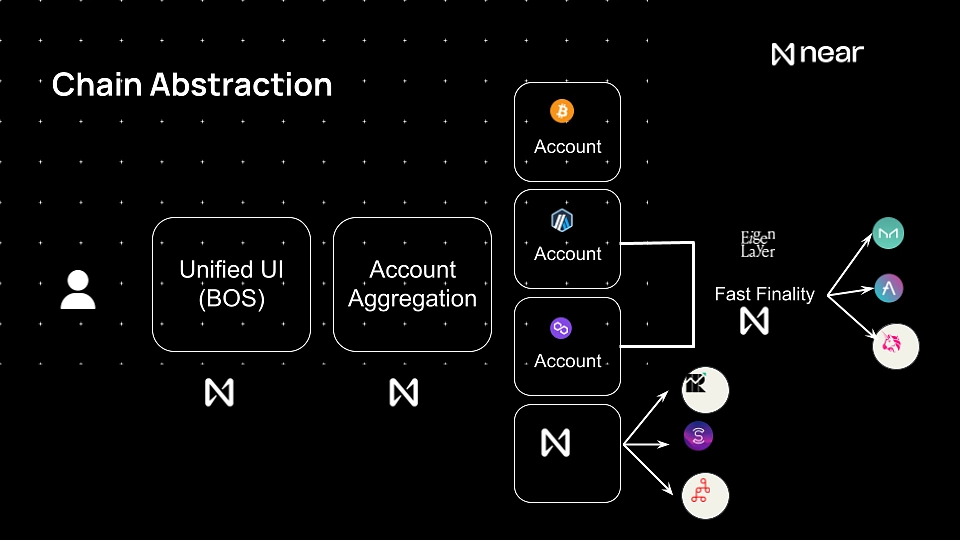
Chain abstraction removes the friction of managing multiple blockchains, allowing developers to build seamless cross-chain experiences without exposing underlying infrastructure complexity [1]. Before implementing these solutions, you must address three prerequisites that often trip up developers and users alike.
1. Define the user’s primary action
Identify the single most important task the user wants to complete, such as trading art or sending payments. The abstraction layer should handle all blockchain complexity behind the scenes [2]. If the user experience requires them to switch networks or bridge assets manually, the abstraction has failed.
2. Select a compatible interoperability protocol
Not all cross-chain solutions work the same way. Evaluate whether an intent-based architecture or a message-passing protocol better fits your application’s latency and security requirements. Ensure the protocol supports the specific chains you intend to include, as compatibility gaps create silent failures.
3. Implement robust error handling
Cross-chain transactions introduce new failure points, including liquidity shortages or network congestion. Design your interface to clearly communicate these states to the user without exposing raw technical errors. A failed transaction should result in a clear refund path or status update, not a broken UI state.
Work through the steps
The approach to Chain Abstraction works best as a clear sequence: define the constraint, compare the realistic options, test the tradeoff, and choose the path with the fewest hidden costs. That order keeps the advice usable instead of decorative. After each step, pause long enough to check whether the recommendation still fits the reader's actual situation. If it depends on perfect timing, unusual access, or a best-case budget, include a simpler fallback.
Common Chain Abstraction Mistakes
Building a chain-abstracted experience often fails because developers treat it as a simple wallet wrapper rather than a complex routing layer. The goal of chain abstraction is to remove UX frictions like bridging and gas payments, but the implementation requires careful handling of liquidity, security, and state synchronization. When these elements are mishandled, the user experience degrades into the very complexity chain abstraction was meant to solve.
Ignoring Liquidity Fragmentation
A primary error is assuming liquidity is universal across all supported chains. Developers often design interfaces that allow users to swap assets on any chain, but if the underlying liquidity pools are thin on the target chain, slippage becomes excessive. This leads to failed transactions or users receiving significantly less value than expected.
To fix this, integrate intelligent routing algorithms that check real-time liquidity depth across all supported chains before presenting options to the user. If liquidity is insufficient on the target chain, the system should either route through a high-liquidity hub chain or clearly warn the user about potential slippage. Never hide these costs; transparency builds trust in the abstraction layer.
Overlooking Cross-Chain Security Models
Another critical mistake is treating all cross-chain bridges with equal security assumptions. Some bridges rely on centralized multi-sig wallets, while others use decentralized validator sets or zero-knowledge proofs. Developers frequently fail to audit the specific security model of each bridge they integrate, exposing users to potential exploits.
Always prioritize bridges with decentralized security models or those backed by well-audited protocols. Provide users with clear information about the security level of the bridge being used for their transaction. If a bridge has a known history of exploits or uses a weak security model, exclude it from the default routing options or flag it as high-risk.
Neglecting Gas Fee Abstraction
Users should not have to manage native tokens for gas on every chain they interact with. A common mistake is implementing partial gas abstraction, where the user still needs to hold a small amount of the native token for the final transaction step. This creates friction and confusion, especially for new users who are not familiar with multi-chain token management.
Implement full gas abstraction by sponsoring gas fees on the backend or using meta-transactions that allow users to pay gas in stablecoins or the primary asset of the dApp. This ensures the user experience remains seamless, aligning with the core promise of chain abstraction: simplifying the interface so users can focus on the application itself.
Chain abstraction: what to check next
Chain abstraction aims to remove the friction of managing multiple blockchains, allowing developers to build seamless cross-chain experiences without exposing underlying infrastructure complexity NEAR Docs. This guide answers practical questions about how these systems work in practice.
No comments yet. Be the first to share your thoughts!