
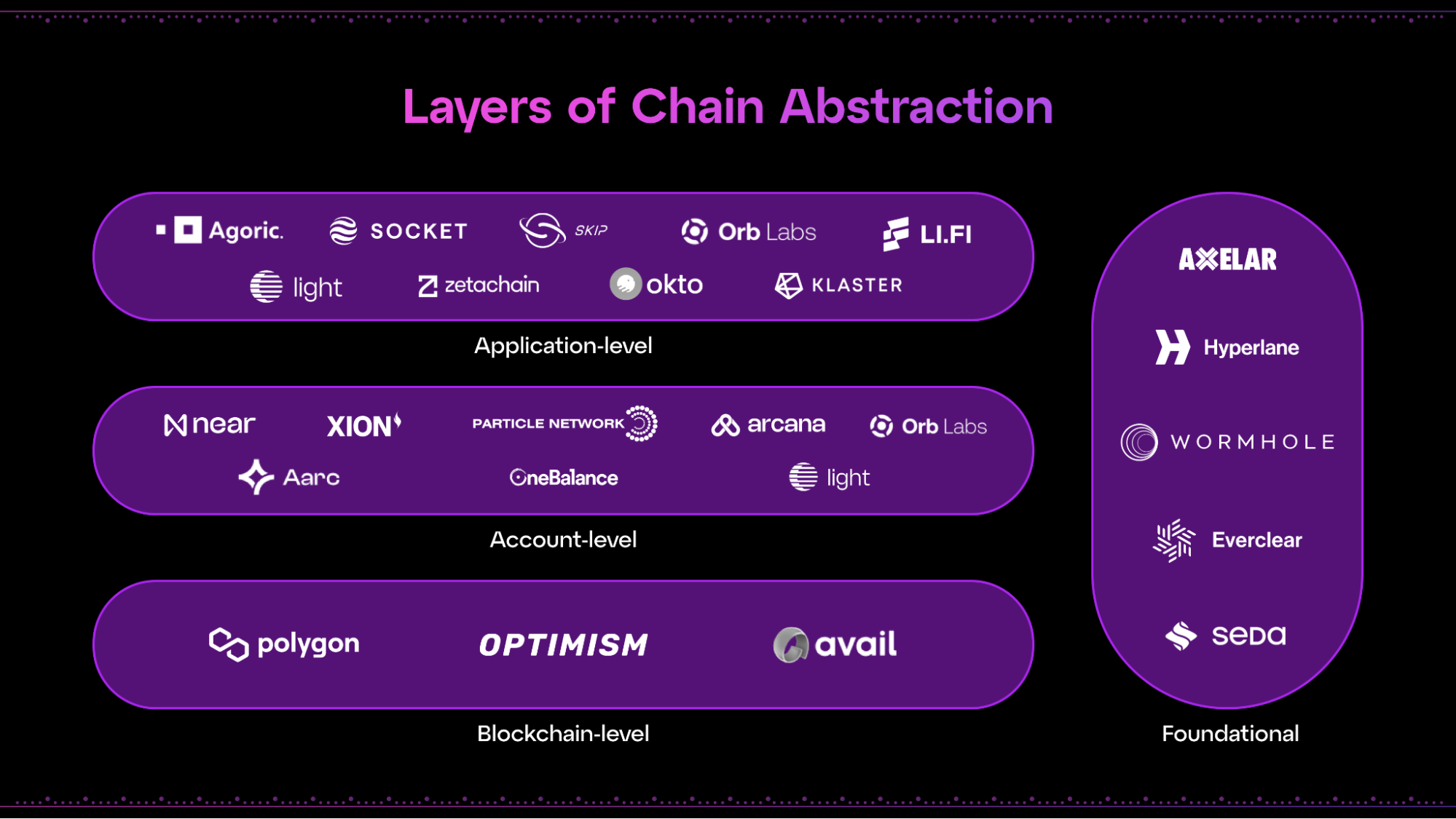
Chain Abstraction Budget
Chain abstraction aims to remove the UX friction of managing multiple blockchains, distancing end users from the underlying complexity. The goal is simple: you browse and trade art or tokens without worrying about which chain holds the assets. However, this convenience comes with specific tradeoffs in cost, speed, and security that every investor needs to understand.
The primary budget consideration is the "intent" layer. Instead of executing complex bridge transactions manually, you submit an intent (e.g., "I want 10 USDC on Ethereum") and a solver finds the cheapest path. This often costs less in gas than manual bridging, but you pay a solver fee. For high-frequency traders, these micro-fees add up. For casual users, the savings in time and avoided failed transactions are worth the premium.
Another hidden cost is liquidity fragmentation. While abstraction promises unified liquidity, in practice, solvers must aggregate from multiple chains. If a specific asset pair is thin on the target chain, the solver might route through a less efficient path, resulting in higher slippage. Always check the estimated execution price before confirming the intent. The abstraction layer handles the routing, but it cannot create liquidity where none exists.
Security is the final budget item. By relying on solvers and cross-chain bridges, you introduce new points of failure. Unlike native bridges that you can verify on-chain, solver networks often operate off-chain or with minimal transparency. Ensure the abstraction protocol you use has undergone independent security audits. The convenience of not managing private keys across chains is only valuable if the funds remain safe during the abstraction process.
Compare the strongest chain abstraction options
Chain abstraction aims to remove the friction of managing multiple blockchains, letting users focus on the core experience rather than bridging assets or switching networks. However, not all implementations are equal. Some prioritize seamless user interfaces, while others focus on backend interoperability or intent-centric execution.
To choose the right infrastructure, you need to compare how each option handles liquidity, security, and user experience. The table below breaks down the key differences between the leading approaches currently reshaping multi-chain investing.
| Approach | Primary Focus | User Experience | Key Tradeoff |
|---|---|---|---|
| Intent-Centric | User Intent Execution | Natural language or high-level goals | Relies on solvers; potential latency |
| Unified Liquidity | Cross-Chain Asset Pools | Seamless asset movement | Complex bridging logic; security risk |
| Account Abstraction | Single Account Management | Simplified wallet interactions | Limited to specific ecosystem chains |
| Native Interoperability | Protocol-Level Communication | Dependent on dApp design | Fragmented developer experience |
Intent-Centric Solutions
These platforms allow users to state what they want to achieve (e.g., "swap ETH for USDC on Arbitrum") without specifying the technical steps. Solvers then find the most efficient path across chains. This approach hides complexity but introduces reliance on third-party solvers for execution.
Unified Liquidity Models
By pooling liquidity across multiple networks, these solutions enable instant asset transfers without manual bridging. The user experience is smooth, but the underlying infrastructure must manage significant security risks associated with cross-chain bridges and wrapped assets.
Account Abstraction (AA)
AA simplifies wallet interactions by allowing features like social recovery and batched transactions. While it improves UX on a single chain, it does not fully solve the multi-chain fragmentation problem unless combined with other abstraction layers.
Native Interoperability
This approach relies on protocols communicating directly at the network level. It offers the most robust security but often results in a fragmented user experience, as developers must still handle complex cross-chain logic within their applications.
Inspect the expensive parts
Use this section to make the The Chain Abstraction Roadmap decision easier to compare in real life, not just on paper. Start with the reader's actual constraint, then separate must-have requirements from details that are merely nice to have. A practical choice should survive normal use, maintenance, timing, and budget. If a recommendation only works in an ideal situation, call that out plainly and give the reader a fallback path.
-
Verify the basicsConfirm the core specs, condition, and fit before comparing extras.
-
Price the downsideLook for the repair, maintenance, or replacement cost that would change the decision.
-
Compare alternativesCheck at least two comparable options before treating one listing as the benchmark.
Plan for ownership costs
A low purchase price on a multi-chain wallet or hardware device often masks the ongoing costs of keeping your assets accessible. Chain abstraction promises to remove the friction of managing multiple blockchains, but the "abstraction" layer itself requires maintenance. When you buy a device that claims to handle Ethereum, Solana, and Bitcoin in one interface, you are buying a gateway. If the vendor stops updating that gateway for a specific chain, your funds aren't lost, but they become locked behind a technical wall.
The biggest surprise for new users is the cost of "intent" verification. Intent-centric UX allows you to say "send me USDC" without manually bridging tokens. However, the relayers or bundlers who execute these intents charge fees that can fluctuate wildly during network congestion. A transaction that costs $1 in gas might require a $5 relayer fee if the network is busy. This isn't a bug; it's the market price for convenience. If you ignore these variable costs, your total cost of ownership (TCO) can exceed the price of a self-custody alternative within a year.
To avoid these traps, check the vendor's update policy before buying. Do they publish a changelog for supported chains? Do they disclose relayer fee structures? If the answer is vague, assume the "cheap" device will become expensive to use. Prioritize tools that offer transparent fee estimates and clear roadmaps for multi-chain support. The goal is to buy once, not to pay for convenience repeatedly.
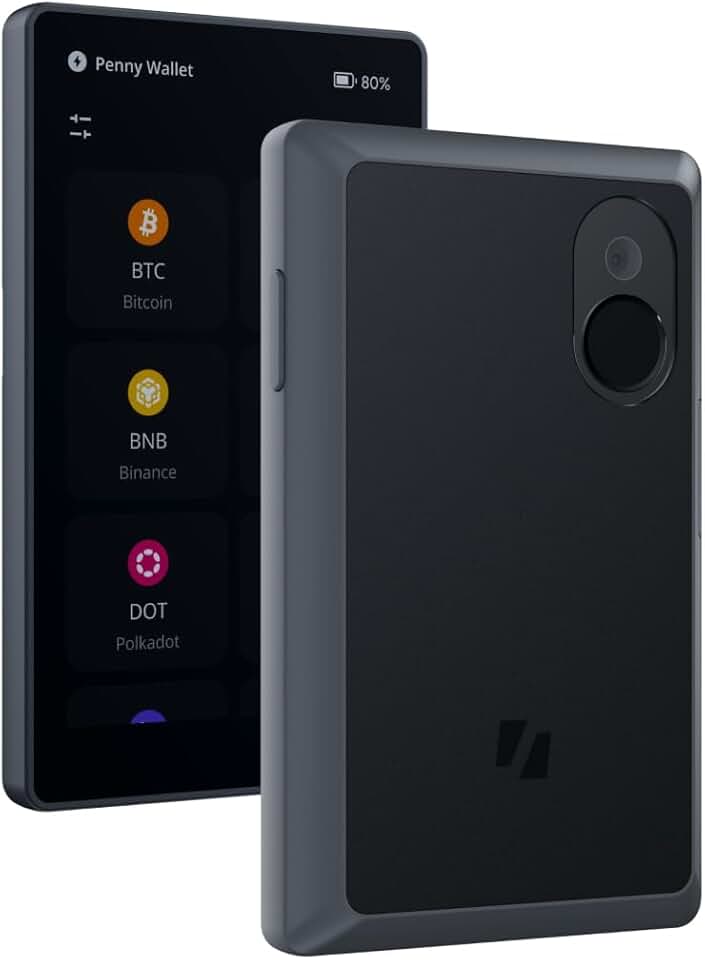

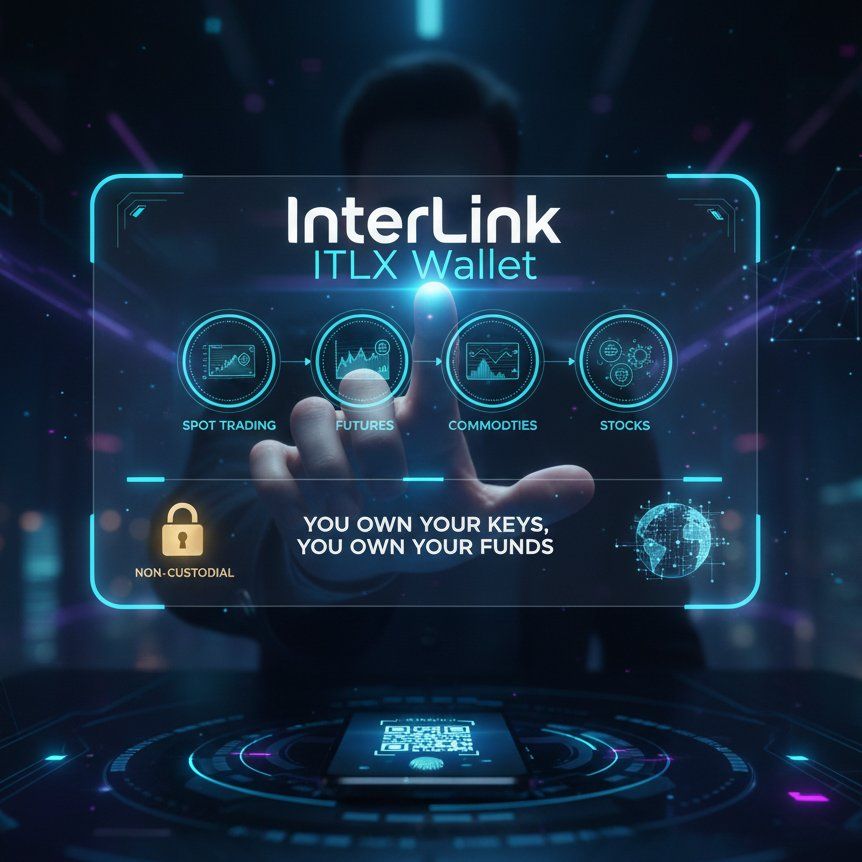
As an Amazon Associate, we may earn from qualifying purchases.
Chain abstraction: what to check next
Chain abstraction aims to hide the complexity of multi-chain infrastructure, but it introduces new trade-offs around security and transparency. Before committing to abstracted wallets or intent-based protocols, it helps to understand the technical distinctions and current limitations.
No comments yet. Be the first to share your thoughts!