
What is chain abstraction in 2026?
Chain abstraction is the design goal of making users interact with blockchain applications without ever picking, seeing, or thinking about which chain they are on. In 2026, this means the wallet handles the routing, the bridging, and the gas fees in the background, presenting a single, unified experience to the end user. The technology exists, but the implementation is still maturing.
The current landscape is defined by a tension between promise and reality. While the abstraction layer successfully hides the complexity of cross-chain transfers, it often leaks through during high-volume periods or when dealing with niche assets. Users may not see the bridge, but they still experience the latency and the potential for failed transactions if the underlying liquidity pools are thin.
This "awkward phase," as some developers describe it, is characterized by fragmented liquidity. The abstraction layer works best when there is deep liquidity on the destination chain. If that liquidity is shallow, the abstraction simply delays the inevitable slippage and higher costs, rather than eliminating them entirely. The user gets a smoother interface, but the underlying economics remain complex.
The primary benefit in 2026 is accessibility. For the average user, the ability to send stablecoins from any chain to any other chain without managing multiple wallets or gas tokens is a significant upgrade. However, for power users and arbitrageurs, the "leaky" nature of current abstractions means they still need to understand the underlying mechanics to avoid costly errors. The abstraction is a shield, but it is not yet a force field.
The decision to adopt chain abstraction depends on your use case. If you are a casual user moving funds between major chains like Ethereum and Solana, the abstraction layer provides a seamless, reliable experience. If you are a developer building a high-frequency trading application, you may still need direct, non-abtracted access to ensure deterministic latency and cost.
The tradeoffs of chain abstraction in 2026
Chain abstraction promises a world where users never see a wallet, a network name, or a gas fee. In practice, 2026 is the "awkward phase" where these abstractions exist but frequently leak. While the user experience is smoother, the underlying infrastructure is still stitching together disjointed networks. This tradeoff means you get convenience at the cost of some transparency and control.
The primary benefit is simplicity. You send a transaction, and the system handles the routing, bridging, and gas payment behind the scenes. This is the design goal described by Eco: making users interact with applications without thinking about which chain they are on. However, this simplicity comes with specific tradeoffs that vary by use case.
Speed vs. Cost
Abstraction layers add a step. The protocol must verify intents and route them across chains, which can introduce latency compared to native transactions. For high-frequency trading or time-sensitive arbitrage, this delay matters. For casual DeFi usage or long-term holding, the extra second or two is negligible. You are trading millisecond-level speed for the ability to operate across multiple ecosystems without manual bridging.
Control vs. Convenience
When you use a native chain, you control your keys and understand exactly where your assets are. Abstraction layers often use smart account logic or centralized relayers to manage these interactions. This reduces the cognitive load—you don’t need to hold native gas tokens on every chain—but it introduces counterparty risk. If the abstraction provider goes down or gets compromised, your ability to move funds might be restricted. You are trading sovereignty for ease of use.
Transparency vs. Opacity
On a native chain, you can see every step of the transaction. With abstraction, the "intent" is submitted, and the result is delivered. The intermediate steps—swaps, bridges, cross-chain transfers—are hidden. This makes debugging difficult if something goes wrong. You might not know if a failure was due to network congestion, a smart contract error, or a relayer issue. This opacity is the price of the seamless experience.
| Factor | Native Chains | Abstraction Layers |
|---|---|---|
| User Experience | High friction (wallets, gas, bridging) | Low friction (single action, no gas management) |
| Transaction Speed | Fast (direct execution) | Slower (intent verification + routing) |
| Cost Predictability | High (gas fees are visible) | Variable (abstraction fees + gas) |
| Control | Full (direct key management) | Partial (reliance on relayers/protocols) |
| Debugging | Easy (transparent steps) | Hard (hidden intermediate steps) |
| Security Model | Decentralized trust | Hybrid (smart contracts + relayer trust) |
When to Choose Which
For high-value, low-frequency transactions, native chains are often safer. The transparency allows you to verify every step, and the lower counterparty risk is worth the friction. You know exactly where your assets are and how they moved.
For high-frequency, low-value interactions, abstraction shines. The convenience of not managing multiple wallets and gas tokens outweighs the slight latency. If you are making small, frequent trades or using a dApp daily, the abstraction layer removes the biggest barrier to entry.
The market is still deciding which model wins.
shows the volatility of the underlying assets, but the abstraction layer’s success depends on solving the "leak" problem. Until then, the choice depends on your tolerance for complexity versus risk.Choosing the Right Chain Abstraction Approach
Chain abstraction in 2026 is no longer theoretical, but the current landscape is fragmented. As noted by industry observers, we are in an "awkward phase" where abstractions exist but still leak. For builders and users, this means you cannot rely on a single universal solution. Instead, you must select an abstraction layer that aligns with your specific liquidity and UX requirements.
The dominant UX pattern is expected to solidify by 2028, but today’s decision rests on three practical tradeoffs: account abstraction for simplicity, intent-centric models for efficiency, and cross-chain bridges for flexibility. Below is a framework to help you navigate these options based on your current needs.
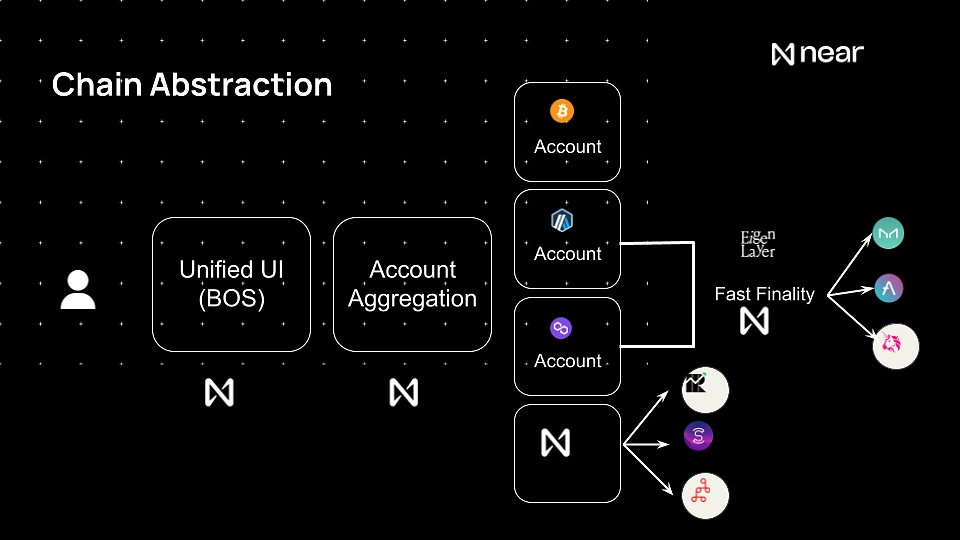
If your primary goal is reducing friction for new users, account abstraction (AA) is the most mature path. It allows for sponsored transactions and social recovery, effectively hiding the complexity of private keys and gas fees. This approach is ideal for consumer-facing applications where the user should never see which chain they are on.

For trading and DeFi interactions, intent-centric architectures offer better execution. Instead of manually signing every transaction, users submit intents (desires) that solvers compete to fulfill. This reduces gas costs and improves slippage protection, making it the preferred choice for high-frequency traders who need speed without the operational overhead of multi-chain management.
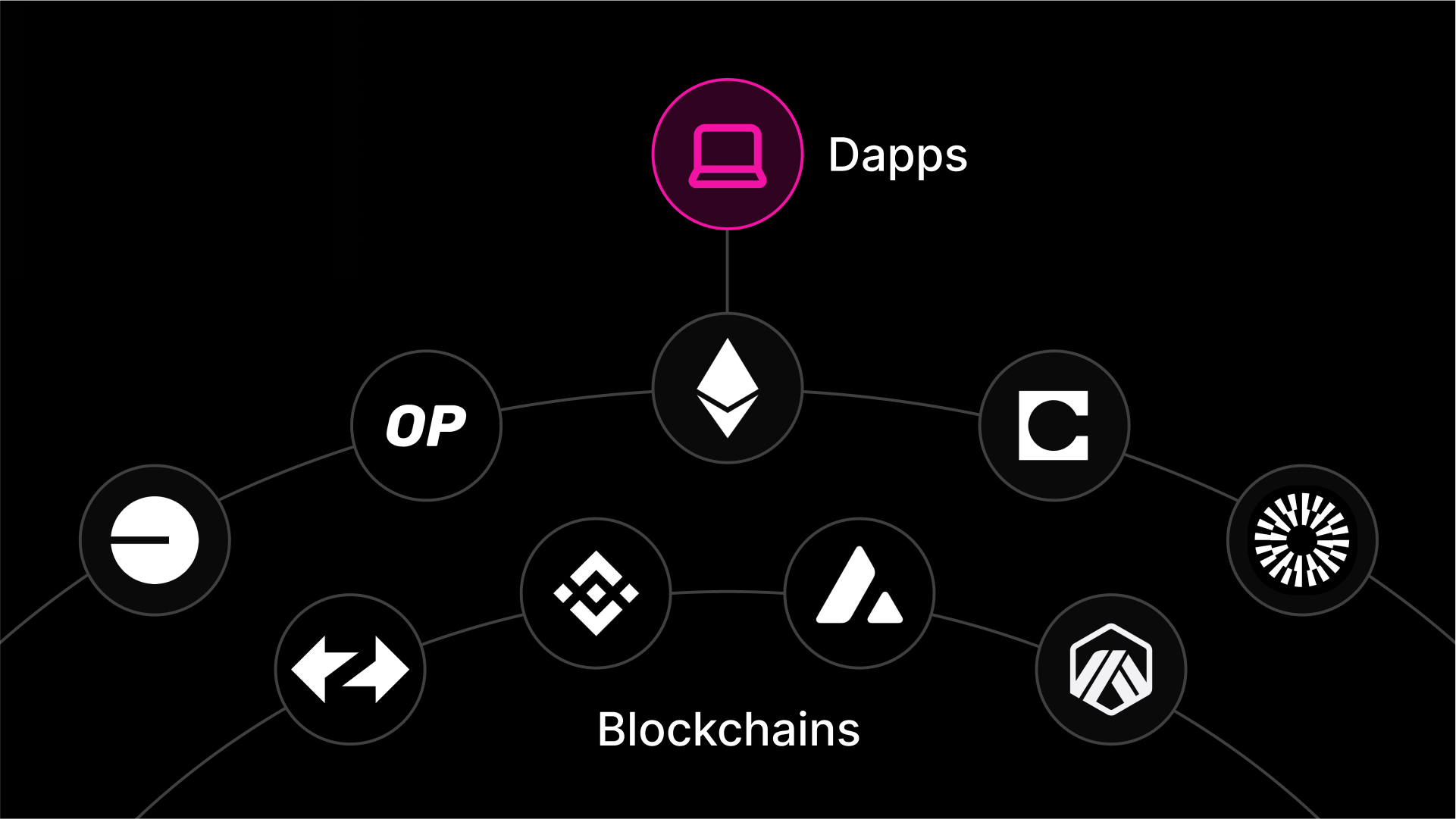
When specific liquidity is only available on niche chains, cross-chain bridges and relayers become necessary. While less seamless than AA, these tools allow you to move assets between disconnected networks. Use this approach only when the target chain’s liquidity cannot be accessed through aggregated liquidity pools or wrapped assets.
| Feature | Account Abstraction | Intent-Centric | Cross-Chain Bridge |
|---|---|---|---|
| User Experience | Seamless (no gas/chain selection) | Moderate (submit intent, wait for fill) | Fragmented (manual bridging required) |
| Best For | Consumer apps & onboarding | Trading & DeFi execution | Accessing niche liquidity |
| Complexity | Low (for end user) | Medium (solver dependency) | High (trust & timing risks) |
The right choice depends on your priority. If you want to hide the modular mess from users entirely, start with account abstraction. If you need better trade execution, look to intent-centric models. For accessing isolated liquidity, cross-chain tools remain the only option, despite their friction.
Identifying Weak Chain Abstraction Claims
The promise of chain abstraction is simple: users shouldn't need to know which blockchain they're on. In 2026, however, many projects still leak the underlying complexity. You will see "cross-chain" swaps that require manual bridging, hidden gas fees, or chain-specific wallet switches. These are not true abstractions; they are repackaged fragmentation.
When evaluating a unified liquidity protocol, look for these weak options. If the interface forces you to select a source chain and a destination chain manually, the abstraction is superficial. True chain abstraction handles routing invisibly. It treats liquidity as a single pool, regardless of where the assets originated.
| Feature | Weak Abstraction | Strong Abstraction |
|---|---|---|
| User Input | Select source/destination chain | Single asset input |
| Gas Payment | User pays native gas on both ends | Gasless or abstracted gas |
| Liquidity | Pooled per chain | Unified across chains |
The tradeoff is rarely worth the convenience of a "hybrid" solution. If a project claims to unify liquidity but still exposes chain selection in the UI, it is likely using a bridge aggregator under the hood. These tools add latency and counterparty risk without hiding the modular mess from users. Focus on protocols that hide the infrastructure, not just the labels.
Chain abstraction in 2026: practical: what to check next
Chain abstraction aims to hide the modular mess from users, allowing them to interact with applications without picking or seeing which blockchain they are on. While the technology is maturing, the current landscape involves intent-based architectures that orchestrate interactions across disjointed networks. Here are the most common practical objections and how they play out in 2026.
No comments yet. Be the first to share your thoughts!