
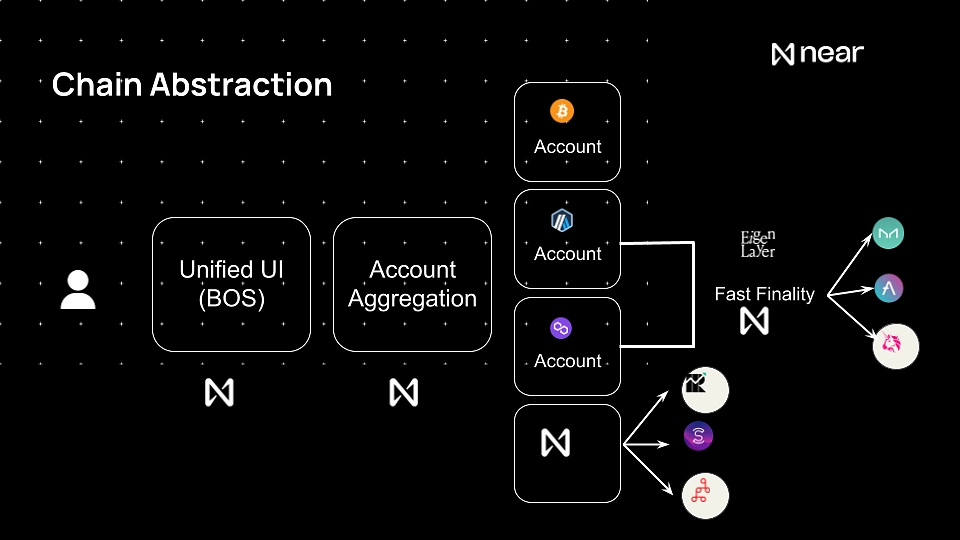
Chain abstraction limits to account for
Chain abstraction is a user experience framework that unifies fragmented blockchain networks into a single interface. Instead of forcing users to manage multiple wallets, bridges, and token approvals for every chain, abstraction layers handle the complexity in the background. This approach removes the friction that has historically limited crypto adoption, allowing users to interact with decentralized applications as if they were using a single, unified platform.
The primary challenge lies in maintaining security while simplifying the experience. Developers must balance seamless functionality with the decentralized nature of blockchain technology. Solutions like account abstraction and cross-chain messaging protocols aim to create this unified experience without compromising on safety or transparency. The goal is to make the underlying technology invisible to the end-user, focusing instead on the utility and value of the applications they use.
Chain abstraction choices that change the plan
Chain abstraction promises a unified user experience, but the architecture behind it introduces specific tradeoffs that developers and users must evaluate. The goal is to remove front-end friction, yet the backend complexity often shifts rather than disappears. Understanding these mechanics is essential for assessing whether a specific abstraction layer aligns with your risk tolerance and technical requirements.
Security and Custody Models
The most significant tradeoff involves trust assumptions. Many abstraction solutions rely on multi-signature wallets or smart contract wrappers to manage cross-chain transactions. This introduces a custodial element where the abstraction protocol holds significant control over user assets. If the protocol’s security model is compromised, user funds are at risk. Always verify whether the solution uses non-custodial architectures or relies on centralized validators.
Transaction Costs and Latency
Abstraction layers add computational steps to every transaction. Cross-chain messages require verification, which increases gas fees compared to native chain interactions. Additionally, finality times extend as the system waits for consensus across multiple networks. Users may experience slower confirmation times, particularly during high network congestion. Evaluate whether the convenience of a single interface justifies the higher costs and delayed settlement.
Liquidity Fragmentation
While abstraction aims to unify liquidity, it often aggregates it from disparate sources. This can lead to slippage if the underlying pools are thin. Some protocols may route transactions through inefficient paths to maintain the illusion of simplicity, resulting in worse exchange rates for users. Check how the abstraction layer sources liquidity and whether it prioritizes user experience over optimal execution prices.
| Tradeoff Factor | User Impact | Risk Level |
|---|---|---|
| Security Trust Assumptions | High | High |
| Transaction Fees | Medium | Low |
| Cross-Chain Latency | High | Medium |
| Liquidity Slippage | Medium | Medium |
Choose the next step
Chain Abstraction works best as a clear sequence: define the constraint, compare the realistic options, test the tradeoff, and choose the path with the fewest hidden costs. That order keeps the advice usable instead of decorative. After each step, pause long enough to check whether the recommendation still fits the reader's actual situation. If it depends on perfect timing, unusual access, or a best-case budget, include a simpler fallback.
Avoid the weak options
Use this section to make the Chain Abstraction decision easier to compare in real life, not just on paper. Start with the reader's actual constraint, then separate must-have requirements from details that are merely nice to have. A practical choice should survive normal use, maintenance, timing, and budget. If a recommendation only works in an ideal situation, call that out plainly and give the reader a fallback path.
The simplest way to use this section is to write down the must-have criteria first, then compare each option against those criteria before weighing nice-to-have features.
No comments yet. Be the first to share your thoughts!