
What chain abstraction 2026 means
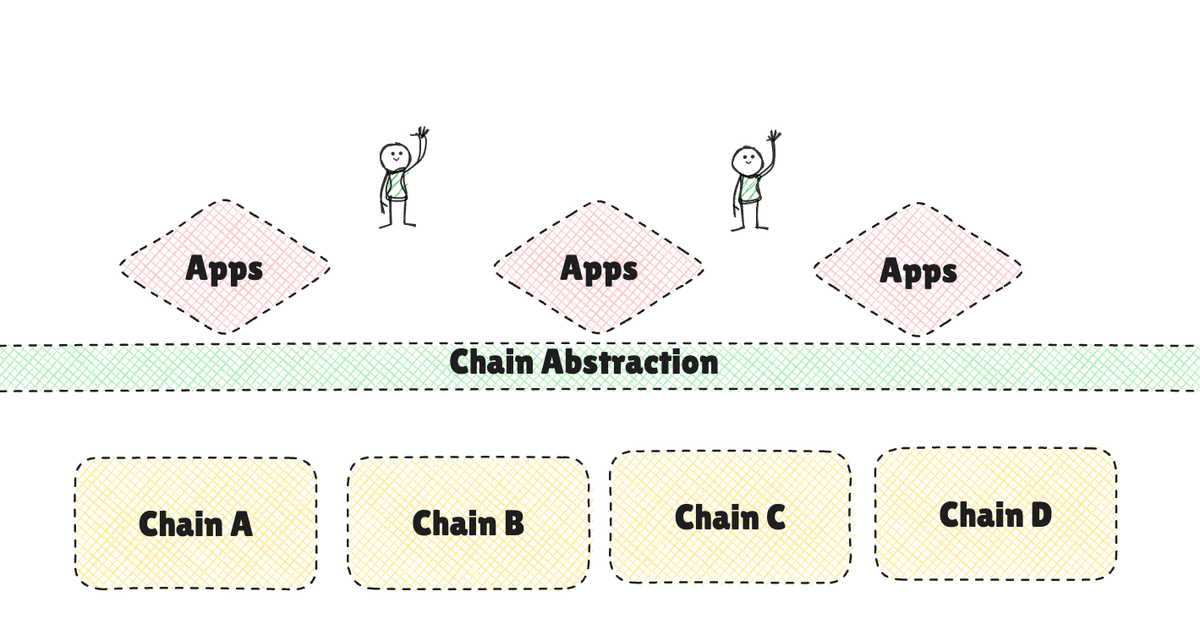
Chain abstraction is the design goal of making users interact with blockchain applications without ever picking, seeing, or thinking about which underlying network they are using [src-serp-1]. In 2026, this is no longer just a user experience concept; it is an intent-based architecture deployed to orchestrate seamless interactions across disjointed blockchain networks [src-serp-2]. The system translates a user's single request into the necessary cross-chain movements, gas payments, and smart contract calls behind the scenes.
This approach differs fundamentally from account abstraction. While account abstraction changes how wallets sign and pay for transactions, chain abstraction removes the need for users to manage multiple wallets, tokens, and bridges entirely. The complexity shifts from the user to the backend orchestrator, enabling seamless cross-chain interactions without manual bridging.
The result is a unified liquidity layer where the modular complexity of the underlying infrastructure is hidden. Users interact with a single interface, while the network handles the fragmentation of assets and protocols across different chains [src-serp-3]. This transition marks a move from fragmented, chain-specific experiences to a cohesive financial layer where liquidity is accessible regardless of its origin.
Unified liquidity replaces manual bridging
Chain abstraction 2026 shifts the burden of cross-chain movement from the user to the protocol. Instead of manually swapping tokens on a source chain, bridging them to a destination, and wrapping them again, users interact with a single unified liquidity pool. The protocol handles the routing, settlement, and asset conversion behind the scenes, presenting a seamless interface that hides the underlying complexity of multi-chain infrastructure.
This transition eliminates the friction of fragmented liquidity. In the traditional model, users must manage multiple wallets, track gas fees across different networks, and wait for bridge confirmations that can take hours. Unified liquidity pools aggregate assets from various chains, allowing intent-based routing to execute trades instantly. The user sees only the final result—a completed transaction on their preferred chain—without ever touching the bridging process.
| Feature | Traditional Bridging | Chain Abstraction |
|---|---|---|
| User Steps | 3-5 steps | 1 step |
| Liquidity Source | Fragmented pools | Unified pool |
| Execution Time | Minutes to hours | Seconds |
| Gas Management | Multiple chains | Single chain |
The shift from manual bridging to unified liquidity is not just a convenience upgrade; it is a structural change in how value moves across the blockchain ecosystem. By removing the need for users to understand or manage cross-chain mechanics, chain abstraction 2026 makes multi-chain applications as easy to use as their centralized counterparts. This simplification is critical for mainstream adoption, as it removes the technical barriers that have historically limited DeFi participation.
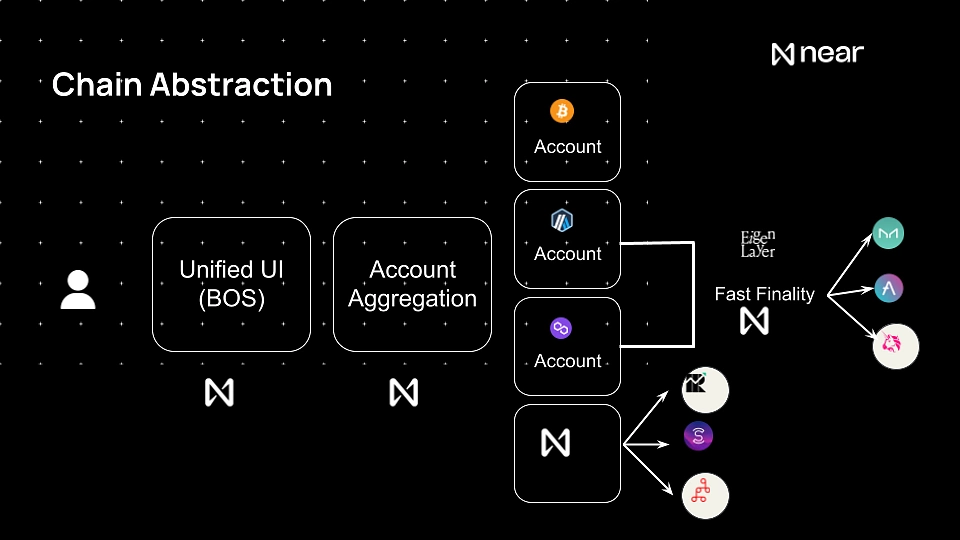
Intent-based cross-chain architecture
Chain abstraction 2026 replaces manual bridging with an intent-based architecture. Users express a desired outcome—such as moving assets from Ethereum to Solana—without specifying the execution path. Off-chain oracles and relayers then interpret this intent, finding the most efficient route across disjointed networks.
This mechanism shifts the complexity from the user to the backend infrastructure. Instead of managing multiple wallets and bridge contracts, the user submits a single request. The system handles the liquidity sourcing, gas payment, and settlement across the target chain. This approach mirrors how traditional financial systems settle trades behind the scenes, hiding the underlying rail complexity from the end user.
The technical benefit is significant for liquidity efficiency. By allowing relayers to optimize for the lowest slippage and fastest confirmation, the network avoids the fragmentation that plagued early bridging solutions. However, this trade-off introduces a new layer of trust in the relayer network. If the oracle or relayer fails to execute the intent correctly, the user has less direct control over the recovery process than in a native bridge transaction.
The market response to this infrastructure shift is visible in the performance of interoperability tokens. The chart above shows the price action of a major liquidity aggregator token, reflecting investor sentiment toward the underlying abstraction protocols. As the technology matures, the focus will likely shift from speculative trading to utility-driven demand, as the abstraction layer becomes invisible to the average user.
The Hidden Cost of Developer Complexity
Chain abstraction 2026 delivers a unified liquidity layer where users execute transactions without managing wallets, gas, or cross-chain bridges. Behind this seamless interface, however, lies a significant increase in backend complexity. The infrastructure required to interpret intents, route liquidity across fragmented chains, and settle finality is far more intricate than the monolithic smart contract models of the past.
This tradeoff shifts the burden of complexity from the user to the developer. Instead of handling transaction details manually, developers must build and maintain sophisticated intent-based infrastructure. This includes off-chain solvers, complex routing algorithms, and robust security layers to prevent front-running or failed settlements. As noted in industry discussions, the total complexity of the system does not disappear; it is merely hidden from the end-user.
For teams building in this space, the challenge is architectural. Developers must ensure that the abstraction layer remains reliable and cost-effective while managing the underlying modular chaos. Success in 2026 will depend on how well developers can manage this hidden complexity without compromising the simplicity that drives user adoption.
Choosing the right chain abstraction solution
Selecting the appropriate infrastructure for chain abstraction 2026 requires matching protocol capabilities to specific operational constraints. Developers must evaluate security models, liquidity depth, and gas abstraction capabilities before deployment. A mismatch in these areas often results in fragmented user experiences or unexpected transaction failures.
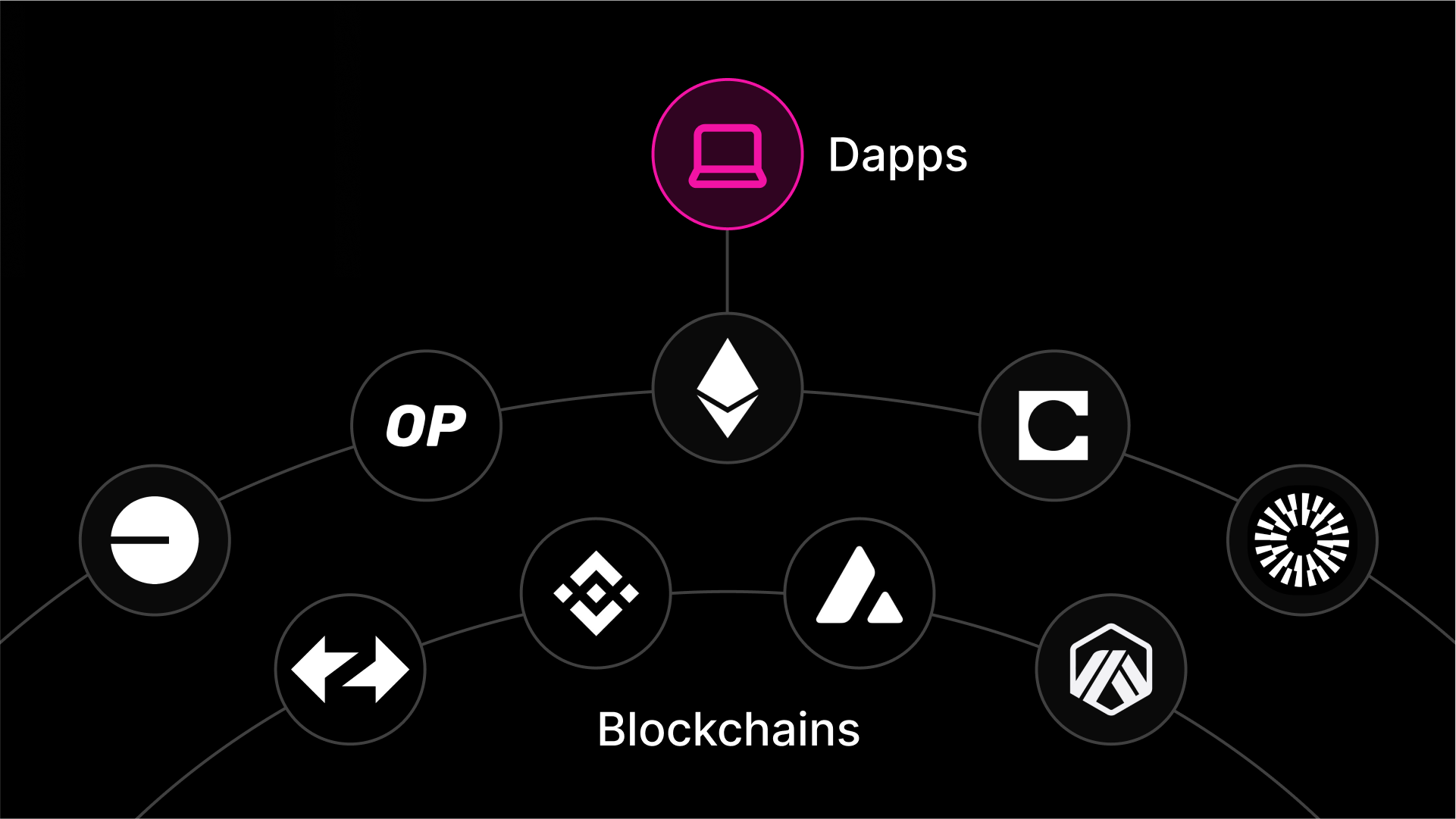
Prioritize protocols with audited smart contracts and clear liability frameworks. Verify whether the abstraction layer handles cross-chain signing securely or relies on centralized relayers. Trust scores and audit history from official sources should dictate your baseline security requirements.
Liquidity fragmentation is the primary risk in cross-chain environments. Ensure the solution aggregates liquidity from multiple sources to minimize slippage. Test execution latency during peak market hours to confirm the abstraction layer can handle volume without failing.
Confirm the protocol supports your target blockchains and offers true gas abstraction. Users should not need to hold native tokens for gas fees on destination chains. This feature is essential for mass adoption and reducing friction for non-technical users.
| Feature | Standard Bridge | Chain Abstraction |
|---|---|---|
| User Experience | Complex, multi-step | Single interface |
| Gas Management | Native token required | Abstracted or paid in stablecoins |
| Liquidity Access | Siloed per chain | Aggregated across chains |
The decision ultimately depends on your priority: speed or security. Standard bridges offer familiar, audited paths but require manual asset management. Chain abstraction solutions unify these processes but introduce new counterparty risks. For high-stakes infrastructure, always verify the protocol's official documentation and audit reports before integrating.
Frequently asked: what to check next
Chain abstraction 2026 shifts the focus from multi-chain fragmentation to unified liquidity. Below are specific answers to common questions about this infrastructure shift.
No comments yet. Be the first to share your thoughts!