
Get chain abstraction 2026 right
Start The to Chain Abstraction with the constraint that matters most in real life: space, timing, budget, skill level, maintenance, or availability. That first constraint should shape the rest of the plan instead of appearing as an afterthought. Keep the first pass simple enough to verify. Compare the main options against the same criteria, remove choices that only work in ideal conditions, and save optional upgrades for later.
Use the checklist as a welfare screen: verify the source, health signs, enclosure readiness, paperwork, and transport plan before paying.
Work through the steps
Chain abstraction removes the friction of selecting networks, bridging assets, and managing multiple wallets. Instead of choosing between Ethereum, Solana, or Arbitrum, you interact with a single interface that routes your transaction behind the scenes. This intent-based architecture lets you focus on what you want to do, not which chain to use.
Follow this sequence to execute a transaction using a chain-abstraction layer.
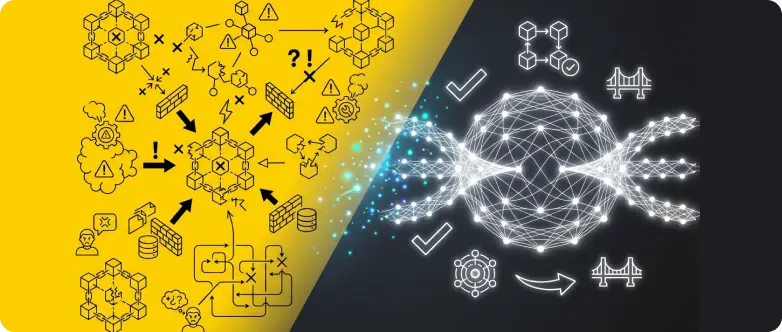
Open your preferred Web3 wallet and connect to the dApp. Unlike traditional DeFi apps, you do not need to manually switch networks. The abstraction layer detects your current chain and prepares to route the transaction across the necessary infrastructure.

Select the asset you want to swap or the action you want to perform. Enter the amount and the destination token. The system interprets this as your "intent" rather than a specific on-chain instruction. You are telling the network what you want, not how to get it.

The solver engine analyzes multiple paths to find the best execution. It may split your trade across several liquidity pools or use different chains to minimize fees and slippage. Review the estimated gas costs and the final output amount. These costs are often bundled into a single, predictable fee paid in your native token.
Confirm the transaction with your wallet signature. The abstraction layer handles the complex bridging and settlement logic in the background. You receive a single confirmation once the intent is fully resolved, regardless of how many underlying chains were involved.
This process transforms a multi-step, high-friction operation into a single action. By abstracting the underlying complexity, users can access deep liquidity and diverse ecosystems without managing the technical overhead of cross-chain interactions.
Fix common mistakes
The to Chain Abstraction troubleshooting should start with a clear boundary: what is actually broken, and what still works normally. Check the display, network connection, paired devices, app access, and recent updates before assuming the whole system needs a reset. A small connection failure can make the main screen feel unreliable even when the core system is fine. Work from low-risk checks to deeper resets. Confirm power state, safe parking, account access, and signal first. Then restart the interface, wait for it to reload completely, and test the original symptom. Avoid changing multiple settings at once because that makes it harder to know which step actually fixed the problem. If the issue affects safety information, repeats after every restart, or appears with warning messages, treat the reset as a temporary diagnostic step rather than the final fix. Document the symptom and move to official support instead of stacking more DIY attempts.
Use the checklist as a welfare screen: verify the source, health signs, enclosure readiness, paperwork, and transport plan before paying.
Faq: chain abstraction 2026: what to check next
Chain abstraction is reshaping how users interact with crypto. Here are the most common practical questions about the technology and its role in 2026.
No comments yet. Be the first to share your thoughts!