
What chain abstraction actually means
Chain abstraction is a user experience framework that unifies fragmented blockchain networks into a single interface. It is not a new blockchain layer or a protocol for moving tokens between chains. Instead, it is a design goal that hides the underlying complexity of multiple networks, allowing users to interact with dApps without ever seeing, picking, or thinking about which chain they are on [src-serp-7].
This distinction separates chain abstraction from traditional interoperability bridges. Bridges are technical tools that lock assets on one chain and mint wrapped versions on another. They require manual steps, carry smart contract risks, and force users to manage multiple wallets and gas tokens. Chain abstraction removes this friction entirely. The infrastructure handles the routing, liquidity, and execution in the background, presenting the user with a seamless experience similar to using a credit card on any website, regardless of the underlying banking network.
For developers, this means building for one interface rather than dozens of specific chains. For users, it means focusing on the core experience—browsing, trading, or gaming—without worrying about network selection or cross-chain transfers [src-serp-2]. The technology shifts the burden of complexity from the end user to the backend protocols, making blockchain applications feel as simple as traditional web services.
Unified liquidity without bridge risk
Chain abstraction is a user experience framework that unifies fragmented blockchain networks into a single interface. This approach allows users to trade across chains without manual bridging, removing the friction of moving assets between isolated ledgers. By abstracting the underlying complexity, the system treats multiple blockchains as one continuous market.
The traditional cross-chain method requires users to lock assets in a bridge contract and mint a wrapped version on the destination chain. This process introduces significant counterparty risk and smart contract exposure. Each bridge is a potential point of failure, as evidenced by historical exploits. Unified liquidity pools eliminate this step by settling the trade directly on the source chain while routing the execution through the destination chain.
This architecture reduces the attack surface for users. Instead of interacting with multiple bridge contracts, users sign a single transaction. The protocol handles the cross-chain messaging and asset settlement in the background. This not only improves security but also enhances capital efficiency by keeping liquidity concentrated rather than fragmented across dozens of isolated bridges.
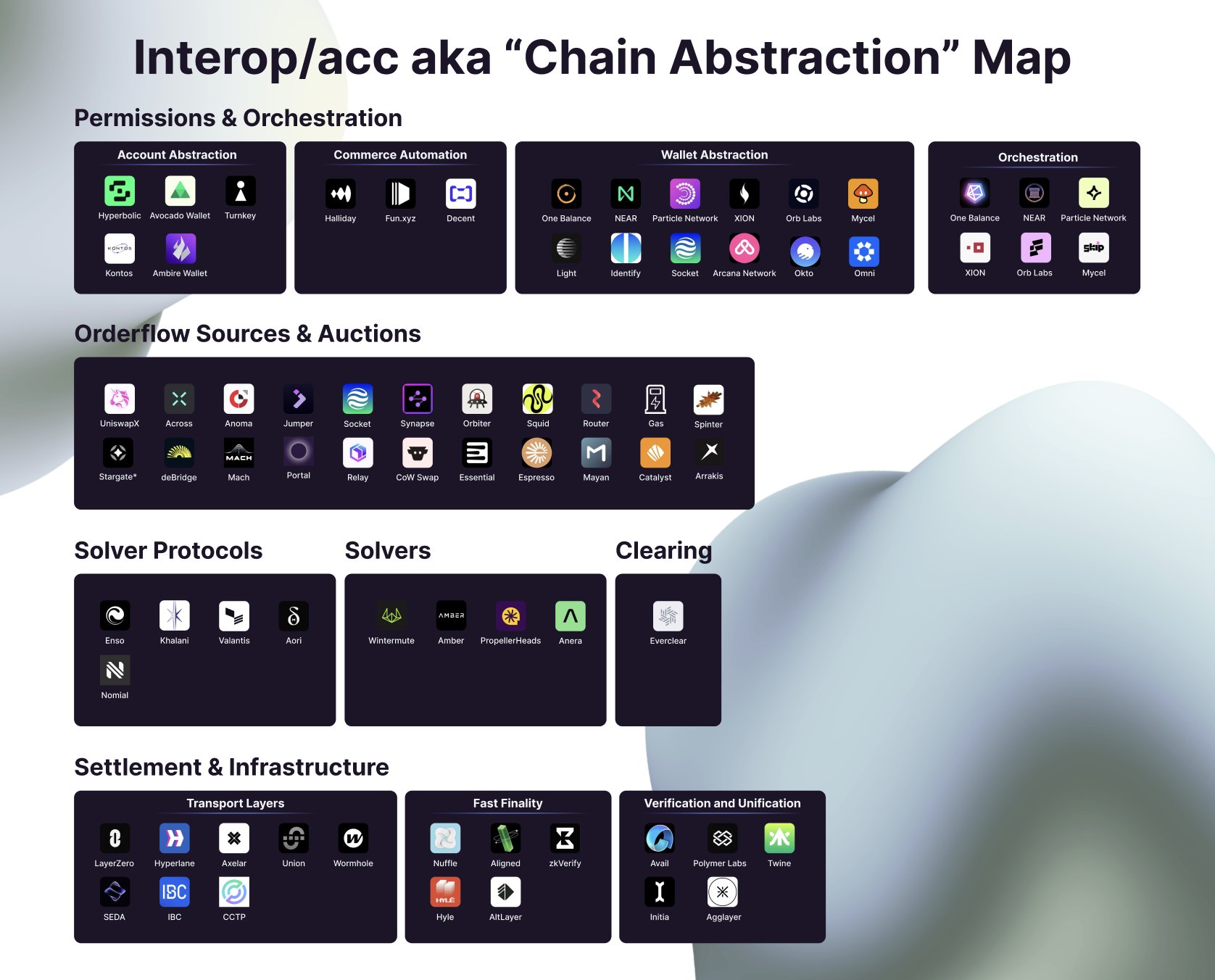
The result is a trading experience that feels like a single centralized exchange but operates on decentralized infrastructure. Users benefit from the depth of multiple chains without the operational overhead of managing positions across different networks. This shift marks a move from fragmented liquidity silos to a unified, seamless market.
Abstracted accounts replace gas tokens
The friction of managing native gas tokens across multiple chains is disappearing. With account abstraction, users no longer need to hold separate balances of ETH, MATIC, or AVAX to pay for transactions on different networks. Instead, smart contract wallets allow fees to be paid in stablecoins like USDC or USDT, or covered entirely through sponsored transactions where the dApp or protocol pays the gas cost.
This shift transforms the user experience from a multi-step logistical puzzle into a single, seamless action. Previously, a user wanting to bridge assets might need to buy ETH on a centralized exchange, transfer it to a wallet, swap it for the destination chain’s native token, and then execute the bridge. Now, they can simply sign a transaction using their ERC-4337 compliant wallet, and the backend relayer handles the complex cross-chain routing and fee payment in the background.
The result is a unified interface where the underlying blockchain fragmentation is hidden. As noted by NEAR’s documentation on chain abstraction, "both you and your users just focus on the core experience: browsing and trading art. All blockchain complexity is handled." This allows applications to operate as if they exist on a single chain, regardless of the actual distributed ledger infrastructure underneath.
| Feature | Traditional Cross-Chain | Abstracted Workflow |
|---|---|---|
| Gas Payment | Native token (ETH, MATIC, etc.) | Stablecoins or Sponsored |
| User Action | Multiple swaps and bridges | Single signed transaction |
| Wallet State | Multiple asset balances | Single balance |
| Complexity | High (manual management) | Low (handled by relayer) |
By removing the need for users to anticipate which chain they are on and what gas it requires, abstracted accounts significantly lower the barrier to entry for mainstream adoption. The technology shifts the burden from the user to the protocol, making blockchain interactions feel as simple as using a standard web service.
Intent-based execution simplifies swaps
Intent-based execution shifts the burden of complex routing from the user to the network. Instead of manually bridging assets or navigating multiple decentralized exchanges, you simply state the desired outcome. You might type, "swap ETH for SOL," and the system handles the rest.
This architecture relies on relayers—off-chain actors who compete to fulfill your request. They search for the best liquidity paths across various chains and protocols, executing the transaction once they find a profitable route. You pay a small fee for this service, and the relayer keeps the spread. The result is a single, atomic transaction that feels like a native swap on a centralized exchange.
The underlying technology unifies fragmented blockchain networks into a single interface. This approach eliminates the friction of choosing the right bridge or the right DEX. You no longer need to worry about which chain your assets are on or which protocol offers the best rate. The intent is the only thing that matters.
Key Risks in Abstracted Infrastructure
Chain abstraction promises to hide the complexity of cross-chain transactions, but it introduces a new set of vulnerabilities that auditors must scrutinize. The centralization of relayers is the most immediate threat. In many current implementations, a small cluster of operators handles message passing between chains. If these relayers collude or are compromised, they can censor transactions or manipulate state proofs, effectively becoming a single point of failure for the entire abstracted network.
The security implications extend to the abstracted smart contracts themselves. By decoupling user experience from underlying chain mechanics, abstraction layers often introduce new attack surfaces. Smart contracts that manage gas sponsorship or session keys must be rigorously audited, as a flaw here could allow attackers to drain funds or bypass security checks entirely. The convenience of seamless transactions should not come at the cost of weakening the foundational security guarantees of the individual blockchains involved.
To mitigate these risks, developers and users must prioritize decentralization in relayer networks and demand transparent audit reports for abstracted contract logic. Monitoring gas sponsorship limits and verifying the integrity of state proofs are essential practices. As the ecosystem matures, the industry must shift from convenience-first designs to security-first architectures to ensure that chain abstraction does not become a vector for systemic risk.
Frequently asked questions about chain abstraction
Chain abstraction is a user experience framework that unifies fragmented blockchain networks into a single interface. It removes the need for users to manage multiple wallets, bridge assets, or select the correct network for every transaction. The goal is to make multi-chain interactions feel like using a single, seamless application.
What is a chain abstraction?
Chain abstraction refers to the process of removing the friction typically associated with managing multiple blockchains. Instead of forcing users to understand the underlying technology, abstraction layers handle the complexity behind the scenes. This allows end users to focus on the core experience, such as browsing or trading, while the system manages cross-chain communication and asset routing automatically.
What is near chain abstraction?
NEAR enables developers to build applications that work seamlessly across multiple blockchains. Through a combination of innovative technologies, NEAR abstracts away the underlying complexity for both developers and end users. This approach allows applications to function as if they are on a single chain, even when they are interacting with assets or data from other networks.
Why is chain abstraction important?
The rise of multiple chains aimed at addressing scalability has created a fragmented landscape. Chain abstraction is essential because it unifies these diverse networks, making it easier for users to interact with different ecosystems without worrying about compatibility. It enhances interoperability and simplifies the user journey, which is critical for mass adoption.
What are the 7 layers of the blockchain?
Blockchain consists of 7 layers: hardware, data, network, consensus, application, incentive, and smart contracts. These layers handle functions from data storage to user-facing applications. Chain abstraction primarily operates at the application and network layers, creating a unified experience that sits above these foundational components.
No comments yet. Be the first to share your thoughts!