
Chain abstraction in 2026: the current reality
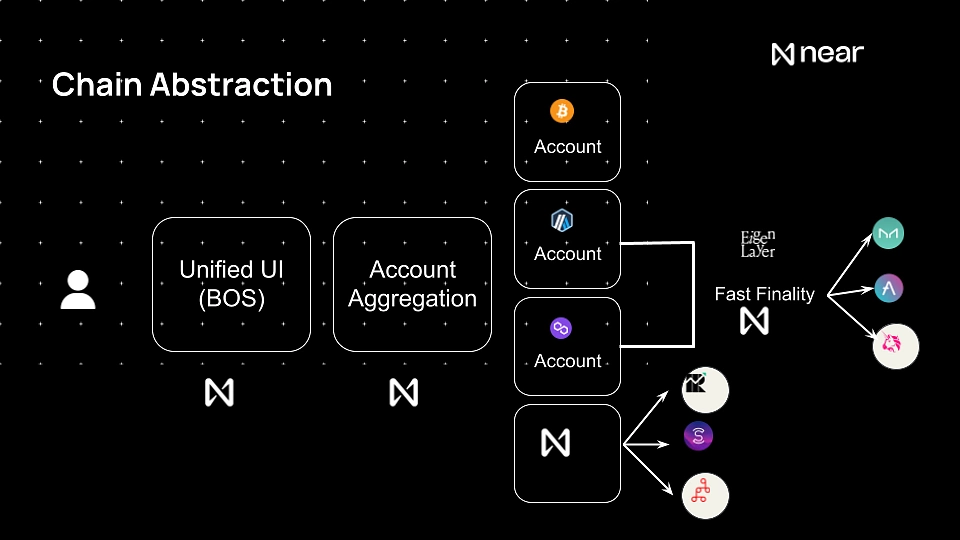
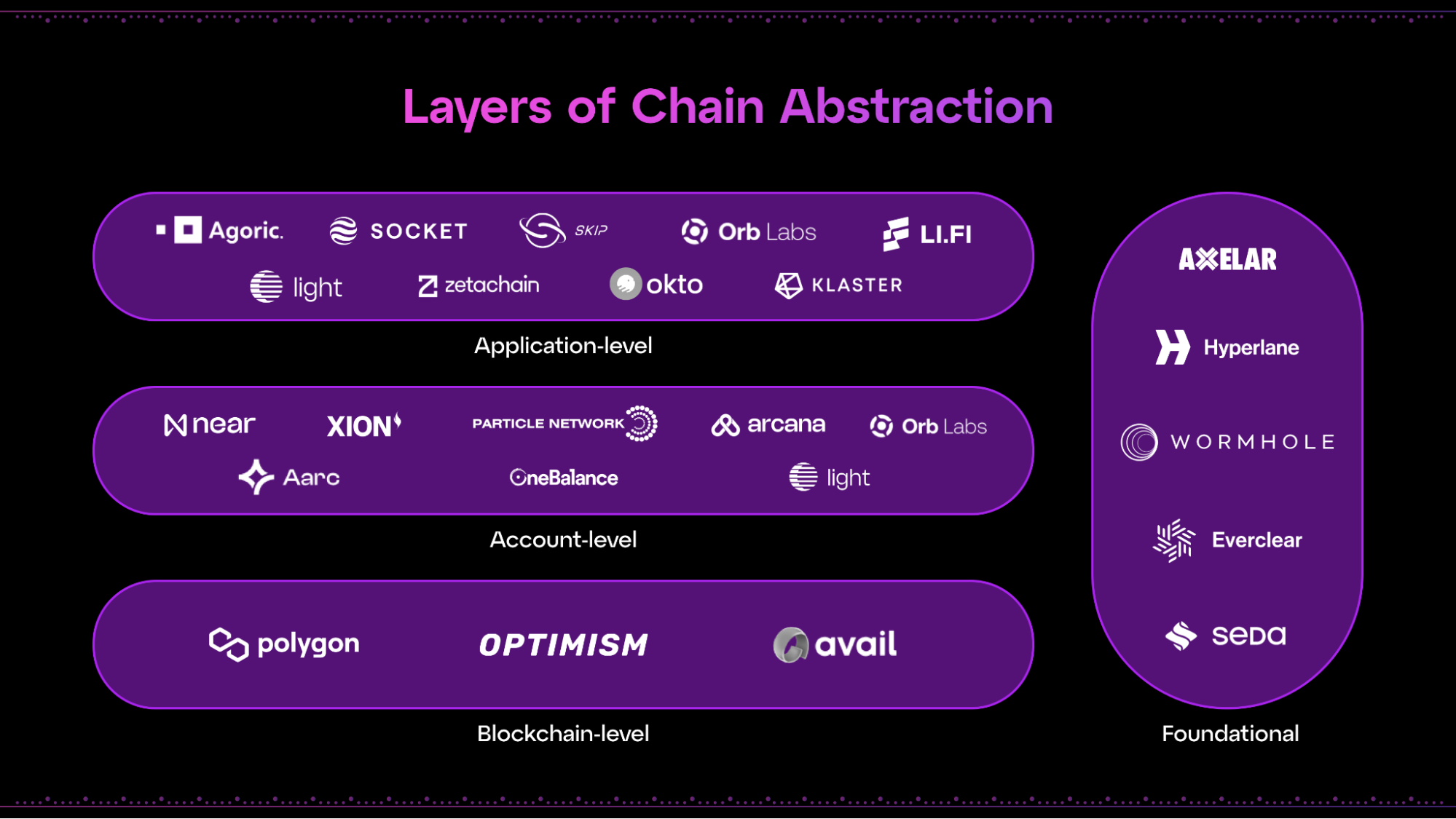
Chain abstraction is the design goal of making users interact with blockchain applications without ever picking, seeing, or thinking about which chain they are on. In theory, this means seamless cross-chain liquidity where assets move invisibly. In practice, 2026 is an awkward transition phase where the abstractions exist but frequently leak.
The dominant UX pattern is still forming. While early adopters enjoy simplified interfaces, the underlying complexity hasn't disappeared—it has just been pushed into the background. Users often assume a single transaction is happening, but behind the scenes, multiple bridges, relayers, and liquidity pools are coordinating. This "leaky" abstraction creates a gap between user expectation and technical reality.
For DeFi participants, this means trust assumptions have shifted. Instead of trusting a single smart contract on one chain, you are now trusting a network of interoperability protocols. The convenience is real, but the attack surface has expanded. Understanding this tradeoff is essential before committing significant capital to cross-chain strategies.
Chain abstraction 2026 choices that change the plan
Chain abstraction aims to hide the modular mess of blockchains, but in 2026, these abstractions still leak. You are trading direct control for convenience, and the friction points have moved from user experience to infrastructure reliability. Before committing capital, evaluate how each protocol handles liquidity fragmentation, settlement latency, and counterparty risk.
The dominant UX pattern is clear: users should not think about chains. However, the underlying mechanics require you to understand where the liquidity sits and who guarantees the bridge. A unified interface is only as strong as its weakest cross-chain link.
| Metric | Wrapped Native | Liquidity Pools | Native Bridging |
|---|---|---|---|
| Speed | Fast | Medium | |
| Cost | High (Minting) | Medium | |
| Security | Medium | High | |
| Complexity | Low | Medium |
Wrapped Native Tokens
Wrapped assets offer the lowest friction for trading but introduce minting and burning risks. You are exposed to the smart contract security of the wrapper issuer. If the underlying asset is not fully backed, the bridge collapses. Use this for high-frequency trading where speed outweighs the slight security premium.
Liquidity Pools
Pools maintain higher security by locking assets on the source chain. However, slippage can be significant during volatile markets. The liquidity is often fragmented across multiple venues, leading to worse prices. This method is safer for long-term holds but painful for active traders.
Native Bridging
Native bridges provide the highest security by moving assets directly. The tradeoff is latency; settlement can take hours or days. This is the only option for large institutional transfers where capital preservation is paramount. The user experience is clunky, but the risk of exploit is minimized.
The choice depends on your risk tolerance. For small, frequent transactions, wrapped tokens are acceptable. For large sums, native bridging is the only prudent path. Understand the tradeoffs before you sign.
Choose the next step
Chain Abstraction works best as a clear sequence: define the constraint, compare the realistic options, test the tradeoff, and choose the path with the fewest hidden costs. That order keeps the advice usable instead of decorative. After each step, pause long enough to check whether the recommendation still fits the reader's actual situation. If it depends on perfect timing, unusual access, or a best-case budget, include a simpler fallback.

Avoid the weak options
Use this section to make the Chain Abstraction decision easier to compare in real life, not just on paper. Start with the reader's actual constraint, then separate must-have requirements from details that are merely nice to have. A practical choice should survive normal use, maintenance, timing, and budget. If a recommendation only works in an ideal situation, call that out plainly and give the reader a fallback path.
The simplest way to use this section is to write down the must-have criteria first, then compare each option against those criteria before weighing nice-to-have features.
Chain abstraction 2026: what to check next
Chain abstraction aims to hide the complexity of multi-chain interactions, but the technology is still maturing. In 2026, the gap between design goals and actual user experience remains significant. Below are the most common practical concerns readers face when evaluating unified liquidity.
These answers highlight that while the infrastructure is advancing, the "invisible" blockchain remains an aspiration rather than a reality for most users in 2026.
No comments yet. Be the first to share your thoughts!