
Chain abstraction limits to account for
Chain abstraction promises seamless cross-chain interaction, but real-world implementation reveals specific constraints. Before adopting a solution, distinguish between must-have requirements and nice-to-have features. A practical choice must survive normal use, maintenance, timing, and budget constraints. If a recommendation only works in an ideal scenario, note the fallback path.
The simplest approach is to list must-have criteria first, then compare options against those criteria before weighing secondary features.
| Factor | What to check | Why it matters |
|---|---|---|
| Fit | Match the option to the primary use case. | A good deal still fails if it does not fit the job. |
| Condition | Verify age, wear, and service history. | Hidden condition issues erase upfront savings. |
| Cost | Compare purchase price with likely upkeep. | The cheapest option is not always the lowest-cost option. |
How to Choose the Right Chain Abstraction Setup
Chain abstraction strips away the friction of managing multiple chains, letting users focus on the core experience rather than underlying infrastructure. For developers, this means building once while the abstraction layer handles routing across different networks. For users, it means seamless interactions without worrying about which chain their assets live on.
Choosing the right approach depends on your specific use case, whether you are building a cross-chain application or simply looking for the smoothest user experience. Below is a practical framework to help you decide.
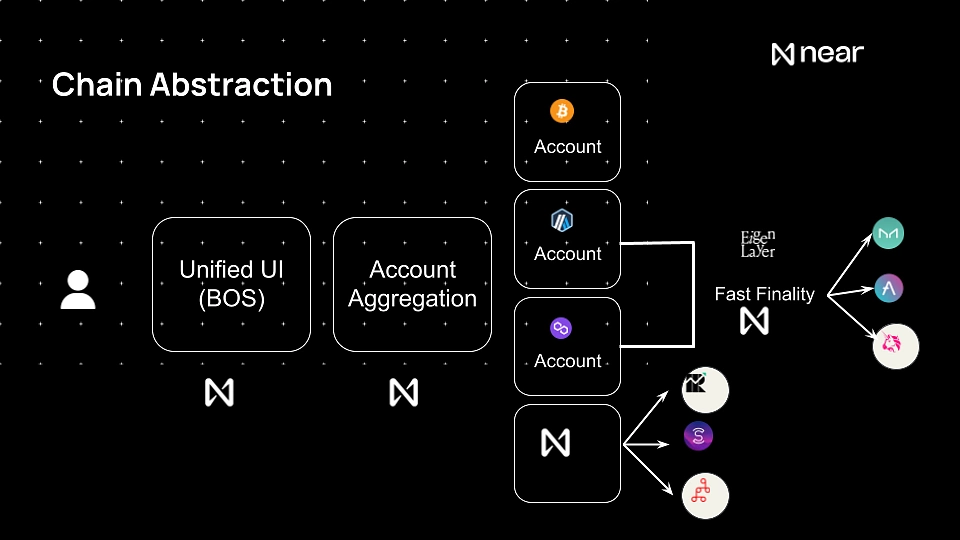
The right choice balances technical feasibility with user experience. By focusing on these key steps, you can implement chain abstraction that truly redefines how users interact with blockchain technology.
Spotting Weak Options and Misleading Claims
Chain abstraction promises to hide blockchain complexity, but not all implementations deliver on that promise. The market is flooded with projects that rebrand existing cross-chain bridges as "abstraction" without actually improving the user experience. When evaluating these solutions, look for where the friction remains hidden. If a user still needs to bridge assets, swap tokens, or manage multiple wallet signatures, the abstraction is superficial.
The Hidden Costs of "Gasless" Claims
Many platforms advertise gasless transactions, but the fees are rarely gone—they are just subsidized or abstracted into another token. This creates a false sense of simplicity. In reality, the user pays for the abstraction layer, often at a premium that is harder to calculate than a standard gas fee. Always check if the subsidy is sustainable or if it will vanish once the project scales. A truly abstracted experience should make the cost transparent, not invisible.
Comparing Abstraction Layers
| Feature | True Abstraction | Weak Option (Bridge Wrapper) |
|---|---|---|
| User Action | Single click to transact | Manual bridging + swapping |
| Gas Payment | Native token or sponsored | User must hold specific token |
| Security | Shared security model | Per-bridge risk exposure |
| Complexity | Hidden in backend | Visible in frontend |
Decision Framework
Choose solutions that handle the backend complexity without exposing the user to cross-chain risks. Avoid projects that require manual intervention at any step. The goal is to make the blockchain invisible, not just the gas fee. If the user still needs to understand which chain they are on, the abstraction has failed.
Chain Abstraction FAQs
Chain abstraction removes the friction of managing multiple blockchains, but it introduces new questions about security, terminology, and infrastructure. Here are direct answers to the most common practical objections.
The shift to chain abstraction is not just about convenience; it is a structural change in how we interact with digital assets. By removing the need to manually manage wallets and gas fees, the technology aims to make blockchain interactions as invisible as loading a webpage. However, this invisibility requires trust in the underlying abstraction layer, making security audits more critical than ever.
No comments yet. Be the first to share your thoughts!