
Get chain abstraction 2026 right
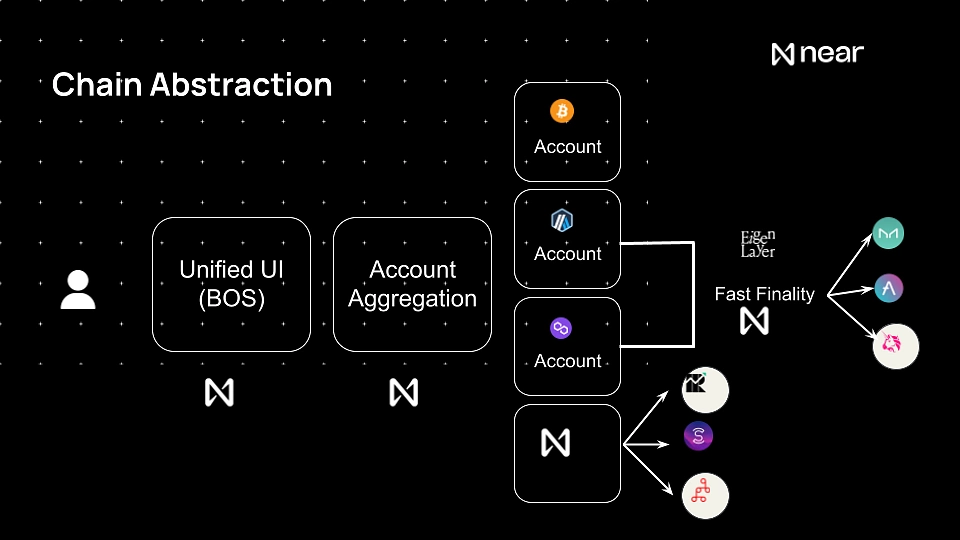
Chain abstraction aims to hide the modular mess from users, but in 2026, these abstractions still leak. You are not just building a wallet; you are managing cross-chain liquidity, gas models, and security boundaries simultaneously. Before you commit to a specific protocol or SDK, you must validate the infrastructure against your specific risk tolerance.
Follow this checklist to ensure your setup is robust enough for institutional-grade operations.
- Verify Liquidity Depth: Check that the abstraction layer has sufficient liquidity on both the source and destination chains. Thin pools lead to high slippage and failed transactions.
- Audit Gas Models: Understand who pays for gas. Some layers use meta-transactions, while others require native tokens. Ensure your users have the necessary assets on the source chain.
- Test Failure Modes: Simulate transaction failures across different network conditions. Abstraction layers can mask errors, making it harder to debug why a transaction reverted.
- Confirm Security Proofs: Ensure the underlying bridge or relay mechanism uses verifiable security proofs (like optimistic or ZK proofs) rather than simple multisig guards.
Skipping these steps often results in lost funds or poor user experience. Treat the abstraction layer as a security boundary, not just a convenience feature.
Work through the steps
The to Chain Abstraction works best as a clear sequence: define the constraint, compare the realistic options, test the tradeoff, and choose the path with the fewest hidden costs. That order keeps the advice usable instead of decorative. After each step, pause long enough to check whether the recommendation still fits the reader's actual situation. If it depends on perfect timing, unusual access, or a best-case budget, include a simpler fallback.
-
Verify the sourceUse this as a welfare screen: confirm the breeder, rescue, store, or private seller can explain care history and answer basic husbandry questions.
-
Check health signsLook for clear eyes, alert behavior, healthy weight, clean vent area, and no obvious swelling, wounds, or stuck shed.
-
Prepare the enclosureHave heat, UVB, substrate, hides, food, and temperature checks ready before pickup or shipping day.
-
Plan transportConfirm pickup timing, shipping weather, packaging, and the first-week settling plan before paying.
Fix common mistakes
The to Chain Abstraction troubleshooting should start with a clear boundary: what is actually broken, and what still works normally. Check the display, network connection, paired devices, app access, and recent updates before assuming the whole system needs a reset. A small connection failure can make the main screen feel unreliable even when the core system is fine. Work from low-risk checks to deeper resets. Confirm power state, safe parking, account access, and signal first. Then restart the interface, wait for it to reload completely, and test the original symptom. Avoid changing multiple settings at once because that makes it harder to know which step actually fixed the problem. If the issue affects safety information, repeats after every restart, or appears with warning messages, treat the reset as a temporary diagnostic step rather than the final fix. Document the symptom and move to official support instead of stacking more DIY attempts.
Use the checklist as a welfare screen: verify the source, health signs, enclosure readiness, paperwork, and transport plan before paying.
Chain abstraction 2026: what to check next
Work through The to Chain Abstraction
No comments yet. Be the first to share your thoughts!