
Chain abstraction 2026 budget
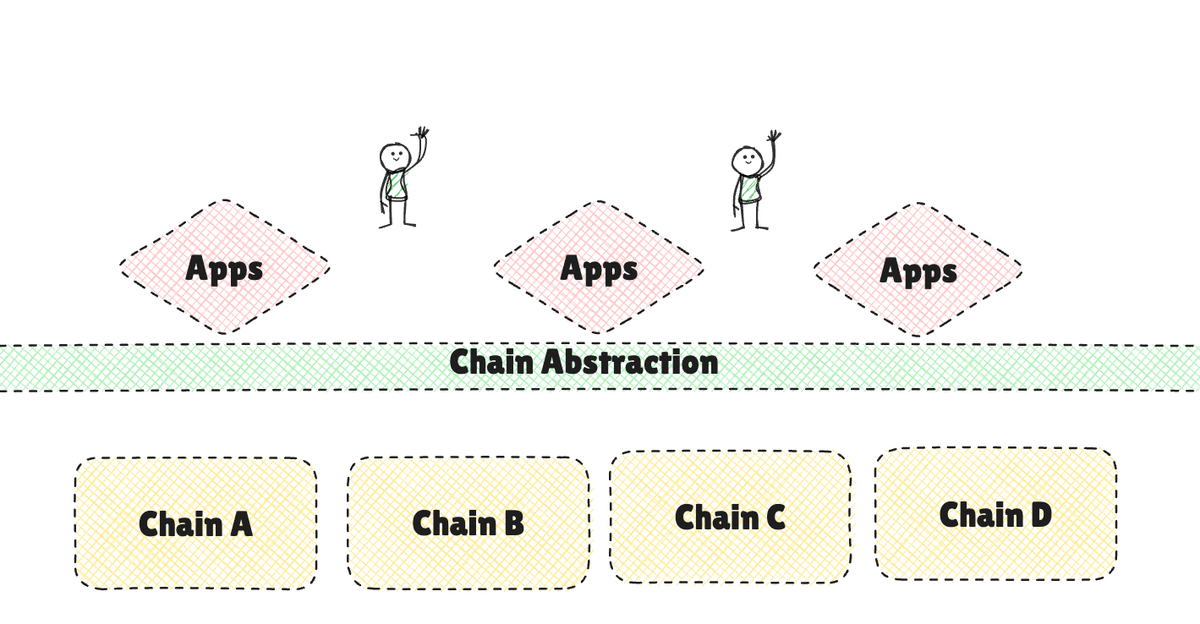
Chain abstraction in 2026 is not a single product but a design goal: making users interact with blockchain applications without picking, seeing, or thinking about which network they are on. By 2028, this will likely be the dominant UX pattern, but right now we are in an "awkward phase" where the abstractions exist but still leak. Users may still see gas fees or network selection screens when things go wrong. This section helps you budget for that reality.
Because the infrastructure is still maturing, your costs are a mix of direct fees and hidden friction. You are paying for the convenience of not managing wallets, but you are also paying for the complexity of cross-chain routing. The table below compares the three main ways you will interact with abstracted chains in 2026, highlighting the tradeoffs between speed, cost, and control.
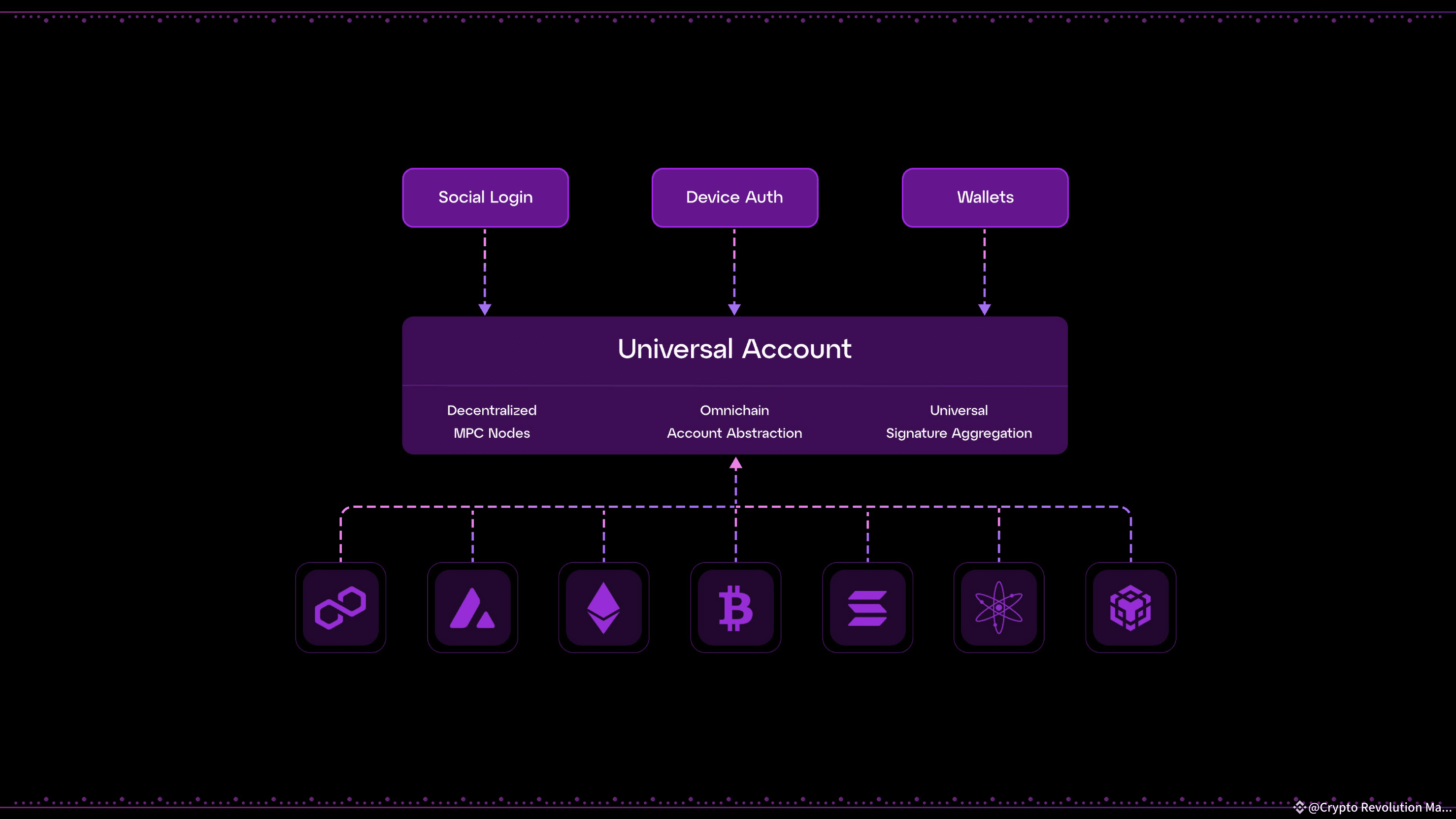
For most users, the budget should focus on Account Abstraction (AA) wallets. These allow you to pay gas in stablecoins or have sponsors cover fees, making the experience feel like a standard app. However, if you are moving large sums between major chains like Ethereum and Solana, you must budget for bridge fees, which can be volatile. The "leak" in the abstraction happens here: you still need to understand which chain holds your funds.
When budgeting, prioritize security over convenience. In 2026, the most expensive mistake is often a bridged asset stuck in a compromised bridge. Use AA for daily transactions and small transfers. Reserve cross-chain bridging only for essential moves between high-value ecosystems. Always verify the abstraction provider’s audit history. The infrastructure is invisible, but the risks are very real.
Shortlist real options
Use this section to make the The Chain Abstraction Revolution decision easier to compare in real life, not just on paper. Start with the reader's actual constraint, then separate must-have requirements from details that are merely nice to have. A practical choice should survive normal use, maintenance, timing, and budget. If a recommendation only works in an ideal situation, call that out plainly and give the reader a fallback path.
| Factor | What to check | Why it matters |
|---|---|---|
| Fit | Match the option to the primary use case. | A good deal still fails if it does not fit the job. |
| Condition | Verify age, wear, and service history. | Hidden condition issues erase upfront savings. |
| Cost | Compare purchase price with likely upkeep. | The cheapest option is not always the lowest-cost option. |
Inspect the expensive parts
Chain abstraction promises a seamless experience, but in 2026, the infrastructure is still leaky. When the invisible layer breaks, the cost of failure is not just a lost transaction—it is the total loss of user trust and liquidity. Before you commit to a specific abstraction protocol, you need to know where the money gets stuck. Think of the abstraction layer like the wiring in a smart home: if the central hub fails, you don't just lose the lights; you lose the ability to open the doors.
Use this checklist to audit the expensive failure points. These are the areas where a single bug or design flaw can drain a wallet or freeze a dApp for days.
Verify how assets move between the user's wallet and the target chain. Many abstracted protocols rely on pre-funded liquidity pools. If a pool runs dry during high volatility, transactions don't just fail—they sit in a "pending" state indefinitely. Check if the protocol has emergency withdrawal mechanisms or if users are permanently stuck waiting for a relayer to resolve the queue.
Identify who pays for the gas and what happens if they go rogue. In many abstracted models, a third-party relayer signs transactions on behalf of the user. If the relayer's smart contract lacks robust slashing conditions, a malicious actor can front-run or steal funds. Look for protocols that use multi-sig relayers or decentralized relayer networks rather than a single point of failure.
Abstraction is only as good as its recovery path. When the primary abstraction layer fails, does the user get a clear error message, or do they see a cryptic hash? The most expensive failures occur when users don't realize their transaction is stuck until hours later. Ensure the interface clearly distinguishes between "processing" and "failed" states, and provides manual cancellation options.
Abstracted wallets often pay gas in stablecoins or the native token of the user's choice. This introduces exchange rate risk. If the abstraction layer converts ETH to USDC to pay for gas, a sudden spike in ETH price can leave the transaction underfunded. Check if the protocol uses dynamic fee estimation that accounts for these conversion delays and slippage.
These checks are not just technical details; they are the difference between a product that scales and one that collapses under its own complexity. By focusing on these expensive failure points, you can separate the robust infrastructure from the hype.
Ownership costs: when cheap stops being cheap
Chain abstraction promises a seamless experience, but the infrastructure hiding the complexity doesn't disappear—it just moves behind the scenes. In 2026, you are paying for convenience, and that convenience carries hidden fees that can erode the value of your assets faster than you expect.
The first cost is gas abstraction. Many wallets now allow you to pay transaction fees in stablecoins or the native token of the application rather than the chain's native gas token. This is convenient, but you are paying a premium to the relay service. If you transact frequently, these small markups add up to significant overhead compared to managing gas directly.
The second cost is bridging and conversion. Abstraction layers often route transactions through multiple chains to find the best execution path. Each hop can introduce slippage, bridge fees, or conversion spreads. While the user sees one price, the underlying infrastructure may be performing several cross-chain swaps, each with its own fee structure.
When to worry about hidden fees
| Scenario | Risk Level | Why It Matters |
|---|---|---|
| High-frequency trading | High | Per-transaction fees compound quickly, eating into margins. |
| Large, infrequent transfers | Medium | Slippage from multi-hop routing can affect final settlement amounts. |
| Daily micro-transactions | High | Gas abstraction premiums are often too expensive for small-value actions. |
Making the right choice
If you are building a high-volume application, direct gas management might be cheaper but requires more user friction. For consumer apps, abstraction is worth the cost if the user base values simplicity over saving a few cents per transaction. Always test your specific use case with real-world data before committing to an abstraction layer.


As an Amazon Associate, we may earn from qualifying purchases.
Chain abstraction 2026: what to check next
These questions cover the core mechanics and industry context driving the 2026 shift. Understanding these fundamentals helps you evaluate which abstraction products actually solve real problems versus those that add unnecessary complexity.
No comments yet. Be the first to share your thoughts!