
Defining chain abstraction in 2026
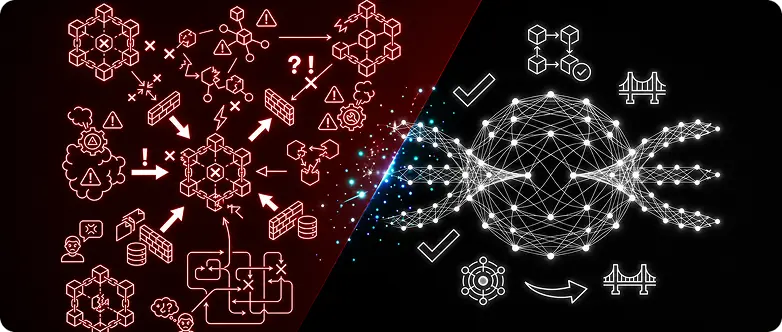
Chain abstraction is the user experience framework that unifies fragmented blockchain networks into a single, coherent interface. It is not merely a technical bridge for moving assets between ledgers. Instead, it is an architectural approach designed to remove the operational friction that currently forces users to manage multiple wallets, tokens, and networks manually.
In 2026, the goal is to make the underlying blockchain infrastructure invisible to the end-user. As noted by Safe, the industry is moving toward a state where users interact with applications without needing to understand which specific chain is processing their transaction. This invisibility is the core differentiator between simple bridging and true abstraction. Bridging moves assets; abstraction hides the complexity of asset management entirely.
This shift transforms the user journey. Instead of manually swapping tokens to pay for gas on a destination chain, the system handles the conversion and settlement in the background. The result is a seamless interaction where the user perceives only the application’s utility, not the underlying distributed ledger technology. This distinction is critical for mass adoption, as it eliminates the cognitive load that currently limits blockchain usage to a niche technical audience.
How intent-centric architectures replace manual steps
The shift to intent-centric models marks a fundamental change in how liquidity flows across fragmented networks. Instead of forcing users to manually assemble transactions—selecting a DEX, approving tokens, bridging assets, and wrapping contracts—the system automates the execution path. This allows users to specify only the desired outcome, such as "swap USDC for ETH at the best rate," while the underlying infrastructure handles the complex routing.
This approach decouples user experience from blockchain complexity. As noted in documentation from NEAR Protocol, chain abstraction allows users to focus on the core experience of browsing and trading, leaving all blockchain intricacies to be handled by the backend. The result is a unified liquidity layer where capital is not siloed within specific chains but is instead accessible through a single, coherent interface.
Interoperability is no longer a manual chore but an automated service. Agoric highlights that chain abstraction simplifies multi-chain interactions, enhancing interoperability without compromising core features. By abstracting away the "how," the architecture removes friction points that previously caused users to abandon transactions due to high gas fees or failed bridges.
The market reflects this transition toward unified access. Assets involved in these cross-chain intents often exhibit high volatility and deep liquidity pools, requiring real-time price discovery.
The trade-off is a shift in trust assumptions. Users must trust the solver network to execute their intents efficiently and securely. However, for the average participant, the convenience of a single-click transaction outweighs the opacity of the backend routing.
Unified liquidity as the core mechanism
Unified liquidity acts as the central nervous system for chain abstraction, replacing the fragmented silos of traditional cross-chain interactions. Instead of forcing users to manage distinct balances across disparate networks, this model aggregates value into a single, coherent state. The result is a unified balance that reflects the user's true position regardless of which underlying chain holds the assets.
This architectural shift eliminates the friction of holding native gas tokens on every target chain. In a unified liquidity environment, a user can initiate a transaction on Chain A using an asset native to Chain B. The abstraction layer handles the routing, settlement, and gas payment behind the scenes, treating the cross-chain journey as a single intent rather than a series of manual bridge transfers.
| Feature | Traditional Cross-Chain | Unified Liquidity |
|---|---|---|
| Asset Management | Multiple native tokens required | Single unified balance |
| Gas Fees | Held on every chain | Paid automatically via intent |
| User Experience | Manual bridging and wrapping | Intent-based execution |
| Liquidity Source | Fragmented pools | Aggregated unified pool |
The mechanism relies on intent-centric protocols that prioritize the desired outcome over the path. Users specify what they want to achieve—such as swapping USDC for ETH—without dictating how the transaction executes. The network then finds the most efficient route through unified liquidity pools, minimizing slippage and gas costs while maintaining a single source of truth for value.
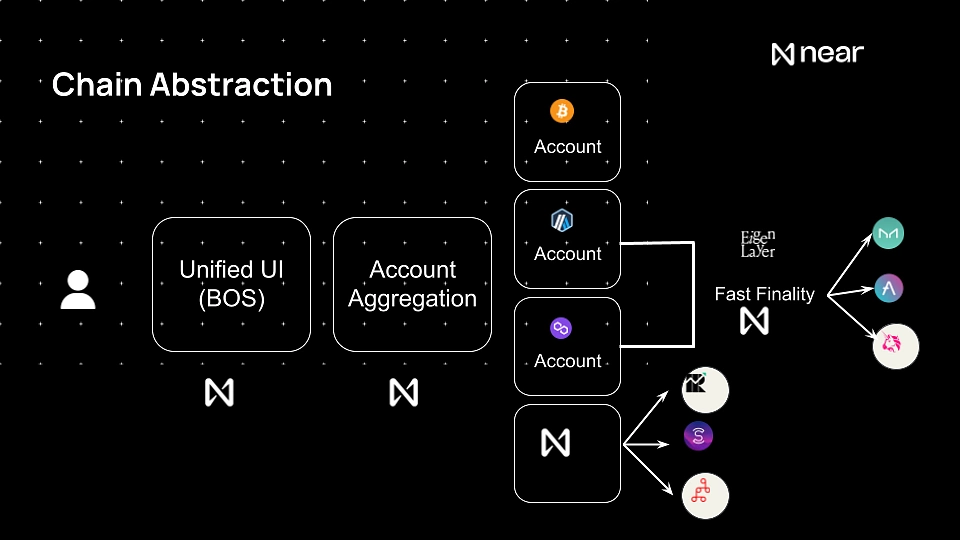
This approach transforms multi-chain complexity into a seamless backend operation. By abstracting the underlying infrastructure, users interact with a single interface while the system manages the intricate dance of cross-chain settlements. The focus shifts from managing logistics to executing intent, creating a more robust and efficient financial experience.
Market impact and interoperability trends
Chain abstraction is shifting from a technical experiment to a structural necessity in the 2026 crypto economy. By removing the friction of multi-chain management, this paradigm lowers the barrier to entry for institutional capital and retail users alike. The result is not just convenience, but a fundamental increase in capital efficiency across fragmented ecosystems.
When users no longer need to manually bridge assets or manage multiple wallet signatures, liquidity concentrates rather than dissipates. This consolidation allows protocols to access deeper order books and more robust yield opportunities without the overhead of cross-chain risk management. The market responds to this ease of use with higher transaction volumes and reduced slippage, creating a positive feedback loop for adoption.
Interoperability protocols are no longer just connecting chains; they are actively routing intent. This shift means that liquidity providers can deploy capital once and have it dynamically utilized across multiple networks based on user demand. The technical complexity is abstracted away, allowing the market to focus on yield and utility rather than infrastructure navigation.
The broader market sentiment reflects this transition. As unified liquidity becomes the standard, the distinction between "Layer 1" and "Layer 2" assets blurs, creating a more cohesive financial layer. This cohesion is critical for sustaining long-term growth beyond speculative cycles.
Navigating risks and security considerations
Chain abstraction promises a seamless user experience, but it introduces a complex attack surface where intent solvers and cross-chain bridges intersect. As the architecture shifts from direct wallet interactions to mediated execution, the risk profile changes from simple key management to systemic counterparty risk. Users must understand that "invisible" chains are not invisible to attackers; they are merely hidden behind intermediaries that require rigorous verification.
Intent solvers execute transactions on your behalf. Before interacting, audit the solver’s track record and slashing conditions. A reputable solver should have transparent historical performance data and clear governance structures for handling failed intents. Relying on unverified solvers exposes you to front-running and MEV extraction, which can drain funds before the intent is even resolved.
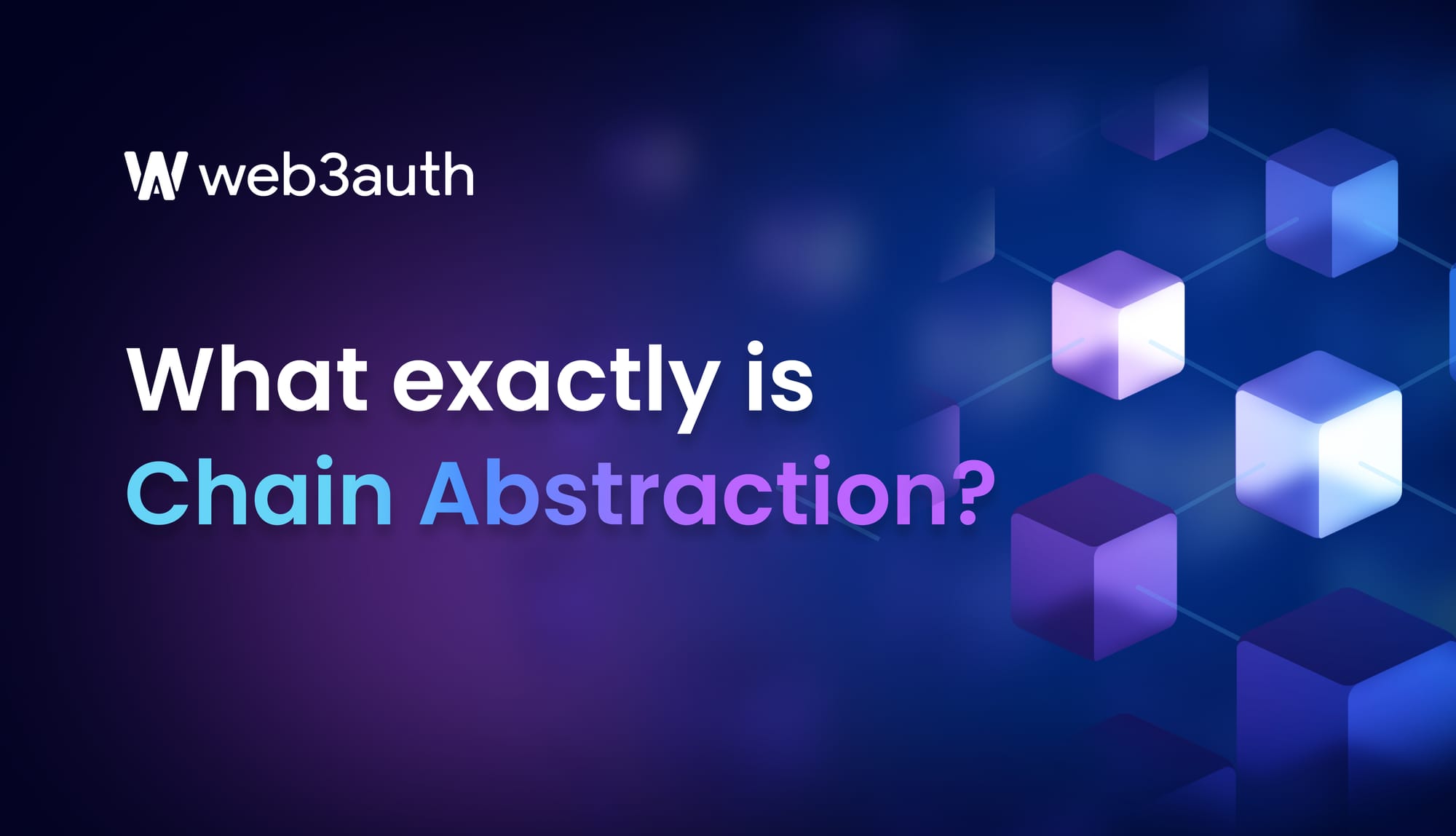
Cross-chain liquidity relies on bridges, which are often the weakest link in the security stack. Prefer bridges with minimal trust assumptions, such as those using light clients or zero-knowledge proofs, over centralized multisig models. Check if the bridge has undergone independent security audits and how long it has operated without major incidents. The cost of a bridge compromise often exceeds the value of the assets being moved.
Abstraction layers often pre-pay gas or bundle transactions, which can obscure the true cost of execution. Set strict slippage tolerances and monitor gas price fluctuations across the source and destination chains. Unexpectedly high gas fees or significant price slippage may indicate that the intent is being routed through inefficient or compromised liquidity pools.
Even with abstracted UX, the final signature often requires a secure key store. Use a hardware wallet or a multi-signature setup for large transfers. This ensures that even if the abstraction layer or the dApp interface is compromised, the private keys remain offline and protected from remote exploits.
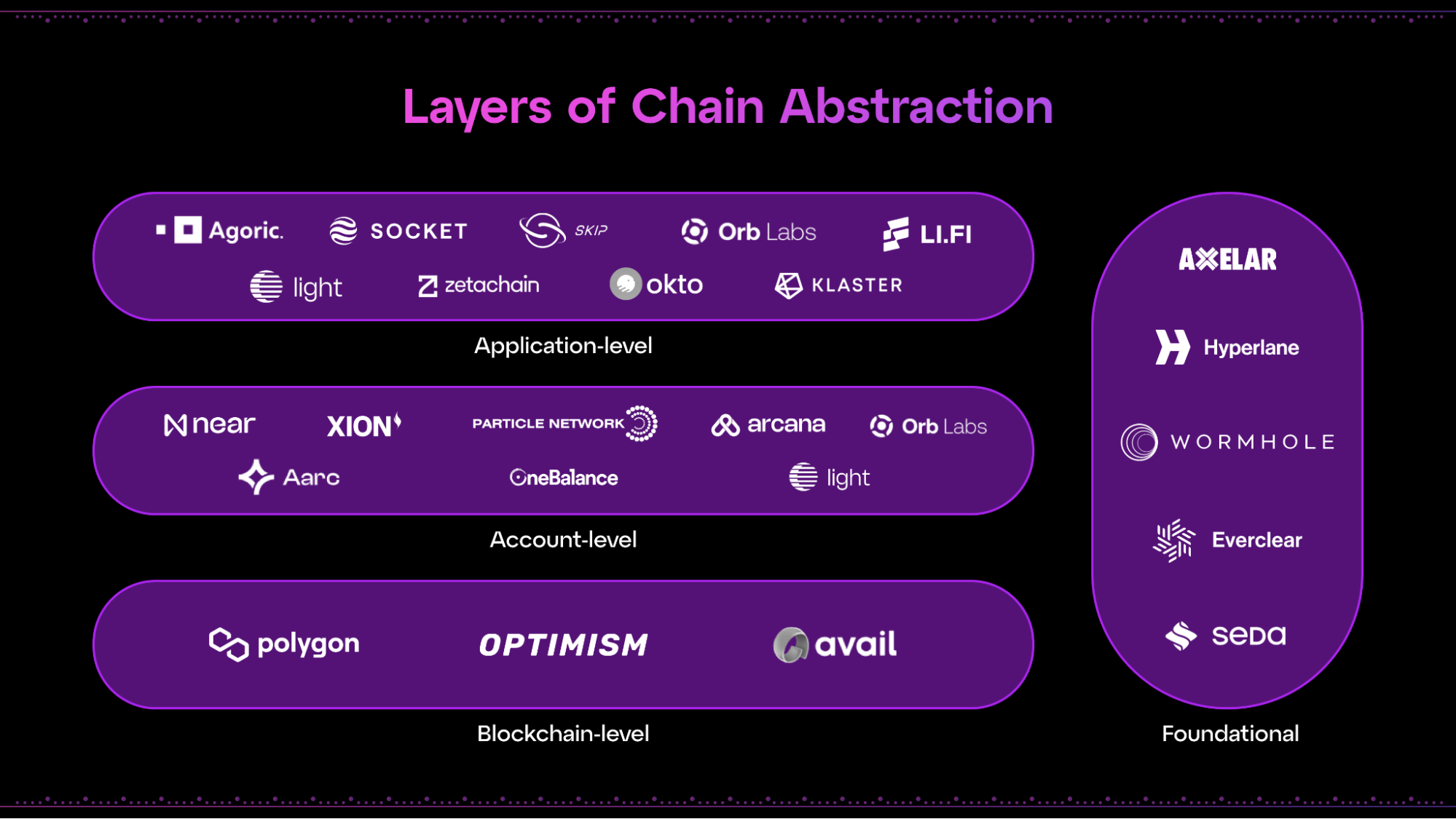
The landscape of chain abstraction is evolving rapidly, with new protocols emerging to address these security gaps. However, the principle remains: decentralization does not equal immunity. Users must remain vigilant, treating every cross-chain interaction as a high-stakes transaction requiring due diligence. For a broader perspective on common misconceptions and security realities, refer to Agoric’s analysis on chain abstraction and Safe’s insights on ecosystem security.
Common questions about chain abstraction
Users often conflate the infrastructure of chain abstraction with broader blockchain concepts or specific analytics firms. Clarifying these distinctions is essential for understanding how unified liquidity actually functions in a multi-chain environment.
What exactly does Chainalysis do?
Chainalysis is a blockchain analytics firm that tracks transactions across public ledgers for compliance and security purposes. It does not provide chain abstraction services. Chain abstraction refers to the middleware layer that allows users to interact with multiple blockchains as if they were a single network, abstracting away the complexity of bridges and cross-chain messaging protocols.
Is blockchain 100% safe?
No blockchain technology is 100% safe. While cryptographic proofs secure the ledger, smart contracts can contain vulnerabilities, and cross-chain bridges remain frequent targets for exploits. Chain abstraction protocols mitigate some risks by standardizing security models, but they do not eliminate the inherent risks of underlying smart contract code or oracle failures.
What are the 7 layers of the blockchain?
The blockchain stack is typically divided into seven layers: Physical, Network, Consensus, Reward, Incentive, Contract, and Application. Chain abstraction operates primarily across the Network, Consensus, and Application layers, creating a unified interface that hides the differences between underlying consensus mechanisms and network protocols from the end user.
No comments yet. Be the first to share your thoughts!