
The 2026 Reality: Abstractions Are Leaking
By 2026, chain abstraction has moved from concept to dominant UX pattern, yet the user experience remains imperfect. The core promise is simple: interact with decentralized applications without selecting networks, bridging assets, or managing multiple wallets. In practice, however, the underlying modular complexity still leaks through. Users often encounter unexpected gas fees, failed transactions due to liquidity gaps, or confusing error messages when an abstraction layer cannot seamlessly route across chains.
This "awkward phase" means that while abstractions exist, they are not yet invisible. The friction isn't gone; it's just hidden behind a cleaner interface until something breaks. For 2026, the challenge is not just building these abstractions, but ensuring they handle edge cases without exposing the user to the technical debt of the underlying infrastructure. The goal is a unified experience where the chain is irrelevant, but the reality is that the chain still matters when things go wrong.
The market is responding to this friction. As interoperability solutions mature, the focus is shifting from mere connectivity to reliability. Users are beginning to prioritize platforms that offer guaranteed transaction completion over those that simply attempt to route across the widest possible set of chains. This shift defines the 2026 landscape: not just connecting chains, but making the connection feel like a single, seamless action.
Chain abstraction 2026 choices that change the plan
The 2026 landscape for chain abstraction is defined by a specific tension: the user experience is smoother, but the underlying architecture is more complex. As noted by industry observers, we are in an "awkward phase" where abstractions exist but frequently leak, exposing users to unexpected fees or latency spikes [src-serp-2]. Evaluating a chain abstraction solution requires looking beyond the marketing promise of "seamless" interaction and examining the concrete tradeoffs in cost, speed, and security.
When comparing options, focus on how each protocol handles intent resolution. Some solutions prioritize speed by using centralized relayers, while others favor decentralization by using distributed validator networks. This choice directly impacts transaction finality and the risk of censorship. The following comparison outlines the primary factors to consider when selecting a chain abstraction layer for your specific use case.
| Factor | Speed / Finality | User Cost | Security Model | UX Friction |
|---|---|---|---|---|
| Intent-Based (Decentralized) | Medium (2-10s) | Low (Gasless) | High (Threshold Sig) | Low |
| Light Client Bridges | Fast (Sub-second) | Medium (Native Gas) | High (Cryptographic) | Medium |
| Centralized Relayers | Fastest (<1s) | Variable | Low (Trust Required) | None |
| Account Abstraction (ERC-4337) | Medium | Low (Bundler Fees) | Medium | Medium |
The choice between these models often depends on the application’s risk profile. For high-value transfers, the cryptographic guarantees of light client bridges or threshold signatures are worth the slight latency. For micro-transactions or social apps, the speed of centralized relayers or account abstraction bundlers may be preferable, provided the user accepts the trust assumptions.
As the ecosystem matures in 2026, expect a hybrid approach to dominate. Most robust chain abstraction layers will combine intent-based interfaces with modular backend routing, allowing users to choose their preferred tradeoff between speed, cost, and decentralization. The key is transparency: the best solutions will clearly display the underlying path and fees, rather than hiding them behind a "one-click" facade.
Choose the next step
How Chain Abstraction Will Define the Crypto UX works best as a clear sequence: define the constraint, compare the realistic options, test the tradeoff, and choose the path with the fewest hidden costs. That order keeps the advice usable instead of decorative. After each step, pause long enough to check whether the recommendation still fits the reader's actual situation. If it depends on perfect timing, unusual access, or a best-case budget, include a simpler fallback.
Spotting the Weak Options
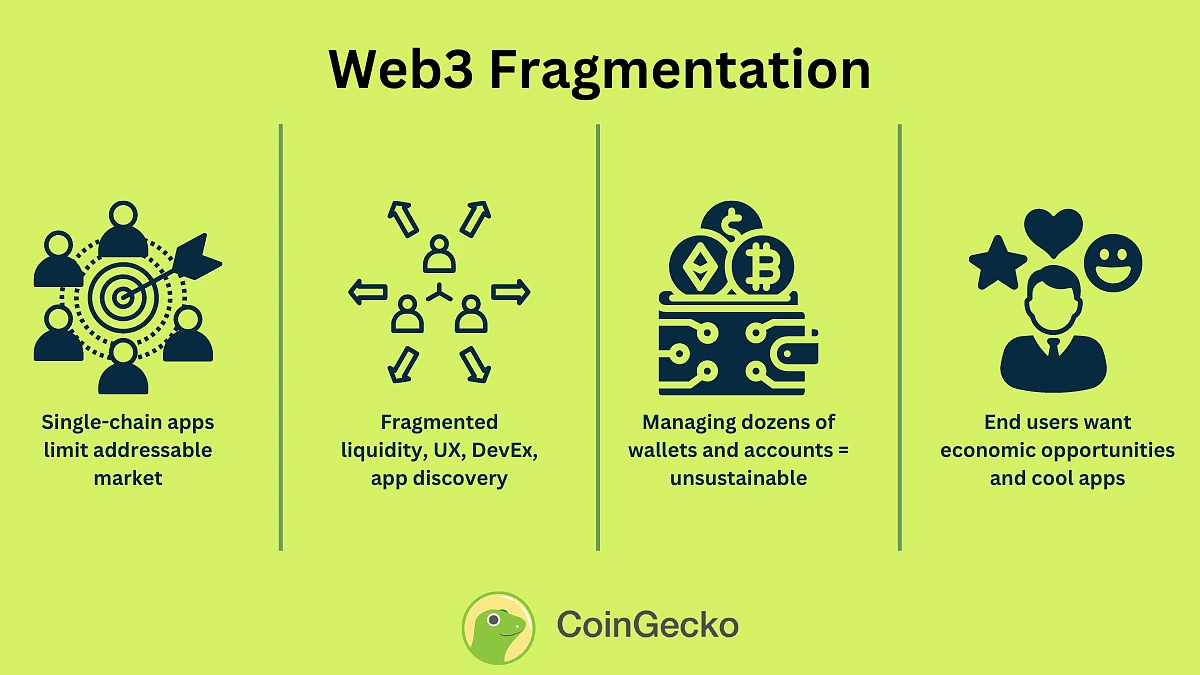
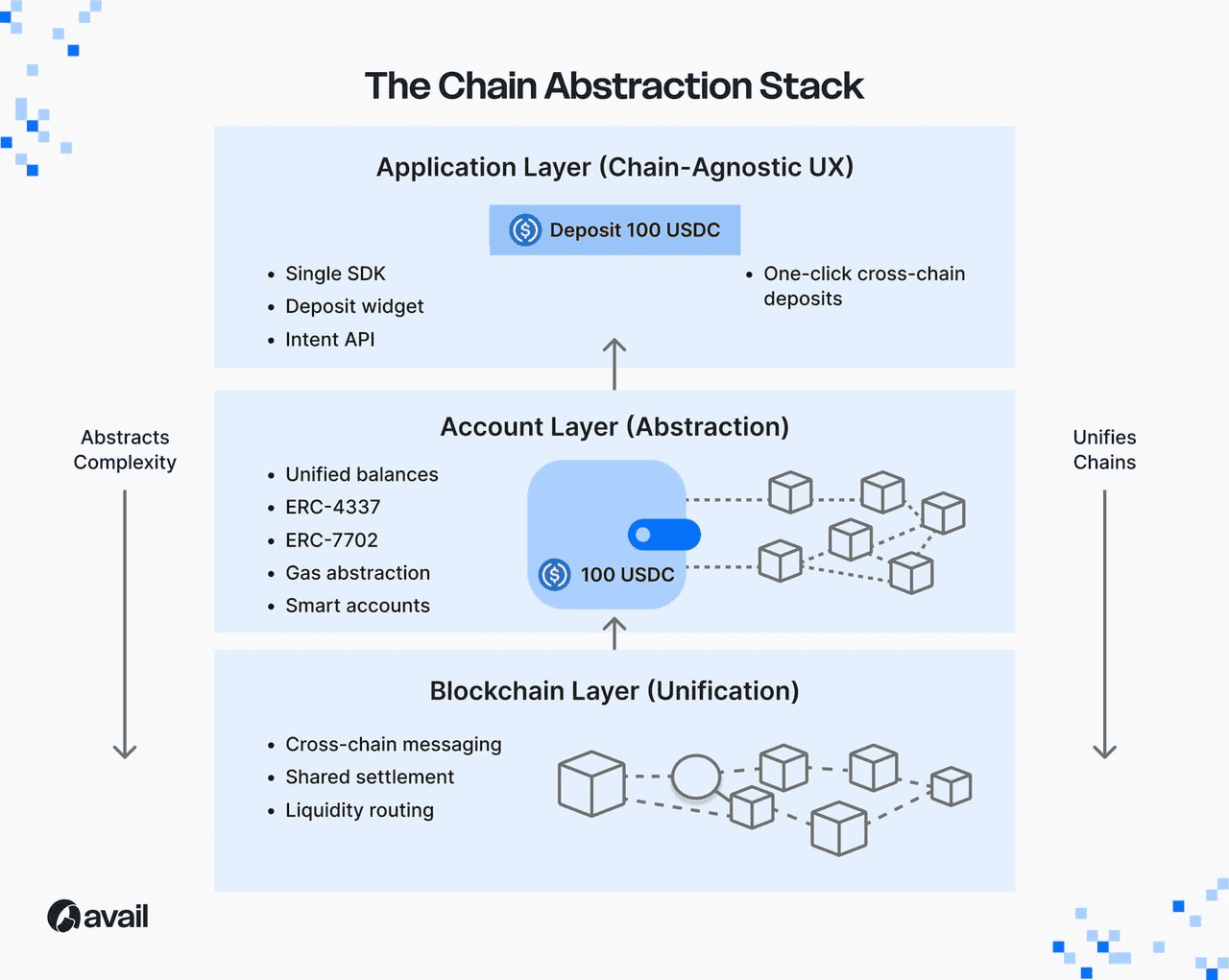
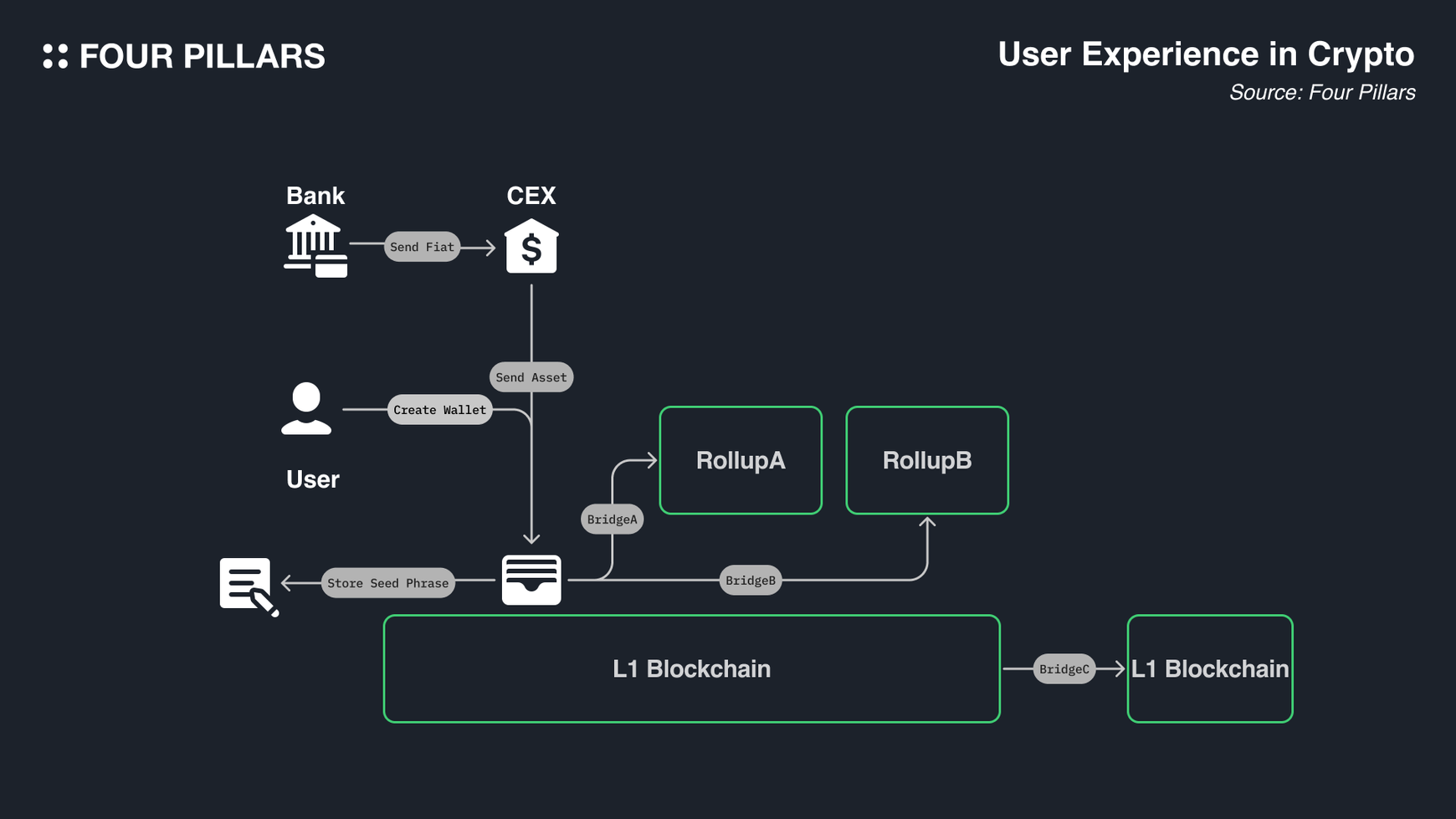
Chain abstraction promises a frictionless experience, but the current market is split between genuine infrastructure and marketing fluff. By 2026, the "modular mess" will only be hidden if users stop seeing it. Right now, many solutions leak the underlying complexity, forcing you to manage wallets, gas tokens, and bridging steps manually. To avoid these weak options, look for tools that handle cross-chain settlement invisibly.
The "Universal Wallet" Trap
Many new wallets claim to support every chain while actually just aggregating existing bridges. This approach often fails during high-volume periods because the bridge liquidity dries up. A true abstraction layer routes transactions through optimal paths without requiring you to approve multiple contracts or hold native gas tokens on every network. If the UX still requires you to select a source and destination chain, it is not abstracted; it is just a multi-chain interface.
Hidden Fees and Slippage
Abstracted transactions often bundle multiple steps into one action. While convenient, this can obscure the actual cost. You might see a single gas fee, but the protocol may be charging a spread on the currency conversion or bridge fee. Always check the final received amount against the initial send amount. Weak options hide these costs in the terms of service. Strong solutions display the total cost of abstraction upfront, including the routing fee and any potential slippage.
Security Through Obscurity
Some projects hide the security model behind a "magic button." This is risky because you don't know who is signing your transactions or where the funds are held. In 2026, transparency is the only sustainable path. Look for open-source routing protocols that clearly show the transaction path. If you cannot audit the route or understand the counterparty risk, the abstraction is likely a black box that could fail silently.
Chain abstraction 2026: what to check next
Chain abstraction aims to hide the underlying modular blockchain infrastructure, letting users interact with applications without selecting networks or managing multiple wallets. While the technology promises a seamless experience, the current landscape involves trade-offs between convenience, security, and cost that users need to understand before adopting.
No comments yet. Be the first to share your thoughts!