
Narrow down the problem
Chain abstraction solves fragmentation, but not every multi-chain headache needs it. Before adopting intent-centric UX or unified liquidity layers, identify which friction point actually hurts your workflow. The technology removes the burden of managing multiple wallets and bridges, but it introduces its own complexity in order routing and intent fulfillment.
Start by isolating the specific symptom. If you are tired of switching networks manually, you need account abstraction. If you are losing money to slippage and bridge risks, you need unified liquidity. If you are frustrated by confusing transaction confirmations, you need intent-centric design.
The "Too Many Wallets" Problem You are holding assets across Ethereum, Arbitrum, and Base. Transferring value requires wrapping tokens, paying gas on each chain, and hoping the bridge doesn’t fail. This is a user experience failure, not a protocol failure. Account abstraction (ERC-4337) solves this by allowing smart contract wallets to handle gas payments and cross-chain swaps in a single transaction. You pay gas in any token, and the bundler handles the rest.
The "Hidden Fees" Problem You are getting worse prices on DEXs because liquidity is split. A swap on Uniswap might cost 100 bps, while the same token on a competitor has deep liquidity but you can’t reach it easily. Unified liquidity protocols aggregate this depth, giving you the best price regardless of where the tokens actually sit. This is critical for high-volume traders who cannot afford slippage.
The "Uncertain Execution" Problem You send a transaction, and it fails, or it succeeds but with unexpected results. Intent-centric UX changes this by letting you state what you want (e.g., "swap ETH for USDC at the best rate") rather than how to do it. Solvers compete to fulfill your intent, often offering better rates and faster execution than manual swaps. This is ideal for users who prioritize outcome over process.
| Symptom | Root Cause | Likely Solution |
|---|---|---|
| Switching networks manually | Fragmented wallet management | Account Abstraction |
| High slippage on small pools | Scattered liquidity | Unified Liquidity Aggregators |
| Failed or confusing transactions | Complex manual execution | Intent-Centric Solvers |
If you are building a dApp, the choice is architectural. If you are a user, the choice is operational. Most modern wallets now offer all three, but understanding the underlying mechanism helps you troubleshoot when things go wrong.
Diagnose chain abstraction readiness
Before committing capital or building infrastructure, you need to determine if a protocol’s chain abstraction is genuine or just marketing. In 2026, the gap between unified liquidity and fragmented user experience remains wide. This diagnostic sequence helps you separate functional intent-centric UX from superficial bridging wrappers.
Start by auditing the user’s wallet interaction. If a user must manually switch networks, approve multiple transactions, or select a specific bridge for every trade, the abstraction is incomplete. True chain abstraction handles these backend complexities invisibly. The user should see a single balance and execute a single signed intent, regardless of which underlying chain settles the transaction.
Next, verify the liquidity routing mechanism. Fragmented liquidity often forces users into suboptimal execution paths or exposes them to slippage across multiple hops. A robust abstraction layer aggregates liquidity sources across chains, presenting a unified order book to the user. Check if the protocol uses intent-centric solvers that compete to fulfill requests, rather than relying on static, pre-funded bridges that drain liquidity during high volatility.
Finally, test the failure modes. When a transaction fails or a solver goes offline, does the system revert funds safely to the user’s primary chain? Poorly designed abstractions can lock assets in limbo during chain congestion. A reliable system ensures atomicity: either the entire cross-chain intent succeeds, or it fails without losing user funds.
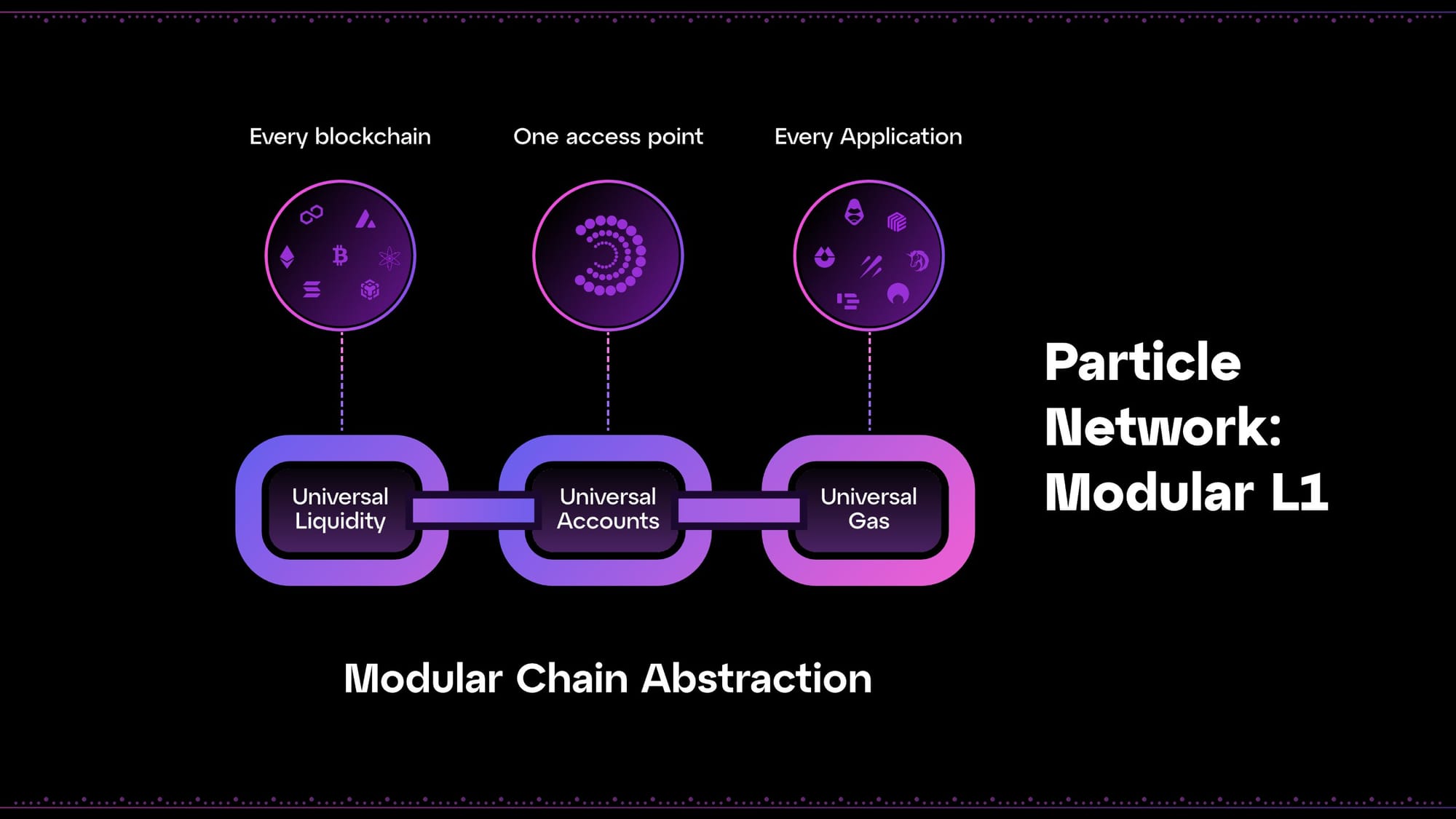
Check if the user must manually switch networks or approve multiple transactions. If they do, the abstraction is incomplete. Look for a single balance view and one signed intent per action.
Ensure the protocol aggregates liquidity across chains rather than using static bridges. Intent-centric solvers should compete to fulfill requests, providing better execution prices than fragmented pools.
Simulate transaction failures. Funds must revert safely to the user’s primary chain. Avoid systems that lock assets in limbo during chain congestion or solver outages.
| Model | User Experience | Liquidity Depth | Failure Risk |
|---|---|---|---|
| True Abstraction | Single intent, no chain selection | Aggregated, deep pools | Low, atomic reversion |
| Wrapped Bridging | Manual bridge selection, multiple txs | Fragmented, shallow pools | High, locked assets |
| Intent-Only Solver | Backend solver competition | Best execution via competition | Medium, solver dependency |
What usually fixes it
Chain abstraction fixes fragmentation by routing user intent through an intermediary layer rather than forcing direct wallet-to-chain interactions. This architecture solves the primary friction points: gas token management, cross-chain bridge risks, and complex network selection. The solution is not a single protocol but a combination of account abstraction (ERC-4337) and intent-centric solvers that execute transactions across multiple chains behind the scenes.
Unified Account Abstraction
The most immediate fix is implementing ERC-4337-compliant smart accounts. This allows users to pay transaction fees in any token, not just the native gas token of the chain they are on. Smart contracts handle the swapping and payment logic automatically. This removes the need for users to hold multiple tokens or manually bridge assets before interacting with a dApp. It is the foundational layer for any abstraction solution, enabling seamless onboarding without pre-funding specific wallets.
Intent-Centric Solvers
Instead of specifying exact transaction steps, users submit an "intent"—for example, "swap 1 ETH for as much USDC as possible." A network of decentralized solvers competes to fulfill this request by finding the optimal path across various liquidity pools and chains. This shifts the complexity from the user to the backend. It fixes the problem of fragmented liquidity by aggregating orders across chains, often resulting in better prices and lower slippage than traditional cross-chain bridges.
State Channels and Layer 2 Rollups
For high-frequency interactions, state channels and Layer 2 solutions provide the infrastructure fix. By moving execution off the main chain and only settling final states, these layers reduce costs and increase speed to near-instantaneous levels. This fixes the usability barrier for everyday applications like gaming or social media. The user experience becomes indistinguishable from Web2, as the underlying chain complexity is hidden within the rollup or channel protocol.
When to Use Which Fix
The right fix depends on the use case. For general DeFi trading, intent-centric solvers offer the best balance of liquidity and ease of use. For applications requiring high throughput and low latency, such as gaming or social platforms, Layer 2 rollups are the necessary infrastructure. For new users who need the simplest onboarding, ERC-4337 smart accounts are essential to remove gas token friction. Combining these layers creates a truly abstracted experience where the user never sees the chain.
Chain abstraction 2026: what to check next
Chain abstraction doesn’t replace blockchain; it makes the underlying fragmentation invisible. Users interact with a single interface while the system routes intents across multiple networks. This shift reduces the friction of manual bridging and allows unified liquidity to flow where it’s needed most.
Is XRP a layer 1 or layer 2?
XRP is a native layer 1 protocol. It operates on its own ledger with its own consensus mechanism, distinct from Ethereum’s layer 2 scaling solutions. While chain abstraction layers may eventually route transactions involving XRP, the asset itself remains a base-layer settlement network.
Does blockchain really have a future?
The future of blockchain lies in abstraction, not replacement. By hiding the complexity of separate chains, developers can build applications that feel like single-platform tools. This approach preserves the security and decentralization benefits of distributed ledgers while delivering the user experience expected in 2026.
What is the longest chain rule in blockchain?
The longest chain rule is a consensus mechanism used by proof-of-work networks like Bitcoin to determine the valid state. In chain abstraction, this rule becomes less relevant to end-users because intent-centric systems settle outcomes across networks without requiring users to track chain forks or validity.
What is replacing blockchain?
Nothing is replacing blockchain infrastructure. Instead, chain abstraction is replacing the experience of navigating multiple chains. Unified liquidity protocols and intent-centric UX frameworks allow users to trade, lend, or stake assets without ever selecting a specific network or managing cross-chain bridges manually.
Quick checklist
-
Match the sizeMake sure the chain abstraction 2026 option fits your household, storage space, and normal batch size.
-
Check the materialChoose a material that handles heat, washing, and regular use without becoming a chore.
-
Plan the cleanupAvoid anything that needs more maintenance than you are likely to give it.
-
Keep one fallbackHave a simple backup option for rushed days.
No comments yet. Be the first to share your thoughts!