
Chain Abstraction in 2026: Unified Liquidity vs. Fragmentation
Chain abstraction is the design goal of making users interact with blockchain applications without ever picking, seeing, or thinking about which network they are on. Instead of managing multiple wallets, bridging assets across chains, and paying gas fees in native tokens, users experience a single, unified interface. This shift moves the complexity from the user to the underlying infrastructure, allowing liquidity to flow freely without the friction of multi-chain fragmentation.
In 2026, the primary advantage of this approach is the consolidation of liquidity. Previously, capital was trapped in silos across different blockchains, leading to higher slippage and inefficient pricing. By abstracting the chain layer, applications can access a deeper pool of assets, resulting in better trade execution and lower costs for end-users. This unified liquidity model is replacing the fragmented landscape where users had to manually navigate between networks to find the best rates.
However, this shift is not without tradeoffs. While the user experience improves significantly, the underlying architecture becomes more complex. Developers must rely on sophisticated routing protocols and cross-chain messaging systems to ensure assets move securely and efficiently. For users, this means trusting a more centralized or automated layer to handle the heavy lifting. The decision to adopt chain abstraction often comes down to weighing the convenience of a seamless experience against the technical risks associated with cross-chain operations.
Chain abstraction 2026 choices that change the plan
Use this section to make the Chain Abstraction decision easier to compare in real life, not just on paper. Start with the reader's actual constraint, then separate must-have requirements from details that are merely nice to have. A practical choice should survive normal use, maintenance, timing, and budget. If a recommendation only works in an ideal situation, call that out plainly and give the reader a fallback path.
| Factor | What to check | Why it matters |
|---|---|---|
| Fit | Match the option to the primary use case. | A good deal still fails if it does not fit the job. |
| Condition | Verify age, wear, and service history. | Hidden condition issues erase upfront savings. |
| Cost | Compare purchase price with likely upkeep. | The cheapest option is not always the lowest-cost option. |
How to Choose the Right Chain Abstraction Approach
Chain abstraction moves from theoretical promise to practical infrastructure. In 2026, the choice is no longer whether to adopt it, but which layer handles the complexity. You can build on existing abstraction protocols, integrate cross-chain messaging, or wait for native chain-level solutions. Each path offers different tradeoffs in speed, cost, and control.
Use this framework to evaluate your current setup against three common implementation paths. Focus on where your users drop off and which technical debt is holding you back.
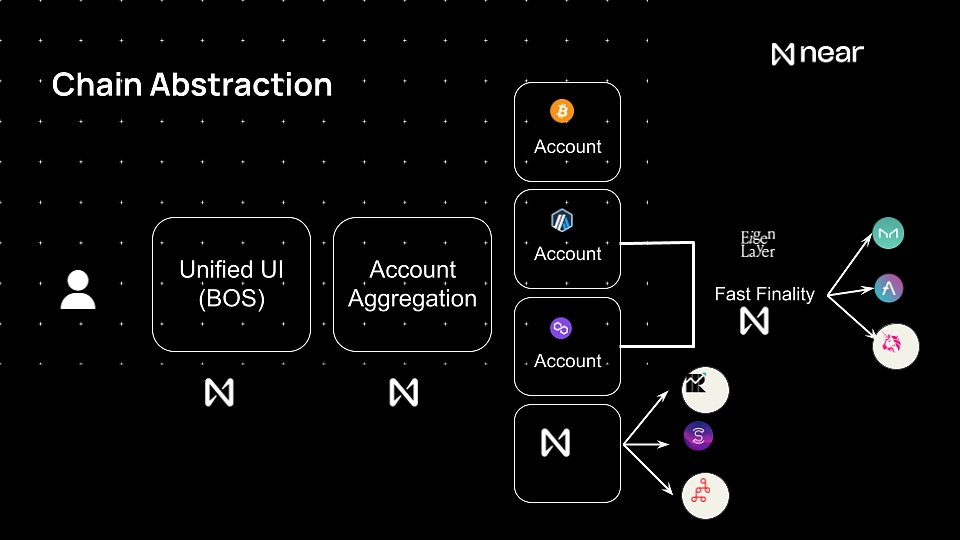
Start by mapping where your users lose money or attention. Is it gas fees on Layer 2s? Approval tokens? Slow cross-chain swaps? Quantify the friction. If more than 15% of your users drop off during asset bridging, you need a unified liquidity layer that handles the routing automatically.

You have three main options. First, use an abstraction SDK to wrap your existing app. Second, build on a chain-agnostic DEX that handles liquidity aggregation. Third, wait for native chain-level abstraction. The SDK route is fastest but adds dependency risk. The DEX route offers better liquidity but less branding control. Native solutions are the cleanest but may not be ready for your specific chain.

Before full deployment, test one asset pair across two chains. Measure transaction time, slippage, and user drop-off. If the abstraction layer reduces friction by 30% or more, scale to more pairs. If not, revisit your routing logic or consider a different provider.
| Path | Speed | Control | Risk |
|---|---|---|---|
| Abstraction SDK | Fast | Low | Medium |
| Chain-Agnostic DEX | Medium | Medium | Low |
| Native Chain-Level | Slow | High | Low |
The right choice depends on your timeline and risk tolerance. If you need results now, the SDK path is your best bet. If you can wait for better infrastructure, native solutions will offer the cleanest experience. Either way, start small and measure everything.
Spotting Weak Options in Chain Abstraction
Chain abstraction promises a unified liquidity layer, but many projects deliver only a wrapped facade. Users face hidden bridging fees, cross-chain latency, and smart contract risk that the marketing gloss hides. Before committing capital, verify the actual settlement path and the security model behind the abstraction.
The most common pitfall is assuming "one-click" means "one chain." Many solutions still require manual asset wrapping or rely on centralized relayers. If the protocol doesn't explicitly state which consensus layer settles the final state, treat it as a high-risk experimental product rather than a mature financial tool.
Look for transparent bridge audits and native liquidity pools. Avoid projects that obscure their cross-chain messaging protocols or lack open-source verification. True abstraction removes friction without adding new points of failure. If you can't trace the asset's journey from origin to destination, the abstraction is likely a liability, not an asset.
Chain abstraction 2026: what to check next
Chain abstraction removes the friction of multi-chain management by unifying liquidity and user experience across disparate networks. As the infrastructure matures in 2026, practical concerns around cost, security, and usability take precedence over theoretical benefits.
Do I still need to manage multiple wallets?
No. The primary goal of chain abstraction is to make the underlying blockchain invisible to the user. You interact with a single interface or wallet, while the abstraction layer handles the routing, bridging, and settlement across different chains in the background. This eliminates the need to hold native gas tokens on every specific network.
Is chain abstraction more expensive than traditional bridging?
Generally, no. By aggregating liquidity and optimizing transaction paths, abstraction layers often reduce gas fees and slippage compared to manual bridging. However, costs can fluctuate based on network congestion and the specific abstraction protocol used. Always compare the total cost of execution against direct bridging for high-value transactions.
Where is my liquidity if I don't see it on one chain?
Your assets remain on their native chains, but the abstraction layer allows you to access unified liquidity pools across all connected networks. Think of it like a global debit card: you don't need to carry cash in every country's currency, but the bank ensures the funds are available and exchanged at the point of sale. This reduces fragmentation and improves price efficiency.
Is chain abstraction secure?
Security depends on the specific abstraction layer and the smart contracts involved. While abstraction reduces user error (like sending tokens to the wrong chain), it introduces new smart contract risks. Choose protocols with audited code and transparent security models. The infrastructure shift makes blockchain invisible, but it does not eliminate the need for due diligence on the underlying technology.
No comments yet. Be the first to share your thoughts!