
The problem with fragmented blockchains
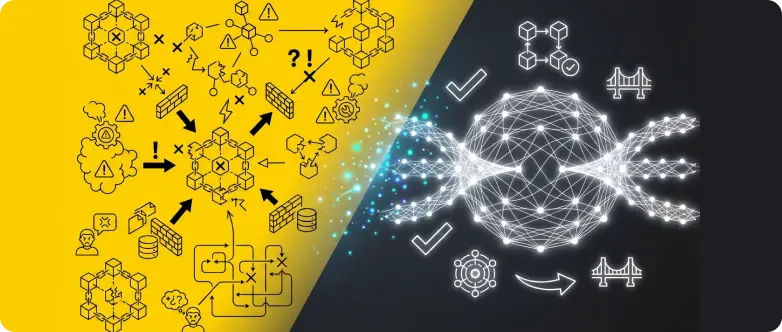
Multi-chain development currently feels like managing a closet full of mismatched keys. Each blockchain operates as its own silo, requiring developers to write separate integrations for every new network they want to support. This fragmentation forces teams to handle different wallet signatures, manage distinct liquidity pools, and build complex bridging logic just to move assets between chains.
For users, the experience is equally disjointed. You might want to interact with a specific DeFi protocol, but you first need to ensure you are on the correct network, hold the right native token for gas, and have funds in the right wallet address. This friction creates liquidity silos where capital is trapped on isolated chains rather than flowing freely to where it is most efficient.
Chain abstraction addresses these pain points by acting as a unified interface layer. Instead of forcing users or developers to manage the underlying complexity of multiple ledgers, it hides the differences between chains. The result is a simplified interaction model where the underlying blockchain mechanics become invisible, allowing focus to shift back to the actual utility of the application.
How to build with unified liquidity
Integrating chain abstraction into your dApp shifts the burden of cross-chain complexity from the user to the backend. Instead of forcing users to bridge assets manually or manage fragmented liquidity pools, you provide a unified experience where transactions settle on-chain regardless of the user’s origin.
The technical stack relies on intents, unified accounts, and smart order routing. Follow these steps to structure your integration for 2026.
Start by replacing direct transaction requests with intent-based queries. Users declare what they want (e.g., "swap 1 ETH for USDC") rather than how to do it. This allows your dApp to aggregate liquidity from multiple chains without managing the execution logic yourself. Use an intent protocol to broadcast these requests to solvers who compete to fulfill them optimally.
Deploy a unified account structure that persists across chains. This allows users to maintain a single identity and balance view. When a user interacts with your dApp, the account abstraction layer handles the necessary cross-chain transfers in the background. This ensures that the user’s session remains continuous, even if the underlying settlement occurs on a different network.
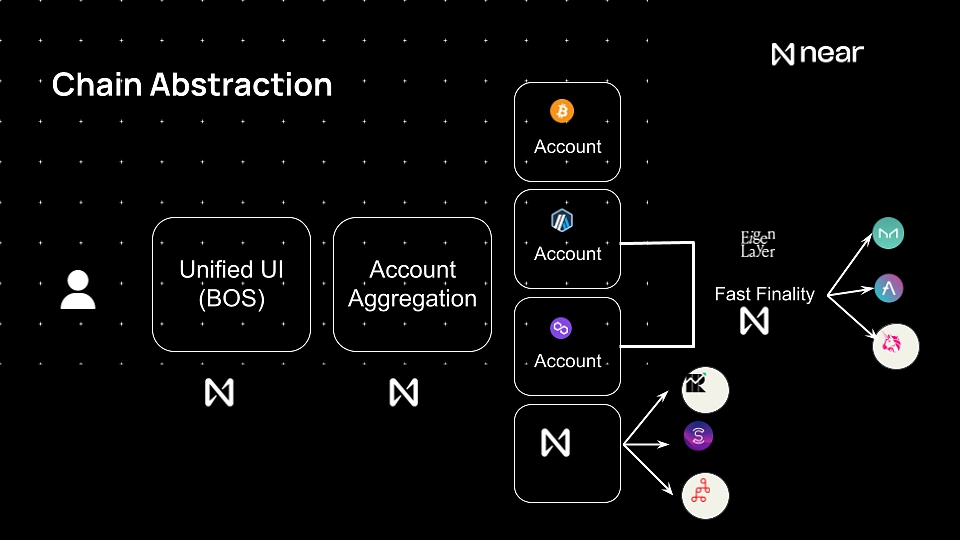
Connect your backend to a smart order routing engine that scans multiple chains for the best execution price. This engine splits large orders across liquidity sources to minimize slippage. By abstracting the routing logic, your dApp can offer competitive rates without maintaining direct partnerships with every liquidity provider on every chain.
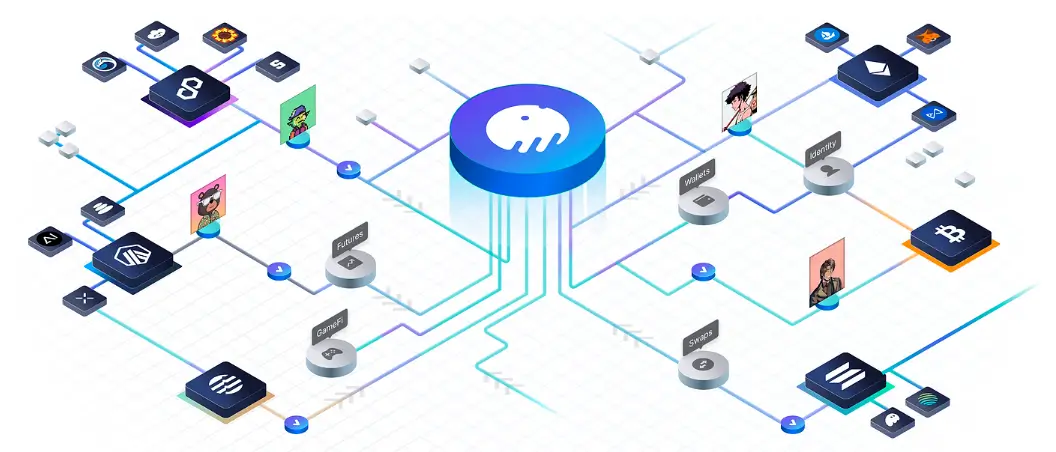
Configure the settlement layer to automatically handle asset bridging or native settlement. When a solver fulfills an intent, the settlement layer ensures the assets arrive in the user’s wallet on the target chain. This step is invisible to the user, who only sees the final result of their transaction. Ensure your integration supports gasless transactions to further reduce friction.
By structuring your dApp around these four components, you create a seamless environment where users can interact with DeFi protocols without worrying about chain fragmentation. The focus shifts from technical execution to user value, driving higher engagement and retention.
Common integration mistakes to avoid
Troubleshooting chain abstraction integrations should start with a clear boundary: what is actually broken, and what still works normally. Check the display, network connection, paired devices, app access, and recent updates before assuming the whole system needs a reset. A small connection failure can make the main screen feel unreliable even when the core system is fine.
Work from low-risk checks to deeper resets. Confirm power state, safe parking, account access, and signal first. Then restart the interface, wait for it to reload completely, and test the original symptom. Avoid changing multiple settings at once because that makes it harder to know which step actually fixed the problem.
If the issue affects safety information, repeats after every restart, or appears with warning messages, treat the reset as a temporary diagnostic step rather than the final fix. Document the symptom and move to official support instead of stacking more DIY attempts.
The simplest way to use this section is to keep the setup small, verify each change, and record the stable configuration before adding optional accessories.
Verify cross-chain security
Intent-based systems and bridge dependencies introduce new attack surfaces that don't exist in single-chain environments. Before integrating chain abstraction, you must audit the underlying infrastructure. This checklist ensures you are not relying on a single point of failure.
Security verification steps
- Audit the intent solver: Confirm the solver has a clear slashing mechanism and transparent history. If the solver is opaque, your assets are at risk of being exploited during complex routing.
- Check bridge liquidity: Ensure the bridge has sufficient depth to handle your expected volume without extreme slippage or downtime during high-traffic periods.
- Verify smart contract upgrades: Look for timelocks and multi-sig requirements on the abstraction layer contracts. Immediate admin privileges are a major red flag.
- Review oracle dependencies: Chain abstraction relies on accurate state proofs. Verify that the oracle network has decentralized consensus and hasn't been compromised in recent audits.
Due diligence resources
Use Chainlink's oracle security guidelines to evaluate the data feeds powering your abstraction layer. Additionally, review any recent audit reports from firms like Trail of Bits or OpenZeppelin for the specific bridge contracts you plan to use.
Chain abstraction simplifies UX but centralizes risk. Verify the solver's slashing conditions and bridge liquidity before committing significant capital.
Understanding chain abstraction layers
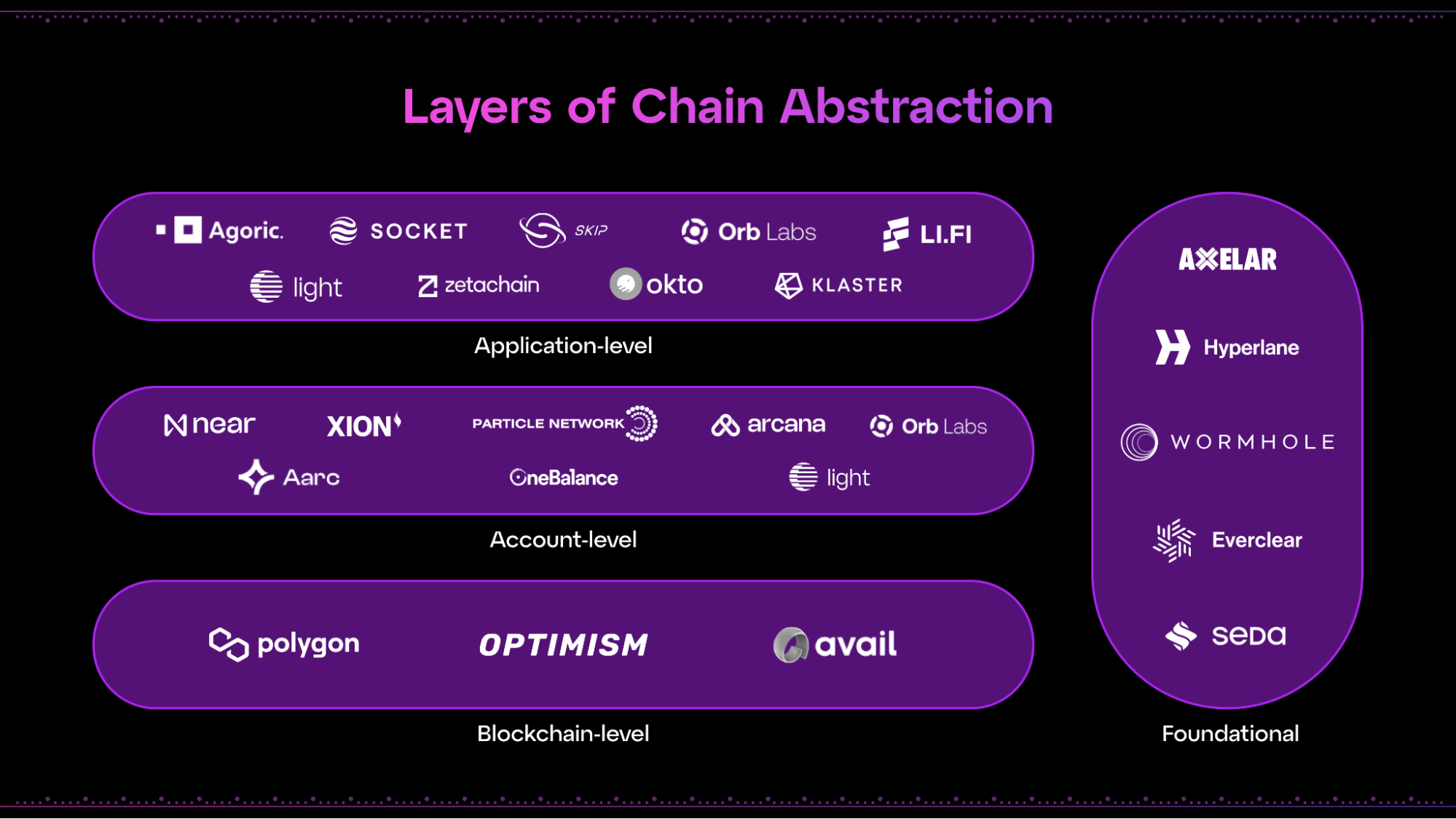
Chain abstraction works by stacking three distinct technical layers: Account Abstraction, an Intent Layer, and an Execution Layer. This structure hides the underlying blockchain complexity, allowing developers to build applications that function as if they exist on a single network.
The Account Abstraction layer manages user identity and session keys. It replaces traditional private key management with smart contract wallets, enabling features like social recovery and gasless transactions. This layer ensures that the user experience remains consistent regardless of which chain the user is currently interacting with.
The Intent Layer acts as the translator. Users submit high-level goals (like "swap 10 ETH for USDC") rather than specific transaction instructions. The layer then determines the best path to fulfill that intent, potentially bridging assets across multiple chains in the background without the user needing to manage bridges or wrap tokens.
The Execution Layer handles the actual settlement. It routes the transaction to the appropriate blockchain, executes the necessary swaps or transfers, and confirms the result. This layer ensures that the final state is updated on the destination chain, completing the loop seamlessly for the user.
| Layer | Function | Developer Focus |
|---|---|---|
| Account Abstraction | Manages identity and keys | Wallet UX and security |
| Intent Layer | Translates goals to actions | Routing logic and efficiency |
| Execution Layer | Settles transactions on-chain | Gas optimization and speed |
Frequently asked questions about chain abstraction
Chain abstraction is a user experience framework that unifies fragmented blockchain networks into a single interface. Instead of juggling multiple wallets, bridging assets manually, or understanding which chain holds your funds, the abstraction layer handles the complexity behind the scenes. You simply interact with the application you want, and the infrastructure routes the transaction to the correct chain. This removes the friction that typically keeps mainstream users from adopting multi-chain DeFi.
Is blockchain 100% safe? No system is perfect, but blockchain remains significantly more resistant to fraud and tampering than centralized databases. Chain abstraction does not introduce new security vulnerabilities; it merely shifts the custody and routing logic. As long as you use reputable protocols and verify transaction details, the underlying cryptographic security remains intact. However, always remain cautious of smart contract risks inherent to any DeFi interaction.
No comments yet. Be the first to share your thoughts!