
The 2026 constraint: unified liquidity
Chain abstraction in 2026 is no longer a theoretical promise; it is a structural requirement for mass adoption. The primary constraint facing the industry is not scalability, but fragmentation. Users interact with a single interface, while the underlying infrastructure remains a patchwork of disjointed networks. This disconnect creates friction that traditional finance has already solved through unified ledgers.
In 2026, the focus has shifted from bridging assets to orchestrating intent. Chain abstraction defines an architecture where the user specifies what they want to achieve, rather than how to execute it across multiple chains. This intent-based model abstracts away the complexity of gas tokens, bridge delays, and network selection. The goal is a single, seamless experience where the blockchain layer becomes invisible.
This shift addresses the core fragmentation crisis. Without abstraction, liquidity remains siloed, forcing users through a complex web of protocols to access the best rates or services. Unified liquidity aggregates these fragmented pools, ensuring that capital flows efficiently regardless of the underlying chain. For developers and users alike, this means interacting with a network that behaves as one cohesive system, rather than a collection of isolated islands.
Chain abstraction 2026 choices that change the plan
Chain abstraction promises a single interface for fragmented liquidity, but the underlying architecture introduces specific friction points. In 2026, the "leaky" abstraction phase means you must evaluate three concrete factors: latency, counterparty risk, and cross-chain slippage. Ignoring these tradeoffs can turn a seamless user experience into a failed transaction.
Latency and Finality
Abstracted transactions often rely on optimistic bridges or interop layers that add confirmation time. While a native swap on a single chain settles in seconds, an abstracted move across three networks may take minutes due to fault detection periods. For high-frequency trading, this delay is unacceptable. For casual transfers, it is a minor inconvenience.
Counterparty and Bridge Risk
Abstraction layers introduce new smart contract dependencies. If the intent solver or bridge contract fails, funds can be trapped or lost. Unlike native chain interactions where you know the exact protocol, abstracted flows obscure the underlying risk surface. Always verify the security audits of the abstraction layer, not just the destination dApp.
Cross-Chain Slippage
Liquidity aggregation across chains is not always optimal. The abstraction layer must route orders through multiple pools to find the best price, which can increase slippage compared to a direct on-chain trade. In volatile markets, this hidden cost can erode profits significantly.
| Tradeoff | Native Chain | Abstracted | Risk |
|---|---|---|---|
| Latency | Seconds | Minutes | Low |
| Complexity | High (Manual bridging) | Low (Single UI) | Low |
| Security Surface | Single Contract | Multiple Layers | High |
| Slippage | Direct Pool | Aggregated Routes | Medium |
How to Choose the Right Chain Abstraction Strategy
Chain abstraction is no longer just a technical concept; it is a user experience framework that unifies fragmented blockchain networks into a single interface. For developers and product teams in 2026, the decision is not whether to adopt it, but how to implement it without sacrificing security or user control. The goal is to make users interact with applications without picking, seeing, or thinking about the underlying chains.
Use this step-by-step framework to evaluate your integration path. Each step addresses a critical decision point in the chain abstraction landscape, from intent-based architecture to cross-chain liquidity routing.
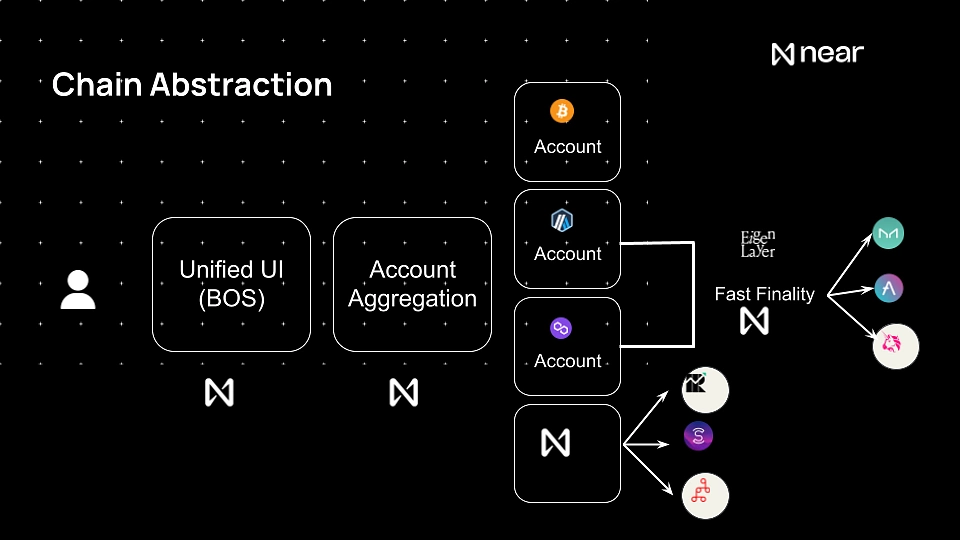
Start by determining if your application requires an intent-based architecture. Unlike traditional transaction signing, intent-based systems allow users to declare what they want (e.g., "swap X for Y") while offloading the complex execution details to solvers. This reduces gas costs and failed transactions, as specialized agents handle the routing across disjointed networks. Evaluate if your user base prioritizes ease of use over direct transaction visibility.

Identify a liquidity aggregator that supports your target chains. The fragmentation crisis is solved by protocols that pool liquidity from multiple sources, ensuring users get the best rates without manual bridging. Look for providers that offer native support for stablecoins and major assets across Ethereum, L2s, and alternative L1s. Verify that the protocol handles slippage protection and gas abstraction automatically.
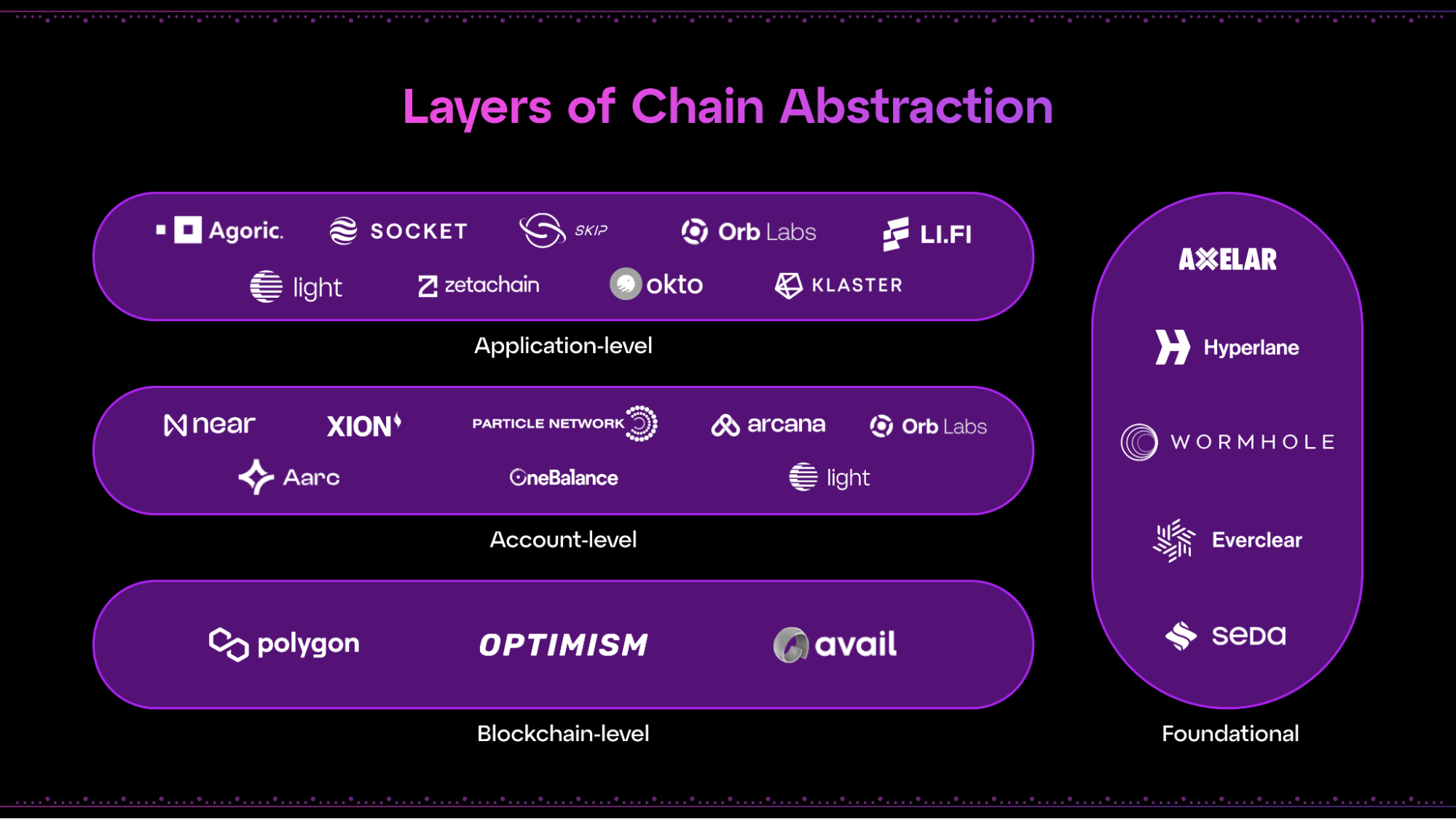
Implement ERC-4337 or similar account abstraction standards to enable smart contract wallets. This allows for social recovery, batched transactions, and gas sponsorship. By decoupling the wallet from the private key, you remove the friction of seed phrases and complex signing processes. Ensure your integration supports session keys for seamless, recurring interactions without constant user approval.
Audit your cross-chain communication layer. Chain abstraction relies on bridges and message passing, which are common attack vectors. Prefer protocols with audited, decentralized relayers over centralized bridges. Implement rate limits and withdrawal delays for high-value transactions. Regularly review the security models of your liquidity providers and intent solvers to ensure they align with your risk tolerance.
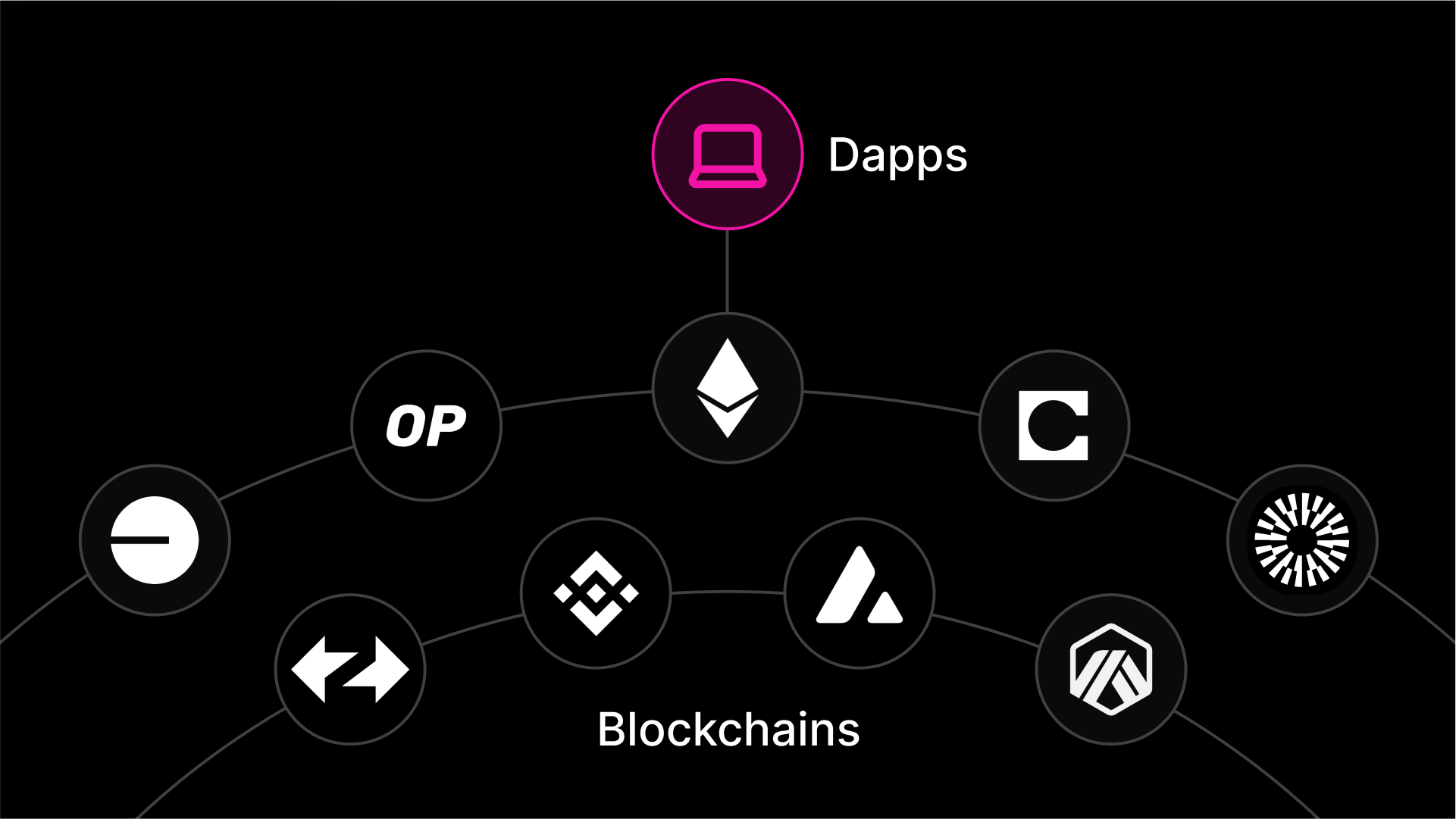
Measure the success of your abstraction layer by tracking transaction success rates, time-to-completion, and user drop-off points. A successful chain abstraction strategy should feel invisible to the user. If users are confused about which chain they are on or why a transaction is pending, refine your intent layer or liquidity routing. Use analytics to identify friction points in the cross-chain flow.
By following this framework, you can manage the complexities of chain abstraction and deliver a seamless experience that hides the fragmentation of the blockchain landscape. The focus remains on the user's intent, not the underlying technology.
Avoid the weak options
Use this section to make the Chain Abstraction decision easier to compare in real life, not just on paper. Start with the reader's actual constraint, then separate must-have requirements from details that are merely nice to have. A practical choice should survive normal use, maintenance, timing, and budget. If a recommendation only works in an ideal situation, call that out plainly and give the reader a fallback path.
The simplest way to use this section is to write down the must-have criteria first, then compare each option against those criteria before weighing nice-to-have features.
No comments yet. Be the first to share your thoughts!