
Why Bridging Breaks in 2026
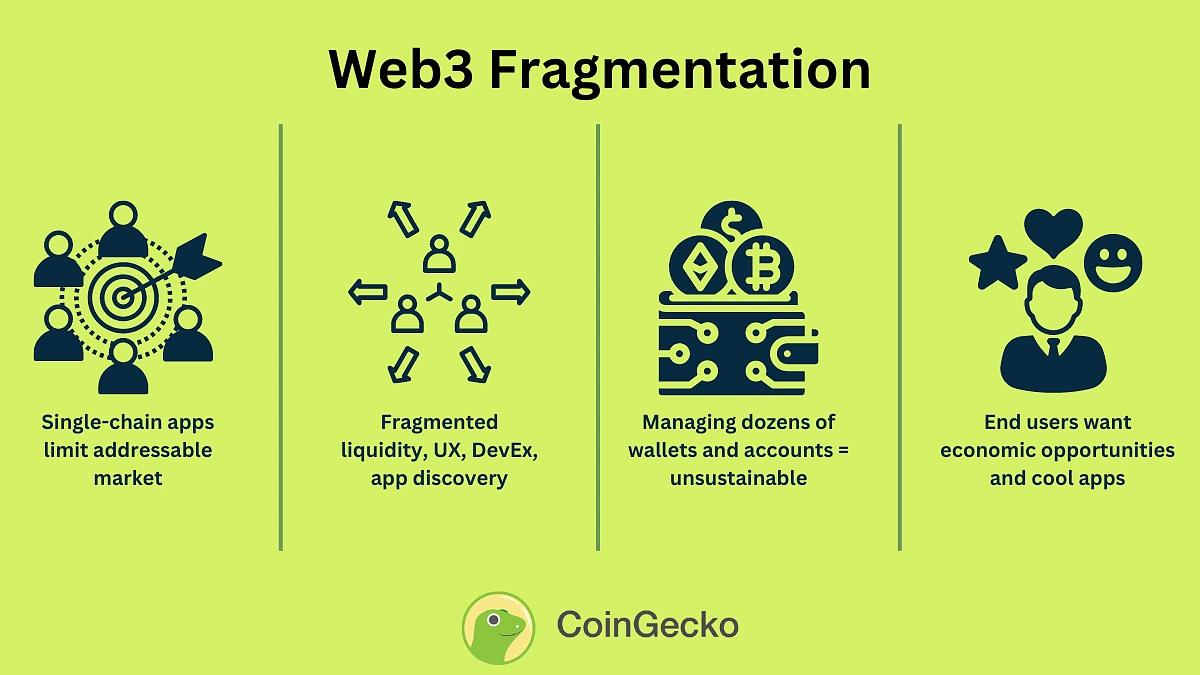
The current model of moving assets between blockchains is fundamentally broken. Traditional bridges require users to manually select networks, approve transactions on multiple chains, and wait for finality across disparate consensus mechanisms. This friction is not just an inconvenience; it is a systemic vulnerability that chain abstraction aims to eliminate.
Security risks remain the primary failure point. Bridge hacks have cost the industry billions, as cross-chain protocols often act as centralized points of failure. Users must trust opaque smart contract logic to safeguard their funds during transit. In contrast, intent-centric models settle assets on-chain without exposing them to intermediate bridge contracts, significantly reducing the attack surface.
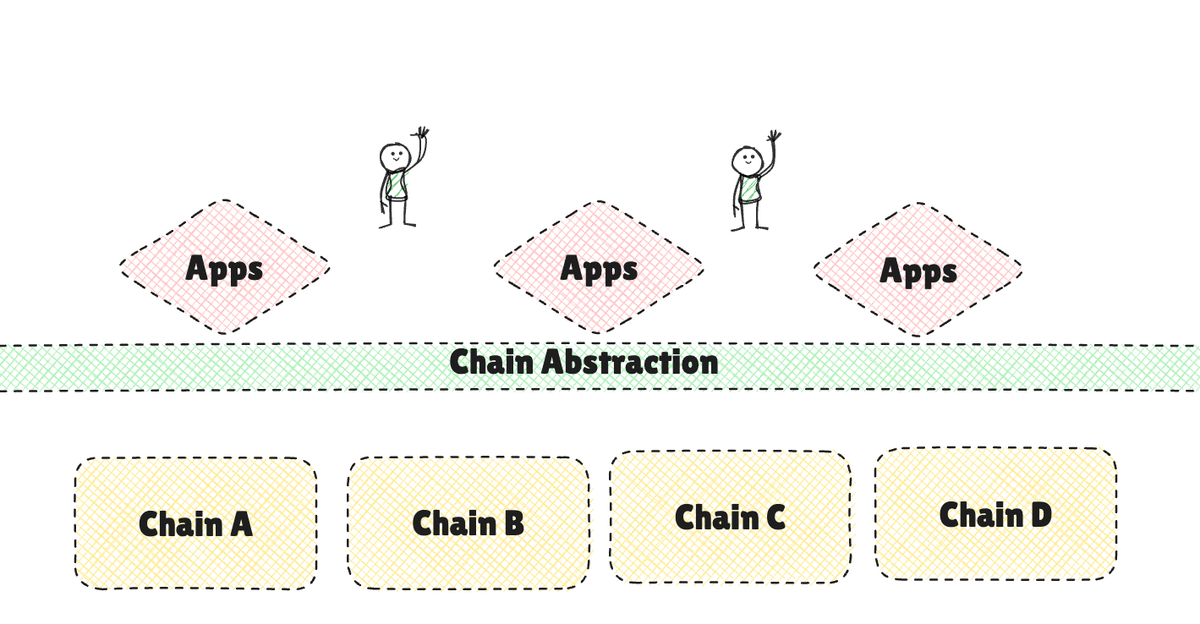
The user experience is equally fractured. A seamless financial product should not require the user to understand which chain their asset resides on. Chain abstraction shifts this complexity to the backend, allowing users to interact with dApps as if they were using a single, unified ledger. This shift is essential for mass adoption, where the underlying infrastructure should be invisible to the end user.
As we move into 2026, the industry is recognizing that bridging is a transitional technology. The focus is shifting toward solutions that abstract away the complexity of multi-chain interactions entirely. This means no more network switching, no more bridge approvals, and no more exposure to bridge-specific risks.
How intent-centric architecture works
Chain abstraction 2026 shifts the burden of execution from the user to the protocol. In traditional decentralized finance, users must manually select a chain, wrap assets, and bridge funds across fragmented liquidity pools. This process is error-prone and capital inefficient. Intent-centric architecture replaces this manual routing with a declaration of desired outcomes.
Users specify what they want to achieve—such as swapping token A for token B at a specific rate—without dictating the path. The system then delegates the execution to specialized agents called solvers. These solvers compete to find the most efficient route across multiple chains, often utilizing complex off-chain computation and on-chain settlement to fulfill the request. This model effectively hides the underlying modular complexity from the end user.
The result is a unified liquidity environment. Instead of fragmented pools on individual chains, liquidity is aggregated and routed dynamically. This reduces slippage and improves capital efficiency. As noted in recent industry analysis, this approach trades user-visible complexity for developer-hidden complexity, streamlining the experience while maintaining the security guarantees of the underlying protocols.
The role of solvers in execution
Solvers are the engines of intent-centric systems. They scan the network for the best execution path, balancing speed, cost, and price impact. By competing for user intents, solvers drive down transaction costs and improve fill rates. This competition ensures that users receive optimal execution without needing to understand the intricacies of cross-chain messaging or bridge mechanics.
This architecture also enhances security. Since users do not sign complex, multi-step transactions, the risk of interacting with malicious contracts is reduced. The solver handles the transaction construction, and the user only approves the final outcome. This separation of concerns is a critical component of the chain abstraction 2026 vision, making decentralized finance more accessible and reliable for institutional and retail participants alike.
Unified liquidity pools in practice
Chain abstraction 2026 relies on aggregating liquidity across disparate networks so users never need to hold native assets on every chain. Instead of manually bridging funds or swapping tokens on each destination, protocols route orders through a unified pool of liquidity. This approach treats the entire multi-chain ecosystem as a single market, where capital is shared rather than siloed.
The mechanism works by decoupling the user’s interface from the underlying settlement layer. When a user initiates a transaction, the intent is broadcast to a network of relayers or liquidity providers who fulfill it using the most efficient available pool. The user sees a single balance and a single transaction receipt, while the protocol handles the complex cross-chain settlement in the background.
This model contrasts sharply with traditional bridging, which often requires locking assets in a vault on one chain and minting wrapped versions on another. That process introduces latency, fragmentation, and significant counterparty risk. Unified liquidity eliminates these friction points by keeping assets in their native form and settling value across chains via intent-based matching.
The table below compares the operational differences between traditional bridging and modern chain abstraction.
| Feature | Traditional Bridging | Chain Abstraction | User Experience |
|---|---|---|---|
| Asset Movement | Lock and Mint | Intent-Based Routing | Single interface |
| Liquidity Source | Siloed Vaults | Aggregated Pools | Deep liquidity |
| Gas Fees | Multiple Chains | Single Chain | Simplified costs |
| Security Model | Bridge Smart Contracts | Consensus/Relayers | Reduced attack surface |
Leading chain abstraction projects
Use this section to make the Chain Abstraction decision easier to compare in real life, not just on paper. Start with the reader's actual constraint, then separate must-have requirements from details that are merely nice to have. A practical choice should survive normal use, maintenance, timing, and budget. If a recommendation only works in an ideal situation, call that out plainly and give the reader a fallback path.
The simplest way to use this section is to write down the must-have criteria first, then compare each option against those criteria before weighing nice-to-have features.
The Hidden Complexity of Chain Abstraction
While chain abstraction 2026 delivers seamless user experiences, it shifts the burden of complexity from the frontend to the backend. Developers no longer manage individual wallet connections or manual token swaps; instead, they orchestrate intent routing, cross-chain settlement layers, and dynamic liquidity aggregation. This trade-off means that while the user interface simplifies, the underlying architecture becomes significantly more intricate.
The system must now handle state synchronization across multiple modular chains in real time. If one layer fails to confirm, the abstraction layer must resolve the discrepancy without disrupting the user’s session. This requires robust error handling and fallback mechanisms that are far more complex than traditional single-chain dApp logic. The risk of systemic failure increases as the number of connected chains grows, demanding rigorous testing and monitoring.
As noted in industry discussions, this approach essentially trades visible user friction for hidden developer debt. The complexity is not eliminated; it is merely relocated to the infrastructure layer. For developers, this means investing heavily in middleware and cross-chain communication protocols rather than just smart contract development. The long-term viability of chain abstraction depends on whether the reduction in user friction justifies the increased operational complexity for builders.
Checklist for Evaluating Abstraction Protocols
Assessing chain abstraction 2026 protocols requires verifying the underlying infrastructure rather than the user-facing interface. Investors and developers must audit the solvers and liquidity layers that operate invisibly behind the scenes.
The viability of any abstraction layer depends on its ability to handle failure states gracefully. Without transparent solver metrics and deep liquidity pools, the "seamless" experience collapses under pressure.
No comments yet. Be the first to share your thoughts!