
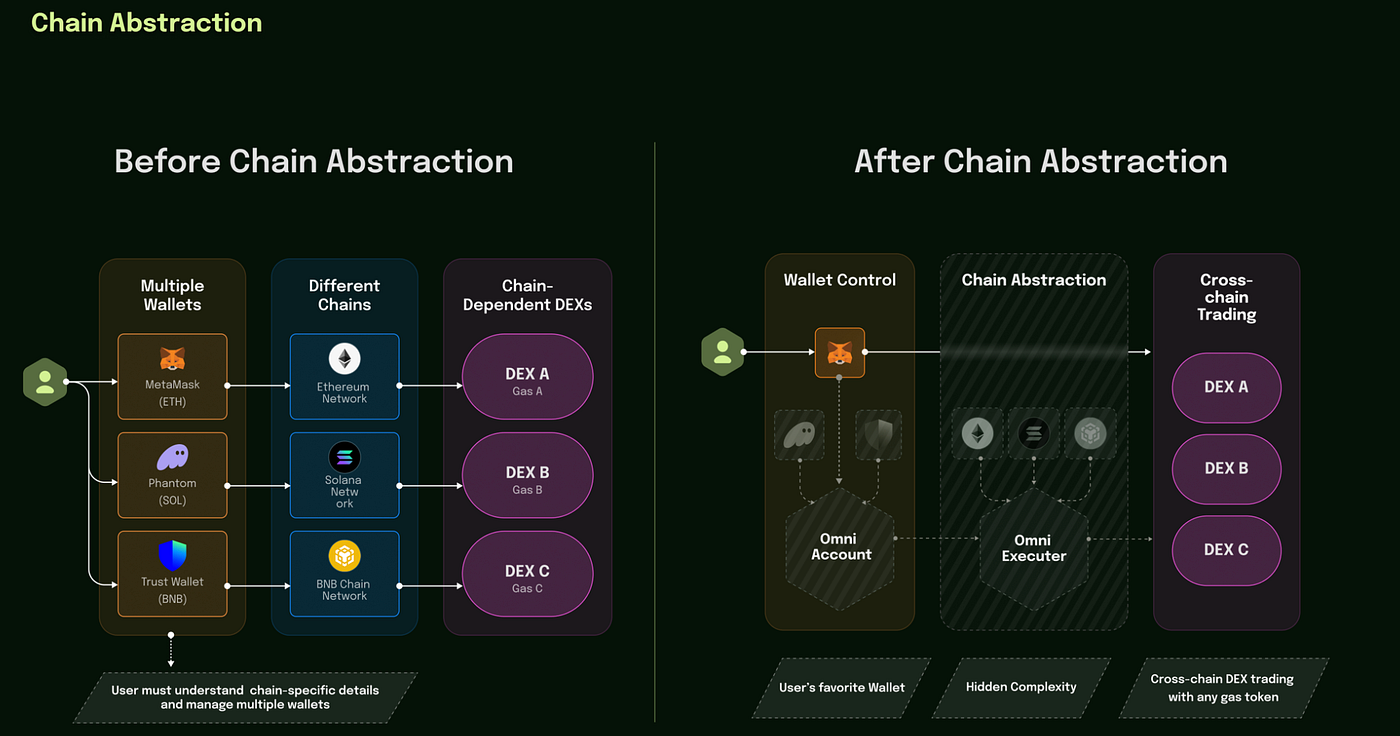
Imagine gliding through a digital ocean where every blockchain feels like a single, fluid wave. No more clunky bridges creaking under the weight of your assets, no frantic wallet switches mid-transaction, just pure, seamless flow. This is the promise of chain abstraction UX, crafting an internet of chains that banishes the old guard of cross-chain bridges to history's scrapheap. In a world bloated with over 100 active blockchains, users today drown in fragmentation - a UX nightmare that's stunting crypto's mass adoption.
We've all been there: eyeing a juicy yield farm on Arbitrum while your ETH sits lonely on Ethereum. Fire up the bridge, pray for no exploits, pay the gas toll twice over, and wait hours for funds to arrive - if they arrive at all. Bridges, those rickety connectors born from necessity, have racked up over $2 billion in hacks since 2020. They're not solutions; they're stopgaps in a multi-chain mess.
Fragmentation's Hidden Tax on Every User
Chain fragmentation isn't just inconvenient; it's an endemic UX tax, as Particle Network aptly calls it. Picture this: developers build killer dApps on Solana for speed, Ethereum for security, Polygon for cheap fees. Users? Stuck juggling wallets, gas tokens, and network hopscotch. Messari nails it - chain abstraction tackles crypto's biggest UX hurdle head-on, unifying interactions so apps just work across chains.
Bridges keep chains visible and separate, forcing manual asset shuttles. Chain abstraction flips the script: it hides the plumbing, presenting a single interface where blockchains marry invisibly. Users swap, lend, or stake without knowing (or caring) if it's EVM, Cosmos, or something exotic underneath. The Defiant breaks it down - batch backend transactions, abstract gas, deliver one-click magic.
Building the Internet of Chains: Core Mechanics Unveiled
At its heart, chain abstraction UX leverages account abstraction, intents, and solvers to orchestrate cross-chain magic. Forget signing 10 transactions; express your intent - "swap ETH for SOL yield" - and let the system handle the rest. NEAR Protocol's Chain Signatures shine here: NEAR validators secure multi-party computations to sign txs on foreign chains, unlocking AI-finance without borders. It's like giving every chain a universal translator.
ZeroDev's single smart account spans L2s with universal gas sponsorship - pay fees in any token, anywhere. Connext batches cross-chain moves, nuking manual bridging. UXLINK's 'One Gas' lets $UXLINK cover fees chain-wide. Self Chain goes keyless for agents and humans alike. Mitosis modularizes zones for invisible liquidity access. These aren't tweaks; they're a paradigm shift toward seamless multi-chain UX.
Top 5 Chain Abstraction UX Benefits
- No Bridges Needed: Ditch risky bridges for seamless cross-chain interactions, like NEAR Protocol's Chain Signatures.
- Single Wallet Rules All: One smart account across chains with ZeroDev or UXLINK's cross-chain system—no more wallet juggling.
- Gas Paid Flexibly: Pay fees anywhere with any token via ZeroDev's universal sponsorship or UXLINK's One Gas.
- One-Click DeFi: Jump into DeFi apps effortlessly across chains with Connext or Mitosis unified interfaces.
- Enterprise-Ready Compliance: Unified liquidity and compliance for big biz, per QuickNode's cross-chain abstraction insights.
Opinion time: bridges were always a hack, prone to centralization risks and liquidity silos. Chain abstraction decentralizes interoperability, pooling liquidity into a vast ocean. Eco. com gets it right - unified interfaces make networks invisible, turning web3 into a consumer playground. Yet, QuickNode warns of enterprise angles: unified liquidity and compliance could finally lure banks into the fray.
Pioneers Forging Cross-Chain Interoperability
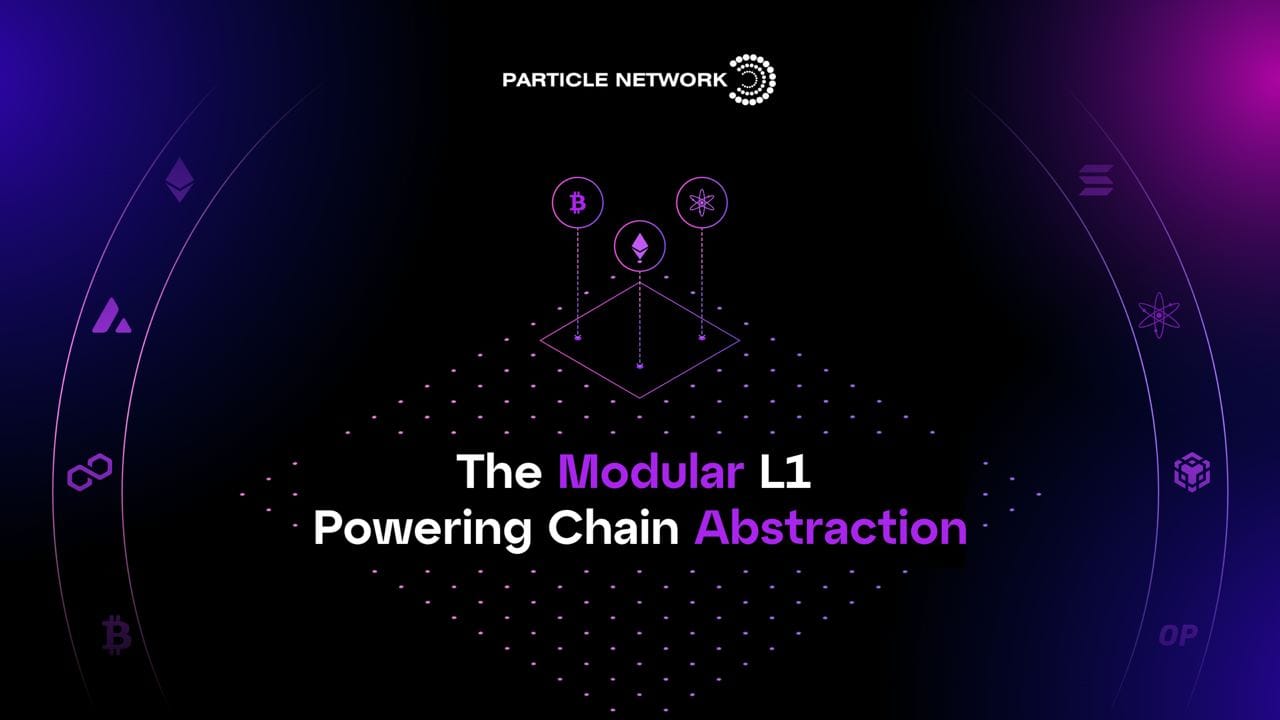
Let's spotlight the trailblazers. NEAR's approach, per Reflexivity Research, crafts a seamless UI atop diverse chains. Particle Network affirms ChA's 2025 relevance: as long as chains multiply, abstraction reigns. Mokshya Protocol contrasts it perfectly - bridging exposes chains; abstraction unifies them.
These projects form the backbone of an internet of chains, where unified wallet solutions erase friction. Users won't manage 20 extensions; one account, infinite reach. Developers? Build once, deploy everywhere, sans bridge SDK nightmares. But it's early - security looms large, with expanded attack surfaces demanding vigilant audits, as ChainScore notes.
Diving deeper, chain abstraction isn't vaporware. Live primitives like intents (Anoma-inspired) let users declare outcomes, solvers compete to execute. Batchers amortize gas across chains. Paymasters abstract fees. The result? one-click cross-chain swaps without manual bridging, as forward-thinkers envision. This isn't incremental; it's the UX revolution crypto desperately needs to rival web2 polish.
Security isn't a footnote; it's the bedrock. Chain abstraction's expanded attack surface - fusing chains means more entry points for exploits - demands ironclad defenses. Think multi-sig thresholds via MPC, as NEAR deploys, or zero-knowledge proofs batching intents without revealing details. Mitosis zones isolate risks, while Self Chain's keyless design shrinks private key vulnerabilities. Developers must prioritize audited solvers and decentralized sequencers to keep this internet of chains fortress-strong.
Real-World Wins: From DeFi to Everyday Crypto
Picture a DeFi power user: spot arbitrage across Ethereum and Solana, execute with one tap, gas abstracted away. No bridges, no slippage hunts - just profit. Chain abstraction UX turns this fantasy real, powering seamless cross-chain DeFi. Gaming? Avax worlds meet Polygon assets mid-battle, wallets unified. Enterprises eye it for compliant treasury ops, per QuickNode, blending liquidity pools without jurisdiction jumps.
Key Chain Abstraction Projects
- NEAR Chain Signatures: Lets NEAR smart contracts sign txs on other chains via MPC secured by validators for seamless cross-chain execution. near.org
- ZeroDev Single Accounts: One smart account across chains with universal gas sponsorship and chain-agnostic fees. zerodev.app
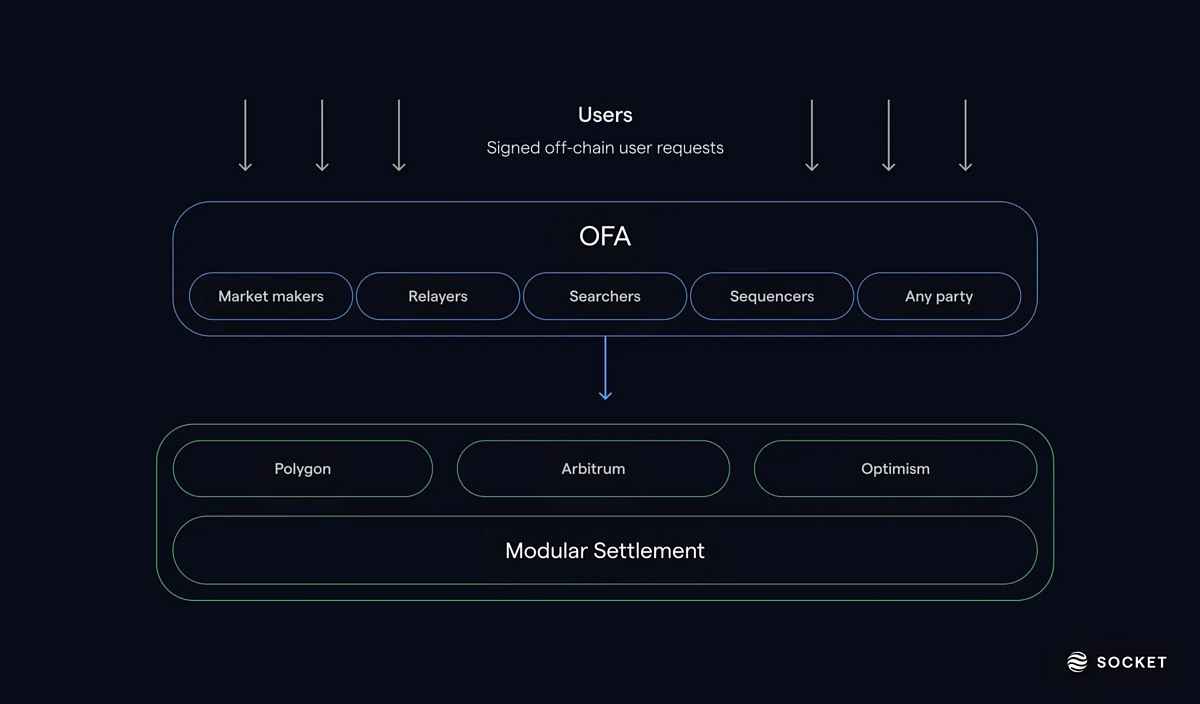
- Connext Batching: Streamlines dApps across chains, batches txs to cut bridging and swaps for better UX. connext.network

- UXLINK One Gas: Single account system; pay fees on any chain with $UXLINK token. uxlink.io
- Mitosis Zones: Modular zones interoperate for liquidity and apps without multiple wallets or gas tokens. mitosis.org
UXLINK's cross-chain single account shines for social-fi, letting you tip creators chain-agnostic with $UXLINK fees. ZeroDev sponsors gas universally, perfect for L2 hoppers tired of token hoarding. Connext's intent engine routes swaps optimally, slashing costs 80%. These tools eliminate the mental load, fostering apps that feel native, not networked.
But let's zoom out. In 2026, with fragmentation biting harder - over 200 chains live - abstraction isn't optional. It's the seamless multi-chain UX antidote to user drop-off. Onchain Foundation spells it: combine siloed ecosystems into one UI, and web3 clicks for normies. No more 'wrong network' errors derailing onboarding.
The Road Ahead: Mass Adoption Unlocked
Challenges persist - oracle dependencies, solver centralization - but momentum builds. Particle Network's 2025 check-in holds: ChA thrives amid chain sprawl. Pair it with AI agents via Self Chain, and you get autonomous trading fleets navigating chains blind. Messari sees broad crypto uplift: better UX snowballs TVL, retention, innovation.
Developers, rejoice. Build on abstractions like unified wallet solutions, deploy to 'internet of chains' sans per-chain tweaks. Users gain one-click swaps, bridged-less yields. The old bridge era? Obsolete relics, like dial-up in a fiber world. Chain abstraction UX doesn't patch problems; it erases them, paving crypto's highway to billions.
Envision wallets as your universal remote: zap across Netflix (ETH), Disney and (Solana), Hulu (Cosmos) without menu dives. That's chain abstraction - intuitive, invisible, infinite. As protocols mature, expect explosive growth in cross-chain dApps, liquidity magnets drawing institutions. The multi-chain maze becomes a single garden path, ripe for exploration. Dive in; the future flows without friction.



No comments yet. Be the first to share your thoughts!