
Stop bridging assets manually
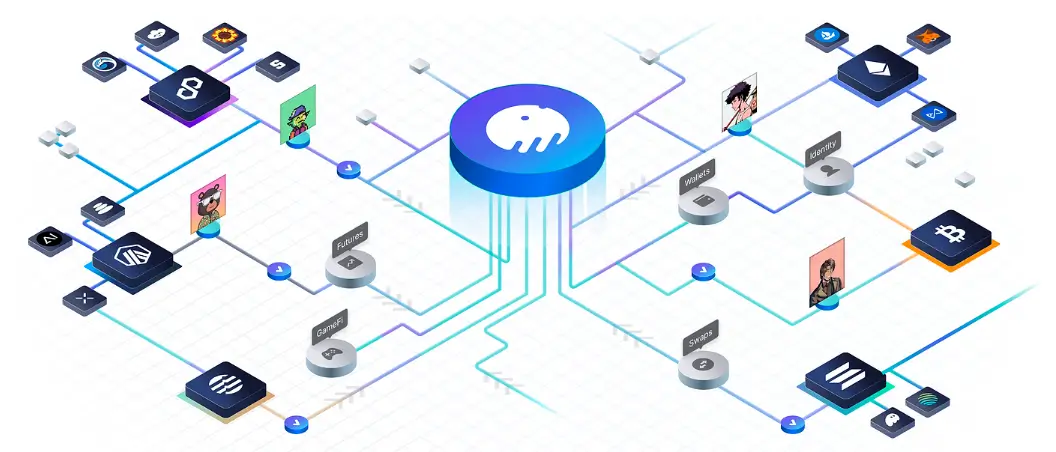
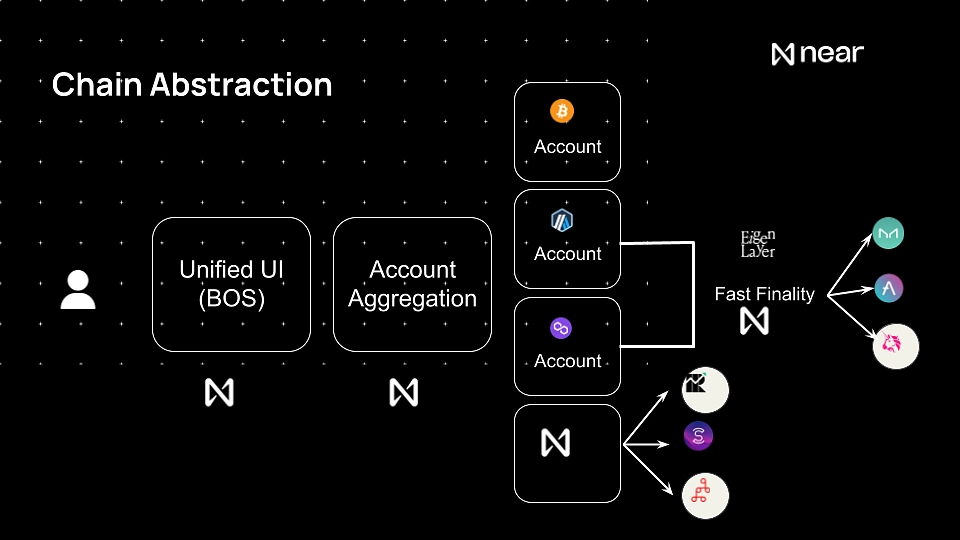
Chain abstraction is the design goal of making users interact with blockchain applications without ever picking, seeing, or thinking about which chain they are on [1]. Instead of manually moving funds across different networks, the technology handles the complexity in the background. You interact with a single interface, and the system routes your transaction through the appropriate underlying chains.
This approach eliminates the friction of fragmented liquidity. Previously, using a dApp on a specific chain required you to hold that chain’s native token and pay separate gas fees. With chain abstraction, you can pay for transactions with almost any token, and the protocol manages the swaps and cross-chain transfers automatically [2].
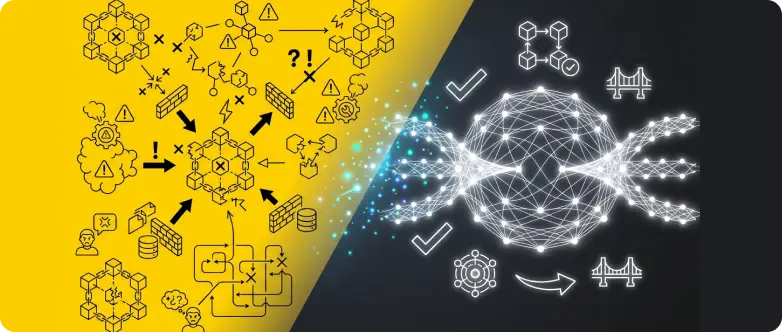
The result is a seamless experience where the underlying modular complexity is hidden. You focus on the application’s utility, not the mechanics of bridging assets. This shift moves the industry away from the current model of isolated silos toward a unified user experience.
Set up an account abstraction wallet
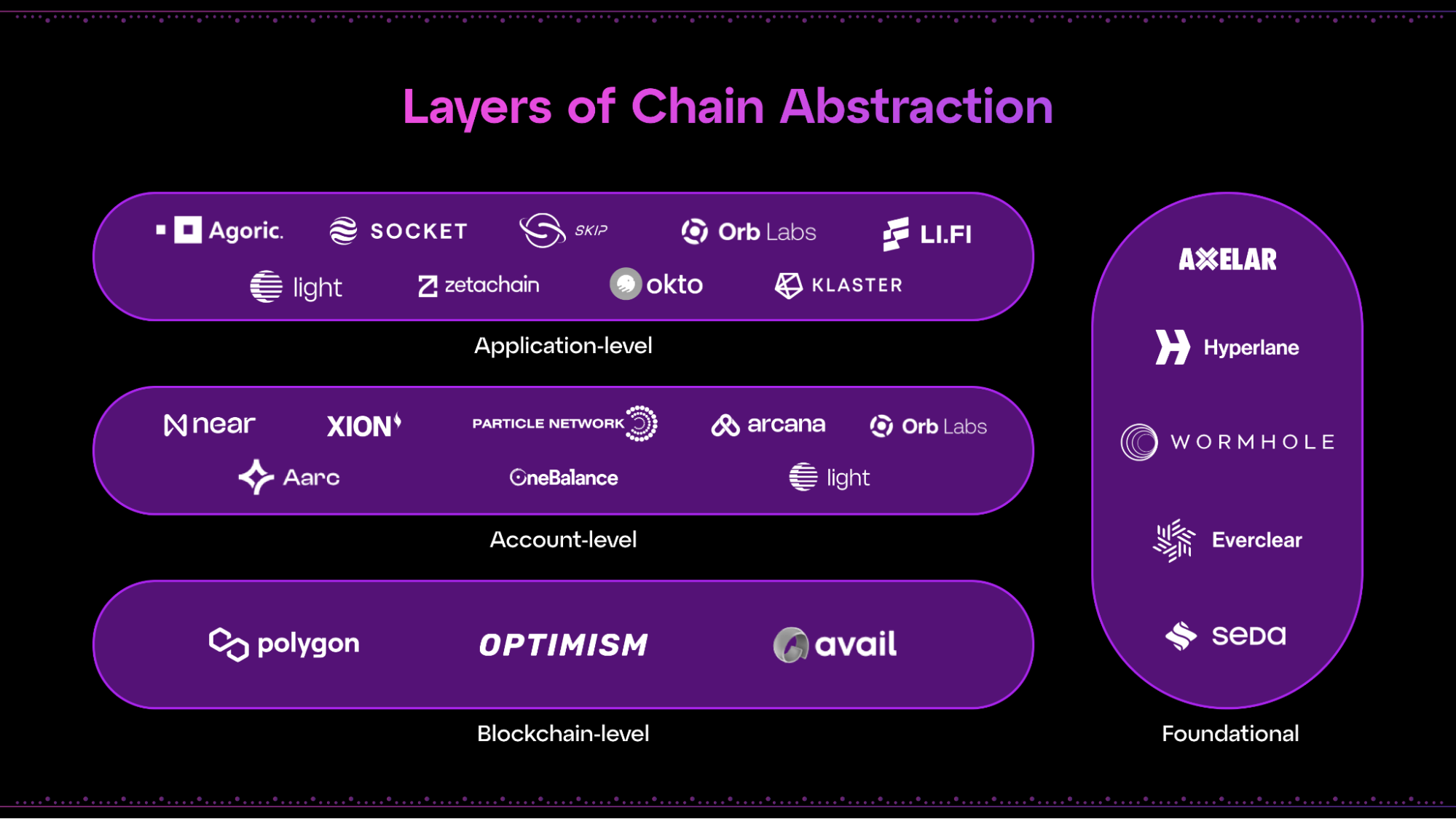
To use chain abstraction, you first need a wallet that supports Account Abstraction (AA) or Universal Accounts. These wallets act as the bridge, allowing you to interact with multiple blockchains through a single interface without manually switching networks or managing separate private keys for each chain.
Follow these steps to get started with a compatible AA wallet.

Select a wallet that explicitly supports Account Abstraction standards, such as ERC-4337. Popular options include Particle Network and Eco. These wallets are designed to handle the complexity of cross-chain transactions in the background, presenting a unified user experience.
Many AA wallets require identity verification to enable features like sponsored transactions or account recovery. This step is often necessary to comply with regulatory standards and to ensure the security of your digital assets. Follow the on-screen instructions to complete the process.
Deposit a base asset, such as ETH or USDC, into your new wallet. This initial funding is required to pay for gas fees on the primary chain. Once funded, your wallet is ready to interact with chain abstraction protocols, allowing you to transact across multiple networks seamlessly.
Execute cross-chain trades via intents
Chain abstraction replaces manual bridging with intent-based trading. You state what you want to do, and a solver handles the routing, bridging, and gas payment automatically. This shifts the complexity from the user to the backend infrastructure.
You specify the asset, amount, and destination chain. For example, you might request to swap ETH for USDC on Solana, regardless of where your funds currently reside.

Solvers compete to fulfill your request. They find the most efficient path, often using liquidity pools or bridges, and execute the trade across multiple chains in a single transaction.
You receive the requested assets on your target chain. You do not need to manage bridge fees, wrap tokens, or approve multiple transactions.
The following table compares traditional bridging with chain abstraction intents:
| Metric | Traditional Bridging | Chain Abstraction Intents |
|---|---|---|
| Time | 5–30 minutes | Seconds to minutes |
| Complexity | High (multiple steps) | Low (single step) |
| Gas Fees | Paid on each chain | Paid in source token |
| User Steps | 3–5 steps | 1 step |
This approach simplifies cross-chain interactions by abstracting away the underlying mechanics. Users can focus on their trading goals rather than the logistics of moving assets between chains.
Manage unified liquidity positions
Chain abstraction lets you interact with lending, borrowing, and staking protocols across multiple networks without manually bridging assets. Instead of moving funds between chains, you interact with a single unified balance that the protocol manages in the background. This approach simplifies DeFi participation by treating your liquidity as a single pool rather than fragmented holdings.
Open your preferred chain abstraction interface and connect your wallet. The platform will detect your existing positions across supported networks and aggregate them into a single dashboard view. Ensure you are on a supported network for the specific protocol you intend to use.
Check the unified balance display to see your total liquidity across all connected chains. This view combines your assets from lending protocols, staking positions, and liquidity pools into one figure. Understanding this aggregate view is essential before making any changes to your positions.
Choose the specific DeFi protocol where you want to manage your liquidity. Whether you are looking to lend assets, borrow against them, or stake for rewards, select the appropriate action from the menu. The interface will guide you through the parameters specific to that protocol.
Review the transaction details, which will include any necessary gas fees and slippage settings. Unlike traditional bridging, you will not see a separate bridge transaction; instead, the protocol handles the cross-chain settlement internally. Confirm the transaction to execute your lending, borrowing, or staking order.
After execution, monitor your position through the unified dashboard. The platform will update your balance in real-time as your yield accrues or your loan terms change. You can view the breakdown of your assets across different chains if needed, but your primary interaction point remains the unified view.
This method eliminates the friction of manual bridging, allowing you to focus on yield and risk management rather than network logistics. By leveraging unified balances, you maintain exposure to multi-chain opportunities while reducing the complexity and cost associated with cross-chain transactions.
Avoid solver front-running risks
Chain abstraction relies on third-party solvers to execute transactions across multiple chains. While this hides complexity, it introduces a single point of failure: the solver itself. Without proper safeguards, you risk slippage, front-running, or MEV (Maximal Extractable Value) attacks where intermediaries extract value from your trade before it settles.
To protect your assets, you must treat solvers as untrusted until proven otherwise. Do not blindly accept the first quote offered. Instead, follow this verification sequence to ensure the transaction outcome matches your expectations.
- Check the gas limit and slippage tolerance. Before signing, verify that the solver has not inflated the gas limit or widened the slippage tolerance beyond your set parameters. A solver that requests excessive gas may be preparing for a sandwich attack.
- Verify the destination chain and address. Confirm that the transaction is being routed to the correct final destination. Solvers sometimes reroute transactions through intermediate chains to capture fees, which can introduce delays or unexpected costs.
- Monitor the transaction hash on the target chain. Once the transaction is submitted, immediately check the transaction hash on the target chain’s block explorer. Do not assume the solver has completed the task. If the transaction fails or is reverted, you need to know immediately to adjust your position or file a dispute.
If you notice discrepancies—such as a higher gas fee than quoted or a delayed settlement—flag the solver. Reputable providers will offer refunds or credits for failed executions. By maintaining this vigilance, you ensure that the convenience of chain abstraction does not come at the cost of your capital.
Track performance with live charts
Monitoring the health of the chain abstraction ecosystem requires real-time visibility into protocol liquidity and token performance. Without live data, it is difficult to distinguish between genuine network activity and speculative noise. Use technical charts to verify that liquidity pools are deep enough to support your cross-chain transactions without excessive slippage.
Start by identifying the primary token for the abstraction layer you are using. Most major protocols, such as those highlighted in recent 2026 market analyses, have dedicated trading pairs on major exchanges. Look for volume trends that correlate with actual usage metrics rather than just price action. A healthy protocol shows consistent buy pressure during network upgrades or new chain integrations.
Focus on volume and relative strength index (RSI) to gauge momentum. If the RSI is consistently overbought without corresponding volume spikes, the asset may be overvalued relative to its actual utility. Conversely, low volume during price drops can indicate strong holder conviction. Regularly check these metrics before executing large cross-chain transfers to ensure market conditions support your strategy.
Frequently asked questions about chain abstraction
Chain abstraction is the design goal of making users interact with blockchain applications without ever picking, seeing, or thinking about which blockchain they are on [src-serp-1]. It handles the complexity of cross-chain interactions so you can focus on the task at hand [src-serp-3]. Here are answers to common questions about security, costs, and compatibility.
No comments yet. Be the first to share your thoughts!