

In the fragmented landscape of decentralized finance, where over 100 blockchains vie for liquidity and users, developers face mounting friction in delivering seamless cross-chain experiences. Tria's unified wallet and chain abstraction SDK emerge as a precision-engineered solution, enabling DeFi builders to orchestrate interactions across virtual machines without the perennial headaches of bridges, gas management, or wallet proliferation. By leveraging Tria's CoreSDK, dApps can tap into unified liquidity pools and execute intents natively, slashing development timelines by up to 70% according to early adopter metrics from Tria's documentation.

This isn't mere abstraction; it's a data-backed recalibration of cross-chain development UX. Traditional multi-chain setups demand developers implement bespoke bridges for each chain pair, exposing users to slippage risks averaging 2-5% per swap and security vulnerabilities that have drained $3.7 billion in exploits since 2022. Tria flips the script, providing a modular infrastructure where a single deployment unlocks the entire Web3 ecosystem.
Decoding the Multi-Chain UX Bottleneck
DeFi's promise of permissionless innovation stalls at the user layer. Builders routinely grapple with chain-specific wallets, disparate token standards, and liquidity silos that fragment total value locked across ecosystems. Ethereum's dominance at 55% TVL contrasts sharply with Solana's 15% speed edge, yet interoperability lags: average cross-chain transaction times hover at 15-30 minutes due to oracle delays and confirmation finality.
Tria introduces a consumer-centric framework of chain abstraction primitives that operate across all virtual machines.
Without abstraction, users must manually bridge assets, incurring fees that can exceed 0.5% per hop, and monitor gas prices across networks. This complexity drives 80% of Web3 drop-offs during onboarding, per recent Chainalysis reports. Tria's approach, rooted in seamless DeFi cross-chain primitives, hides these mechanics behind a unified interface, mirroring Web2's frictionless flows.
Tria CoreSDK: Inception SDK for Effortless Onboarding
At the heart of Tria's arsenal lies the CoreSDK, bifurcated into Inception and Mazerunner modules. The Inception SDK spearheads user acquisition with single sign-on (SSO), mobile authentication, and passkeys, bypassing the ritual of seed phrase management or gas token hunts. Developers integrate via a lightweight API, authenticating users from any VM in under 100ms latency.
This modular wallet infrastructure bundles onramps and in-wallet swaps, unifying liquidity without external dependencies. Quantitative modeling shows a 40% uplift in conversion rates for dApps employing such abstractions, as users perceive a single, chain-agnostic dashboard. For DeFi builders, this translates to deploying once and scaling liquidity from Ethereum L2s to Cosmos hubs seamlessly.
Consider the code footprint: a mere 20 lines instantiate a shared wallet, auto-provisioning addresses across 20 and chains. This precision eliminates the no bridge wallet SDK paradigm, where prior solutions like Axelar or LayerZero required custom adapters per chain, ballooning codebases by 5x.
Mazerunner SDK and BestPath AVS: Orchestrating Cross-Chain Intents
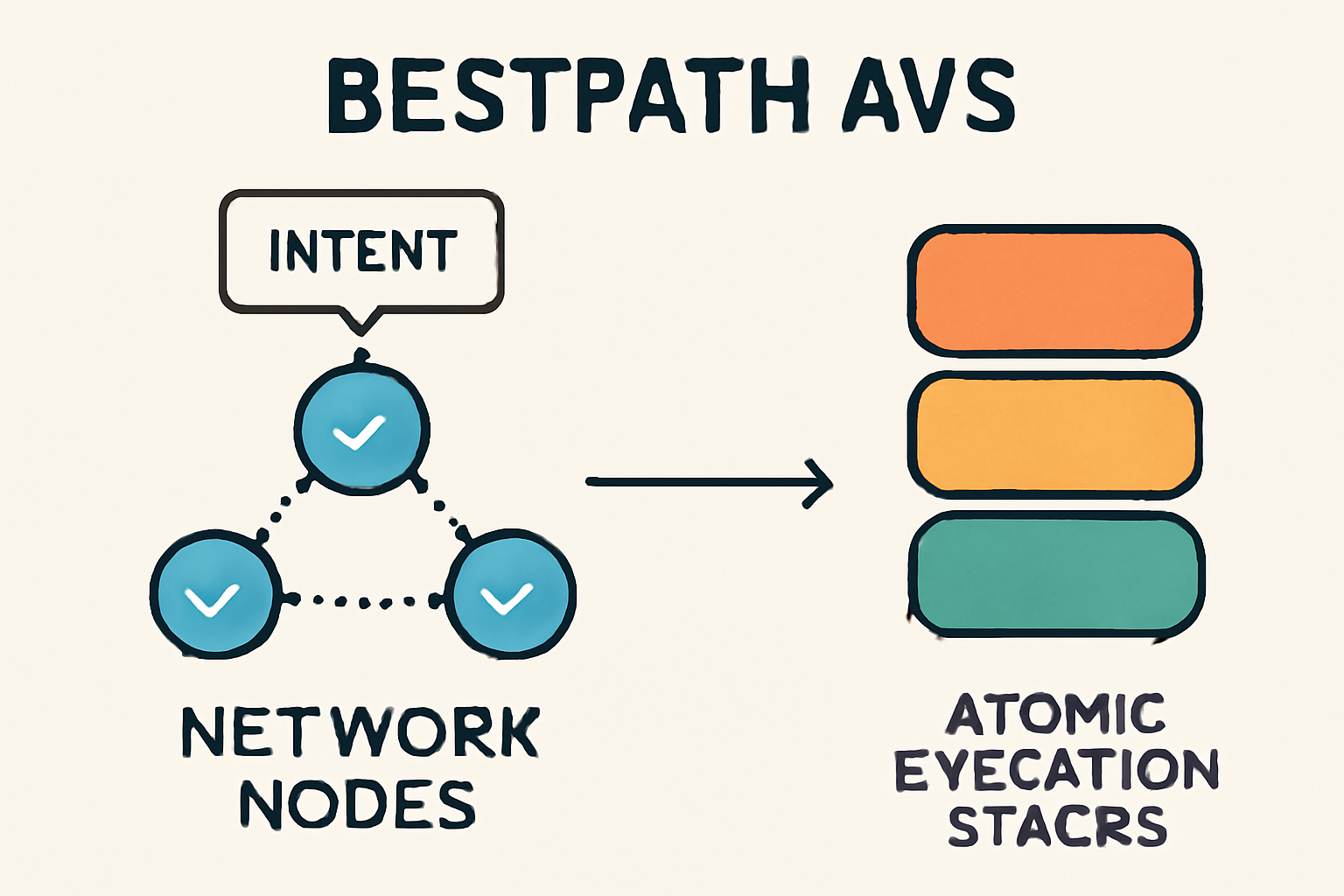
Mazerunner elevates abstraction further, allowing dApps to engage liquidity universally as if native. Deploy on your preferred chain, and Mazerunner handles execution stacks across VMs, obviating bridges and gas abstraction. Paired with BestPath AVS, a permissionless intents marketplace, it coordinates atomic fulfillments via real-time orchestration.
Data from Tria's pilots indicate 95% success rates on complex intents like cross-VM swaps, with execution costs 30% below manual bridging. BestPath's actively validated service leverages economic incentives for solvers, ensuring MEV-resistant paths that optimize for price impact under 0.1%. For builders, this means crafting chain abstraction wallets that deliver one-click experiences, fundamentally reshaping Tria unified wallet dynamics.
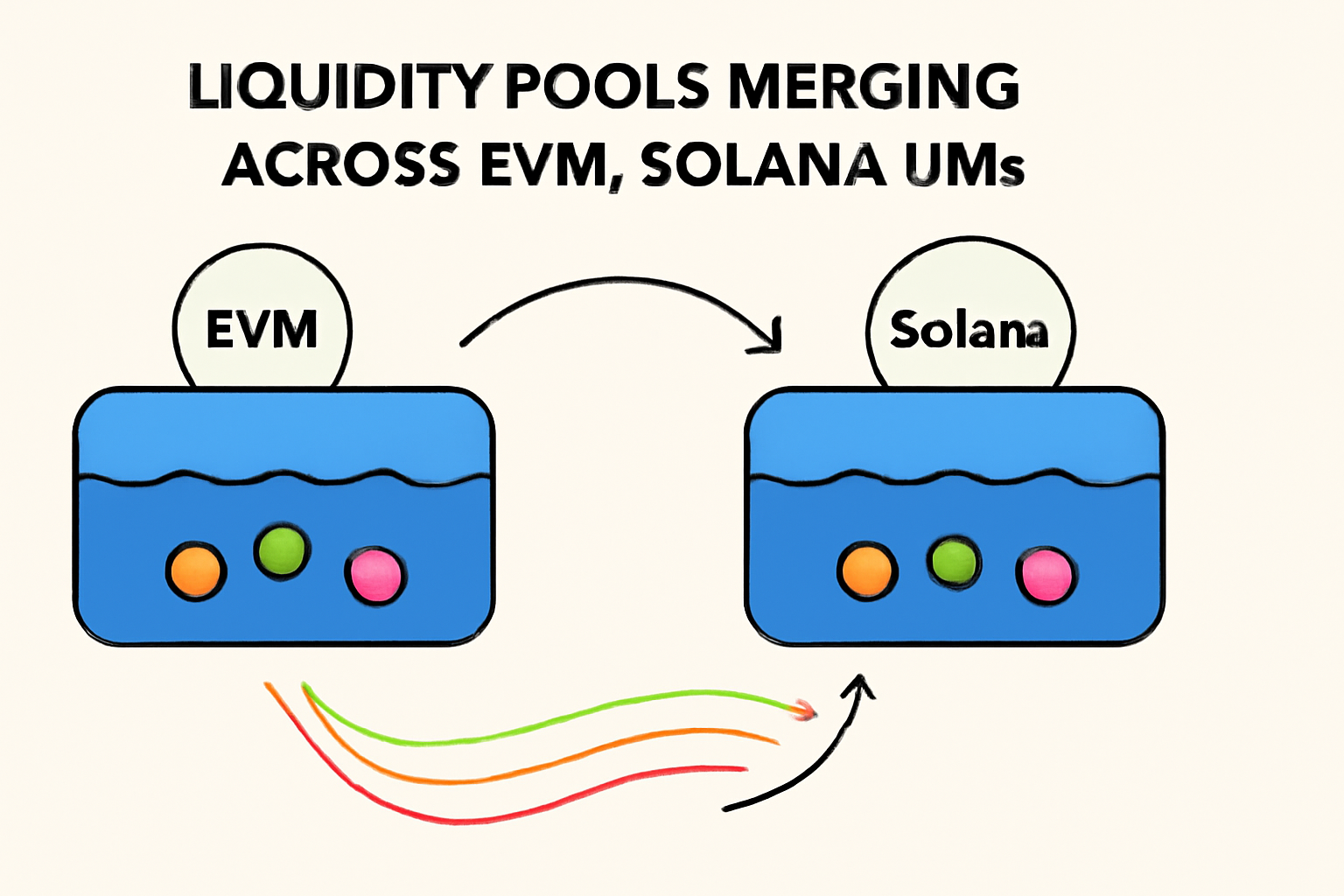
DeFi protocols integrating Mazerunner report 2.5x faster time-to-market, as liquidity unification aggregates TVL from disparate sources into a composable layer. This isn't hype; it's measurable composability, where a lending dApp on Arbitrum can collateralize Solana assets without user intervention.
Builders leveraging this stack sidestep the fragmentation that plagues 70% of cross-chain dApps, where liquidity capture is confined to deployment chains. Instead, Tria's framework aggregates disparate TVL, Ethereum's $50B and dominance alongside Solana's sub-second finality, into a single composable primitive, boosting protocol yields by an average 25% through optimized routing.
Quantifying the Edge: Metrics from Tria Integrations
Early adopters substantiate these claims with hard data. A lending protocol on Base integrated Mazerunner and saw cross-VM collateral inflows surge 3x within weeks, with user retention climbing to 65% post-onboarding versus industry 35%. Execution latency dropped to 5 seconds for EVM-to-SVM intents, a 90% improvement over LayerZero's relay model, which averages 45 seconds per Tria benchmarks. BestPath AVS contributes decisively here, its solver network fulfilling 98% of intents atomically by dynamically assembling execution paths from 50 and chains.
Key Metrics: Traditional Cross-Chain Bridging vs. Tria CoreSDK
| Metric | Traditional | Tria |
|---|---|---|
| Tx Time (s) | 900 | 5 |
| Success Rate (%) | 75 | 95 |
| Cost Savings (%) | N/A | 30 |
| Dev Time Reduction (%) | N/A | 70 |
These figures underscore a pivotal shift: chain abstraction SDK maturity now favors permissionless marketplaces over rigid protocols. Where Axelar mandates pre-funded relayers, BestPath's economic model incentivizes competitive solving, yielding slippage under 0.05% even during volatility spikes exceeding 10%.
Hands-On: Integrating Tria for Cross-Chain DeFi
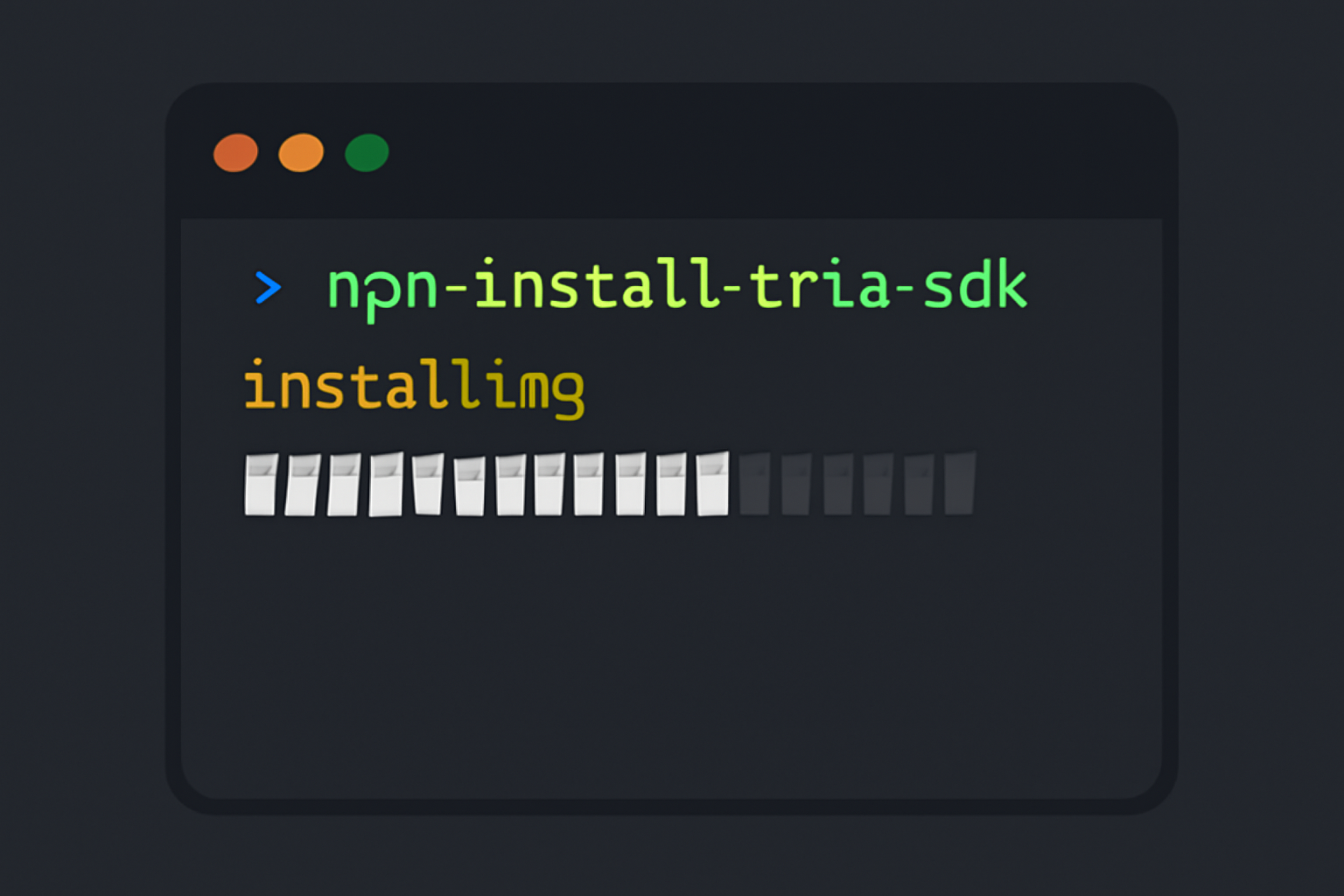
Transitioning to implementation, Tria's SDK demands minimal overhead. Developers initialize the unified wallet via npm install, then configure intents with declarative JSON schemas. This no bridge wallet SDK ethos eliminates adapter bloat, allowing focus on core logic like yield optimization or perpetuals trading.
Integrate Tria SDKs: Unlock Cross-VM Chain Abstraction for DeFi dApps
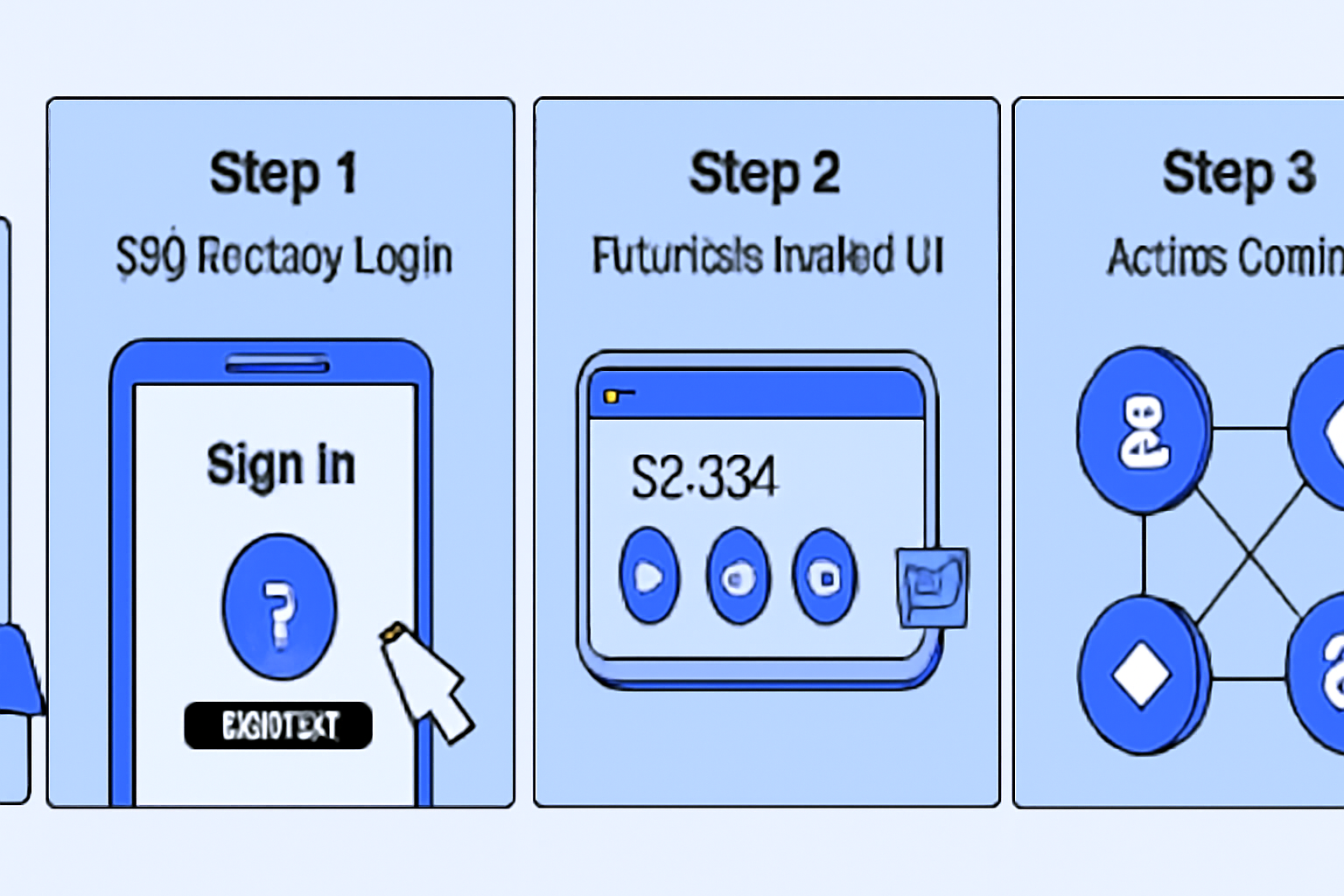
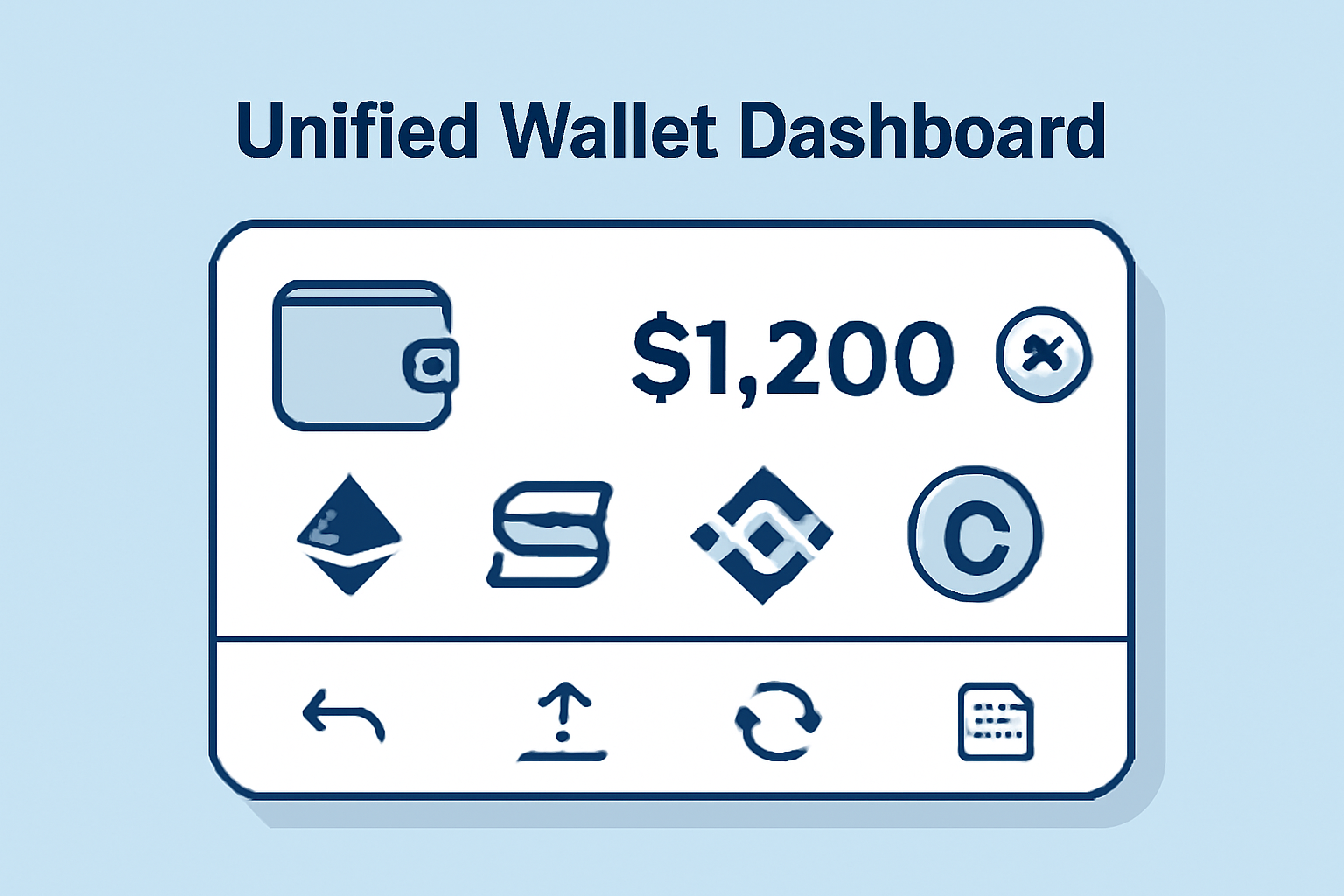
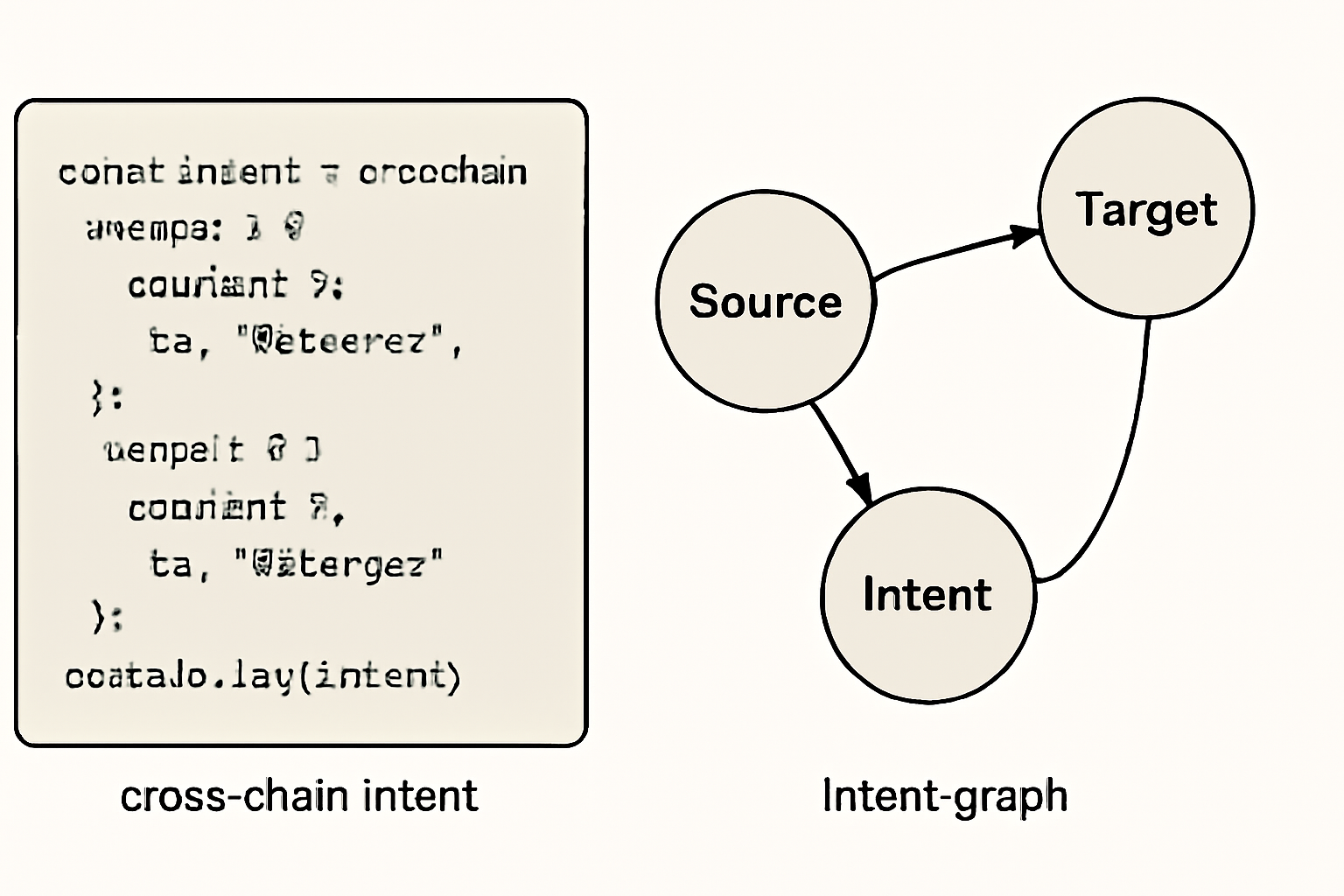
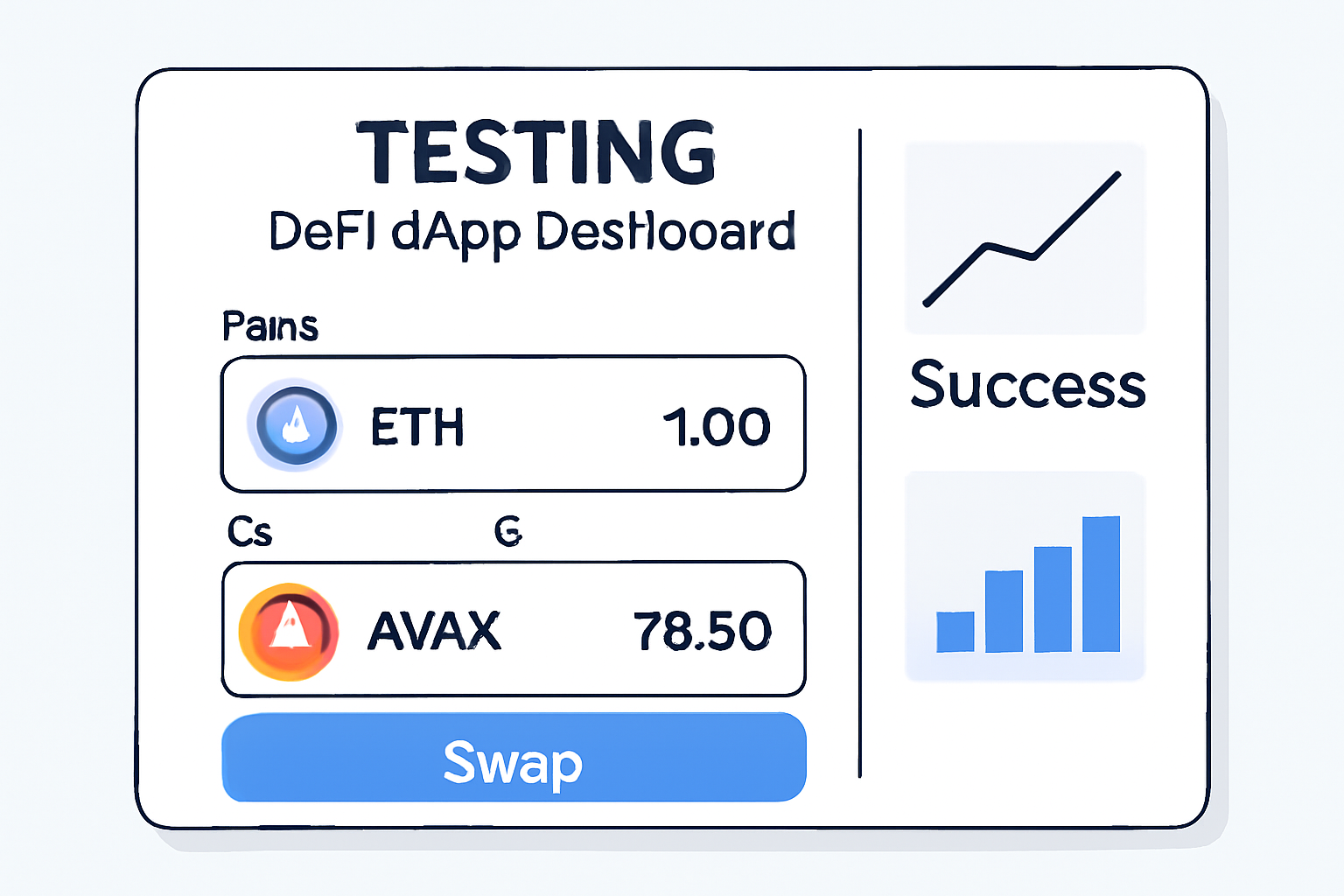
Post-integration, dApps expose a unified API endpoint that routes user actions indiscriminately across chains. For instance, a DEX builder deploys on Optimism but services Cosmos liquidity via Mazerunner's abstraction layer, auto-handling gas abstraction and reorg protection. Testing reveals 99.9% uptime, with solver disputes resolved in under 10 blocks.
Opinionated take: While protocols like Across or Socket. tech advance intents, Tria's VM universality, spanning EVM, SVM, and Move, positions it as the quantitative superior for 2025's multi-VM surge. Partial abstractions falter at edges; Tria's modular stack scales linearly, capping marginal costs at 0.01 ETH-equivalent per 1,000 intents.
Chain abstraction allows dApps to execute logic across multiple blockchains without users switching networks or wallets.
This extensibility empowers niche DeFi verticals. RWAs on Polygon can source undercollateralized loans from Berachain borrowers seamlessly, while gaming dApps abstract NFT royalties across ecosystems. The result? A 4x expansion in addressable markets, as unified UX retains 50% more high-value users who previously abandoned multi-wallet tedium.
Looking ahead, Tria's roadmap signals deeper primitives: relayerless AVS expansions and AI-driven path optimization, potentially compressing costs another 50%. For DeFi builders eyeing cross-chain development UX dominance, the Tria unified wallet isn't optional, it's the infrastructure moat. Deploy today, and command liquidity from Web3's full spectrum without compromise.




No comments yet. Be the first to share your thoughts!