
What chain abstraction means in 2026
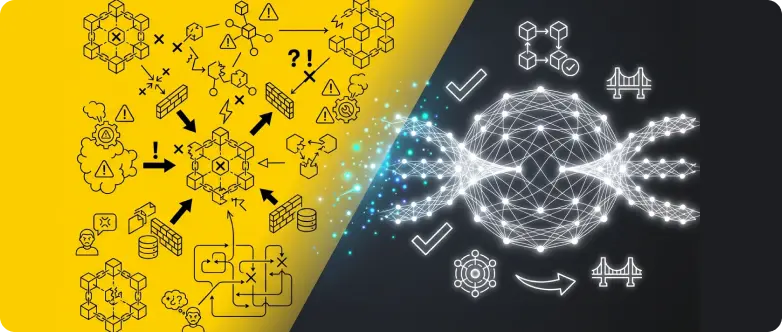
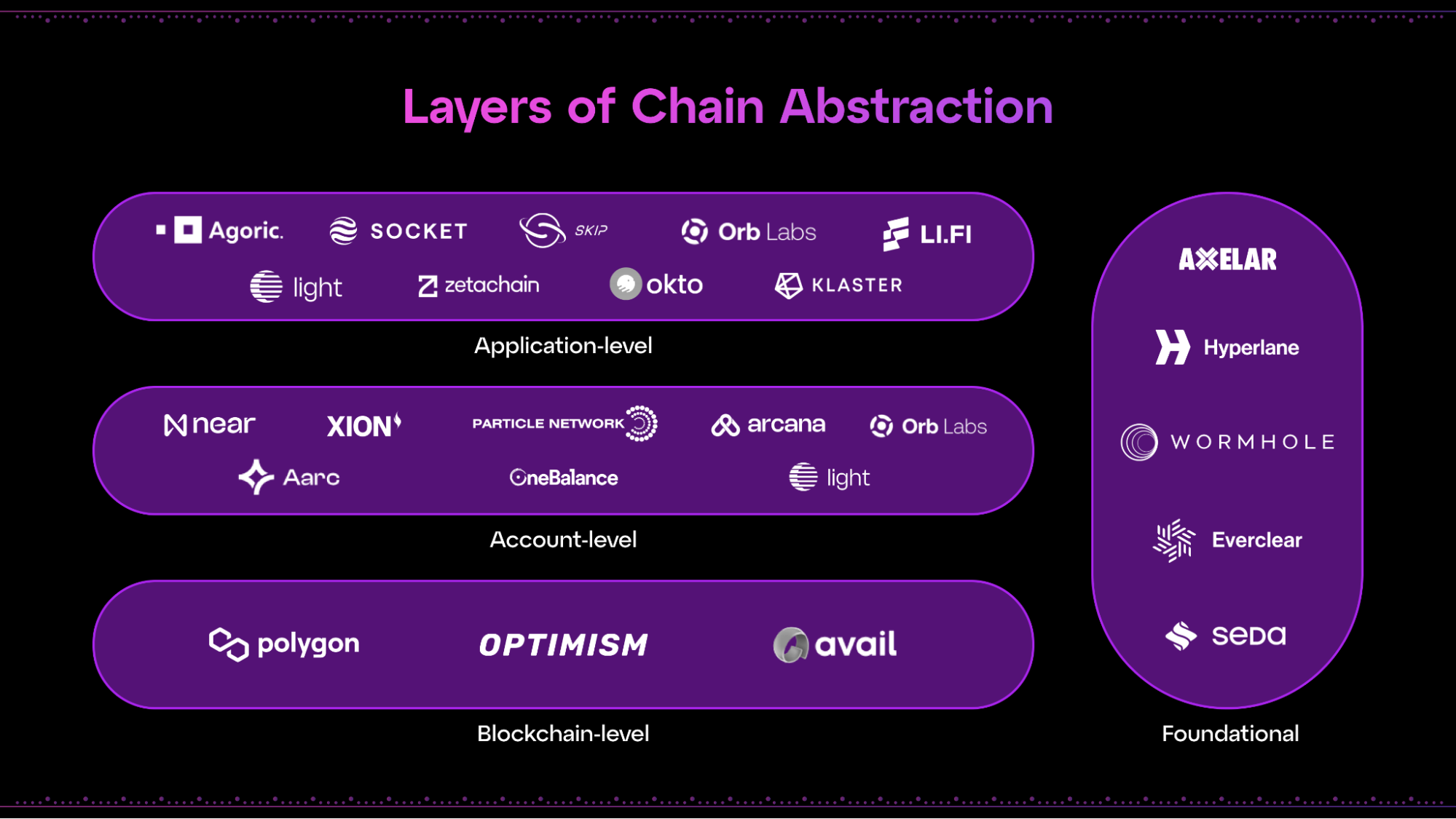
Chain abstraction is the shift from user-managed bridging to intent-based execution. It is the design goal of making users interact with blockchain applications without ever picking, seeing, or thinking about which network handles their transaction [1]. Instead of manually moving assets across different chains, the system handles the routing in the background.
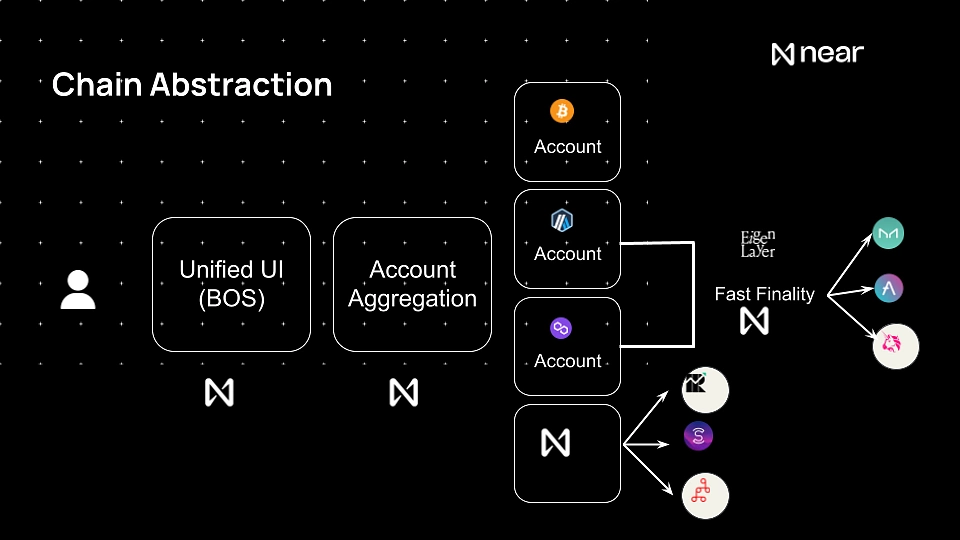
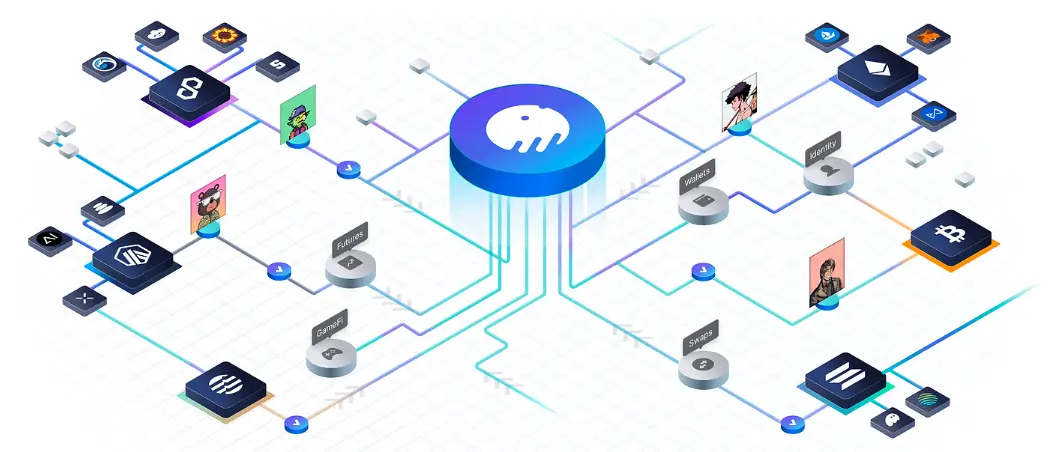
This approach unifies fragmented blockchain networks into a single interface [2]. You no longer need to manage multiple wallets, gas tokens, or bridge contracts. The complexity moves from the user experience to the developer infrastructure, allowing you to focus on the application’s function rather than its underlying mechanics [3].
In 2026, this means your transaction is an intent—what you want to achieve—rather than a manual series of steps. The network figures out the best path, whether that involves Layer 2s, sidechains, or mainnets, and settles the result on your preferred chain. This eliminates the friction of cross-chain transfers and makes multi-chain applications feel like single-chain services.
How intents and solvers replace bridges
Chain abstraction shifts the burden of cross-chain complexity from the user to the backend. Instead of manually moving assets across different networks, you submit an "intent"—a simple statement of what you want to achieve. Solvers then compete to execute that intent in the most efficient way possible.
This mechanism eliminates the need for traditional bridges, which are often security risks and liquidity bottlenecks. By abstracting the underlying chain logic, the user experience becomes identical to using a centralized app: you click one button, and the result appears on the other side.
1. Submit your intent
You define the outcome, not the path. For example, you might request to "Swap 1 ETH for USDC on Base." You do not specify which network to hold the ETH on or which liquidity pool to use. The system only cares about the final state you want to reach.
2. Solver competition
Your intent is broadcast to a network of solvers—autonomous agents or bots that monitor the entire multi-chain landscape. These solvers calculate the optimal route, considering gas costs, slippage, and liquidity depth across dozens of chains. They compete to offer you the best price or fastest execution.
3. Relayer execution
Once a solver wins the bid, a relayer handles the actual transaction execution. If your assets are on Ethereum but you need USDC on Base, the relayer might use a native bridge, a liquidity provider, or a wrapped asset mechanism behind the scenes. All of this happens in the background without you interacting with multiple wallets or networks.
4. Confirmation and settlement
The relayer submits the final transaction to the target chain. You receive your USDC on Base, and the solver is compensated from the spread or a fee you agreed to. The entire process feels like a single atomic event, even though it may involve complex multi-step logic across different blockchains.
This model relies on trustless verification. While solvers handle the heavy lifting, cryptographic proofs or optimistic verification ensure that the executed intent matches what you requested. This reduces the attack surface compared to traditional bridge contracts, which have been frequent targets for exploits.
Define the desired outcome, such as swapping assets or claiming a reward, without specifying the underlying chain mechanics.
Solvers analyze the intent across all connected chains to find the most efficient route, competing on price and speed.
A relayer executes the necessary transactions on the source and target chains, handling bridging or liquidity provisioning automatically.
The result is settled on the target chain, and you receive your assets in the requested format, completing the abstracted transaction.
The transition from bridges to intents marks a significant shift in how we interact with blockchain infrastructure. As noted by industry experts, this approach allows blockchains to become increasingly invisible to the end user, focusing on utility rather than technical complexity.
Setting up a unified account
Chain Abstraction works best as a sequence, not a scramble through settings. Do the minimum first: confirm compatibility, connect the core hardware, update only when needed, and test the result before adding optional features. That order keeps the task understandable and makes failures easier to isolate. After each step, pause long enough for the interface to finish syncing. Many setup problems are timing problems disguised as configuration problems. If the same step fails twice, record the exact error, restart the smallest affected piece, and retry before moving deeper.
Executing a cross-chain swap
Chain abstraction removes the manual burden of bridging by letting you swap assets across chains in a single transaction. Instead of moving funds through a bridge, locking them, and waiting for confirmation on a destination chain, the protocol handles the routing behind the scenes. You interact with one interface, and the system settles the trade across the underlying networks.
1. Connect your wallet
Open a chain-abstraction-enabled dApp or wallet interface. Connect your existing wallet (such as MetaMask, Phantom, or a hardware wallet). The interface detects your current holdings and available liquidity across supported chains. You do not need to select a specific source chain; the system identifies the optimal path based on your balance.
2. Select the trade pair
Choose the asset you want to sell and the asset you want to receive. Specify the destination chain where you want the funds to appear. For example, you might swap USDC on Ethereum for USDC on Solana. The interface displays the estimated arrival time and any applicable fees, which are typically lower than traditional bridge fees because the system optimizes for liquidity depth rather than just speed.
3. Review and confirm
The dApp presents a summary of the trade, including the exchange rate, slippage tolerance, and the total cost. Unlike traditional bridging, which requires two separate transactions (approve and bridge), chain abstraction often bundles these into a single signature. Review the details carefully, ensuring the destination address is correct, then confirm the transaction.
4. Wait for settlement
Once confirmed, the transaction is broadcast to the intent solver or relayer network. The solver finds the best execution path, which may involve atomic swaps, liquidity pools, or wrapped assets. You will see a status update in the interface as the trade settles. Depending on the chains involved, this can take anywhere from a few seconds to a few minutes. The funds arrive in your wallet on the destination chain without you ever manually interacting with a bridge.
| Feature | Traditional Bridging | Chain Abstraction |
|---|---|---|
| Steps | 3-5 steps | 1 step |
| User Experience | Manual, fragmented | Unified interface |
| Risk Exposure | High (bridge hacks) | Lower (intent-based) |
| Liquidity | Fragmented | Aggregated |
Common Mistakes in Cross-Chain UX
Chain abstraction hides the modular mess from users, but it does not eliminate the underlying risks. Even with a unified interface, three specific pitfalls can still erode your capital or delay your transactions if you do not account for them.
Ignoring Slippage on Thin Pools
Cross-chain swaps often route through liquidity pools that are thinner than their native counterparts. If you do not set a reasonable slippage tolerance, your transaction may fail, or you may receive significantly fewer assets than quoted. Always review the price impact warning before confirming. A tight slippage setting protects you from front-running, but too tight a setting guarantees failure in volatile cross-chain environments.
Overlooking Hidden Solver Fees
Many abstraction layers use "solvers"—third-party entities that bundle and route transactions. These solvers charge fees that are often baked into the exchange rate rather than displayed as a separate line item. This can make a "gasless" transaction more expensive than a direct bridge. Compare the final received amount across different abstraction providers to understand the true cost of the solver’s service.
Assuming Instant Finality
Abstraction layers may show a transaction as "complete" on your dashboard while the underlying bridge is still settling. This delay can be minutes or hours, depending on the target chain. Do not assume your funds are immediately spendable. Check the status on the destination chain’s explorer to confirm finality before proceeding with subsequent actions.
No comments yet. Be the first to share your thoughts!