

Cross-chain technology has reached a pivotal inflection point in 2025, as the blockchain industry’s next billion users demand speed, clarity, and reliability from their decentralized experiences. As new protocols and user-centric abstractions emerge, the friction that once defined multi-chain operations is rapidly eroding. The focus is shifting from technical novelty to practical usability - and the stakes for getting cross-chain UX right have never been higher.
Speed as a Baseline: Redefining Transaction Expectations
Historically, cross-chain transactions suffered from sluggish confirmation times due to complex validation steps and fragmented liquidity. In 2023, protocols like Across set new benchmarks by achieving an average order fill time of 136.6 seconds and a median fill time of just 54 seconds, significantly ahead of most competitors (source). This leap in performance is not just technical; it directly shapes user trust and willingness to engage with DeFi products across multiple blockchains.
Solved-based bridging mechanisms are now closing the gap between Web3 and Web2 standards, making near-instant settlement a realistic expectation rather than an aspirational goal. As users begin to expect sub-minute transaction times regardless of underlying chain complexity, speed becomes table stakes rather than a differentiator.
Clarity Through Abstraction: Simplifying User Journeys
The cognitive load required to navigate disparate chains has long been a barrier for mainstream adoption. Recent developments in chain abstraction - such as Klaster’s unified cross-chain accounts - are removing this obstacle by allowing users to manage assets and interact with dApps without manual network switching or arcane knowledge (source).
This shift towards intuitive design is critical for onboarding non-technical users who expect seamlessness akin to traditional fintech apps. By abstracting away the underlying protocol differences, these solutions offer clarity: users see unified balances, clear transaction flows, and transparent fees regardless of which blockchains are involved behind the scenes.
Key UX Pain Points Solved by Chain Abstraction in 2025
- Elimination of Cross-Chain Transaction Delays: Protocols like Across Protocol have drastically reduced cross-chain transaction times, achieving a median order fill time of 54 seconds in Q2 2023. This near-instant finality addresses the historical pain point of slow, unpredictable transfers between blockchains.
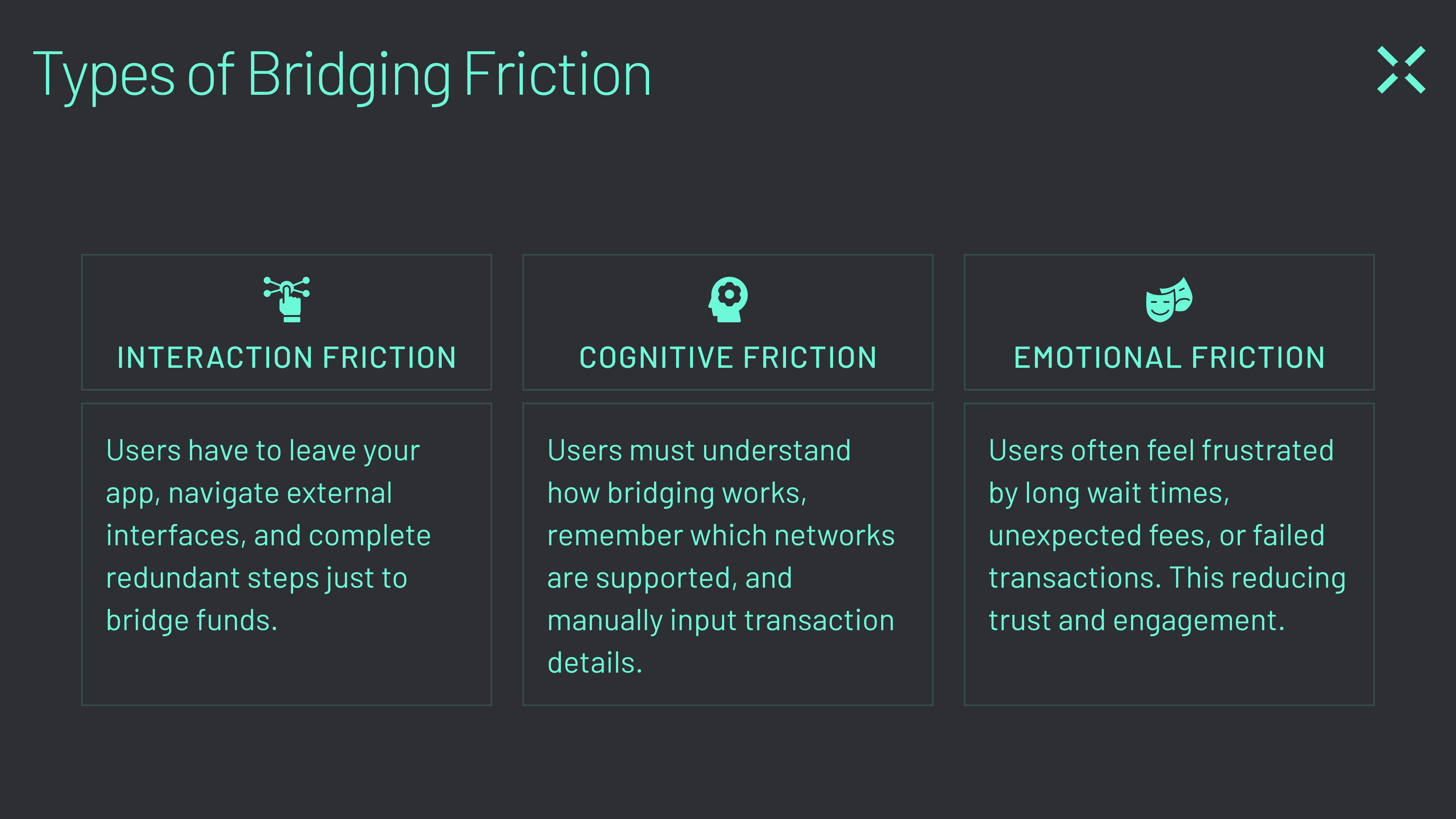
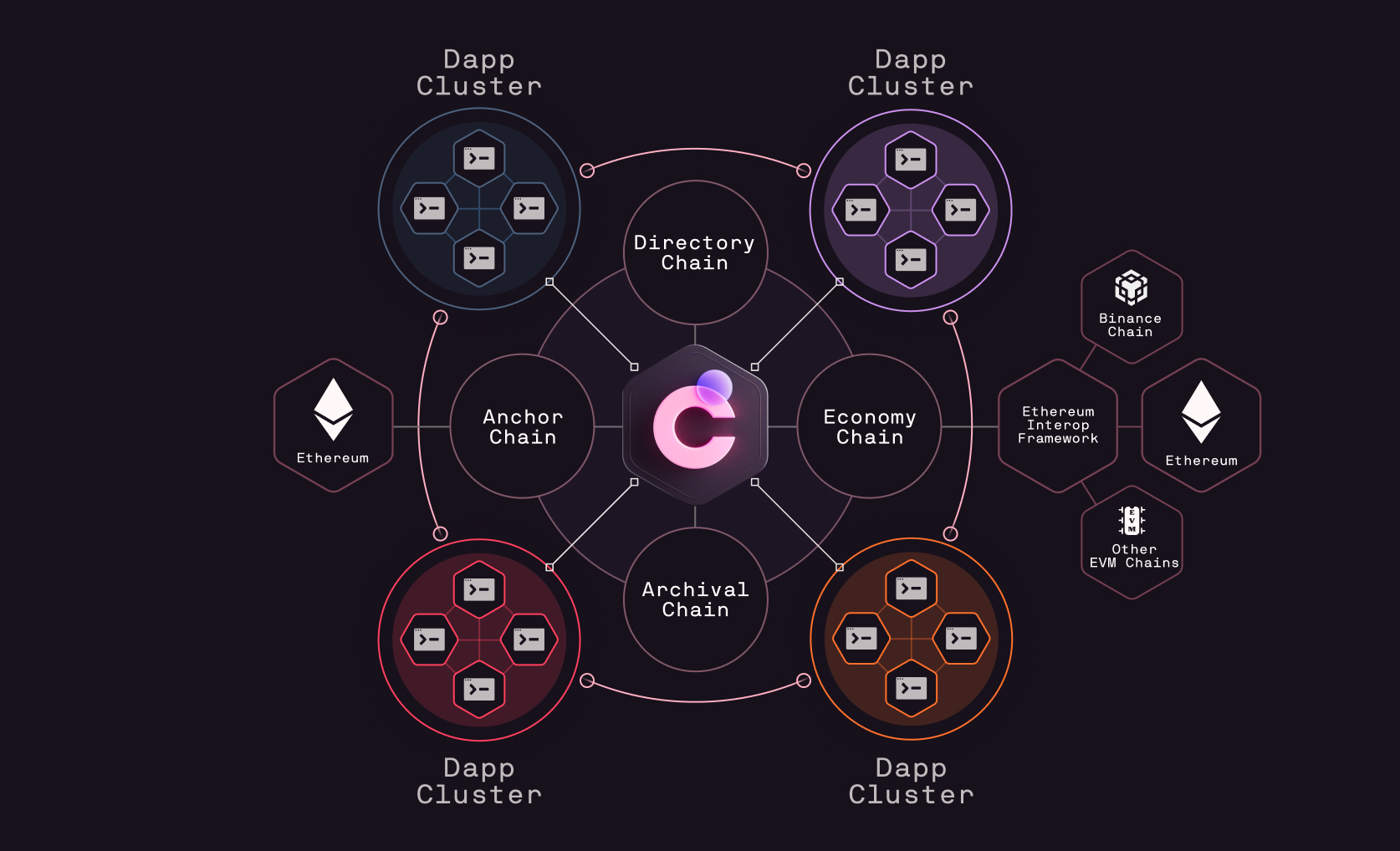
- Unified User Experience Across Multiple Chains: Solutions such as Klaster provide cross-chain accounts and assets, abstracting away blockchain-specific complexities. Users interact with decentralized applications (dApps) without needing to understand or manage different chains, significantly improving clarity and usability.
- Enhanced Security and Reliability in Cross-Chain Operations: Chainlink CCIP leverages decentralized oracle networks to secure cross-chain transactions, reducing risks associated with manual bridging. This ensures reliable asset transfers and data exchange across blockchains.
- Minimization of User Errors and Security Vulnerabilities: Chain abstraction techniques, as discussed by Arcana Network, enable users to manage assets via a single interface and unified balance. This reduces the need for manual bridging, lowering the risk of mistakes and potential exploits.
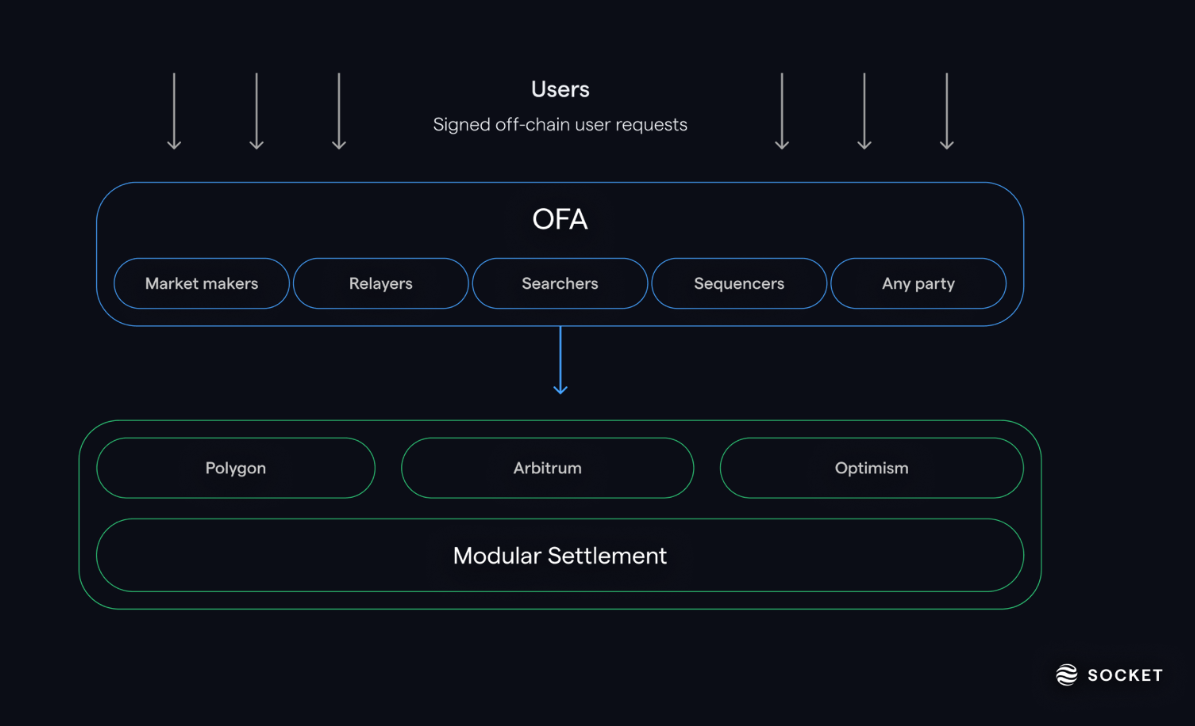
Reliability and Security: Building Trust Across Chains
No amount of speed or simplicity can compensate for unreliable or insecure infrastructure. Leading interoperability protocols such as Chainlink’s CCIP have prioritized robust security models backed by decentralized oracle networks with proven track records in DeFi (source). These architectures not only reduce downtime but also minimize attack vectors that historically plagued early bridges.
The implementation of chain abstraction further mitigates risk by reducing manual bridging steps - a common source of user error and exploitability (source). Users interact through a single interface, with unified balances and automated routing ensuring both reliability and peace of mind.




No comments yet. Be the first to share your thoughts!