

In the sprawling multichain DeFi ecosystem, where users grapple with bridges, gas fees, and wallet switches, intent-based chain abstraction stands out as a precise solution for frictionless cross-chain DeFi UX. This paradigm shift empowers you to articulate a simple goal, like swapping ETH on Ethereum for SOL on Solana, while solvers handle the orchestration across networks. No more manual bridging or liquidity hunting; just declare your intent, and let competition among fulfillers optimize execution. As a risk specialist, I see this not as hype, but a cautious evolution toward safer, unified liquidity cross-chain experiences, reducing exposure to exploits in fragmented systems.
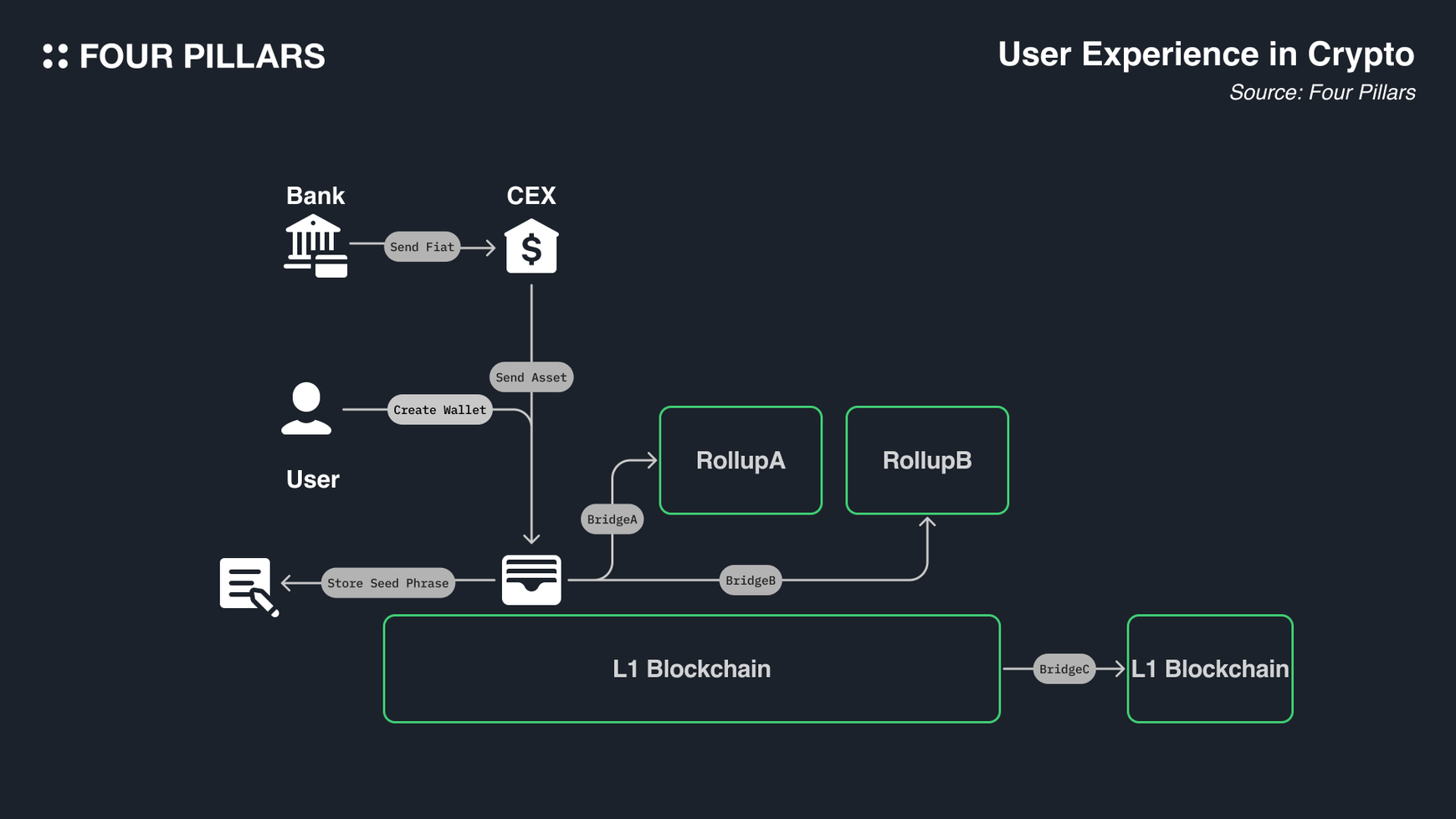
Traditional cross-chain interactions demand vigilance at every step: approving tokens, estimating slippage, timing bridges. Intent-based systems invert this. You specify the what - receive 100 USDC on Arbitrum from BTC on Bitcoin - and third parties bid to deliver the how. Protocols like NEAR Intents exemplify this, processing billions in volume by enabling multichain transactions without multiple wallets or asset wrapping. Their $5B milestone underscores real traction, yet I caution: fulfillment relies on solver reliability, so prioritize protocols with proven hybrid security models.
How Intents Eliminate Cross-Chain Friction
At its core, intent-based chain abstraction abstracts away blockchain-specific hurdles. Users sign a single intent, a cryptographically secure expression of desired state change. Solvers then bundle actions - swaps, bridges, gas payments - into atomic bundles. NEAR's approach lets multiple actors commit to state changes, fostering competition for best rates. LI. FI integrates this with chain abstraction, where your intent triggers onchain actions seamlessly, regardless of chain.
This empowers retail investors like you to access seamless multi-chain DeFi without deep technical knowledge. Consider the risks: in imperative transactions, one failed step cascades losses. Intents mitigate this via filler networks, where unsuccessful bids don't touch your funds. Still, assess solver incentives; misaligned economics could invite front-running. My framework: audit filler decentralization before committing significant capital.

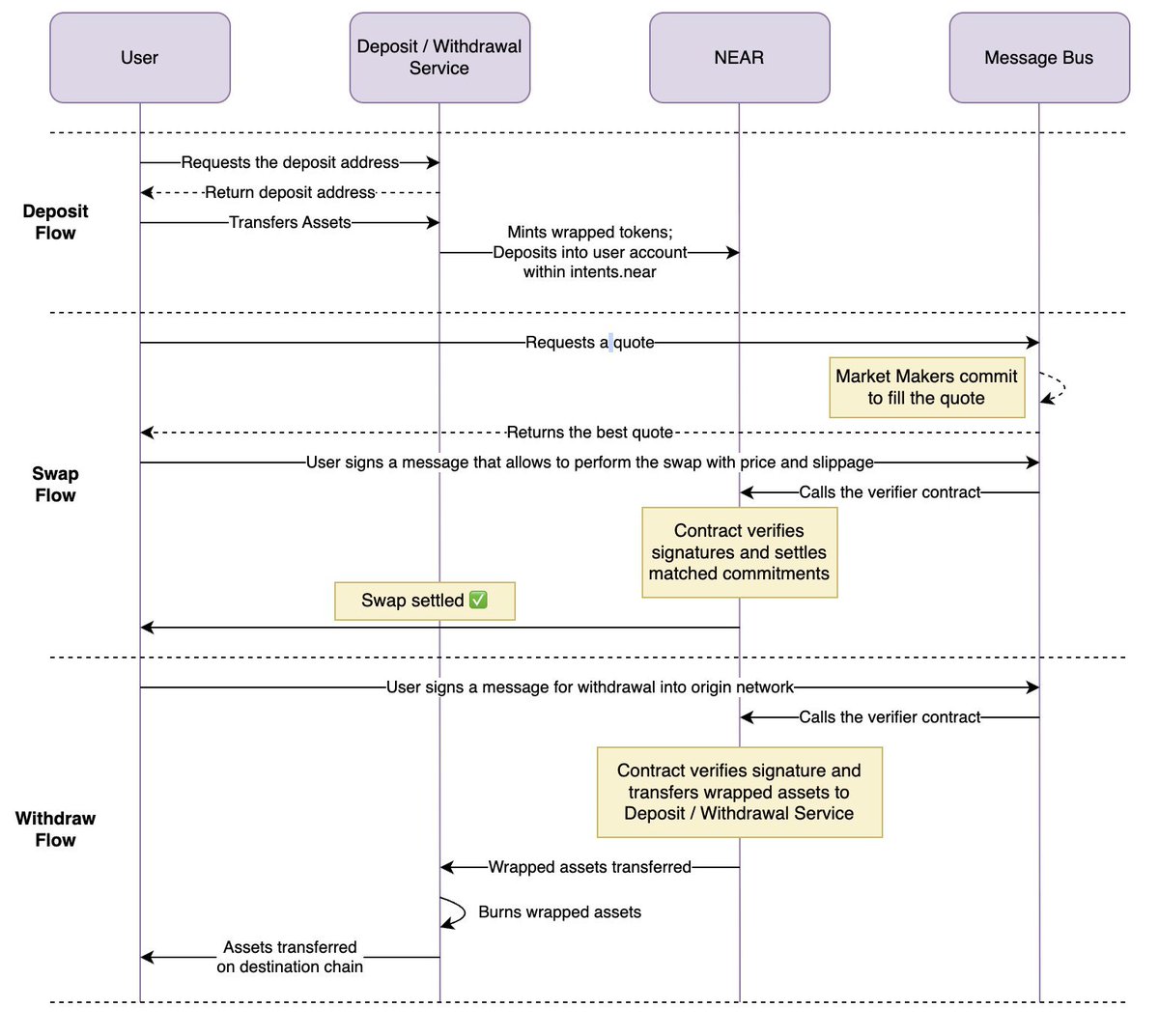
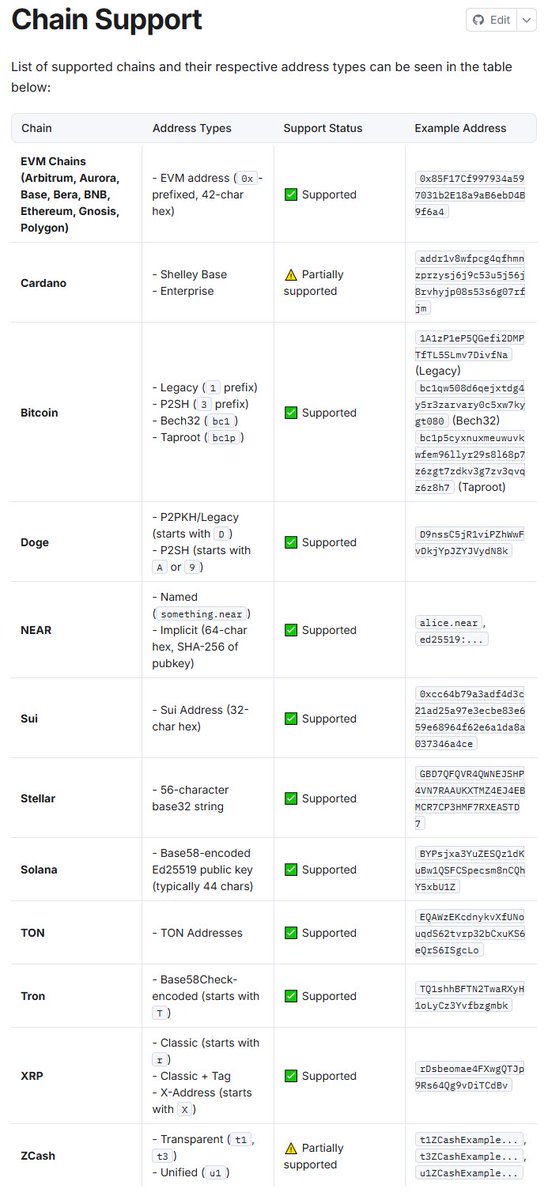
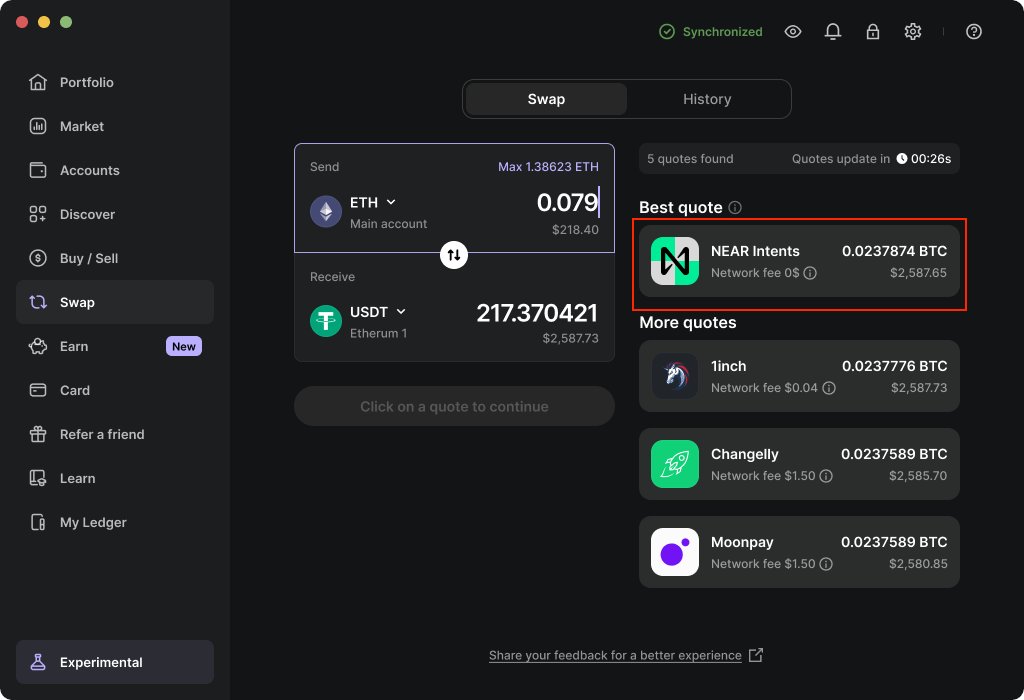
Trailblazing Protocols Reshaping the Landscape
Self Chain's AI-powered abstraction takes intents further with keyless wallets and multi-chain account abstraction. AI agents optimize liquidity paths, deploying dApps rapidly across ecosystems. This isn't just convenience; it's risk reduction, as keyless setups curb private key vulnerabilities plaguing 80% of hacks.
Trails' universal intents platform simplifies to one-click: pay, swap, or earn any token on EVM chains with any wallet. Their engine turns fragmented balances into instant liquidity, a boon for chain abstraction wallets. Uniswap Labs and Across propose a cross-chain intents standard, enabling interoperability among systems like UniswapX and CoW Protocol. This unified framework promises decentralized filler networks, benefiting apps and users alike.
Mitosis advances with intent-based swaps via miAssets - tokenized natives - and dynamic routing to slash slippage and gas. Connecting EVM and Cosmos without centralized bridges, it exemplifies unified liquidity cross-chain. Read more on how intent-based chain abstraction transforms cross-chain DeFi UX.
Security Imperatives in Intent Fulfillment
Empowerment demands caution. While intents streamline UX, they introduce solver dependencies. Evaluate protocols for hybrid security: Mitosis blends this with permissionless layers. NEAR's multichain protocol invites competition, driving efficiency, but verify offchain components. As FRM-certified, I advocate stress-testing intents against MEV attacks; top protocols like Eco and CoW Protocol integrate protections.
Chain abstraction pairs with account abstraction for gasless, session-keyed experiences, solving fragmentation. Yet, unified wallets must enforce granular permissions. My take: true frictionless UX balances speed with safeguards, positioning you to capture DeFi's multichain alpha securely. Dive deeper into how chain abstraction enables seamless cross-chain DeFi without bridges.
Evaluating solver ecosystems starts with transparency. Protocols disclosing filler auctions and dispute mechanisms earn my endorsement. For instance, CoW Protocol's batch auctions minimize MEV, while Eco's intents layer competes on execution quality. My advice: simulate intents on testnets before live deployment, quantifying slippage against benchmarks.
Comparative Edge of Leading Protocols
To empower informed decisions, scrutinize how these systems stack up in delivering cross-chain intents UX. NEAR Intents leads with $5B volume, proving scalability for complex swaps. Self Chain's AI edge optimizes paths proactively, ideal for high-frequency traders wary of latency risks. Trails excels in EVM universality, abstracting wallets into one-click powerhouses.
🏆 Comparison of Top Intent-Based Protocols
| Protocol | Core Innovation | Security Features | UX Impact | Traction Milestone |
|---|---|---|---|---|
| NEAR Intents | Multichain intents with third-party solvers competing for best execution 🏃♂️ | Decentralized solver competition 🔒 | Seamless cross-chain without multiple wallets/gas/bridges 🌉 | $5B volume 📈 |
| Self Chain | AI-powered chain abstraction with keyless wallets 🤖 | Keyless multi-chain account abstraction 🔐 | Effortless interactions for users/AI agents across chains ✨ | Rapid dApp deployment 🚀 |
| Trails | Universal intents platform for single-click txns 💫 | EVM chain agnostic with any wallet support 🛡️ | Instant liquidity from fragmented balances, no bridges 🎯 | Unlocks full crypto spending power 🌟 |
| Uniswap/Across | Cross-chain intents standard for interoperability 📡 | Universal filler network decentralization 🔗 | Unified framework connecting intents systems 🤝 | Proposed by Uniswap Labs & Across labs 🏛️ |
| Mitosis | Intent-based swaps with miAssets & dynamic routing 🔄 | Hybrid security model 🛡️ | Minimized slippage/gas via permissionless layers ⚡ | Connects EVM/Cosmos without centralized bridges 🌍 |
| LI.FI | Intents integrated with chain abstraction 🎛️ | Relies on abstracted on-chain security 🔒 | Users specify intent only, complexities hidden 😌 | Simplifies swaps/liquidity across chains 📊 |
Uniswap Labs and Across's standard unifies disparate systems, fostering a filler marketplace where competition sharpens rates. Mitosis' miAssets bridge EVM-Cosmos gaps permissionlessly, slashing centralization risks inherent in legacy bridges. LI. FI rounds it out by embedding intents into aggregation, ensuring your swap intent taps deepest liquidity pools across 30 and chains.
Yet opinion divides me here: while these innovations dazzle, over-reliance on offchain solvers demands vigilant monitoring. I've seen intent fulfillment falter under volatility; protocols with onchain fallbacks, like NEAR's state commitments, merit premium positioning in your toolkit.
Empowering Your Multi-Chain Strategy
Integrating intent-based chain abstraction into your DeFi routine transforms fragmentation into fluidity. Picture funding a Solana yield farm from Ethereum collateral with one signature, solvers routing via optimal paths. For builders, this unlocks dApps indifferent to chain boundaries, accelerating adoption.
Risk frameworks evolve too. Pair intents with hardware wallets for signing, enforce spending limits via account abstraction, and diversify across protocols to hedge solver failures. This cautious layering lets you harvest seamless multi-chain DeFi yields without the drag of manual orchestration.
Explore further on how chain abstraction makes cross-chain swaps as simple as single-chain transactions. As protocols mature, expect intents to underpin unified wallets, where your portfolio spans chains invisibly. Stake positions confidently, knowing you've mitigated the pitfalls I outline.
The multichain future rewards the prepared. By specifying intents precisely and selecting robust fulfillers, you sidestep UX pitfalls, capturing alpha in a borderless DeFi arena. Stay empowered, trade securely.




No comments yet. Be the first to share your thoughts!