
For years, cross-chain swaps in DeFi have been a pain point for both new and experienced users. The process typically required juggling multiple wallets, manually bridging assets, and navigating unfamiliar networks. Today, chain abstraction is changing the game by making cross-chain swaps as simple and intuitive as single-chain transactions. This is more than just a UX upgrade - it's a fundamental shift that brings the vision of seamless interoperability closer to reality.
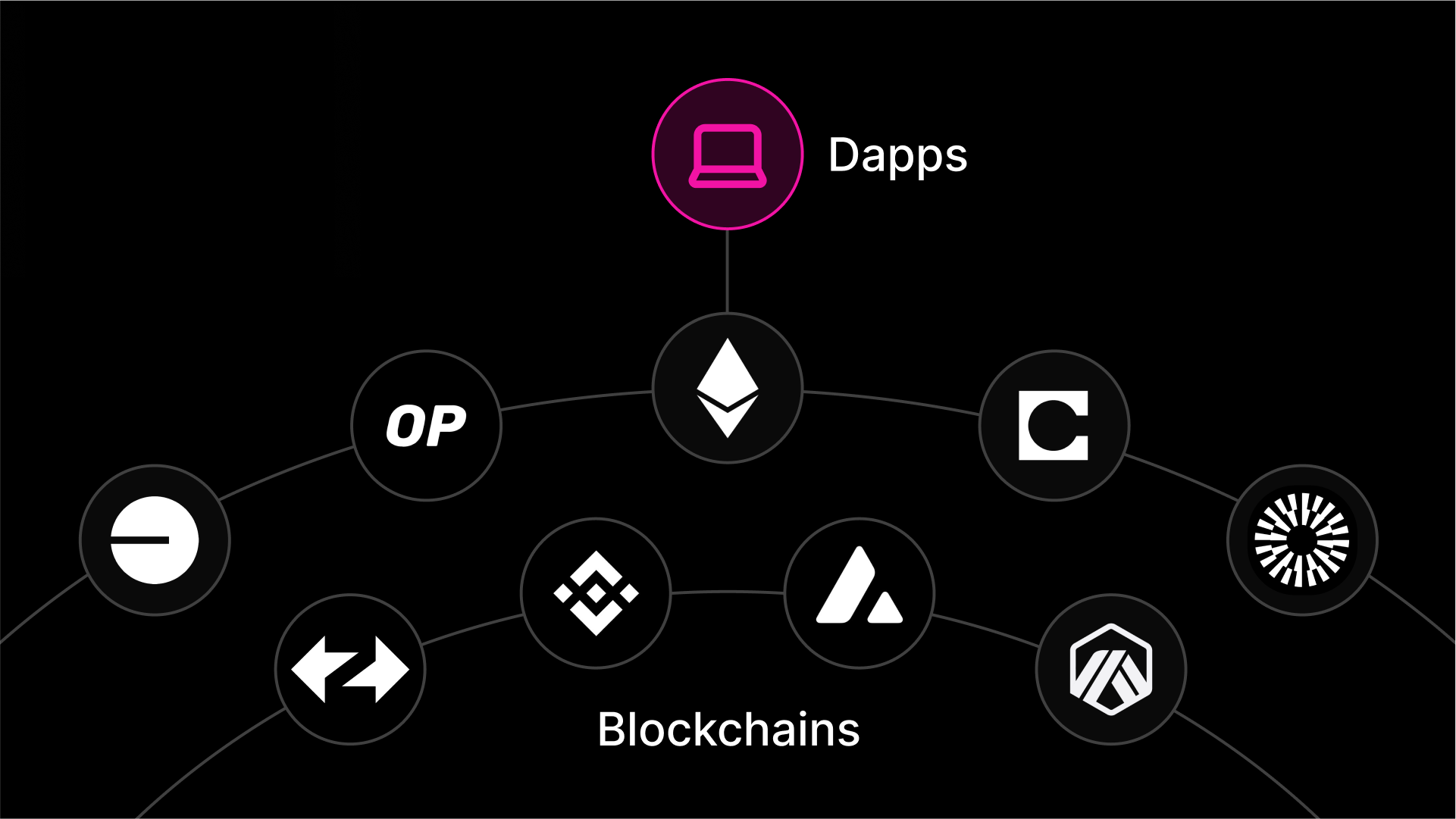
Why Traditional Cross-Chain Swaps Frustrate Users
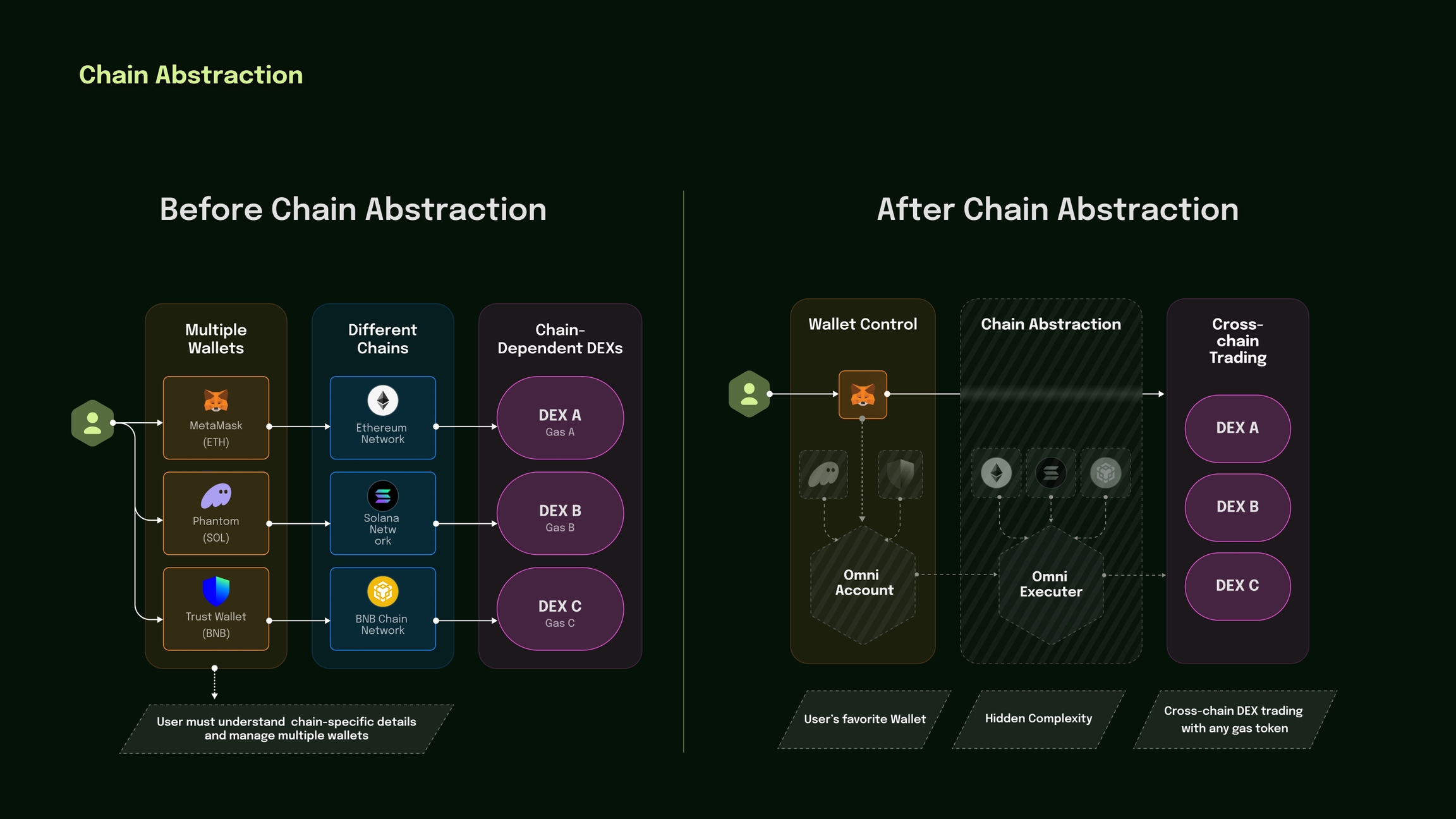
Even as decentralized finance platforms have matured, the multi-chain experience has remained fragmented. Users often face these challenges:
- Maintaining separate wallets and seed phrases for each blockchain network
- Needing to hold native gas tokens (like ETH or MATIC) on every chain they interact with
- Manually bridging assets between chains, risking delays or errors
- Navigating complex interfaces that expose backend technicalities
This friction discourages adoption and undermines the promise of DeFi as an open, accessible financial system. As highlighted by zkCross Network's documentation, abstracting away these complexities is key to unlocking broader participation.
The Core Building Blocks of Chain Abstraction
Chain abstraction achieves its simplicity through three main innovations:
Core Components of Chain Abstraction in Cross-Chain DeFi
- Wallet Abstraction: Enables users to manage assets across multiple blockchains with a single wallet interface, using a unified wallet layer that derives addresses for various chains from one private key.
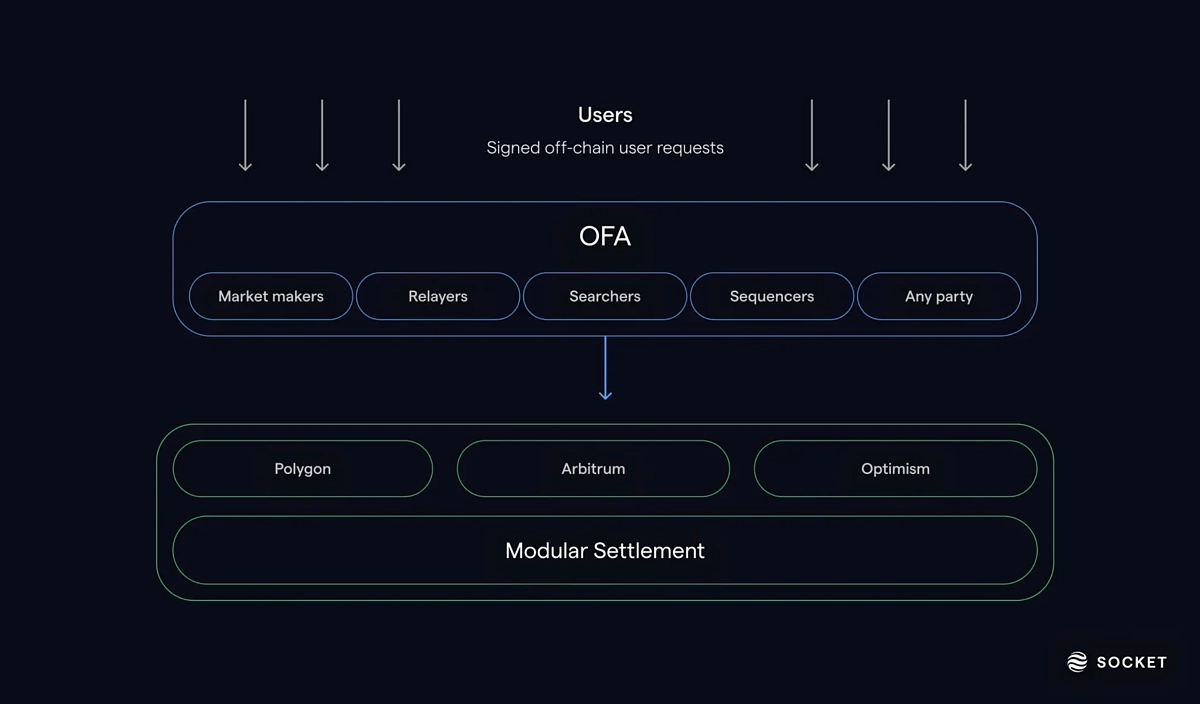
- Gas Abstraction: Allows transactions to be executed without users needing native gas tokens for each chain, utilizing meta-transaction layers and relayer networks to automate gas fee payments.
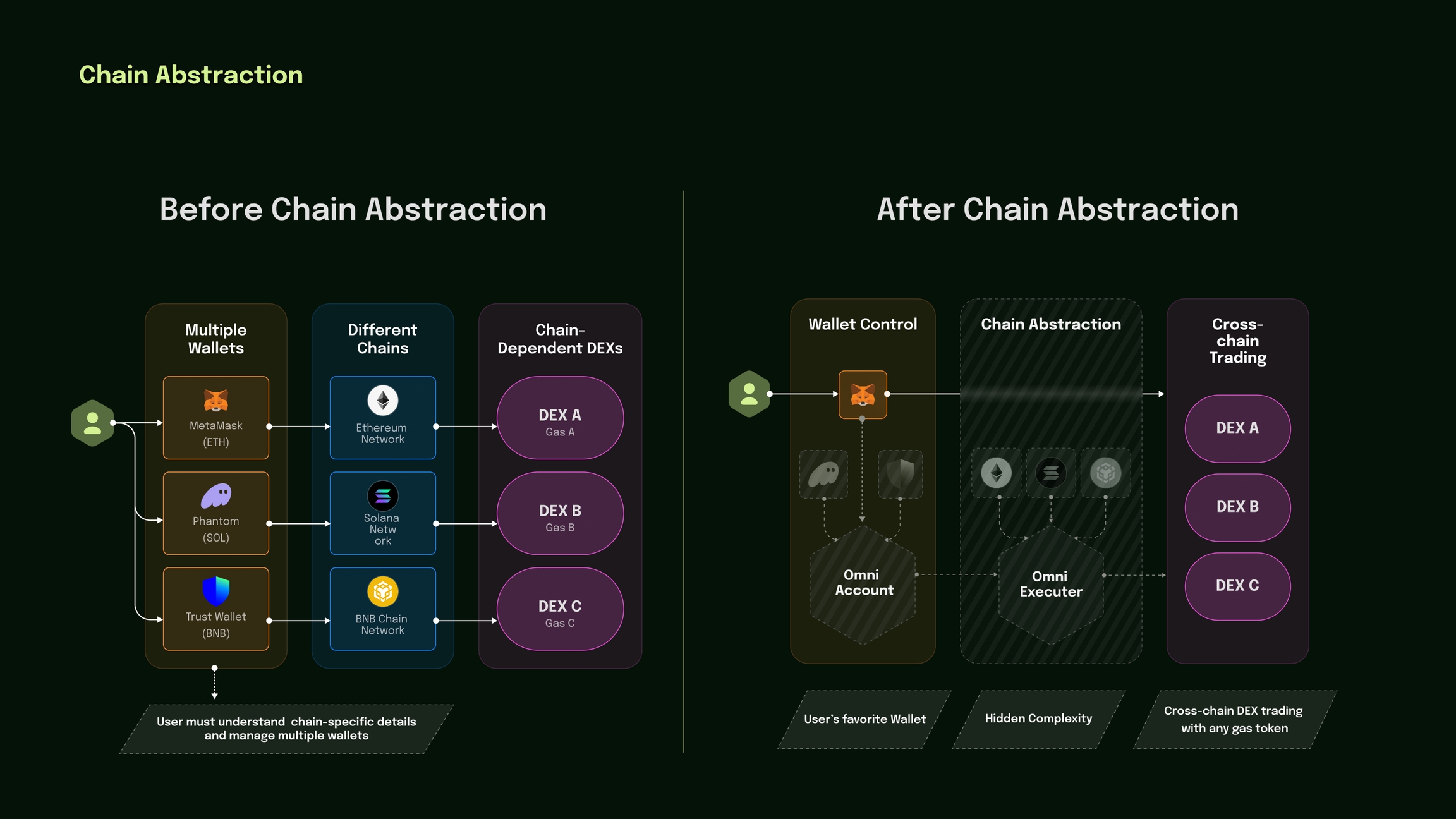
- One-Click Cross-Chain Swaps: Aggregates liquidity from multiple DEXs and blockchains, enabling users to perform atomic cross-chain swaps with a single action and optimized trade paths.
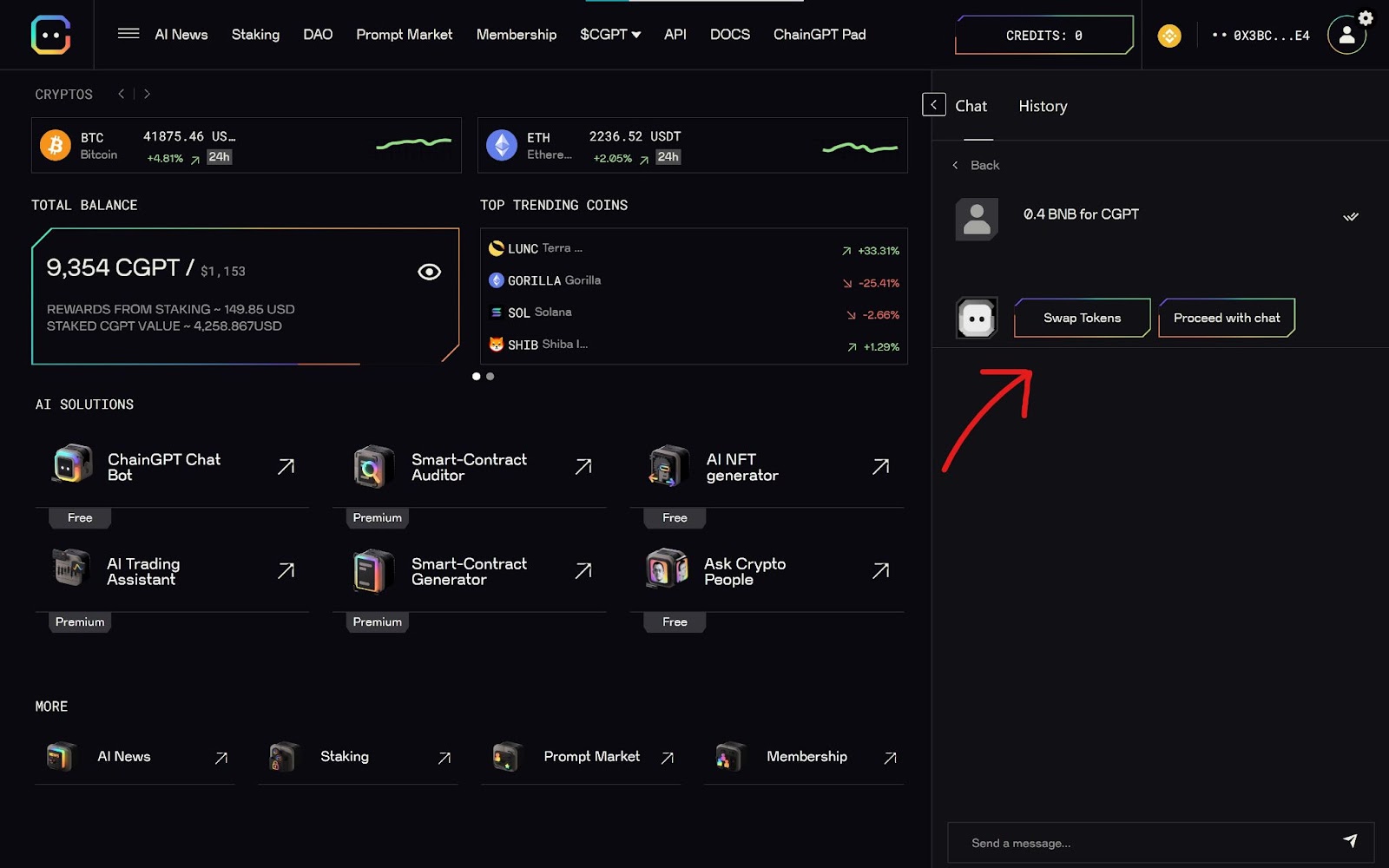
- Unified User Interface (UI): Presents all blockchain interactions in a single, seamless dashboard, abstracting away network switching and backend complexities for a streamlined experience.
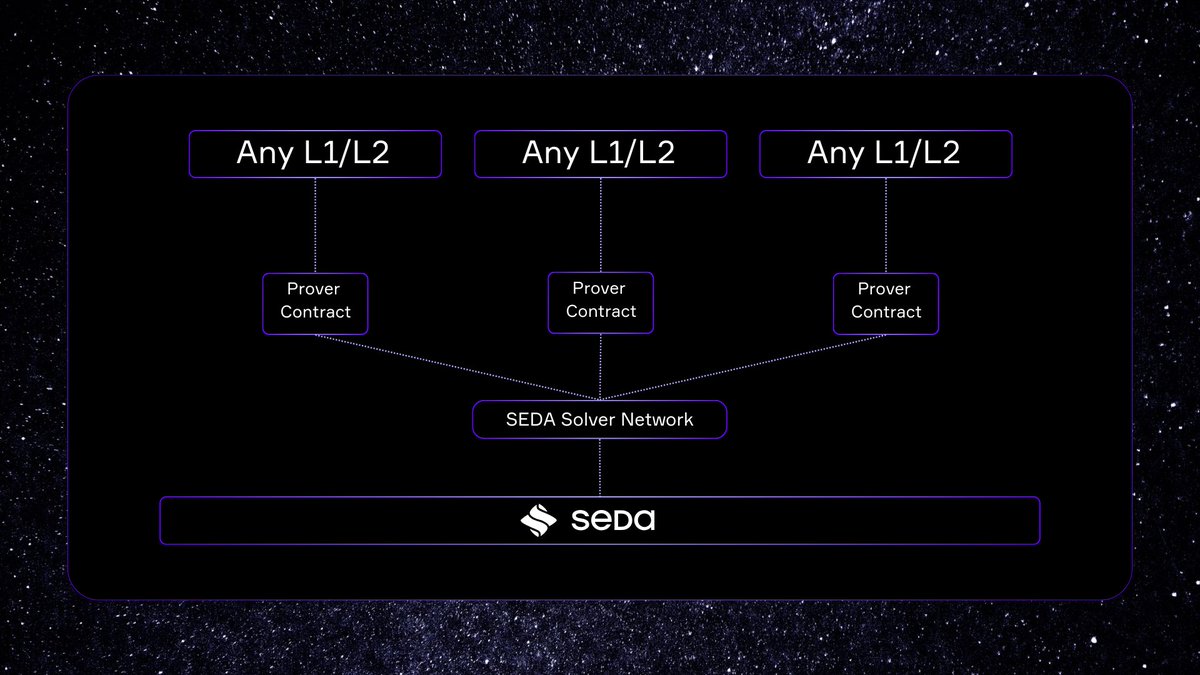
- Intent-Based Transaction Protocols: Uses protocols like Connext and zkCross Network to interpret user intents and execute optimal cross-chain actions without manual intervention.
1. Wallet Abstraction: Instead of managing multiple wallets, users access all their assets from a unified wallet interface. This single private key can generate addresses across many chains, streamlining asset tracking and transaction signing.
2. Gas Abstraction: With meta-transaction layers and relayer networks handling gas fees behind the scenes, users no longer need to worry about holding the right token for each chain. Transactions are executed without manual fee management.
3. One-Click Swaps: By aggregating liquidity from multiple DEXs across chains, platforms can route trades for optimal pricing and minimal slippage - all with a single click from the user's perspective.
The ultimate goal: make interacting with any blockchain feel as easy as using your favorite mobile banking app.
Pioneers Bringing Seamless Cross-Chain UX to Life
The narrative around chain abstraction isn't just theoretical; it's being actively implemented by leading projects:
- zkCross Network: Natively integrates chain abstraction into blockchain infrastructure, enabling instant cross-chain capabilities without exposing users to backend complexity (read more here).
- Connext: Allows decentralized applications (dApps) to execute logic from any chain without requiring users to switch networks or sign on different chains (see Connext docs). This pattern removes mental overhead for users entirely.
This new paradigm is further accelerated by intent-based protocols like Across, Anoma, and UniswapX (see LI. FI’s overview), which enable dApps to interpret user "intents": such as swapping one token for another, without forcing them through manual steps or network decisions.
The User Experience Revolution: What Changes?
The impact of chain abstraction on DeFi user experience cannot be overstated. Here’s how it transforms day-to-day interactions:
Real-World Examples of Seamless Cross-Chain Swaps
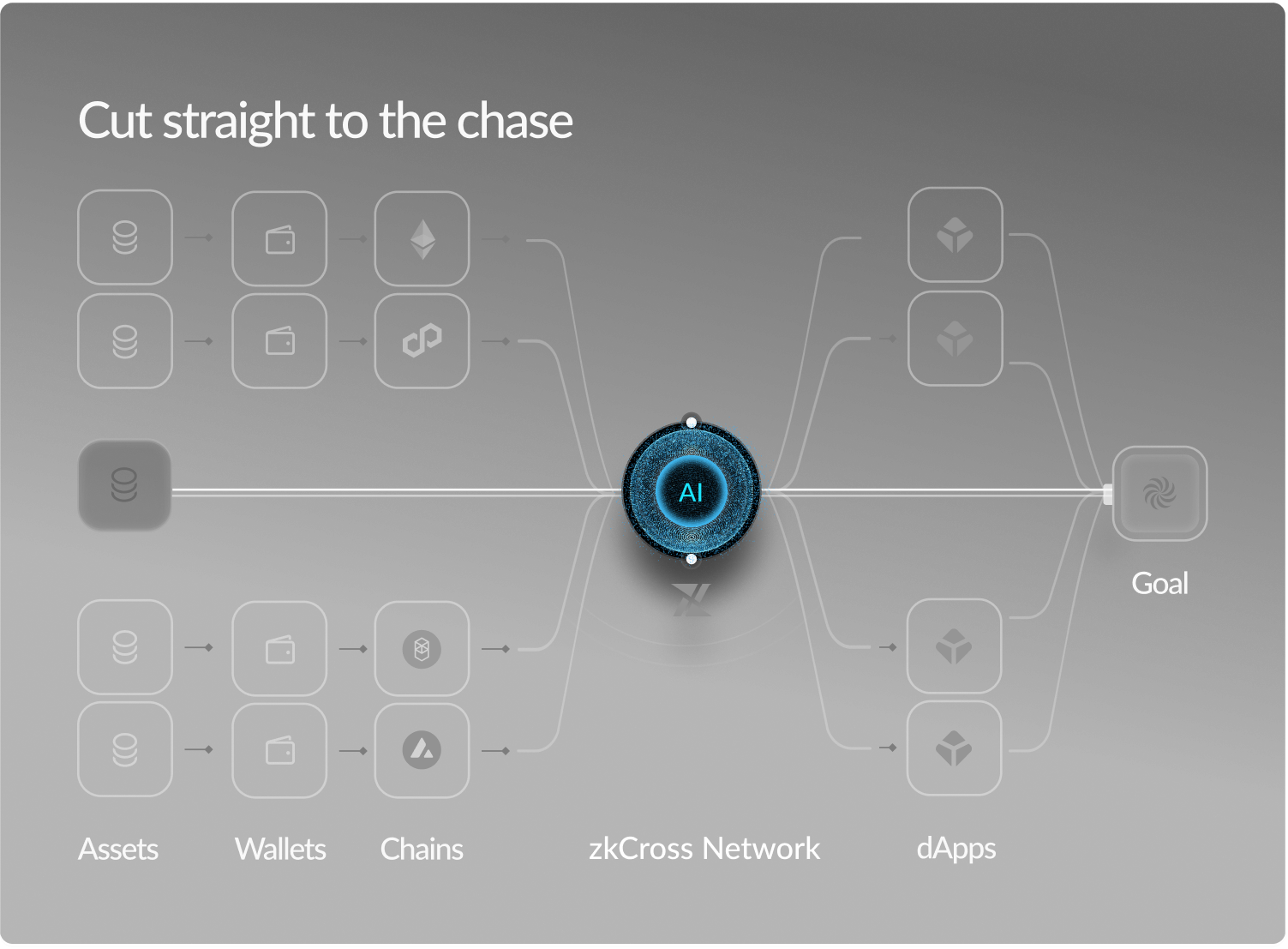
- zkCross Network: Enables users to swap assets across multiple blockchains within a single, unified wallet interface. The platform abstracts away the need to manually bridge tokens or manage different wallet addresses, making cross-chain swaps as easy as single-chain transactions.
- Connext: Allows decentralized applications and users to perform cross-chain swaps without switching networks or managing multiple wallets. Its chain abstraction technology lets users initiate swaps from any chain, with the system handling all backend complexities automatically.
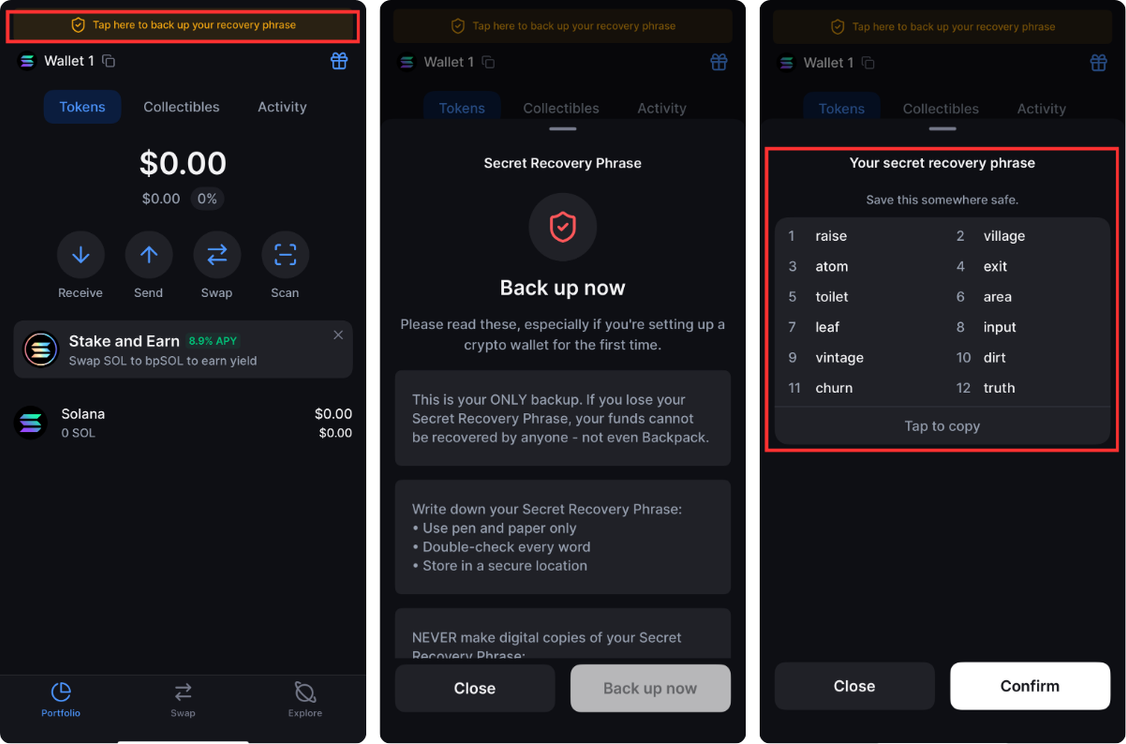
- Backpack Wallet: Integrates chain abstraction to let users manage and swap assets across various blockchains through one intuitive interface. Users can perform cross-chain transactions without worrying about gas fees or network switching, streamlining the entire process.
- LI.FI: Aggregates multiple bridges and decentralized exchanges, offering seamless cross-chain swaps directly from a single wallet interface. Users can swap tokens across different blockchains in one step, with LI.FI optimizing the route for speed and low fees.
- Rango Exchange: Provides intent-based cross-chain swaps with a focus on user experience. Its interface allows users to specify what they want to achieve, and the system handles the complex routing and execution across multiple chains behind the scenes.
No more switching between apps or worrying about which network you’re on, everything happens under one roof. For developers and enterprises, this means lower support costs and higher retention rates; for everyday users, it means fewer mistakes and faster onboarding into the world of decentralized finance.
Security, of course, remains paramount. As the market matures, chain abstraction protocols are increasingly focused on robust permission layers and modular security frameworks. Leading projects are racing to offer not just convenience but also uncompromising protection for user funds and data. According to zkCross Network, native abstraction can reduce the attack surface by consolidating wallet management and transaction routing into a single, well-audited interface. This approach minimizes the risks associated with manual bridging and fragmented access points.
Intent-Based UX: The Next Leap Forward
A major innovation driving this revolution is intent-based crypto UX. Instead of forcing users to understand technical details or choose specific routes for their transactions, intent-based systems allow them to simply state their goal, for example, “swap 1 ETH on Ethereum for USDC on Arbitrum”: and let the platform handle all underlying steps. Protocols like Across and UniswapX leverage standards such as ERC-7683 to interpret these intents securely and efficiently.
This shift means that even complex cross-chain actions, swapping, staking, or bridging, are distilled into a single user action. The backend handles optimal routing, liquidity aggregation, gas payments, and final settlement atomically. For users, it’s indistinguishable from a traditional single-chain swap.
What’s Next for Chain Abstraction in DeFi?
Unified crypto wallets with seamless cross-chain UX are quickly becoming the standard expectation rather than a niche offering. As more platforms integrate chain abstraction layers natively, as seen with zkCross Network and Connext, the industry moves closer to true cross-chain interoperability. This not only benefits end-users but also expands the potential reach of decentralized applications across previously siloed ecosystems.
The implications stretch beyond retail users; enterprise adoption is accelerating as compliance and liquidity management become unified within these abstracted frameworks (see QuickNode Blog’s coverage of enterprise bridges). Developers can now build dApps that interact with multiple blockchains out-of-the-box without reengineering for each network, dramatically reducing complexity and time-to-market.
Key Takeaways for Developers and Crypto Enthusiasts
- Simplified onboarding: Fewer steps mean new users can access DeFi without deep technical knowledge.
- Reduced operational risk: Automated gas fee handling and atomic swaps minimize common user errors.
- Broader dApp access: Interact with any protocol across chains from a single interface without switching wallets or networks.
- Evolving standards: Intent-based design patterns (ERC-7683) will further streamline UX in coming years.
The future of decentralized finance is one where underlying blockchain networks fade into the background, users simply express what they want to do, and platforms handle everything else securely and transparently. As chain abstraction matures in 2025 and beyond, expect seamless cross-chain swaps to become as routine as sending an email or making an online payment today.



No comments yet. Be the first to share your thoughts!