
Remove chain complexity from the user journey
Chain abstraction is a user experience framework that unifies fragmented blockchain networks into a single interface. Instead of forcing users to manage separate wallets, bridge assets across different networks, or pay gas fees in specific tokens for each chain, abstraction hides this infrastructure. The goal is to make the underlying blockchain invisible to the end-user, allowing them to interact with Web3 applications as if they were using a centralized service.
This shift is critical for 2026 adoption because the current multi-chain landscape creates significant friction. Users currently face a complex sequence of tasks: selecting the correct network, swapping native tokens for gas, and waiting for cross-chain bridge confirmations. Chain abstraction removes these steps. By handling the backend routing and settlement automatically, it allows users to focus on the application's utility rather than the mechanics of the blockchain.
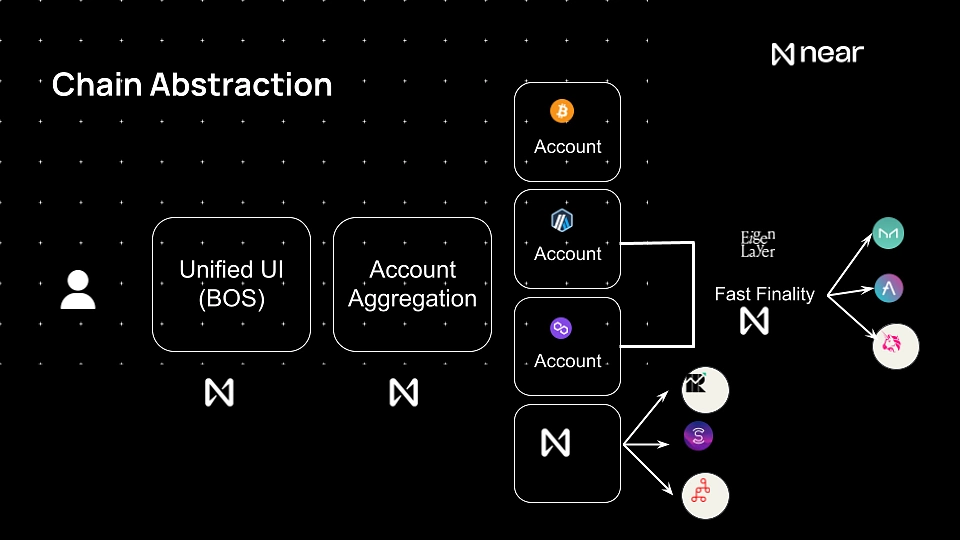
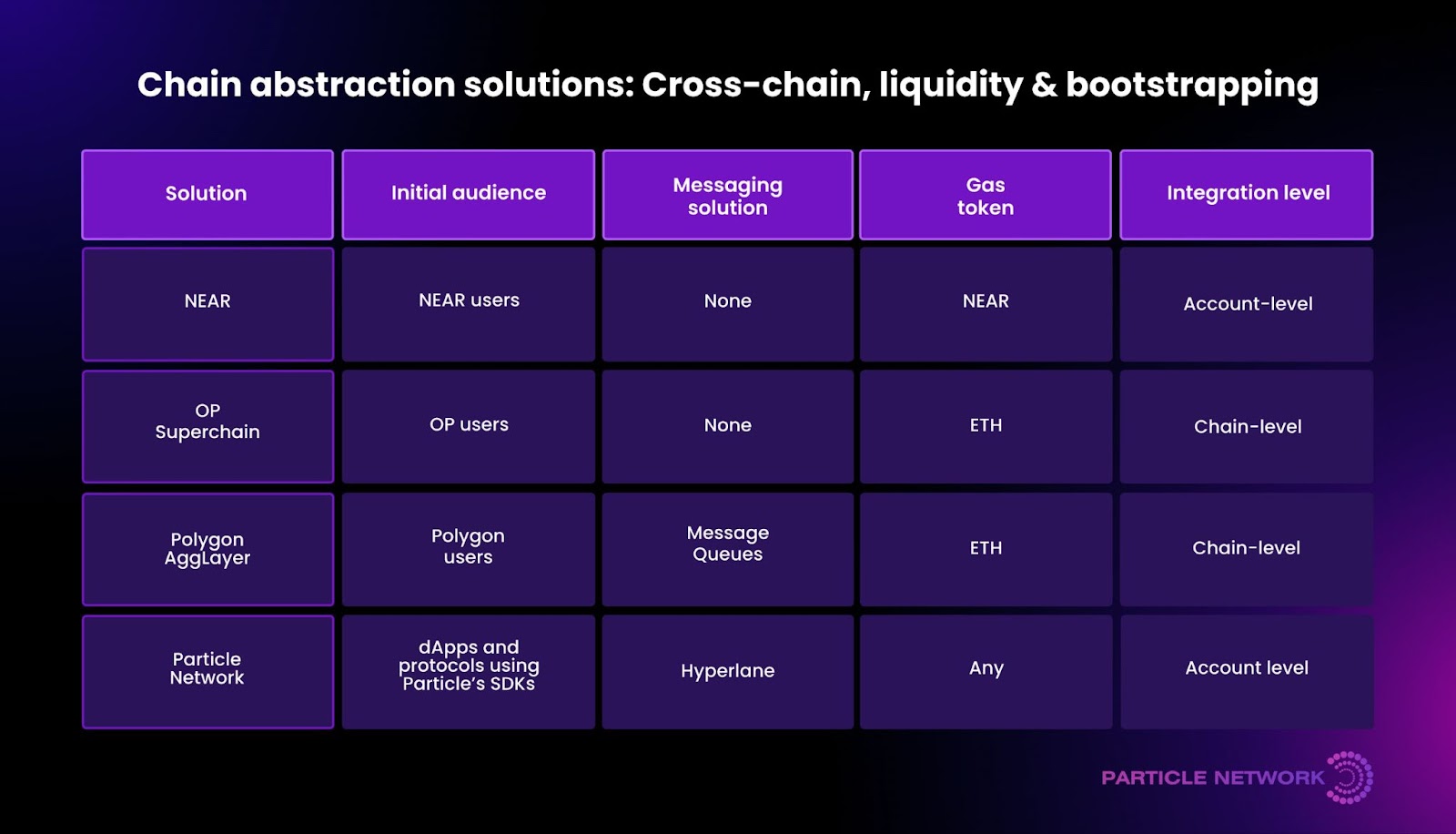
For example, platforms like NEAR allow users to operate across all supported chains using a single account, while projects like Safe focus on making the chain invisible entirely. This simplification reduces the cognitive load on new users and prevents errors that often lead to lost funds or failed transactions. As the ecosystem grows, the ability to abstract away these complexities will determine which platforms achieve mainstream scale.
Implement unified account management
The first technical step in chain abstraction is decoupling user identity from specific chains. Instead of managing separate wallets for Ethereum, Solana, or Arbitrum, users interact with a single smart account. This account acts as a universal key, allowing seamless access to assets and services across multiple blockchains without manual bridging or private key rotation.
1. Deploy a smart account wallet
Start by deploying a smart account (also known as an account abstraction wallet) on your primary chain. Unlike traditional Externally Owned Accounts (EOAs), smart accounts are contracts that can validate transactions, enforce custom logic, and pay fees in tokens other than the native currency. This contract becomes your universal identity anchor.
2. Register cross-chain identity
Link your smart account to a decentralized identity standard or a chain abstraction layer. This step registers your public address across the target networks. When you sign a transaction on one chain, the abstraction layer verifies your identity against the registered smart account, authorizing actions on other chains without requiring new key pairs.
3. Configure unified transaction routing
Set up transaction routing to handle cross-chain calls. When you initiate a transfer or interact with a dApp, the smart account detects the target chain. It then packages the request and sends it through a relayer or operator, which executes the transaction on the destination chain and settles the state back to your unified account. This process hides the underlying complexity, making multi-chain interactions feel like a single-chain experience.
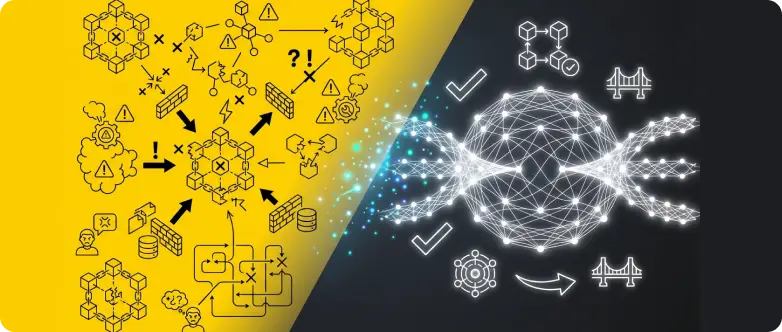
Initialize your universal identity by deploying a smart account contract on a supported L1 or L2.
Link your smart account to a decentralized identity standard to register your address across target networks.
Set up relayers to handle cross-chain calls, allowing your smart account to execute transactions on any connected chain.
This approach eliminates the friction of managing multiple private keys and bridging assets manually. By treating your identity as a contract rather than a static address, you gain the flexibility to operate across the entire Web3 ecosystem as a single, unified user.
Automate cross-chain asset transfers
Manual bridging requires navigating multiple interfaces, paying separate gas fees, and waiting for confirmations across different networks. Chain abstraction removes this friction by treating cross-chain movement as a single, automated task. Instead of manually wrapping tokens or locking assets in a bridge contract, you execute an intent that the backend resolves across chains.
This approach creates a unified interface, allowing you to interact with dApps from any chain using any token. The system handles the underlying liquidity routing, so you only see one transaction signature and one final outcome. This simplifies the user experience significantly, turning a complex multi-step process into a straightforward action.
Initiate the transfer by choosing the target chain and the asset you want to receive. Unlike traditional bridges that require you to send the native token of the source chain, chain abstraction allows you to specify the desired output. You simply indicate where the funds should end up and in what form.
Sign one transaction on your current wallet. This signature acts as an intent, authorizing the network to execute the necessary swaps and transfers. You do not need to approve multiple contracts or manage gas tokens on the destination chain. The protocol handles the execution logic in the background.
The network routes your liquidity through available pools or bridges to fulfill the request. You receive the assets on the destination chain without interacting with intermediate steps. This seamless interaction ensures that your dApp experience remains consistent regardless of the underlying infrastructure complexity.
| Feature | Traditional Bridge | Chain Abstraction |
|---|---|---|
| User Interface | Multiple screens | Single screen |
| Gas Fees | Separate per chain | Unified or subsidized |
| Token Handling | Manual wrapping | Automatic resolution |
| Execution | Manual relay | Intent-based |
By automating the mechanics of liquidity movement, chain abstraction allows you to focus on the utility of your application rather than the logistics of token transfer. This shift from manual bridging to intent-based execution is central to making multi-chain web3 accessible to mainstream users.
Handle gas fees with paymasters
Users should not need to hold the native token of every chain they interact with. Paymasters remove this friction by allowing dApps to sponsor transactions or accept gas payments in stablecoins and other ERC-20 tokens. This abstraction lets users focus on the application rather than managing multiple wallets for different chains.
1. Integrate a Paymaster Module
Select a standard implementation like ERC-4337 or a provider-specific module. This acts as the middleware between the user's transaction and the blockchain validator. It intercepts the gas payment logic, decoupling it from the transaction execution itself.
2. Configure Gas Sponsorship Rules
Define which transactions the dApp will pay for entirely. This is common for onboarding flows, first-time users, or high-value actions. The backend must verify the user's eligibility before signing the transaction, ensuring the sponsor only covers intended operations.
3. Enable Alternative Token Payments
For transactions not fully sponsored, allow users to pay gas in tokens like USDC or DAI instead of the native coin (e.g., ETH or MATIC). The paymaster converts these tokens to cover the gas cost on-chain. This eliminates the need for users to bridge native tokens to every new chain.
4. Handle Failed Transactions
Ensure the paymaster logic correctly handles cases where the user's token balance is insufficient or the transaction reverts. Clear error messages should guide the user to add funds or switch payment methods, preventing silent failures that confuse non-technical users.
By implementing these steps, you remove the most significant barrier to entry for new users. They can interact with multi-chain applications using the assets they already hold, making the technology feel like a single, unified service rather than a complex maze of networks.
Test cross-chain transaction reliability
Before deploying an abstraction layer, you must verify how it handles failure states. Chain abstraction simplifies multi-chain interactions by masking fragmentation, but if the underlying bridge or relay fails, the user experience collapses. You need to confirm that the system recovers gracefully without losing funds or requiring complex manual intervention.
Test these scenarios to ensure your abstraction layer is robust:
- Simulate liquidity shortages: Attempt a swap on a pool with low depth. Verify that the abstraction layer either routes through a secondary chain or fails safely with a clear error message, rather than silently dropping the transaction.
- Inject latency and node failures: Disconnect one of the supported RPC nodes during a transaction. The layer should automatically switch to a backup node or retry mechanism without exposing the user to a timeout error.
- Verify bridge timeout handling: Force a transaction to exceed the expected bridge confirmation time. Ensure the system does not double-spend or leave the user in an ambiguous "pending" state indefinitely.
A reliable abstraction layer acts as a fault-tolerant proxy. It should absorb the complexity of cross-chain mechanics while presenting a single, consistent interface. If the test results show any ambiguity in error reporting or fund safety, refine the retry logic and liquidity routing before going live.
-
Verify automatic node failover works under load
-
Confirm error messages are user-friendly and actionable
-
Test transaction rollback on bridge timeout
-
Ensure no double-spending occurs during network splits
Common questions about chain abstraction
Chain abstraction is a user experience framework that unifies fragmented blockchain networks into a single interface. Instead of managing separate wallets and tokens for every network, you interact with one account that handles the underlying complexity. This simplifies operations across all chains, allowing you to access assets and services from multiple blockchains seamlessly.
What is a chain abstraction?
At its core, chain abstraction removes the friction of cross-chain interactions. It allows users to operate across all chains using a single account, abstracting away the need to bridge assets manually or switch networks. This unified approach means you can access services from multiple blockchains without dealing with the technical overhead of each individual network.
How does it simplify multi-chain Web3?
Multi-chain Web3 often feels like juggling several different apps at once. Chain abstraction acts as a single layer that connects these disparate networks. By unifying transactions across multiple networks, it lets you focus on the application you want to use rather than the mechanics of moving funds. This creates a more streamlined experience where the technology works in the background.
What are the main benefits for users?
The primary benefit is simplicity. You get a unified interface that hides the complexity of the underlying blockchain infrastructure. This means fewer steps to complete transactions and a lower barrier to entry for new users. You can enjoy a consistent experience regardless of which chain the underlying asset or service resides on.
No comments yet. Be the first to share your thoughts!