
What chain abstraction means in 2026
Chain abstraction removes the need for users to select chains or bridge assets manually. It uses intents and solvers to handle cross-chain logic invisibly.
In 2026, the user experience of blockchain has shifted from active management to passive execution. Previously, interacting with a decentralized application required manual steps: wrapping tokens, selecting a destination network, approving transactions, and waiting for bridge confirmations. Chain abstraction eliminates this friction by treating the user's request as an "intent" rather than a transaction sequence.
Instead of executing steps directly, the user signs a message stating what they want to achieve—for example, "swap ETH for USDC on Ethereum." A decentralized network of solvers then competes to fulfill that intent. These solvers find the most efficient path across multiple chains, often using liquidity pools or atomic swaps, and execute the trade on the user's behalf.
This shift transforms blockchain from a collection of isolated silos into a unified layer. As noted by Eco and Dextools, the goal is to make the underlying infrastructure invisible. Users interact with a single interface, unaware of which chain is processing their data or where their assets are temporarily held during settlement.
The result is a seamless experience where the complexity of cross-chain interoperability is handled by the protocol layer. This allows developers to build applications that can access liquidity and users across the entire ecosystem without requiring the user to understand the mechanics of bridging.
How intents replace manual bridging
The old model of cross-chain activity required users to manually bridge assets, approve tokens, and swap on destination chains. This fragmented experience forced users to navigate multiple interfaces and assume custody risks at every step. Chain abstraction removes this friction by shifting the complexity from the user to the network. Instead of executing a transaction, you declare an intent—a high-level statement of what you want to achieve. The underlying infrastructure then figures out how to get it done.
This mechanism relies on a decentralized network of solvers. These are specialized agents that compete to fulfill user intents at the best possible price and speed. When you submit an intent, solvers scan multiple liquidity pools and chains to find the optimal execution path. They handle the complex routing, gas payments, and cross-chain messaging behind the scenes. You simply receive the result on your preferred chain, without ever interacting with the intermediate steps.
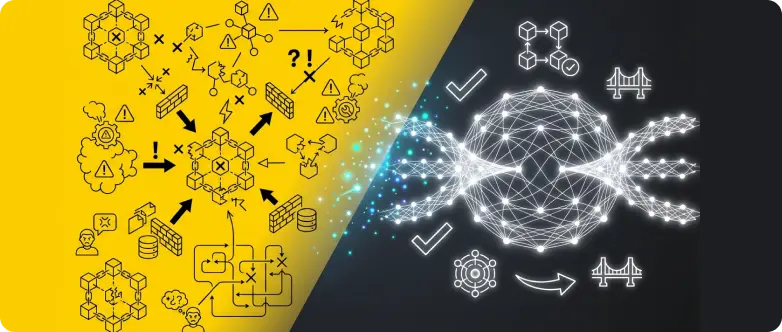
You specify the desired outcome, such as "Swap ETH on Solana for USDC on Ethereum." The system records this goal without dictating the execution method. This separation allows the network to choose the most efficient route dynamically.
Solvers compete to fulfill your request by scanning available liquidity across chains. They calculate the optimal path, considering fees, slippage, and transaction costs. The most competitive solver wins the right to execute the transaction.
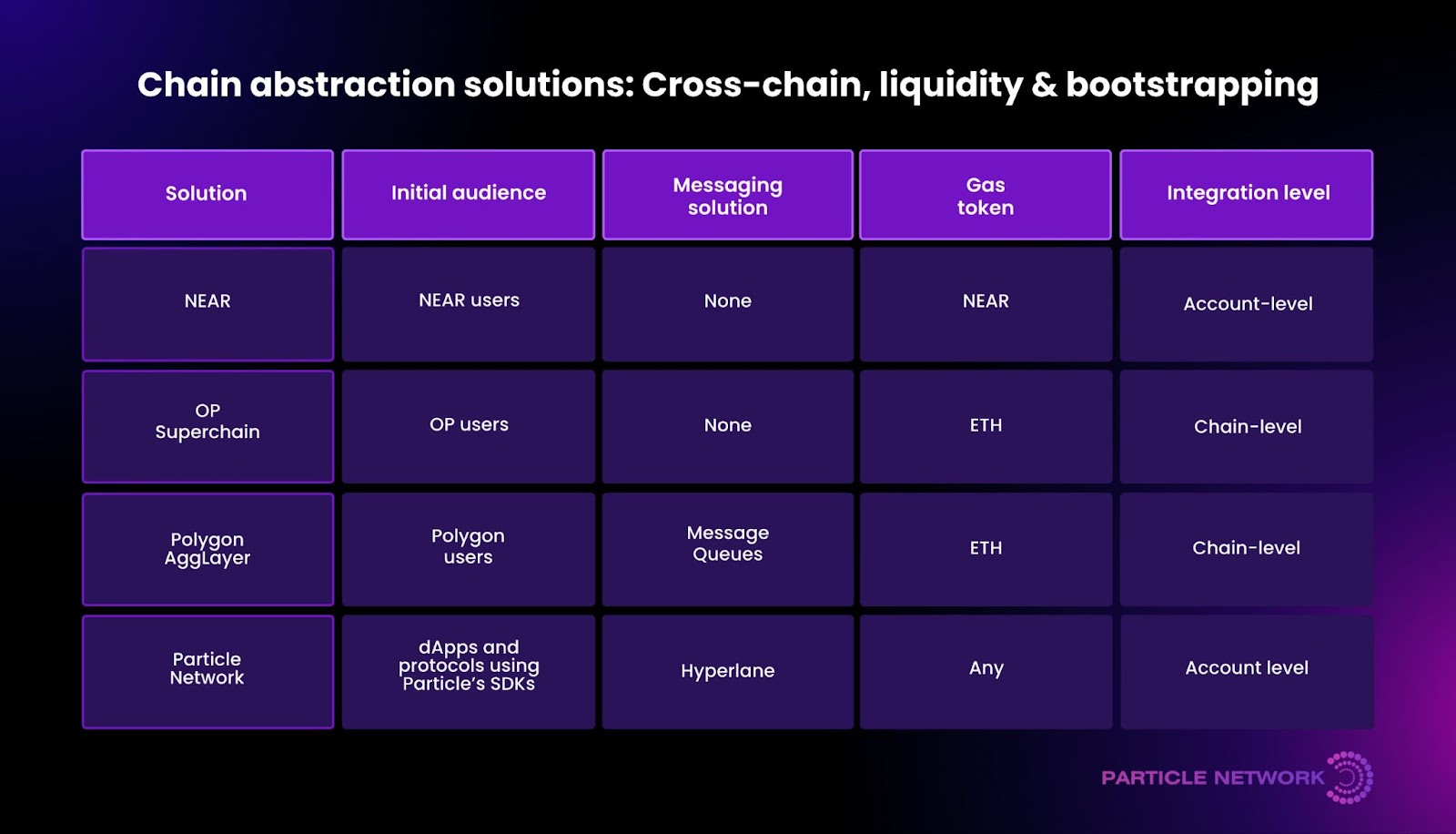
The solver executes the necessary actions across multiple chains and delivers the final result to your wallet. You see only the input and output, with all intermediate bridging and swapping handled invisibly in the background.
This shift from manual bridging to intent-based execution fundamentally changes how users interact with crypto. It eliminates the need to understand which chain holds which asset or how to move it. The focus returns to the utility of the application rather than the mechanics of the infrastructure. As solver networks mature, this model is becoming the standard for seamless cross-chain interaction in 2026.
Unified accounts and gas abstraction
Chain abstraction shifts the burden from the user to the infrastructure. Instead of managing multiple wallets, buying native gas for each chain, and manually bridging assets, users interact with a single interface. The system handles the complexity behind the scenes, allowing transactions to execute across different blockchains as if they were on a single network.
How the flow works
When you initiate a transaction on a chain-abstraction platform, you typically select the destination app and the action you want to perform. You then specify the payment token—often a stablecoin or a major asset like ETH or USDC. The platform’s backend, often referred to as an "intent solver," routes your request. It finds the most efficient path, executes the necessary swaps, covers the gas fees on the target chain, and settles the transaction. You never see the intermediate steps or hold the native gas token.
Comparing the experiences
The difference between traditional multi-chain interactions and chain abstraction is stark. Traditional methods require visible, manual steps for every chain involved. Abstraction hides these details, presenting a unified account experience.
| Feature | Traditional Bridging | Chain Abstraction |
|---|---|---|
| User Interface | Multiple wallets/chains | Single unified account |
| Gas Payment | Native tokens only | Any token (e.g., USDC) |
| Complexity Visibility | Visible manual steps | Hidden behind the scenes |
| Asset Movement | Manual bridging required | Automated routing by solver |
Implementation realities in 2026
By 2026, this technology has moved from theoretical prototypes to practical utility. Platforms like Eco have standardized the approach, defining chain abstraction as the design goal of letting users interact with applications without thinking about the underlying chains. While the user experience is seamless, the complexity hasn't disappeared; it has been traded from the user interface to the developer and solver layer. This trade-off is essential for achieving the "single click" experience that drives mass adoption.
Key protocols shaping the 2026 landscape
Chain abstraction in 2026 moves from theoretical whitepapers to deployed infrastructure. The focus has shifted from bridging liquidity to abstracting user experience, allowing applications to handle cross-chain logic without forcing users to manage multiple wallets or tokens.
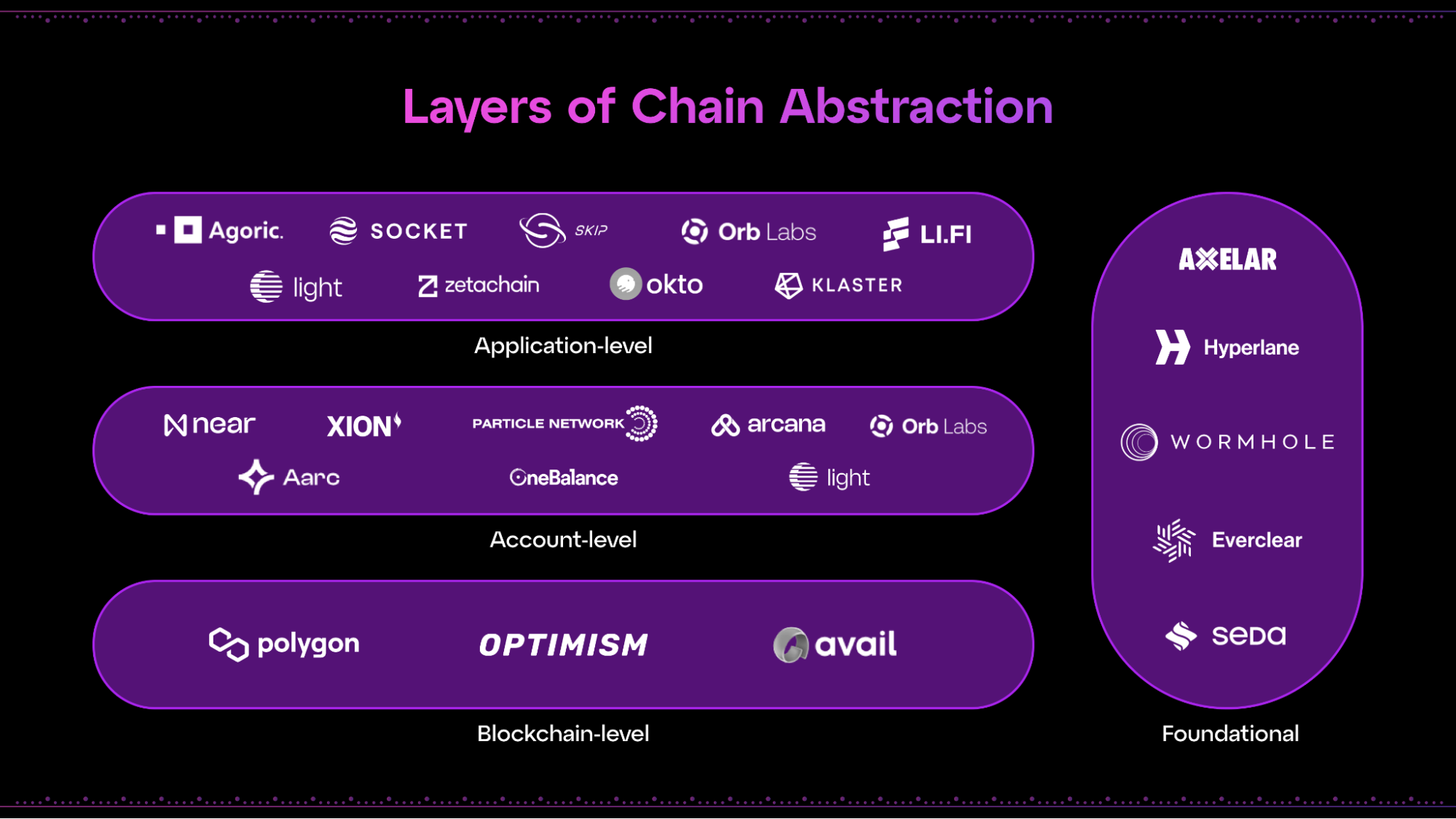
Three protocols illustrate how this abstraction layer functions in practice today.
Leading chain abstraction protocols
-
Particle Network
Particle Network operates the Chain Abstraction Coalition, a unified infrastructure layer that standardizes cross-chain messaging. It allows developers to build applications that interact with multiple chains as if they were a single network, reducing the complexity of multi-chain deployment. -
NEAR Protocol
NEAR addresses the user-facing side of abstraction. Its approach creates a unified interface that hides the underlying blockchain complexity. Users can interact with dApps across different chains without needing to manually switch networks or hold native gas tokens for every chain they touch. -
Eco
Eco focuses on account abstraction and intent-centric design. It enables users to express what they want to achieve (the intent) rather than how to execute it. Solvers then compete to fulfill these intents across various chains, optimizing for cost and speed automatically.
These protocols do not just connect chains; they hide them. For developers, this means writing code once and deploying it everywhere. For users, it means the underlying blockchain becomes irrelevant to the transaction flow.
Common Pitfalls in Cross-Chain Design
Chain abstraction shifts the complexity burden rather than eliminating it. While users experience a seamless interface, developers must manage the hidden machinery of intent routing and solver competition. This trade-off often results in a "modular mess" that remains visible in code audits and debugging logs, even if it is invisible to the end user [[src-serp-2]].
A significant risk lies in the reliance on off-chain solvers to execute these intents. If the solver network becomes dominated by a few large entities, it introduces centralization risks that contradict the decentralized ethos of blockchain. Developers must ensure their abstraction layer includes mechanisms to verify solver integrity and prevent single points of failure.
Finally, the "modular mess" persists under the hood. Integrating multiple liquidity layers and cross-chain bridges requires rigorous testing to prevent fragmentation. Without careful design, the abstraction layer can become a bottleneck, slowing down transaction finality and increasing costs for complex multi-step operations.
Checklist for evaluating chain abstraction tools
Before integrating a chain abstraction layer, verify the solver infrastructure and contract security. These tools shift complexity from the user to the backend, so your due diligence must focus on the operators.
Ensure the intent solver publishes its routing logic and fee structure. You need to know how orders are matched and settled across chains. Rely on official documentation or primary source audits rather than marketing claims.
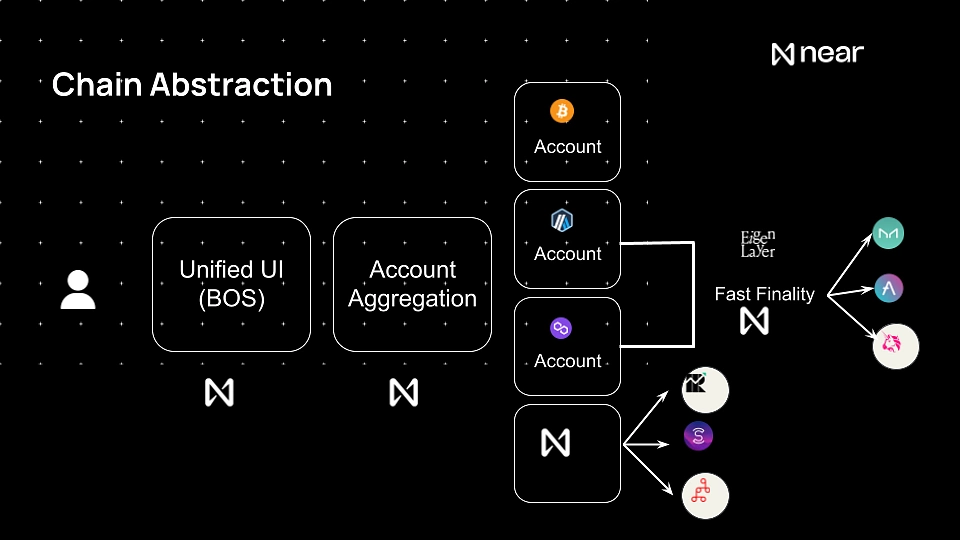
Confirm the protocol handles native gas payments on the destination chain. A robust abstraction layer should allow users to pay fees in any supported asset without requiring them to hold the destination chain’s native token.
Examine the security audits of the intent contracts and bridging modules. Look for recent reports from reputable firms that specifically address cross-chain execution risks and solver collusion.
Simulate transaction failures to see how the system recovers. A reliable abstraction tool must guarantee asset safety or automatic refund if a solver fails to execute the intent within the specified timeframe.
-
Verify solver transparency
-
Check gas abstraction support
-
Review audit history
-
Test failure modes
Frequently asked questions about chain abstraction
Chain abstraction shifts the complexity from the user to the backend. Instead of managing bridges and native tokens, users interact with a single interface while solvers handle the cross-chain execution. This section clarifies how the technology functions in 2026 and addresses common misconceptions about its implementation.
No comments yet. Be the first to share your thoughts!