
For decentralized finance to reach mainstream adoption, the user experience must be as seamless as possible, regardless of how many blockchains are involved under the hood. Top cross-chain protocols have set new standards, demonstrating that intuitive design and robust interoperability can eliminate much of the friction that has historically plagued blockchain UX. In this article, we examine four actionable lessons from these leaders in the space, providing a practical framework for anyone seeking to build or improve cross-chain dApps.

Implement Chain Abstraction to Hide Network Complexity
The first and most fundamental lesson is straightforward: users should never need to wrestle with network selection or chain-specific jargon. Chain abstraction means presenting a unified interface where users interact with applications and assets without worrying about which blockchain is powering their transaction. For example, when sending tokens or interacting with dApps, the underlying routing between Ethereum, Solana, or Layer 2s should be invisible. This approach not only reduces cognitive load but also broadens accessibility for non-technical audiences.
Protocols like Push Protocol have made significant strides here by enabling users to create channels on their preferred chain without navigating complex cross-chain processes (source). The result is greater engagement and fewer abandoned transactions, critical metrics for any growing platform.
Prioritize Unified Wallet Interfaces for Asset Management
Managing digital assets across multiple chains has traditionally meant juggling several wallets and browser extensions, a recipe for confusion and mistakes. The best cross-chain protocols now offer unified wallet interfaces, allowing users to view balances, send tokens, and interact with dApps from a single dashboard. This not only streamlines asset management but also reduces the risk of sending funds to incorrect addresses or using incompatible networks.
Unified wallet solutions are especially valuable in DeFi scenarios where users frequently bridge assets or participate in liquidity pools spanning multiple chains. By consolidating controls into one interface, these protocols reduce friction and foster confidence among both new and experienced users.
Integrate Real-Time Transaction Feedback and Status Updates
A major pain point in blockchain UX is uncertainty, users often don’t know if their transaction is pending, failed, or completed until they refresh manually or check block explorers. Leading cross-chain platforms address this by integrating real-time transaction feedback. Visual cues such as progress bars, status icons, and notifications help keep users informed at every step of the process.
This lesson is especially crucial for multi-step operations like bridging assets between chains or executing intent-based swaps. By surfacing detailed status updates within the app itself (rather than forcing users to consult external tools), protocols can dramatically reduce anxiety and support smoother user journeys.
4 Best Practices for Seamless Cross-Chain UX
- Implement Chain Abstraction to Hide Network ComplexityLeading protocols like Push Protocol demonstrate the power of chain abstraction, allowing users to interact with dApps without needing to understand or select blockchains manually. This reduces friction and makes cross-chain operations as intuitive as single-chain experiences.
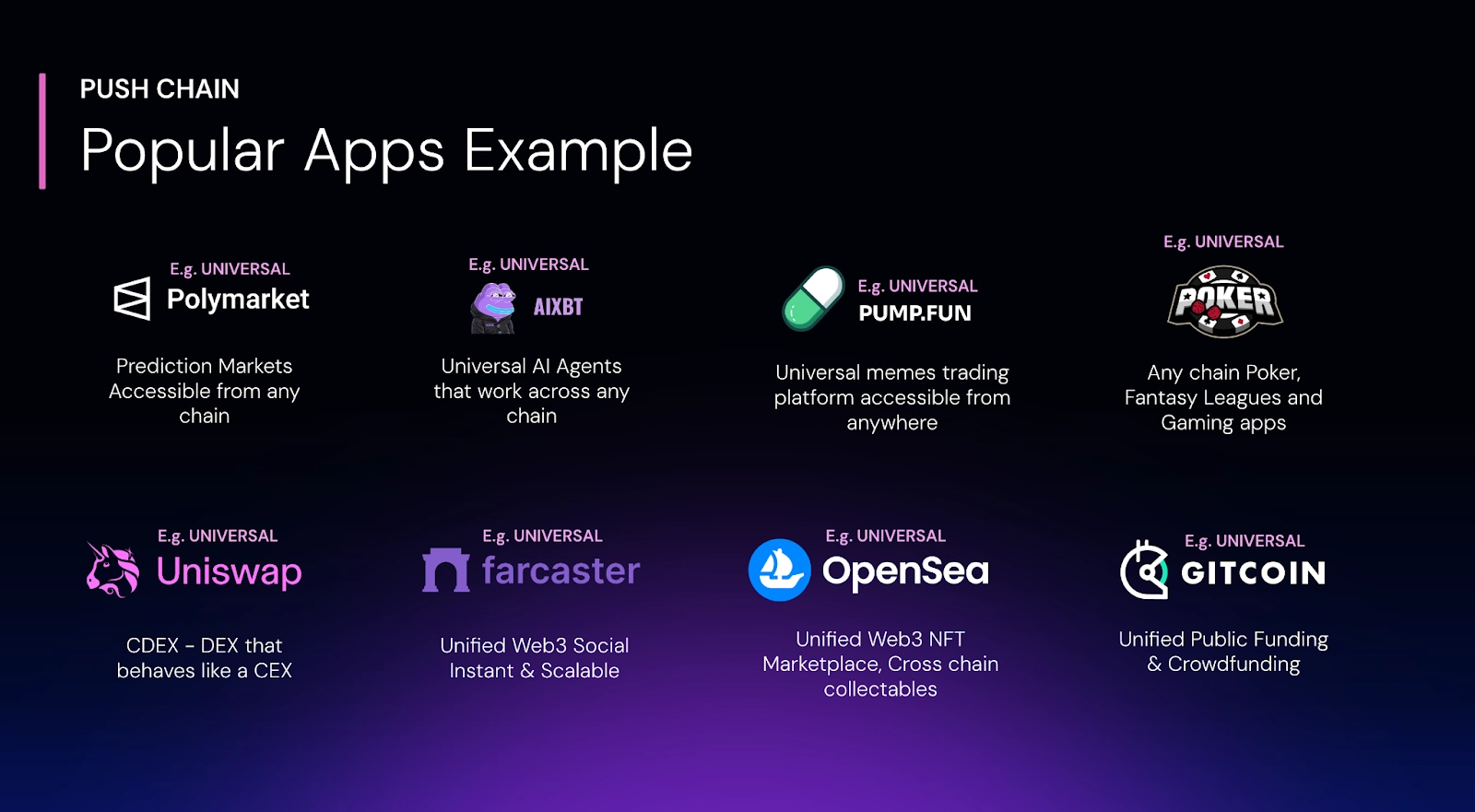
- Prioritize Unified Wallet Interfaces for Asset ManagementSolutions such as Rainbow Wallet and MetaMask are advancing unified interfaces that aggregate assets across multiple chains, enabling users to manage, swap, and bridge tokens seamlessly from a single dashboard.
- Integrate Real-Time Transaction Feedback and Status UpdatesProtocols like Synapse Protocol and Hyperlane provide live transaction status, confirmations, and error handling, ensuring users are always informed about the progress of their cross-chain transfers and reducing uncertainty.
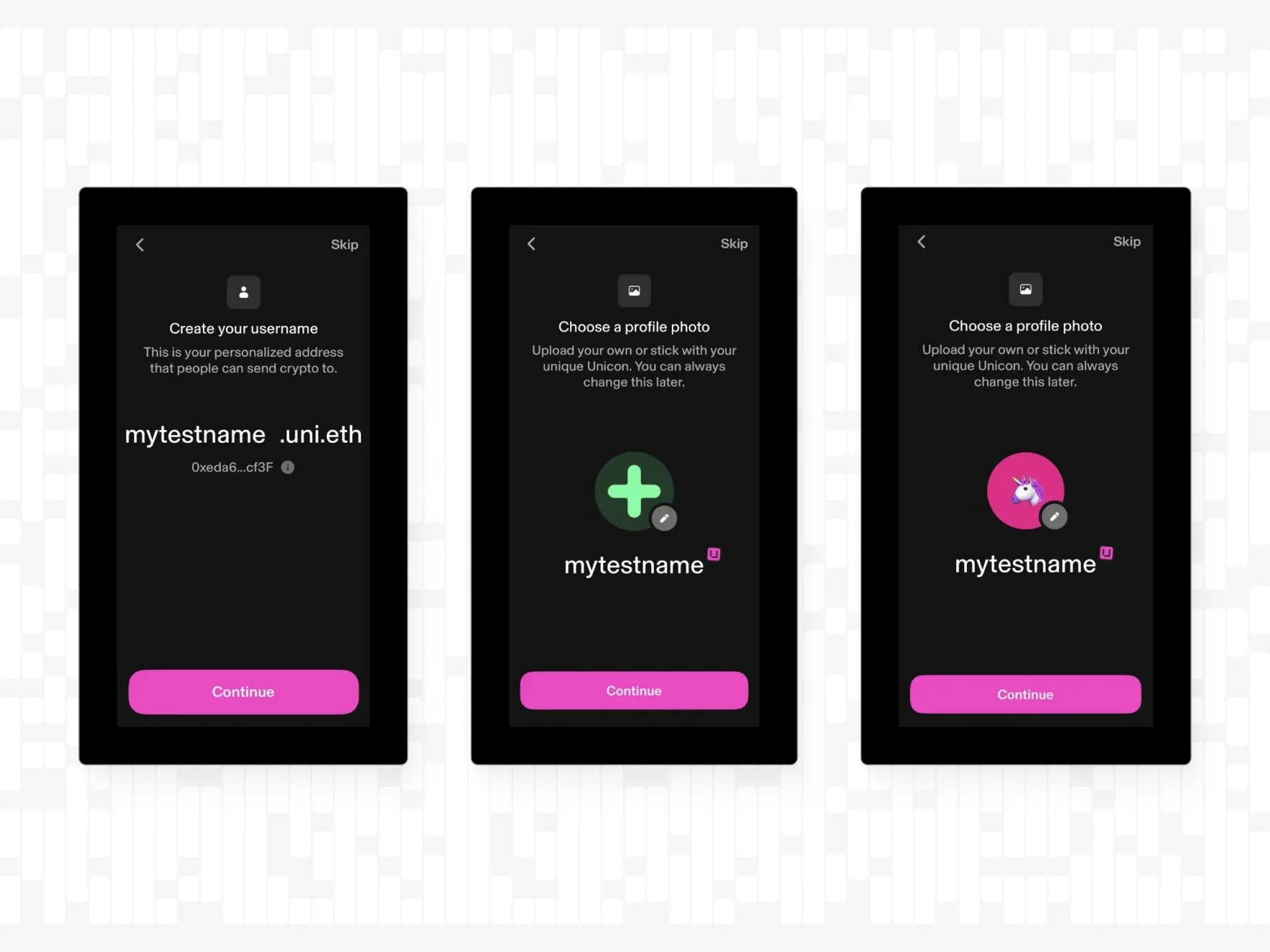
Leverage Contextual Guidance and Onboarding for User Education
No matter how advanced your protocol’s technology stack may be, onboarding remains a critical hurdle, especially for newcomers unfamiliar with blockchain concepts like bridging or gas fees. Top protocols now embed contextual guidance: tooltips explaining key terms, pop-ups walking through first transactions, and brief tutorials tailored to each workflow (source). This commitment to user education accelerates adoption while minimizing costly errors.
The best onboarding flows are adaptive, they recognize when a user is performing an action for the first time versus returning as an expert, and respond accordingly with just-in-time tips rather than overwhelming documentation dumps.
Effective onboarding also means providing actionable, context-aware help at critical moments. For example, when a user initiates their first cross-chain transfer, a quick walkthrough of the process and a glossary for common terms can make the difference between confidence and confusion. This approach not only reduces support requests but also builds trust by demonstrating that the protocol anticipates user needs.
Protocols that excel in this area often use analytics to identify friction points in the user journey, then deploy targeted guidance where it’s needed most. The result is an experience that feels supportive rather than obstructive, empowering users to explore new DeFi opportunities without fear of making irreversible mistakes.
Putting It All Together: Lessons for Developers and Designers
For teams building the next generation of cross-chain dApps, these four lessons are more than theoretical best practices, they’re proven strategies for driving adoption and satisfaction in real-world products. Let’s recap:
4 Actionable Lessons for Seamless Cross-Chain UX
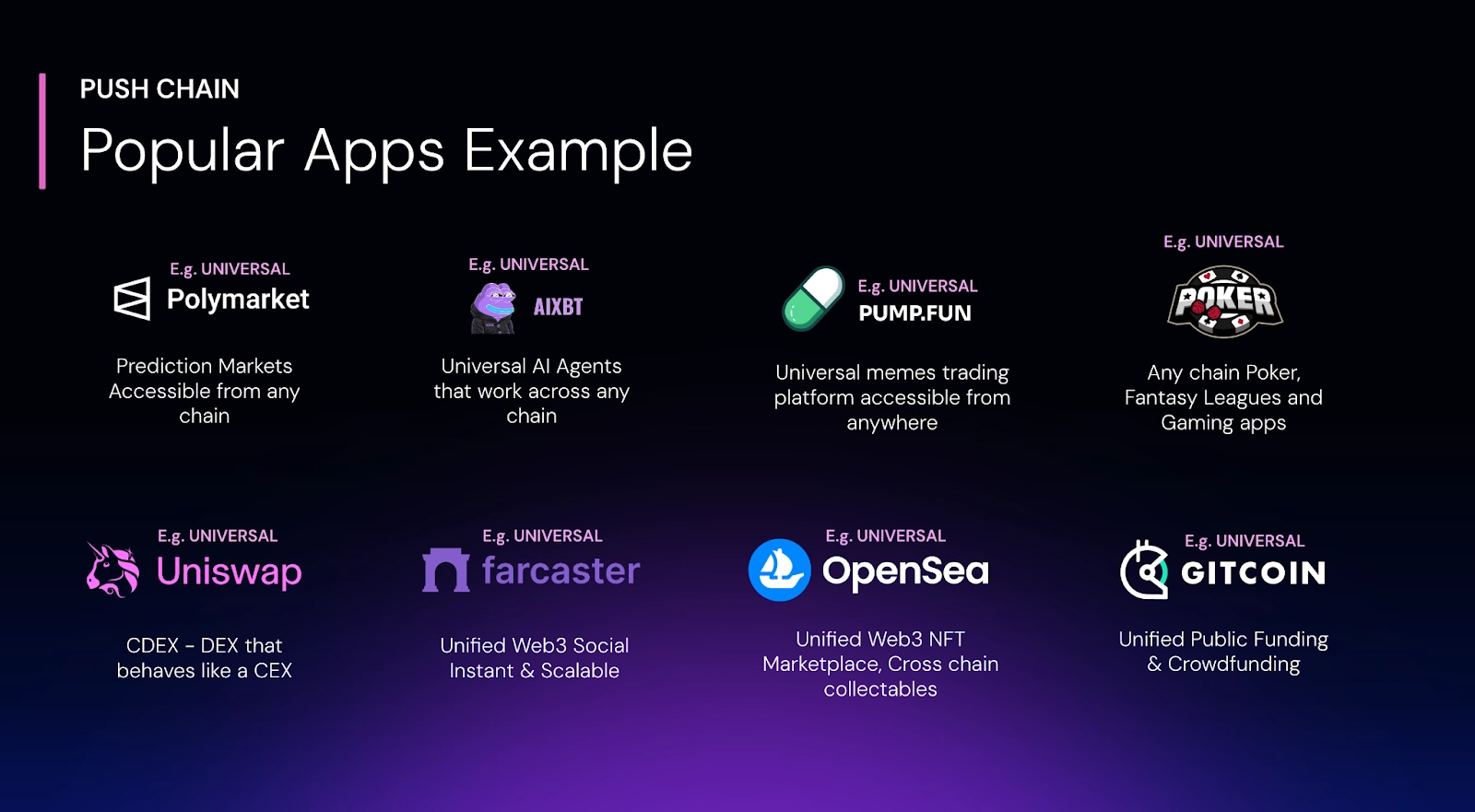
- Implement Chain Abstraction to Hide Network Complexity: Leading protocols like Push Protocol demonstrate the power of chain abstraction, allowing users to interact with dApps without needing to understand or manage underlying blockchain details. This reduces friction and makes cross-chain operations intuitive.
- Prioritize Unified Wallet Interfaces for Asset Management: Solutions such as Rabby Wallet and Rainbow Wallet offer unified interfaces for managing assets across multiple chains, eliminating the need for users to switch wallets or manually bridge assets. This centralization streamlines the user experience and reduces confusion.
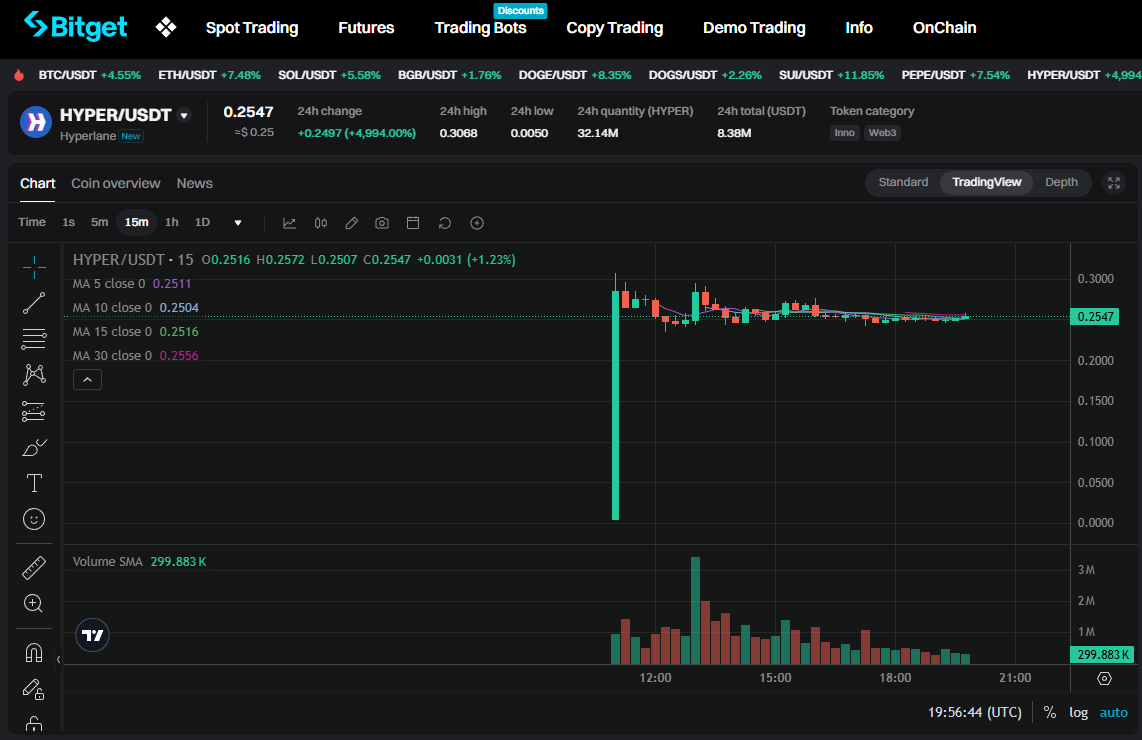
- Integrate Real-Time Transaction Feedback and Status Updates: Protocols like Hyperlane and Hyperbridge provide clear, real-time transaction status updates, including confirmations and progress indicators. This transparency builds user trust and alleviates anxiety during cross-chain transfers.
- Leverage Contextual Guidance and Onboarding for User Education: Platforms such as MetaMask and Coinbase Learn incorporate tooltips, tutorials, and contextual help to guide users through complex cross-chain actions, reducing onboarding friction and empowering users to navigate decentralized finance confidently.
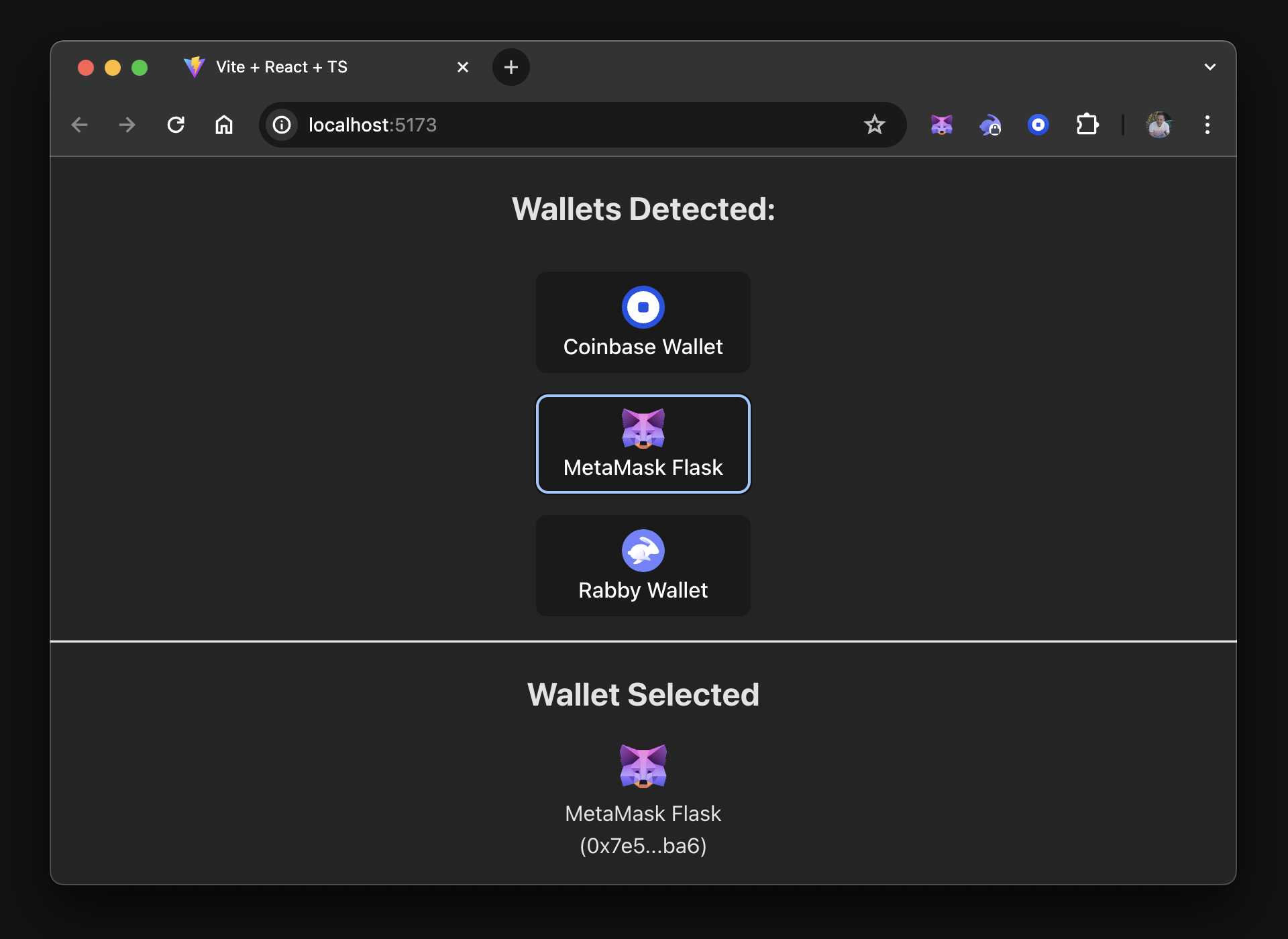
By implementing chain abstraction, you remove unnecessary complexity and lower the barrier to entry for mainstream users. Unified wallet interfaces streamline asset management and reduce costly errors, while real-time transaction feedback keeps users informed and in control throughout every operation. Finally, contextual guidance and onboarding ensure that learning curves are gentle, not steep cliffs.
The protocols leading today’s cross-chain landscape consistently prioritize these features, resulting in higher engagement rates and stronger community loyalty. As blockchain UX design continues to mature, we can expect these patterns to become standard expectations rather than differentiators.
Looking Ahead: The Future of Seamless Cross-Chain UX
The rapid evolution of blockchain interoperability is reshaping how users interact with decentralized finance applications. With new protocols emerging and established players refining their interfaces, the bar for seamless cross-chain experience is rising fast. Developers who invest early in these UX fundamentals will be best positioned to capture market share as DeFi moves toward broader adoption.
Ultimately, successful blockchain UX design isn’t about hiding complexity for its own sake, it’s about empowering users with clarity, confidence, and control over their digital assets. By internalizing these four lessons from top protocols, designers can help unlock a unified crypto ecosystem where innovation is accessible to all.




No comments yet. Be the first to share your thoughts!