

Imagine opening your crypto wallet and seeing all your assets – Ethereum, Solana, USDC, even Bitcoin Layer 2 tokens – in a single, unified dashboard. No more hopping between apps or puzzling over which network you’re on. This isn’t a futuristic dream: it’s the new reality of cross-chain UX, and it’s transforming decentralized finance (DeFi) from a fragmented maze into a seamless flow.
The Old World: Bridges, Friction, and Fragmentation
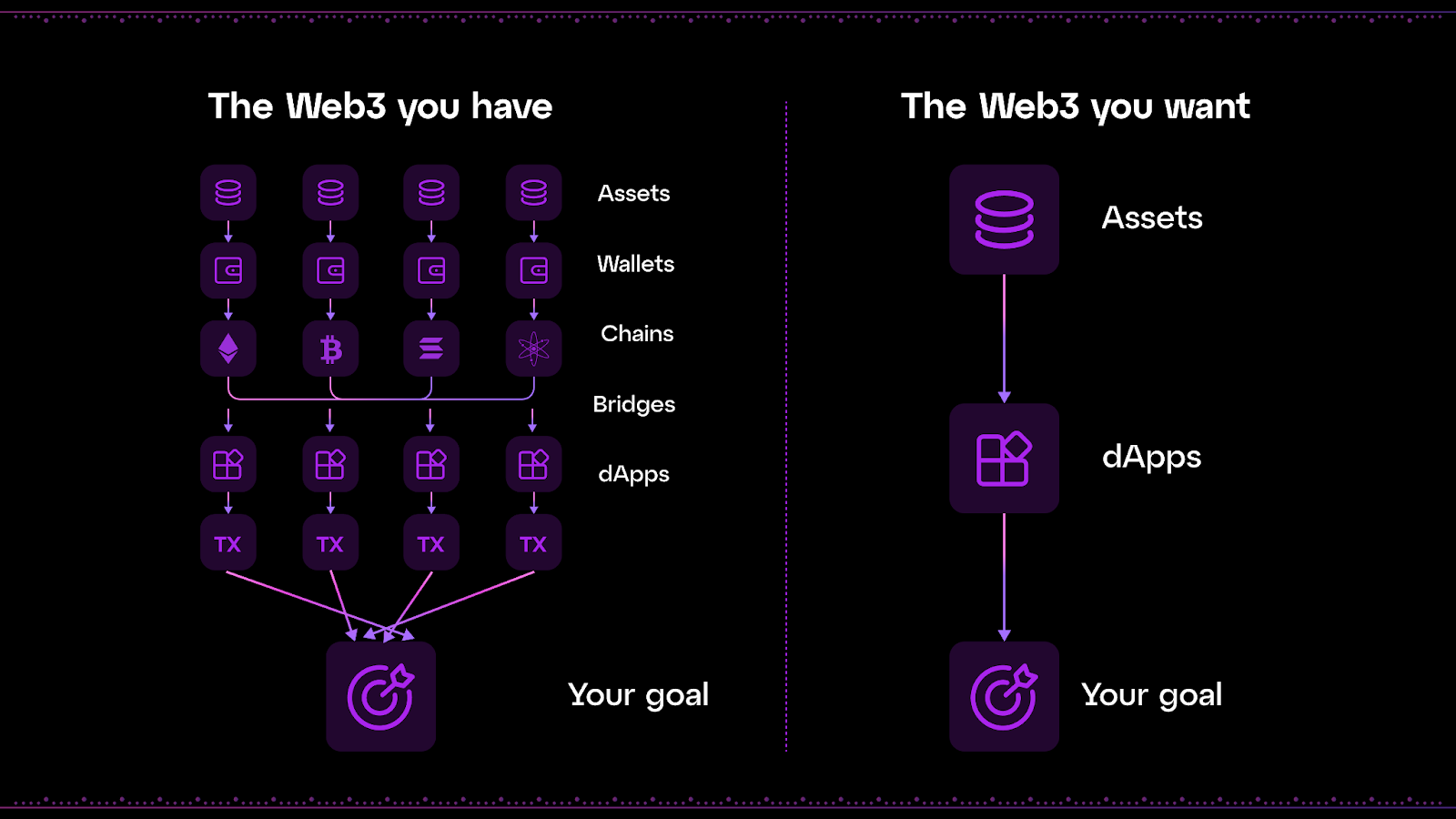
Just a year ago, DeFi users were digital nomads. Every cross-chain swap meant juggling several wallets, navigating confusing bridges, and waiting nervously for confirmations. Each blockchain had its own rules and user interfaces; moving USDC from Ethereum to Polygon was an exercise in patience and technical know-how. Liquidity was stranded on islands – isolated pools on different chains – making capital inefficient and user experience daunting.
This complexity stifled adoption. Newcomers struggled with onboarding while even seasoned crypto enthusiasts found themselves frustrated by the constant need for manual intervention. The vision of an open financial system felt out of reach when basic operations required so much friction.
New Era: Unified Crypto Wallets and Invisible Bridging
The latest wave of cross-chain user experience solutions is rewriting the rules. Unified wallets are at the center of this movement, allowing users to manage assets across blockchains without ever switching networks or interfaces. With smart design and sophisticated backend protocols like zkCross Network’s chain abstraction layer or Across Protocol’s invisible bridging, the technical wizardry happens behind the scenes.
Picture this: You want to stake USDC that’s currently on Arbitrum into an opportunity on Solana. Instead of multi-step bridging processes, you simply click “stake” in your wallet app. The protocol handles everything else – finding routes, converting tokens if needed, and executing transactions across chains with minimal delay.
ZK-Powered Bridges and Seamless Interoperability
The backbone of this revolution is advanced cryptography and interoperability protocols:
- Zero-Knowledge (ZK) Powered Bridges: These bridges use zero-knowledge proofs to securely transfer assets between blockchains like Ethereum, Cosmos, Solana, and Bitcoin L2s. ZK tech reduces trust assumptions while boosting privacy, a game-changer for institutional users eyeing DeFi liquidity.
- Chain Abstraction Protocols: Platforms such as zkCross Network abstract away the messiness of cross-chain logic. Users interact with one interface; under the hood, assets are routed efficiently across compatible ecosystems.
- Invisible Bridging: Solutions like Across Protocol let users tap liquidity pools across chains without ever realizing they’re crossing boundaries, bridging becomes as intuitive as a single-chain swap.
The Impact: Liquidity Unleashed and User Onboarding Simplified
This new paradigm doesn’t just make life easier for power users; it fundamentally changes what’s possible in DeFi:
- Enhanced Liquidity: Assets move freely between networks so capital isn’t siloed, yield opportunities expand and markets become more efficient.
- Simplified Onboarding: Fewer steps mean newcomers can participate confidently without deep technical knowledge or fear of loss due to mistakes.
- Tighter Security: Advanced cryptography (like ZK proofs) minimizes risks that plagued early bridges, users gain peace of mind as well as convenience.
If you want to dig deeper into how these innovations eliminate clunky network switching once and for all, check out our guide on cross-chain wallet UX innovations.
But the real magic is in how these advances are being woven into everyday crypto tools. Unified crypto wallets are now offering a single balance view for assets like USDC, regardless of which chain they’re on. For example, Circle’s unified USDC model lets custodians and users see and use their USDC across Ethereum, Solana, and more, without manual bridging or inventory headaches. This isn’t just a UX win; it unlocks new institutional DeFi strategies and makes asset management dramatically more efficient.
Developers are also embracing intent-based UX flows, where users simply express what they want to do, like swap tokens or stake, while protocols like LayerZero or Axelar handle the complex routing in the background. The result? Cross-chain swaps, staking, and liquidity provision feel as easy as clicking a button on a traditional fintech app.
Why Seamless Cross-Chain UX Matters Now
The stakes couldn’t be higher as DeFi matures. With multi-chain DeFi exploding in popularity, spanning Ethereum, Binance Smart Chain, Polygon, Solana and beyond, the ability to access assets and opportunities across networks is no longer just nice-to-have. It’s essential for both casual users and institutions seeking yield or efficiency.
- Unified Wallet Infrastructure: Developers can now integrate embedded wallets with secure authentication that work across chains out-of-the-box.
- Reduced Fragmentation: Multi-chain support means users aren’t forced to pick winners, they can chase opportunity wherever it lives.
- Future-Proofing: As new blockchains emerge, chain abstraction protocols can quickly add support without redesigning the user journey from scratch.
The innovation isn’t just technical, it’s psychological. Removing friction transforms user trust and confidence. When onboarding feels familiar (and safe), more people are willing to experiment with decentralized apps and financial products. That’s how we move from niche adoption to mainstream impact.
What’s Next: AI Agents and Predictive Flows
The next frontier is already taking shape: AI-powered agents that anticipate user needs across chains. Imagine your wallet suggesting optimal routes for swaps based on current gas fees or even pre-authorizing transactions based on your historical behavior, all while keeping you in control of your keys.
This convergence of AI with cross-chain UX will make advanced strategies accessible to everyone, not just power users or developers. Soon, managing liquidity pools across five chains could be as simple as setting an intention: “maximize my yield. ” The backend does the rest.
The future of DeFi UX is about making complexity invisible, and giving every user superpowers over their digital assets.
If you’re ready to experience this seamless flow yourself, or want to build apps that tap into this new paradigm, don’t miss our deep dive on how unified wallets simplify cross-chain transactions for DeFi users.
About the Author