
Until recently, cross-chain swaps were synonymous with friction: switching wallets, hunting for liquidity, and navigating opaque bridges just to move assets between blockchains. In 2025, chain abstraction has changed the game. Instead of manual bridging and fragmented user experiences, you can now execute seamless swaps across any supported chain, often with a single click. The complexity is hidden, but the empowerment is real.
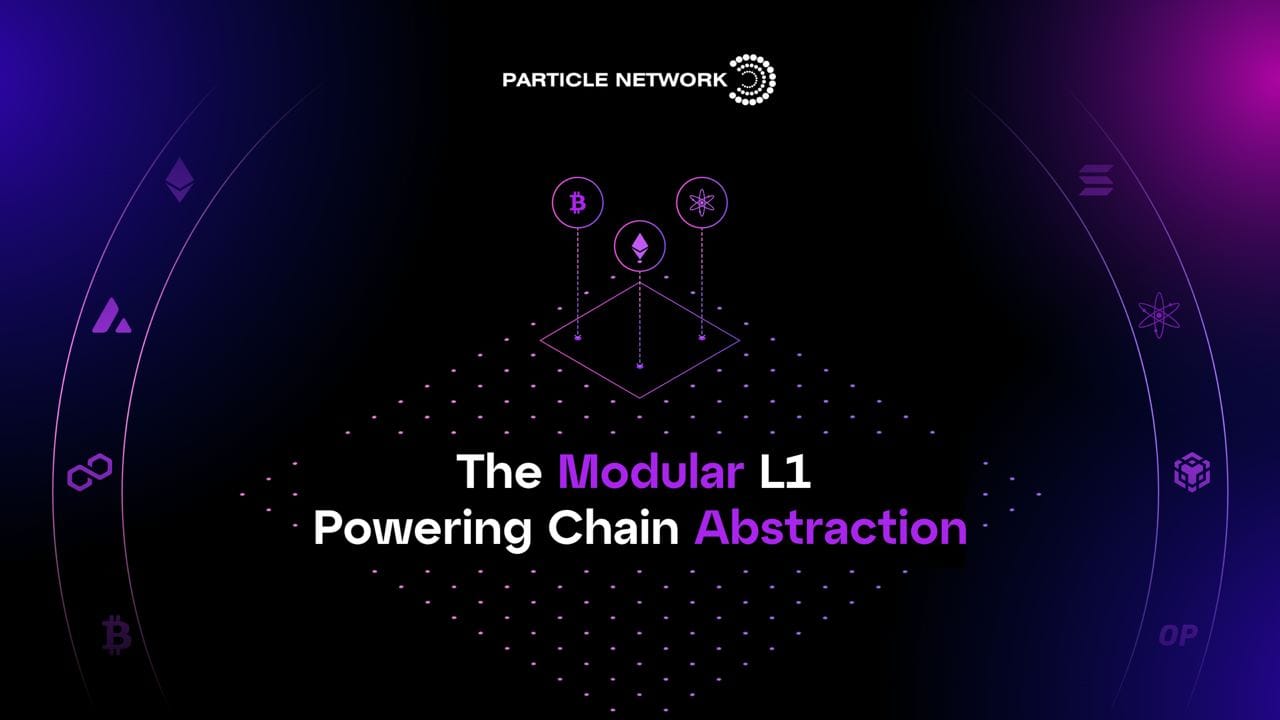
The Chain Abstraction Revolution: Unifying DeFi UX
Chain abstraction isn’t just another buzzword. It’s a foundational shift that unifies blockchain interactions by integrating wallet management, gas fees, liquidity access, and cross-chain transactions into one streamlined interface. Instead of juggling multiple wallets or worrying about which network your assets are on, you interact with decentralized applications (dApps) as if all chains were one.
Here’s what makes this possible:
- Wallet Abstraction: A single private key manages accounts across all chains, aggregating balances and handling signatures via standardized APIs.
- Gas Abstraction: Meta-transaction layers let users pay gas fees in any token, or none at all, using relayers and automated swaps behind the scenes.
- Liquidity Aggregation: Sophisticated routing engines find optimal swap paths across DEXs and chains for minimal slippage and maximum efficiency.
The result? You get unified balances, true one-click transactions, and access to any dApp or asset without ever thinking about bridges or gas tokens.
No More Manual Bridging: How One-Click Cross-Chain Swaps Work
The core promise of chain abstraction is simple: make bridging invisible. Instead of manually moving assets from Chain A to Chain B through a slow bridge UI (and hoping nothing goes wrong), your intent, say, swapping ETH on Ethereum for SOL on Solana, is executed atomically by the protocol. Liquidity is sourced across networks; orders are split if needed; relayers handle fees; the transaction settles in one click.
This isn’t hypothetical. Platforms like zkCross Network have implemented native chain abstraction frameworks that orchestrate these swaps under the hood. When you initiate a swap:
- Your wallet signs a single transaction expressing your intent (e. g. , "swap 1 ETH for SOL").
- The protocol aggregates liquidity from integrated DEXes on both sides.
- A cross-chain messaging system coordinates settlement so you only need to interact with your source chain.
- If required, internal AMMs provide liquidity for newer or less liquid chains.
This architecture eliminates manual steps, and risk, for users while empowering developers to build truly multichain dApps without reinventing the wheel every time they add a new network. For more on how this works in practice, see our deep dive into effortless cross-chain swaps.
The Benefits: Unified Liquidity and Seamless Crypto User Experience
This new paradigm brings tangible benefits for both end-users and builders:
- No More Fragmentation: Manage all assets from one wallet interface, no more switching tabs or copying addresses between chains.
- No Native Gas Tokens Needed: Pay fees in your preferred token or let relayers handle it entirely in the background.
- Simplified dApp Access: Use any decentralized application regardless of its underlying chain, abstraction makes every dApp feel natively multichain.
- Reduced Risk Surface: By eliminating manual bridging steps and consolidating security practices at the abstraction layer, user funds are less exposed to common pitfalls like phishing links or misconfigured bridges.
This level of usability is what finally unlocks mainstream DeFi adoption, and it’s already here for those leveraging modern chain abstraction frameworks. To explore additional use cases enabled by these advances, check out our guide on unified wallet UX with chain abstraction.
But the story doesn’t end with user convenience. Chain abstraction is quietly transforming the very fabric of DeFi infrastructure, with broad implications for liquidity, security, and developer agility. By aggregating liquidity across disparate networks, users gain access to deeper markets and better pricing. Protocols can tap into unified pools, ensuring that swaps are executed efficiently even for less liquid tokens or emerging chains.
For developers, the abstraction layer acts as a universal adapter. Instead of building bespoke integrations for every blockchain or bridge protocol, dApp teams can focus on core functionality while the abstraction framework handles cross-chain messaging, asset routing, and fee management. This modular approach accelerates innovation and dramatically reduces maintenance overhead.
Security and Risk: Minimizing Vulnerabilities in a Multichain World
Security is paramount in a world where assets traverse multiple networks at once. Chain abstraction frameworks are designed to consolidate security logic at the protocol level, reducing exposure to phishing attempts, bridge exploits, and human error. Atomic swaps ensure that either the entire transaction succeeds or nothing happens at all; no more waiting with assets stuck mid-transfer if a bridge fails.
Additionally, by abstracting away direct interaction with bridges and consolidating transaction signing under one secure wallet interface, users benefit from improved key management practices and reduced risk surfaces. The result is an ecosystem where cross-chain activity is not only easier but fundamentally safer.
Enterprise and Ecosystem Impact: Unlocking New Possibilities
The enterprise sector is already taking note. Unified liquidity and compliance-aware abstraction layers are paving the way for institutional DeFi participation at scale. Enterprises can now access yield opportunities or settle payments across multiple blockchains without managing dozens of wallets or worrying about protocol-specific quirks. This seamless crypto user experience is driving adoption beyond retail traders into payments, supply chain finance, and beyond.
For everyday users, this means that onboarding into DeFi no longer requires technical expertise or constant vigilance over gas costs and network congestion. The invisible bridge model lets anyone participate in multichain finance with confidence, whether you’re swapping stablecoins across chains or experimenting with new DeFi primitives on emerging networks.
What’s Next? The Road Ahead for Chain Abstraction
The pace of progress in 2025 suggests we’re just scratching the surface of what chain abstraction can deliver. As intent-centric architectures mature, where protocols interpret high-level user goals rather than low-level transactions, the line between single-chain and cross-chain operations will blur even further. Expect richer dApp composability, more robust risk controls, and new forms of programmable liquidity to emerge as standards solidify.
If you’re ready to experience this new paradigm firsthand, or want to build on top of it, explore our resources on seamless cross-chain DeFi without bridges. The future of frictionless crypto isn’t just possible; it’s rapidly becoming reality for everyone willing to embrace chain abstraction today.



No comments yet. Be the first to share your thoughts!