

In the sprawling ecosystem of blockchains, where Ethereum's robustness meets Solana's speed and Bitcoin's security stands apart, users have long navigated a fractured landscape. By 2026, bridge abstraction emerges as the pivotal force reshaping this reality, embedding seamless cross-chain UX directly into unified wallet DeFi experiences. No longer do we tolerate the drag of manual bridging, gas token chaos, or network-switching rituals; instead, intelligent protocols anticipate needs, routing assets and intents across chains with surgical precision.
This shift transcends mere technical tweaks. It represents a macro realignment in decentralized finance, where liquidity pools unify, compliance layers harmonize, and user friction evaporates. Drawing from global economic cycles, we've seen commodities and currencies consolidate under efficient infrastructures; blockchains now follow suit, propelled by projects like zkCross Network and Hyperbridge. These innovations don't just connect chains, they abstract the bridges away, fostering a singular interface that scales with adoption.
From Fragile Bridges to Resilient Abstraction Layers
Traditional crypto bridges, while revolutionary in their time, exposed systemic vulnerabilities: exploits drained billions, latency spiked during volatility, and centralization risks lingered in validator sets. Fast-forward to 2026, and bridge abstraction flips the script. Protocols like zkBridge and Relay Protocol leverage zero-knowledge proofs and decentralized verification to guarantee security without trust assumptions, slashing verification costs while ensuring atomicity.
Consider the broader implications. In a world where enterprise adoption hinges on reliability, cross-chain abstraction bridges the gap to institutional liquidity. Quicknode's insights underscore how this unification tackles web3 complexities, paving pathways for compliant, scalable DeFi. Developers, armed with SDKs from SODAX or Dynamic, declare outcomes rather than micromanage routes, echoing the efficiency of modern financial pipelines.



Pioneering Projects Redefining Cross-Chain Interoperability
2026's landscape brims with trailblazers. zkCross Network's AI-driven routing optimizes for speed and cost across a single wallet pane, while Hyperbridge on Polkadot deploys cryptographic primitives for trust-minimized transfers. Reown's phased rollout tackles asset fragmentation head-on, evolving toward gasless, intent-based interactions.
Top 2026 Bridge Abstraction Innovations
- zkCross: AI-powered routing automates optimal transaction paths across chains for unified wallet access. Learn more
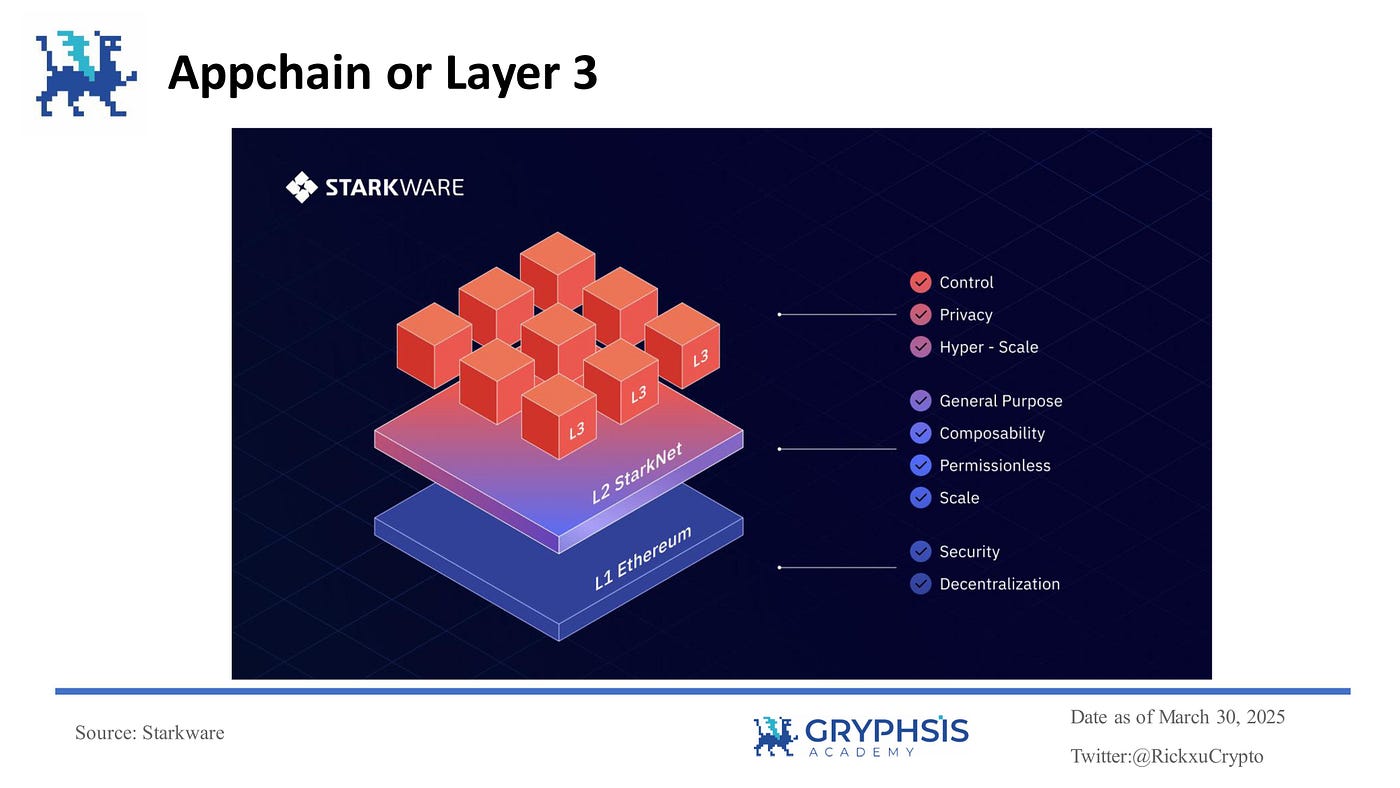
- Hyperbridge: Decentralized verification enhances security for asset transfers without traditional validators. Learn more
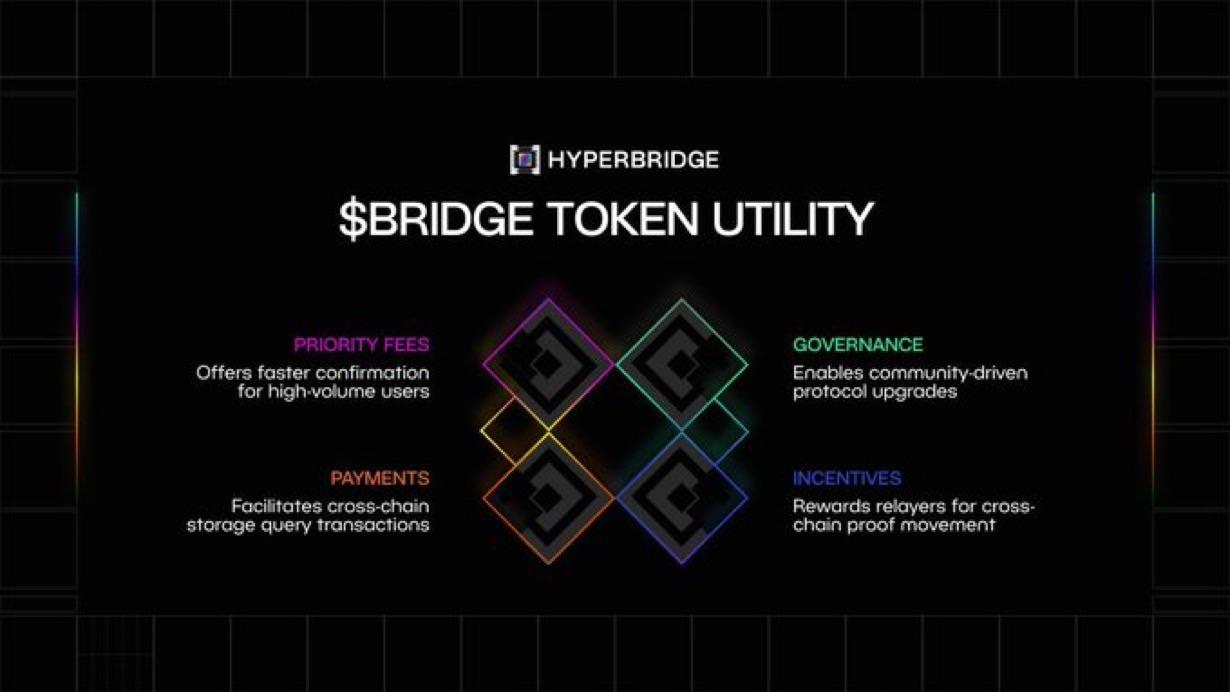
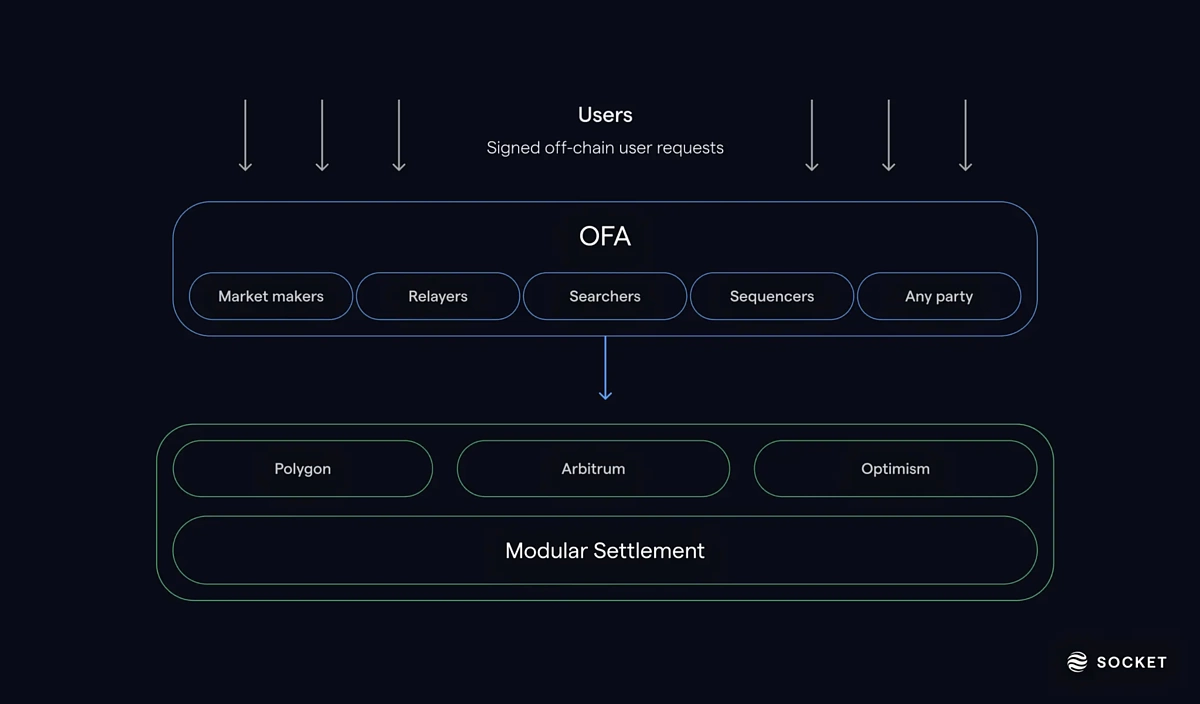
- Socket: Unified balances enable seamless transactions across networks without manual bridging. Learn more
- Dynamic: Abstracts wallet complexity, unifying sessions and supporting secure bridging infrastructure. Learn more
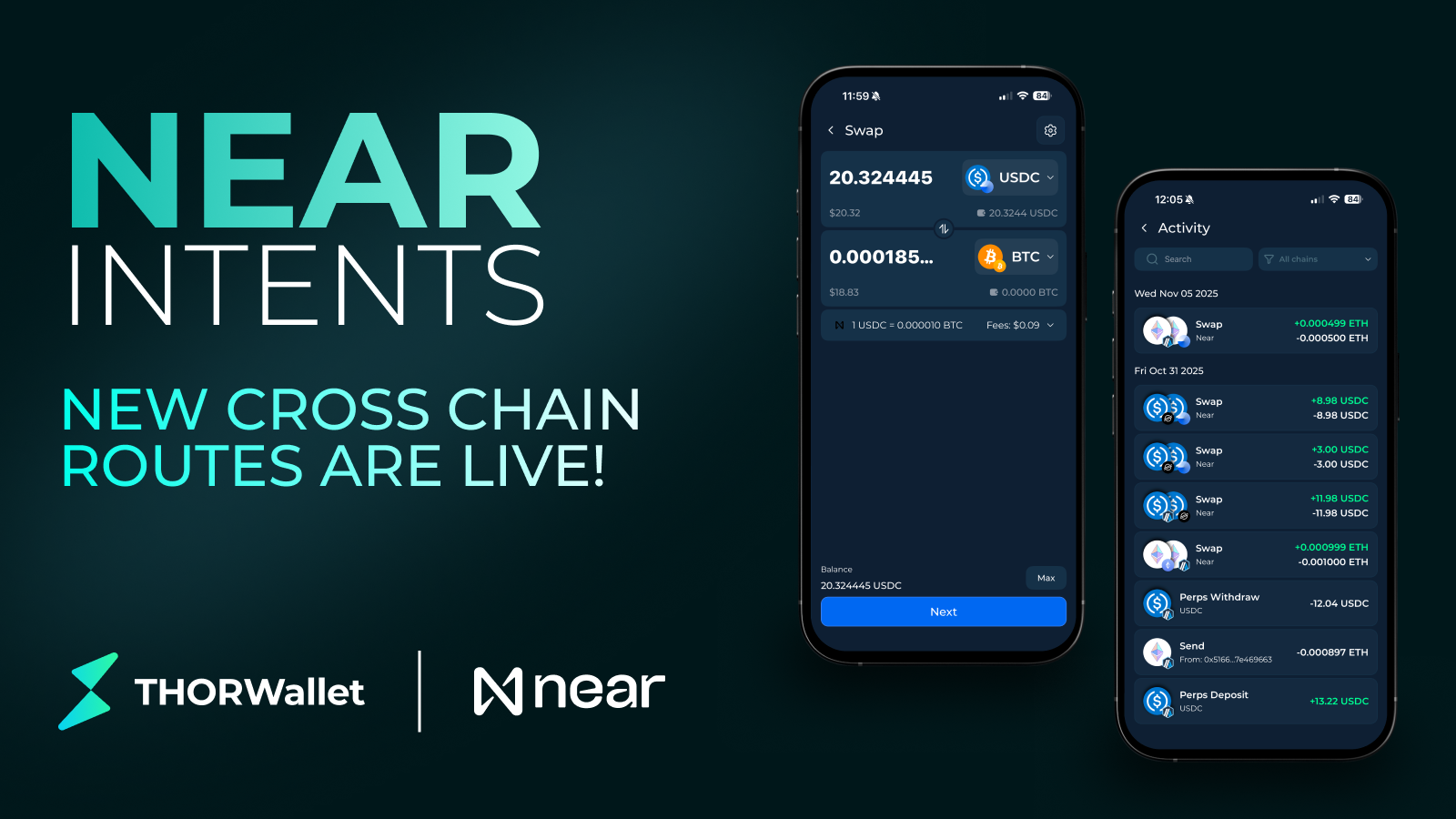
- NEAR Intents: Seamless DeFi actions via cross-chain intents, simplifying user-declared bridging. Learn more
UniversalX, powered by Particle Network, exemplifies unified accounts spanning EVM and Solana, with expansions on the horizon. BridgeShield's graph-based attack detection fortifies these systems, and RIVER's omni-CDP stablecoin aggregates yield across chains. Each layer stacks toward chain abstraction wallets that feel native, not networked.
Unified Wallets: The Nexus of Seamless Transfers
At the heart lies the unified wallet, no longer a patchwork of apps but a strategic command center. Socket's chain-abstracted accounts deliver balances indifferent to network boundaries, enabling seamless cross-chain transfers sans bridging prompts. Rhinestone's one-click signatures and obfuscated gas further streamline, while Tria's SDKs empower developers to embed these capabilities natively.
This convergence amplifies cross-chain interoperability UX, mirroring the seamlessness of Web2 banking yet decentralized. Users declare intents, as with NEAR's cross-chain framework, and protocols execute, abstracting away the plumbing. For DeFi enthusiasts and builders alike, it's a liberation: manage portfolios holistically, capture yields opportunistically, all within one interface. As blockchain upgrades roll out, from Ethereum's scaling to Sui's parallelism, these wallets position users at the forefront of liquidity flows.
Zooming out, bridge abstraction isn't incremental; it's the structural pivot unlocking crypto's trillion-dollar potential, aligning fragmented chains into a cohesive economic engine.
Yet this pivot demands more than innovation; it requires dissecting the persistent hurdles that abstraction must conquer. Security remains paramount, with historical bridge hacks underscoring the need for provable finality. BridgeShield's heterogeneous graph mining and ConneX's opacity resolution tools mark a defensive evolution, preempting threats through predictive analytics rather than reactive patches. Meanwhile, zkBridge's succinct proofs deliver efficiency without compromises, reducing costs by orders of magnitude while upholding atomic cross-chain swaps.
Metrics That Matter: Evaluating Abstraction's Edge
Strategic adoption favors protocols that deliver on quantifiable fronts. Speed, cost, and chain coverage define winners in this arena. Traditional bridges often falter under peak loads, but abstraction layers like Dynamic unify sessions across deep chain support, abstracting wallet sprawl into singular flows. Tria's routing tools and Rhinestone's obfuscated gas exemplify how developers now prioritize user retention through frictionless embeds.
Comparison of 2026 Bridge Abstraction Leaders
| Project | Key Features | Supported Chains | Transaction Speed/Cost | Security Model |
|---|---|---|---|---|
| zkCross | AI-powered routing, single wallet interface, automates optimal efficiency | 50+ chains | <1 min transactions, cost-effective | AI-optimized efficiency |
| Hyperbridge | ZK cryptographic protocols, decentralized verification | Polkadot focus, cross-chain | Efficient asset/data transfers | Trustless, no validator reliance |
| Socket | Unified balances across networks, chain-abstracted accounts | EVM, Solana, all networks | Faster transactions | Gasless, no bridging needed |
| Relay | Low-cost DEX, multi-asset swaps | Multiple blockchain networks | Fast settlement | Secure interoperability |
These metrics reveal a maturing paradigm. Where bridges once charged premiums for interoperability, abstraction normalizes seamless cross-chain transfers, often under a cent per action. For unified wallets, this translates to holistic portfolio views, where satUSD from RIVER auto-aggregates yields irrespective of collateral chains. Unify's cross-chain AA further unifies smart accounts, letting intents propagate seamlessly.
Evolution Tracked: Milestones in Bridge Abstraction
Tracing the arc from nascent bridges to abstracted futures clarifies the momentum. Polytope Labs' Hyperbridge ignited trust-minimized transfers in 2024, setting cryptographic benchmarks. zkCross layered AI atop this in 2025, automating routes for universal access. By early 2026, Socket and Reown rolled out balance unification, eroding fragmentation at scale.
Such progression aligns with blockchain upgrades, Tatum's roadmap highlights Ethereum's Dencun efficiencies and Solana's Firedancer boosting throughput. Polkadot and Sui upgrades amplify this, feeding abstraction with parallel execution and shared state.
Opinionated take: Amid global cycles favoring liquidity concentration, chain abstraction wallets position as the DeFi backbone, outpacing superchains like AggLayer by embracing universality over silos. Enterprises, wary of siloed risks, gravitate here; Quicknode's analysis nails it, unified UX unlocks compliance-grade liquidity.
Developers thrive too. SODAX SDKs let builders specify outcomes provides "swap ETH for SOL yield": while protocols orchestrate. Web3Auth's bridge primers evolve into full abstraction stacks, with Mokshya Protocol detailing the gasless utopia. No more juggling dozens of accounts; one interface commands all.
Challenges linger, sure, latency in non-EVM chains, regulatory scrutiny on intents, but 2026's toolkit addresses them head-on. BridgeShield fortifies, ConneX illuminates, and UniversalX expands footprints. The result? Cross-chain interoperability UX that rivals centralized exchanges, yet empowers sovereignty.
Envision portfolios auto-optimizing across Ethereum, Solana, BNB: yields captured, risks hedged, all abstracted. This isn't hype; it's the macro convergence of blockchain with efficient markets, where unified wallet DeFi funnels retail and institutional flows into exponential growth. As cycles turn bullish, those wielding bridge abstraction command the high ground, turning cross-chain chaos into compounded advantage.




No comments yet. Be the first to share your thoughts!