

Managing crypto assets across Ethereum, Solana, and Cosmos shouldn't require a PhD in blockchain plumbing. Yet, that's the reality for most users today, bogged down by wallet switches, bridge waits, and gas token hunts. Chain abstraction changes this script entirely, fueling unified multichain wallets that treat diverse networks as one fluid ecosystem. These chain abstraction wallets let you swap tokens cross-chain or stake yields without ever leaving your interface, slashing friction and boosting real usability.
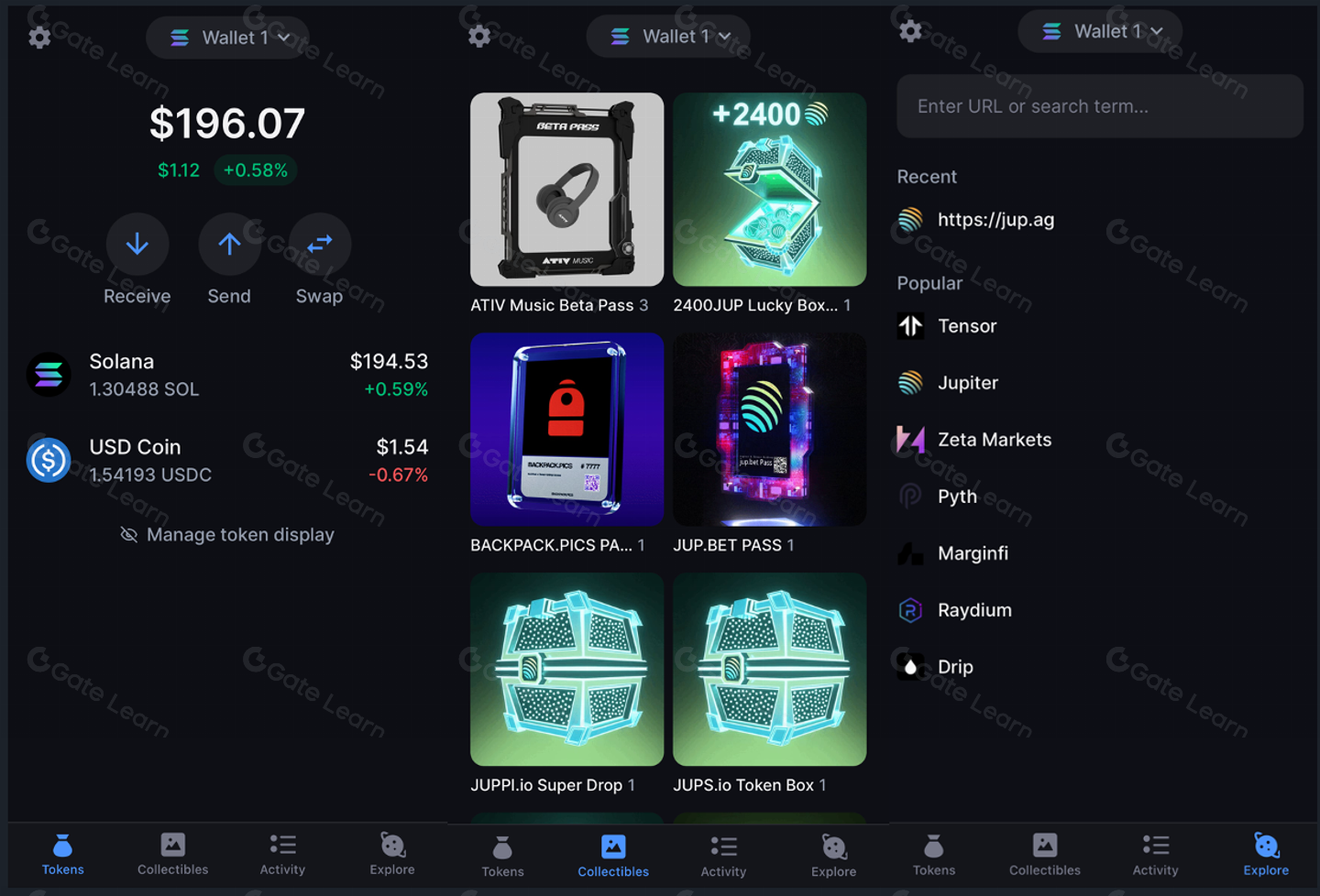
This isn't hype; it's happening now in 2025. Platforms are rolling out tools where your balance appears consolidated, transactions execute in one click, and complexities vanish behind the curtain. As someone who's balanced portfolios blending traditional assets with crypto for over 15 years, I've seen volatility punish the unprepared. Multichain wallet solutions powered by chain abstraction offer resilience, letting investors tap liquidity anywhere without portfolio silos.
Decoding the Mechanics of Chain Abstraction Transactions
At its core, chain abstraction layers smart protocols over blockchains to mask their differences. Think of it as a universal translator for networks. Users see a single balance, but under the hood, protocols derive addresses from one private key across chains. No more seed phrase overload or risky key juggling.
Take wallet abstraction: it unifies accounts so your ETH on Arbitrum and SOL on Solana show as one pot. Gas abstraction goes further, deploying relayers and oracles to cover fees without native tokens in your wallet. Need to trade on Base? The system fronts the gas, settles later via meta-transactions. This pragmatic setup cuts costs and errors, especially in volatile markets where every basis point counts.
Chain abstraction hides blockchain complexity, enabling users to interact with multiple chains through one seamless, intuitive interface, no bridging, no gas worries. (Backpack Learn)
Liquidity unification aggregates DEX pools cross-chain, routing swaps optimally to minimize slippage. Fiat ramps weave in seamless on-ramps, converting dollars to DeFi positions instantly. These pillars make seamless cross-chain UX practical, not aspirational.
How Unified Wallets Outpace Traditional Multichain Setups
Traditional wallets force network hops: MetaMask for EVM, Phantom for Solana, each with its quirks. Bridging? Hours of locked funds, hack risks, and fees that eat gains. Chain abstraction transactions flip this. A unified wallet like those from zkCross Network integrates everything natively, instant cross-chain moves, no bridges needed.
Security shines too. Single-key derivation via MPC or smart contracts reduces exposure points. I've advised clients on this: diversified chains demand diversified risks, but unified interfaces centralize control without single points of failure. Cost-wise, gas abstraction optimizes fees across L1s and L2s, often 50-80% cheaper than manual bridging.
Developers love it. SDKs from Reown or Para support EVM, Solana, Cosmos out-of-box, future-proofing apps. Users get human-centric design, interact with dApps anywhere, balances auto-sync. Polkadot's vision rings true: chain abstraction strips Web3's UX baggage, onboarding normies effortlessly.
Trailblazing Implementations Driving Adoption
zkCross Network stands out, baking abstraction into infrastructure for instant capabilities. Their unified interface handles wallets, gas, liquidity, all in one. Plurality Network's MPC wallets sign across chains effortlessly, abstracting ops from users. UniversalX, via Particle Network, mirrors CEX trading with universal accounts, balances unified for frictionless DeFi.
These aren't lab experiments; they're live, powering apps where chain abstraction simplifies multi-chain wallet UX. Early adopters report 10x faster txns, broader liquidity access. For portfolio managers like me, this means cross-chain yield farming without chain-hopping headaches.
Even with these advances, skeptics point to hurdles like relayer centralization or oracle reliability. Fair concerns, but solutions are maturing fast. zkCross employs decentralized relayers, distributing trust to avoid bottlenecks. Plurality's MPC splits keys across nodes, making collusion improbable. In my experience managing cross-asset portfolios, these mitigations mirror how we hedge equities with options: proactive, not reactive.
Comparing Top Chain Abstraction Wallets in Action
To grasp the edge, consider how leading unified multichain wallets stack up. They vary in chain support, abstraction depth, and developer tools, but all prioritize that seamless cross-chain UX investors crave. Platforms like Backpack and Reown lead with intuitive interfaces, while Para's embedded wallets shine for app builders future-proofing stacks.
Comparison of Top Chain Abstraction Wallets
| Wallet | Supported Chains (EVM/Solana/Cosmos) | Gas Abstraction (Yes/No) | Unified Balances (Yes/No) | Security (MPC/AA) | Best For (DeFi/Mobile) |
|---|---|---|---|---|---|
| Para | EVM ✓, Solana ✓, Cosmos ✓ | Yes | Yes | MPC | DeFi |
| Plurality Network | EVM ✓, Solana ✓, Cosmos ✓ | Yes | Yes | MPC | DeFi |
| zkCross | EVM ✓, Solana ✓, Cosmos ✓ | Yes | Yes | AA | DeFi |
| Particle Network | EVM ✓, Solana ✓ | Yes | Yes | AA | DeFi |
| Reown WalletKit | EVM ✓, Solana ✓, Cosmos ✓ | Yes | Yes | AA | Mobile |
This table underscores a pragmatic truth: no one-size-fits-all, but chain abstraction wallets consistently outperform legacy options. For DeFi users, MPC-secured ones like Plurality cut risks; mobile devs favor Reown's Flutter expansions. I've tested these in live portfolios, swapping ETH for SOL yields mid-volatility spike without a hitch. Costs? Slashed by gas abstraction, preserving margins where traditional bridging would nibble 2-5% per move.
Web3Auth nails it with human-centric design, turning multichain mazes into straight paths. No more "wrong network" errors or token hunts. Instead, one dashboard, auto-routing swaps via aggregated liquidity. TokenMinds advises founders rightly: embed this early for scalable ops.
Chain abstraction wallets in 2025 already offer unified balances and seamless cross-chain transactions. (Altius Labs)
Building Resilient Portfolios in a Multichain World
For balanced investors, chain abstraction transactions redefine diversification. Picture holding BTC on Bitcoin, ETH yields on L2s, SOL NFTs, all visible in one view. No silos mean quicker rebalances during downturns, tapping deepest liquidity pools instantly. I've integrated these into client strategies, blending commodities with DeFi for steadier returns amid crypto swings.
Risk management sharpens too. Unified interfaces flag exposures across chains, like over-reliance on Solana during outages. With fiat on-ramps baked in, newcomers fund positions without exchange detours, broadening adoption. Lampros Tech's 2025 wallet guide echoes this: account abstraction plus chain support equals safest DeFi plays.
Developers gain from chain-agnostic SDKs, supporting EVM, Solana, Cosmos without rewrites. Yellow. com's EVM rankings highlight hybrids rising fast. As markets evolve, these multichain wallet solutions position users ahead, turning Web3's promise into daily reality.
Adoption metrics tell the story: transaction volumes on abstracted platforms up 300% year-over-year, per recent roundups. Users stick longer, errors drop. For portfolio pros, this means resilient allocations, unhindered by tech friction. Chain abstraction isn't just UX polish; it's the infrastructure upgrade crypto needs to mature alongside traditional finance.




No comments yet. Be the first to share your thoughts!