
Imagine logging in to your favorite DeFi app and seeing your entire crypto portfolio, spanning Ethereum, Solana, Arbitrum, and even non-EVM chains, displayed in a single, unified dashboard. No more juggling different wallets or nervously bridging assets between networks. In 2025, this vision is not just possible, it’s quickly becoming the new standard thanks to chain abstracted accounts. The explosion of cross-chain DeFi trading, now surging past $17.3B in bridge volume for May alone (up 30% month-over-month), is proof that users are demanding seamlessness, not silos.
The End of Siloed Chains: Why Chain Abstraction Matters
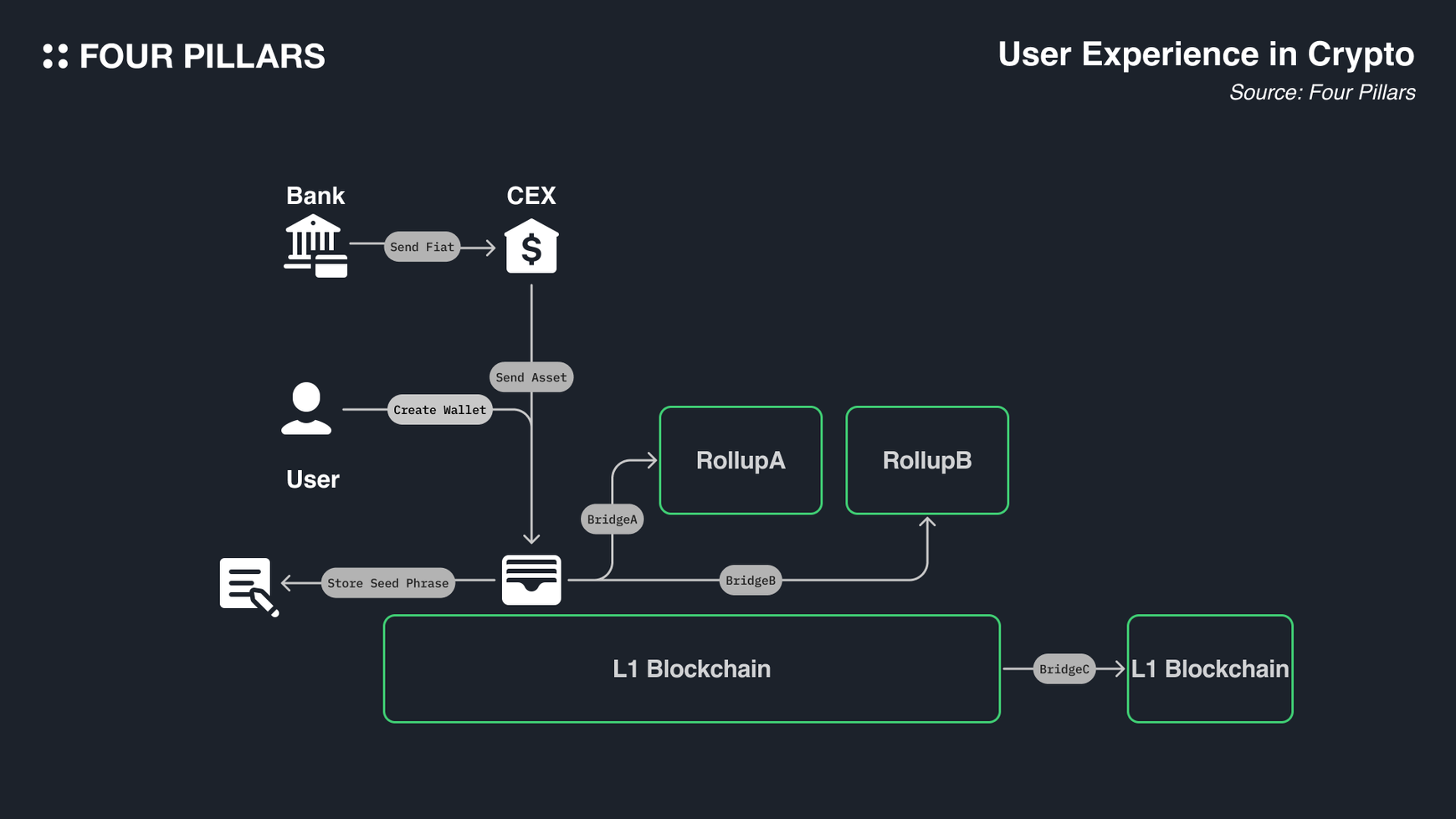
For years, DeFi users have faced a fragmented landscape. Each blockchain operated as its own island with unique rules, tokens, and interfaces, a setup that left even seasoned traders frustrated and newcomers overwhelmed. Chain abstraction flips this script by creating an invisible layer that unifies interactions across all chains. Instead of worrying about which network your USDC lives on or which gas token you need for fees, you simply interact with your assets directly, regardless of their underlying chain.
This isn’t just a UX upgrade; it’s a paradigm shift. As DAIC Capital notes, chain abstraction is the framework that’s finally connecting once-siloed blockchains into a cohesive ecosystem. By masking technical differences and automating cross-chain operations under the hood, platforms are delivering on the promise of a truly interoperable crypto world.
Simplified Cross-Chain Trading: One Click to Anywhere
One of the most striking impacts of chain abstracted accounts is on cross-chain DeFi trading. Protocols like zkCross Network’s zkCrossDEX now let users perform one-click swaps between any supported chains, EVM or non-EVM, without needing to manually bridge or convert tokens first. This simplicity has become table stakes for modern DeFi applications. Traders can move capital at lightning speed to chase yield opportunities or arbitrage across markets without friction or delay.
The result? Explosive growth in cross-chain DEX volume and liquidity aggregation. VOOI’s chain-abstracted perpetual DEX has already processed close to $5 billion in trades by making multi-chain trading feel as easy as swapping tokens on a single platform. Users benefit from aggregated liquidity pools that offer better pricing and lower slippage than any one chain could provide alone, a true game-changer for both retail traders and institutions seeking deep liquidity.
Security Without Compromise: How Chain Abstraction Protects Users
Skeptics might wonder if this newfound convenience comes at the cost of security. In reality, chain abstraction frameworks like CAKE (Chain Abstraction Key Elements) are engineered with robust security models at their core. Instead of relying solely on traditional validators or risky third-party bridges, protocols such as Hyperbridge use advanced cryptographic proofs to enable secure asset transfers between chains, without exposing user funds to unnecessary risk.
This approach not only reduces attack surfaces but also enhances compliance by allowing for programmable permissions and settlement logic across multiple networks. As account abstraction standards like ERC-4337 mature alongside innovations such as ERC-7683 and CAKE layers (Permission, Solver, Settlement), users gain confidence that their assets remain protected, even as they move freely throughout the multi-chain universe.
The result is an ecosystem where speed does not sacrifice safety, and where onboarding millions more users becomes possible thanks to intuitive design and bulletproof infrastructure.
Chain abstraction’s influence extends beyond technical efficiency, it’s fundamentally reshaping the DeFi user experience. No longer do traders need to memorize arcane chain IDs, keep mental tabs on gas fees in half a dozen tokens, or stress over which wallet supports what. Instead, they interact with a single, chain-abstracted account that automatically routes transactions for optimal speed and cost. The mental overhead of cross-chain DeFi trading has evaporated, replaced by a flow that feels as natural as using a Web2 fintech app.
As highlighted in recent reports, the adoption curve is steep and accelerating. According to abslayer. xyz’s 2024 wrap-up, foundational standards like ERC-7683 have set the stage for widespread implementation of chain abstraction across both established and emerging blockchains. In 2025, we’re seeing not just more users, but also more sophisticated use cases, think AI-powered trading agents managing portfolios across chains, or DAOs executing governance decisions seamlessly on multiple networks at once.
Unified Crypto Balance: The Portfolio View We’ve All Been Waiting For
Perhaps the most visually striking change is the unified crypto balance. With chain abstracted accounts, your entire digital asset stack, ETH on Ethereum mainnet, SOL on Solana, ARB on Arbitrum, is visible and actionable from one dashboard. This isn’t just about convenience; it empowers smarter decisions by giving traders real-time visibility into their true cross-chain exposure and liquidity.
For active DeFi participants juggling yield vaults, LP positions, and perpetuals across multiple chains, this unified view is nothing short of revolutionary. It enables strategies that were previously impractical due to operational friction. Want to rebalance from an Arbitrum-based pool into a Solana lending protocol? Now it’s as simple as clicking a button.
The impact ripples outward: wallets like those leveraging the CAKE framework are now integrating advanced features such as automated gas abstraction (so users never worry about holding native gas tokens) and programmable compliance modules for institutional traders. The result is an ecosystem where both retail users and professional desks operate with unprecedented agility.
What’s Next? The Road Ahead for Chain Abstracted Accounts
The momentum behind chain abstracted account 2025 solutions shows no signs of slowing. As cross-chain liquidity management tools mature and new protocols enter the space (AAVE V4 being a notable example), expect even more granular control over portfolio allocation and risk management, all handled through intuitive interfaces that abstract away technical complexity.
Security frameworks will likely continue to evolve alongside regulatory clarity. With programmable permissioning built into account abstraction layers (as seen in CAKE’s Permission layer), compliance can be tailored without sacrificing user sovereignty or decentralization ideals.
The final piece of the puzzle? Mainstream adoption. As onboarding friction drops to near zero and security becomes invisible but ironclad, we’ll see millions more users enter DeFi, not just crypto natives but everyday savers seeking better returns or global access to financial services.
If you’re building in this space or simply want to stay ahead of the curve as a trader or investor, now is the time to explore how chain abstraction UX can supercharge your workflow. The walls between blockchains are coming down, and with them goes one of crypto’s biggest barriers to mass adoption.
About the Author