

In the rapidly evolving landscape of decentralized applications, the user experience across multiple blockchains has long been a stumbling block. Traditional networks often operate as isolated silos, forcing users and developers to grapple with complex bridging processes, fragmented wallets, and inconsistent transaction flows. The rise of modular EVM chain factories like Units Network signals a fundamental shift in how the industry approaches cross-chain UX, chain abstraction solutions, and blockchain composability.
Why Modular Chain Factories Are Game-Changers
Historically, launching a new blockchain required deep technical expertise and significant resources. Each network came with its own consensus mechanisms, smart contract languages, and ecosystem quirks. This fragmentation stifled innovation and limited liquidity to isolated pools.
Units Network’s Chain Factory disrupts this paradigm by enabling rapid deployment of customizable, interoperable blockchains. With support for both EVM-compatible and Waves-based chains, it empowers teams to launch their own networks without extensive coding or protocol engineering knowledge. The result is an explosion in developer creativity and a more accessible web3 landscape for end-users.
Key Benefits of Modular EVM Chain Factories
-
Rapid Deployment of Custom Blockchains: Modular chain factories like Units Network enable developers to launch EVM-compatible or Waves-based blockchains quickly, without requiring deep technical expertise. This dramatically reduces time-to-market for new projects.
-
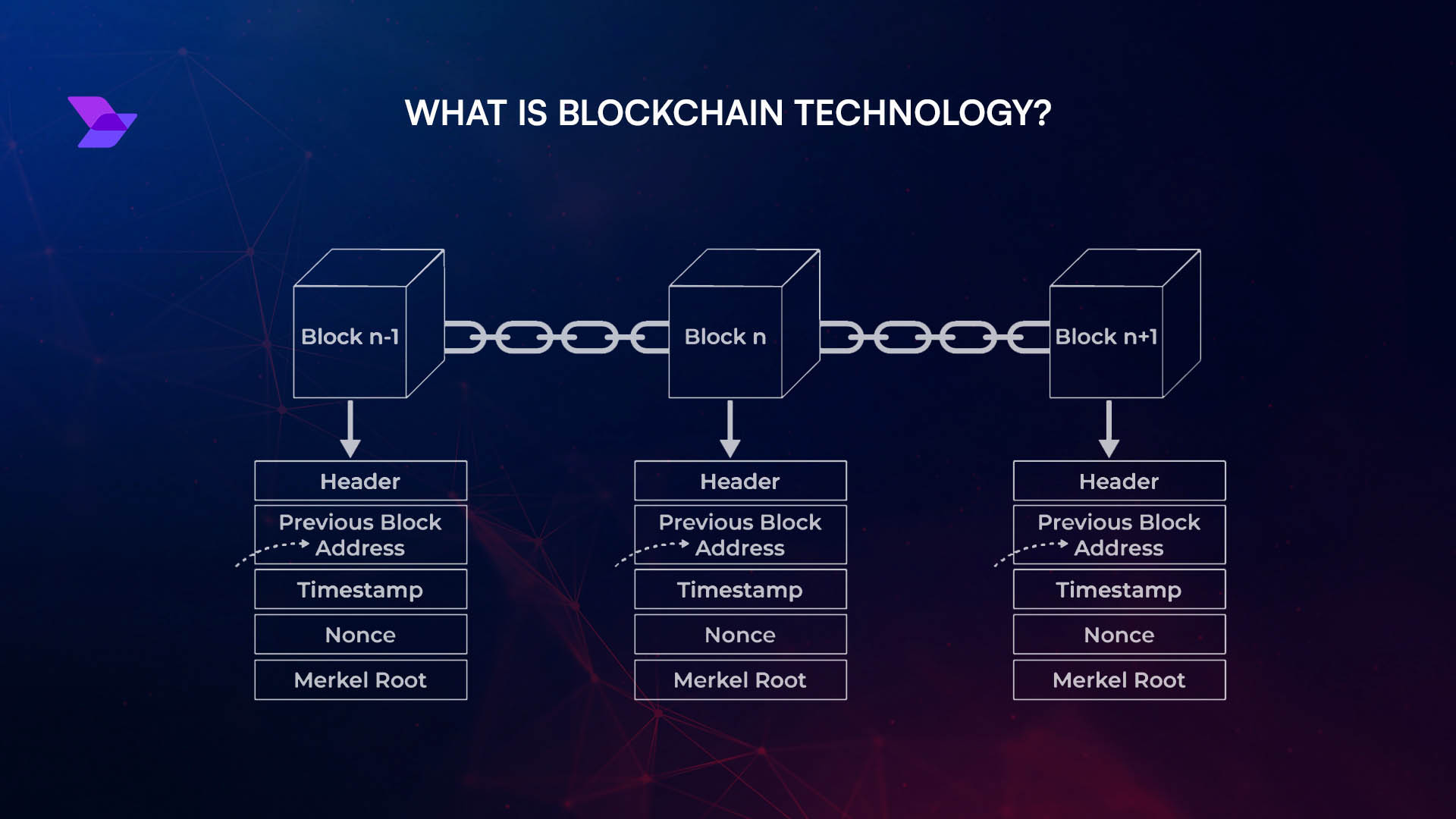
Seamless Cross-Chain Interoperability: These platforms are designed for interoperability, allowing assets and data to move smoothly across connected chains. This bridges the gap between previously siloed networks and enhances user experience.
-
Scalability and Security via Layer-0 Architecture: Solutions like Unit Zero provide a high-performance Layer-0 chain with EVM compatibility and LPoS consensus, ensuring that new chains are both scalable and secure from the outset.
-
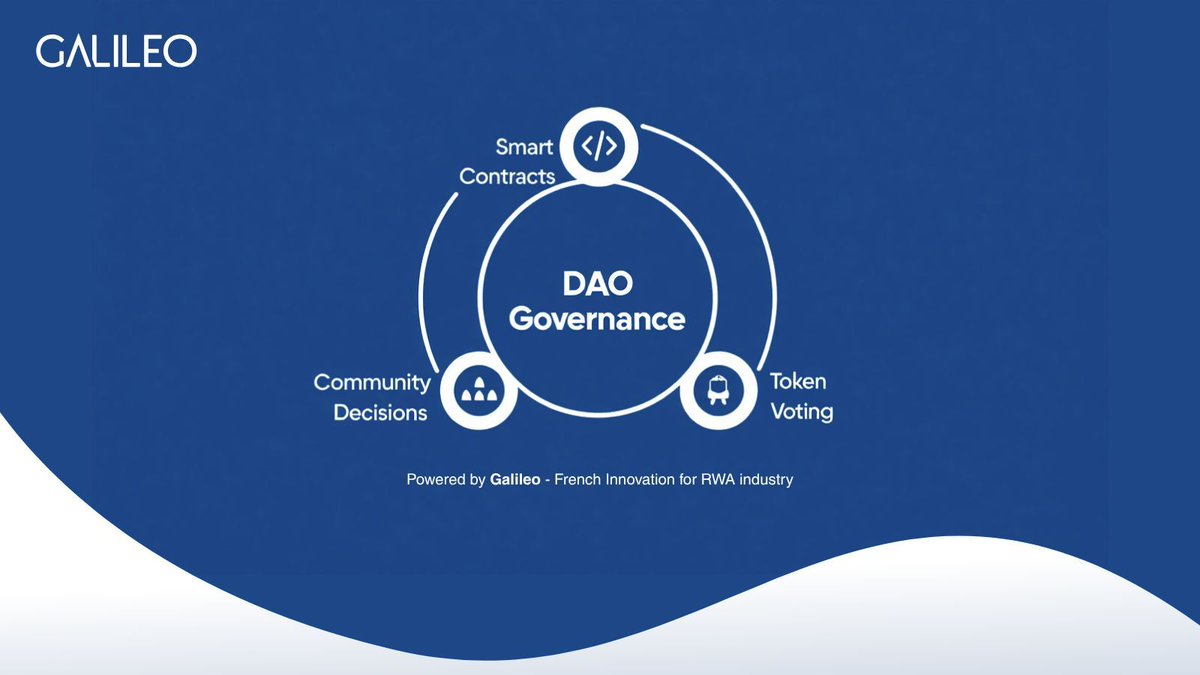
Decentralized Governance and Community Participation: Through DAO models and tokens like $UNIT0, these ecosystems empower community members to participate in governance, treasury management, and project funding, fostering transparency and collective decision-making.
-

AI-Enhanced Development Tools: Integrated AI-powered features such as the AI Launchpad and AI Liquidity Manager streamline the creation of AI-enabled dApps and simplify liquidity management across ecosystems, reducing friction for developers.
-
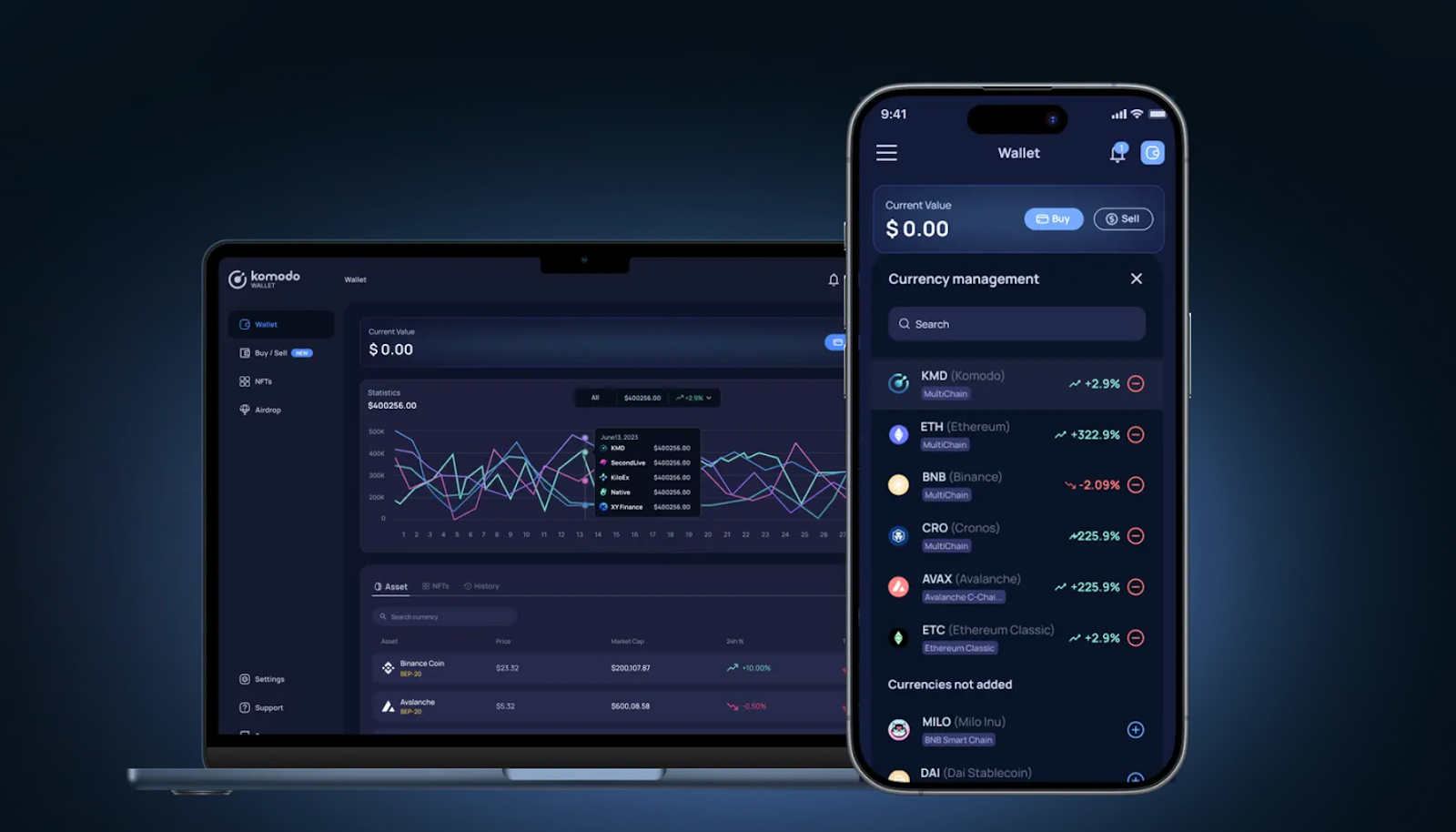
Chain Abstraction for User-Friendly Experiences: By abstracting away the complexities of individual blockchains, modular chain factories enable the development of chainless apps and multi-chain wallets, making it easier for end users to interact with decentralized applications across multiple networks.
The core innovation lies in Unit Zero (Unit0), a robust Layer-0 chain leveraging EVM compatibility alongside LPoS (Leased Proof-of-Stake) consensus. This architecture ensures that every new chain spun up via the factory is inherently interoperable with its peers – eliminating many frictions of cross-chain transactions and asset management.
The New Era of Cross-Chain UX
Seamless interoperability is no longer just a buzzword; it’s becoming reality through modular design. Instead of navigating disparate wallets or manually bridging assets between chains, users benefit from unified crypto wallets that work across all networks connected to Unit0.
This approach addresses several pain points:
- Unified Wallet Experience: One wallet interface manages assets on any connected chain.
- Simplified Transactions: Users can send tokens or interact with dApps without worrying about which network they’re on.
- Enhanced Security: Interoperability reduces the attack surface created by third-party bridges.
The impact is particularly profound for DeFi protocols seeking deeper multi-chain liquidity and for NFT projects aiming to reach audiences across diverse ecosystems. By abstracting away underlying network differences, modular factories set a new bar for what’s possible in cross-chain composability.
Ecosystem Governance: Decentralized by Design
A critical component underpinning this evolution is decentralized governance. Within Units Network, $UNIT0 token holders participate directly in decisions around treasury allocations and project grants through a DAO model. This not only democratizes ecosystem development but also ensures transparency as new chains are launched and maintained.
This participatory framework encourages community-driven growth while aligning incentives between developers, users, and token holders, a crucial foundation as the ecosystem scales outwards.
Pushing the Boundaries with AI-Powered Tooling
The integration of AI-driven modules like an AI Launchpad and AI Liquidity Manager further distinguishes Units Network from traditional platforms. These tools streamline the process of building AI-enabled dApps while optimizing liquidity management across chains, reducing friction at every stage of development (read more here). As competition heats up among modular EVM chain factory projects, these innovations could prove decisive in attracting top-tier builders to new ecosystems.
What truly sets modular chain factories apart is their ability to foster cross-chain composability. Developers can now deploy smart contracts, dApps, and even entire protocols that natively interact with multiple blockchains, without the need for custom bridges or middleware. This composability unlocks new liquidity flows and use cases, from multi-chain DeFi primitives to NFT marketplaces that span several ecosystems.
For users, the result is a frictionless interface: asset transfers, swaps, staking, and governance activities can all occur from a single dashboard. As more projects embrace this architecture, we’re seeing the emergence of a unified crypto ecosystem where boundaries between chains are increasingly invisible.
Unlocking Multi-Chain Liquidity and Composability
The implications for liquidity are profound. By enabling assets and data to flow freely between networks, modular chain factories like Units Network help protocols tap into deeper liquidity pools. This not only improves capital efficiency but also supports more robust price discovery and risk management strategies across DeFi platforms.
Real-World Cross-Chain DeFi Use Cases Enabled by Unit0
-
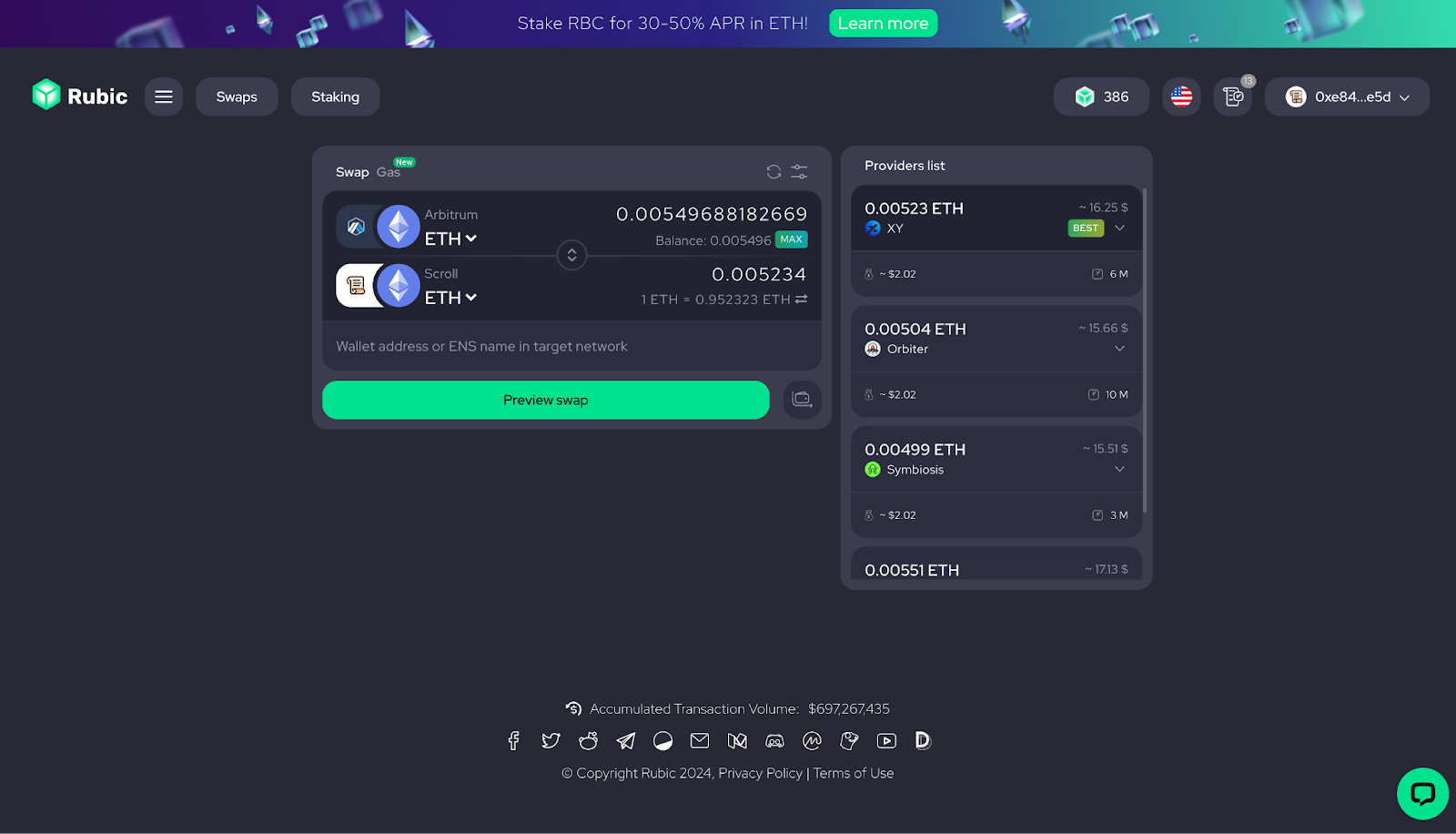
Cross-Chain Asset Swapping via Rubic: Users can seamlessly swap tokens between EVM-compatible chains (like Ethereum and BNB Chain) and networks launched on Units Network, leveraging Rubic’s interoperability protocols for efficient, low-fee transactions.
-

Unified Multi-Chain Wallets with Trust Wallet: Trust Wallet integrates support for EVM-compatible chains, including those launched via Unit0, allowing users to manage digital assets across multiple blockchains from a single, user-friendly interface.
-
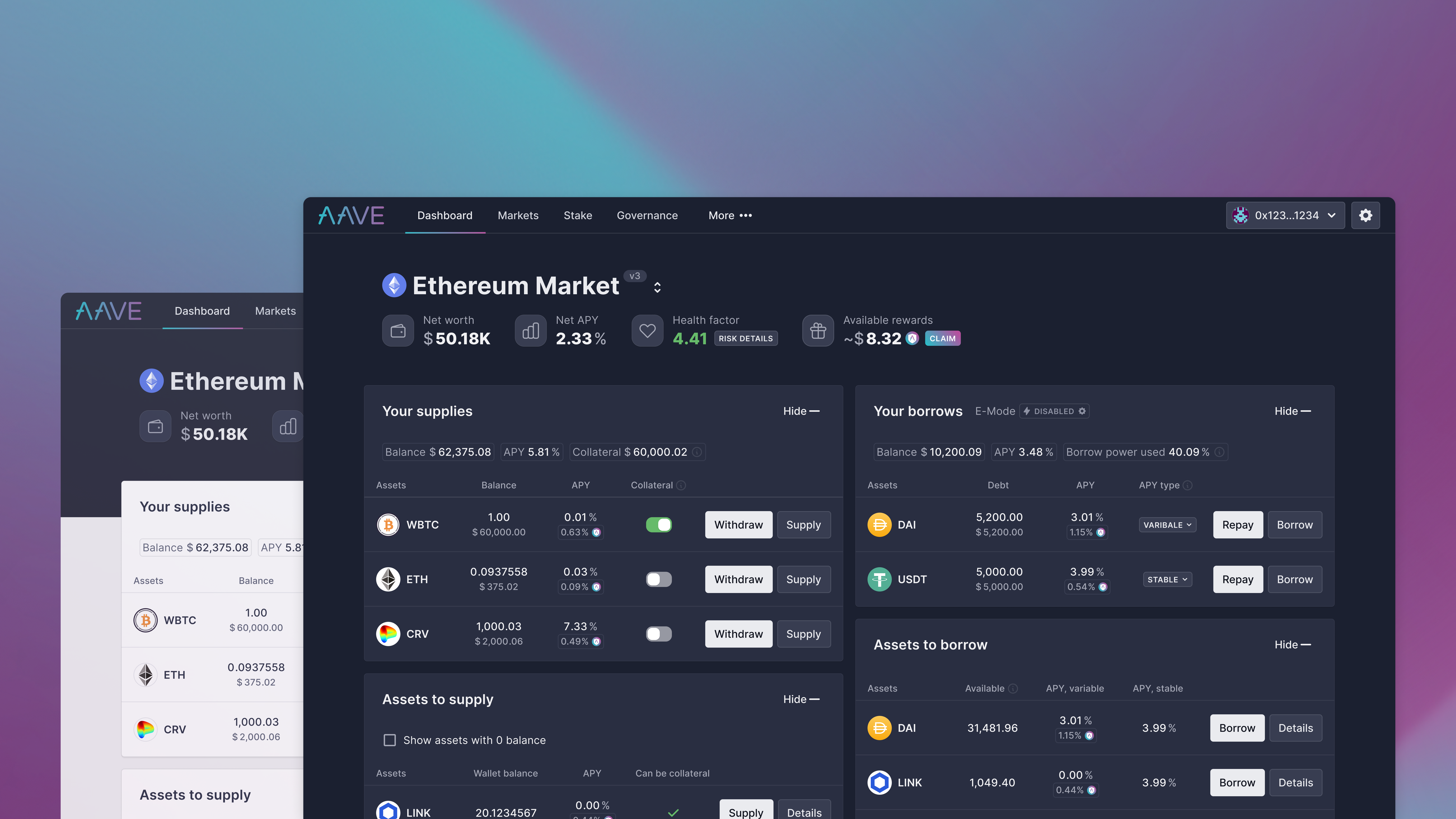
Decentralized Lending Across Chains with Aave: Through Unit0’s interoperability, Aave users can supply and borrow assets that exist on different EVM-compatible chains, expanding liquidity pools and enabling more flexible DeFi strategies.
-
Cross-Chain Yield Farming on Beefy Finance: Beefy Finance enables users to optimize yield strategies by providing vaults that operate across multiple EVM-compatible chains, including those deployed via modular chain factories like Units Network.
-

AI-Powered Liquidity Management with Units Network: The AI Liquidity Manager within Units Network automates liquidity provisioning and rebalancing across connected chains, helping DeFi protocols maintain optimal liquidity and reduce slippage.
Moreover, EVM compatibility remains central to this vision. By ensuring that new chains spun up via the factory can run Ethereum smart contracts out of the box, Units Network dramatically lowers the barrier for existing projects to expand cross-chain. This also means developers can leverage familiar tooling, such as MetaMask integration or Solidity libraries, while accessing new audiences and liquidity sources.
The Road Ahead: Challenges and Opportunities
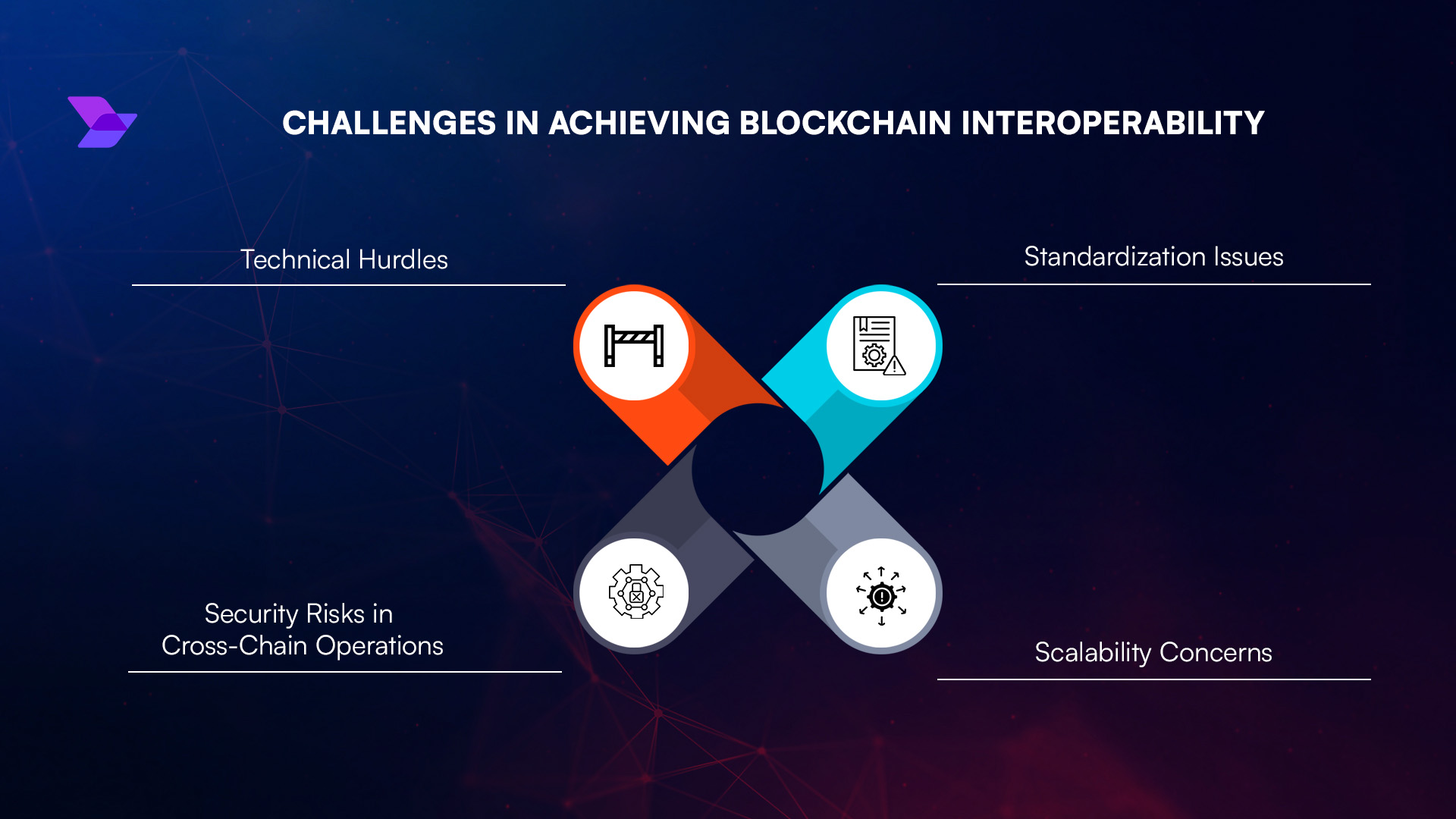
Despite these advances, some challenges remain. Security is paramount; as interoperability increases, so too does the complexity of safeguarding assets across interconnected chains. Modular platforms must invest heavily in rigorous audits and proactive monitoring to maintain trust.
Onboarding mainstream users will also require continued investment in intuitive UX design. While unified wallets are a leap forward, education around chain abstraction solutions will be key to mass adoption. The role of community governance in funding user-centric improvements cannot be overstated.
“Modular chain factories are not just technical innovations, they represent a philosophical shift towards open collaboration and permissionless innovation across blockchain ecosystems. ”
The momentum behind modular EVM chain factories is undeniable. By combining decentralized governance with AI-powered development tools and a relentless focus on user experience, projects like Units Network are laying the groundwork for an interoperable future where users no longer need to think about which chain they’re on, or even care.
About the Author