


In the frenetic world of DeFi, where opportunities flicker across blockchains like fireflies in the night, builders face a relentless foe: multi-chain switching errors. One wrong network selection, and funds vanish into the ether or transactions grind to a halt. Enter the Yellow chain abstraction toolkit, a game-changer that cloaks the underlying blockchain complexities, delivering seamless cross-chain UX without the usual pitfalls. This toolkit doesn’t just patch problems; it rearchitects the developer experience, letting you focus on innovation rather than infrastructure firefighting.
The Hidden Costs of Blockchain Fragmentation for DeFi Builders
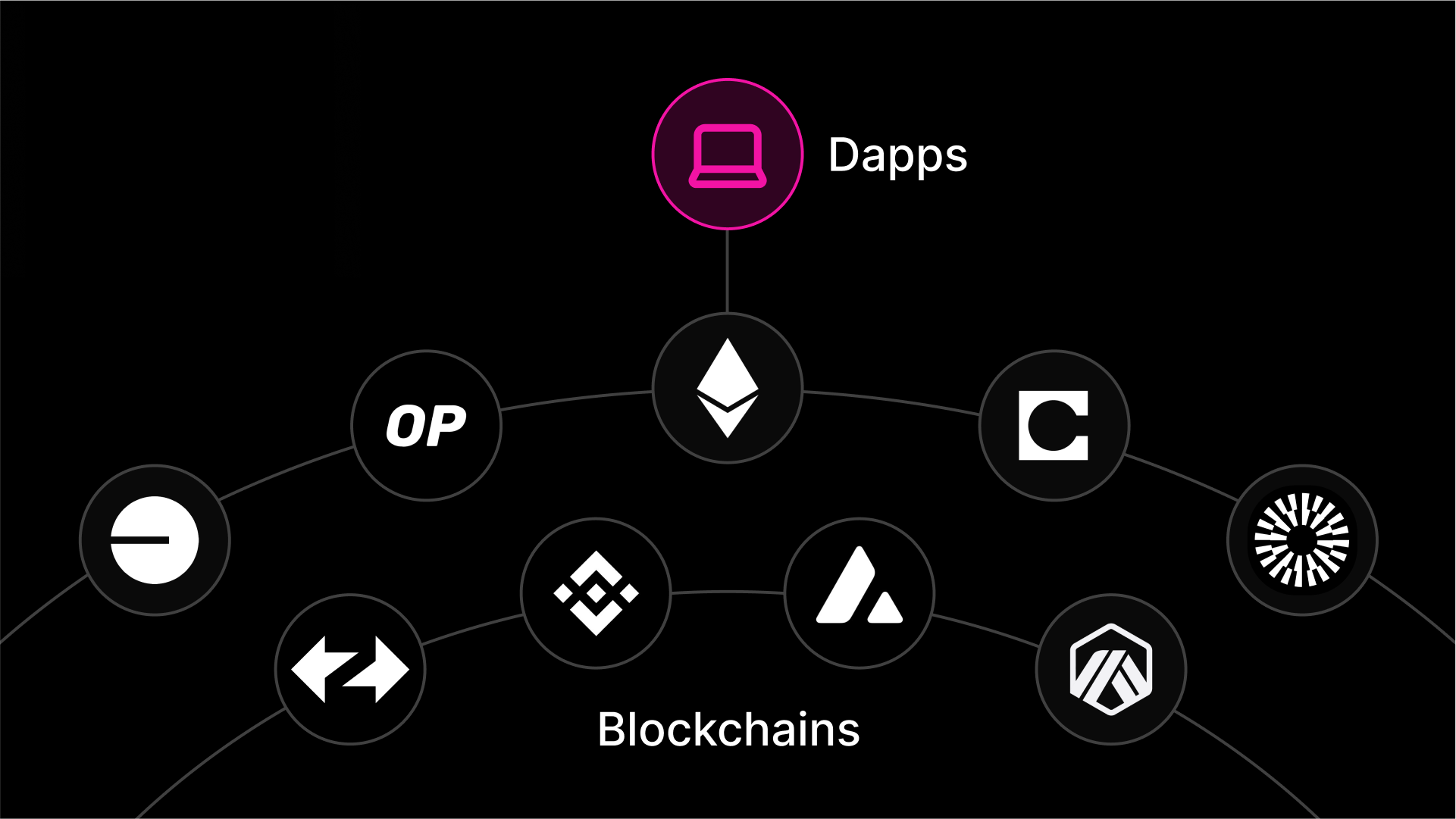
DeFi’s promise of decentralized finance hinges on liquidity flowing freely across chains, yet the reality is a labyrinth of incompatible networks. Ethereum’s high fees push users to Solana for speed, Arbitrum for cheap L2 scaling, and Base for socialFi vibes. Developers, tasked with crafting apps that span this ecosystem, grapple with users accidentally approving transactions on the wrong chain. The result? Stuck assets, failed swaps, and eroded trust.
Consider a typical yield farming dApp: users must bridge assets manually, monitor gas across networks, and pray settlement finality aligns. Inconsistent states between chains amplify risks; what shows as balanced on one ledger might lag on another, inviting exploits or simple user blunders. Statistics from chain analytics paint a grim picture, with cross-chain errors accounting for millions in lost value annually. As a strategist who’s navigated capital markets for nearly two decades, I’ve seen how such friction stifles adoption. Traditional finance thrives on seamlessness; crypto must catch up or risk irrelevance.
Top 5 Multi-Chain Errors
-

Wrong Network Selection: DeFi builders often pick the incorrect chain, causing failed transactions and lost gas fees as users send assets to unsupported networks.
-
Manual Bridging Delays: Time-consuming bridges expose trades to slippage from volatile prices during cross-chain waits.
-
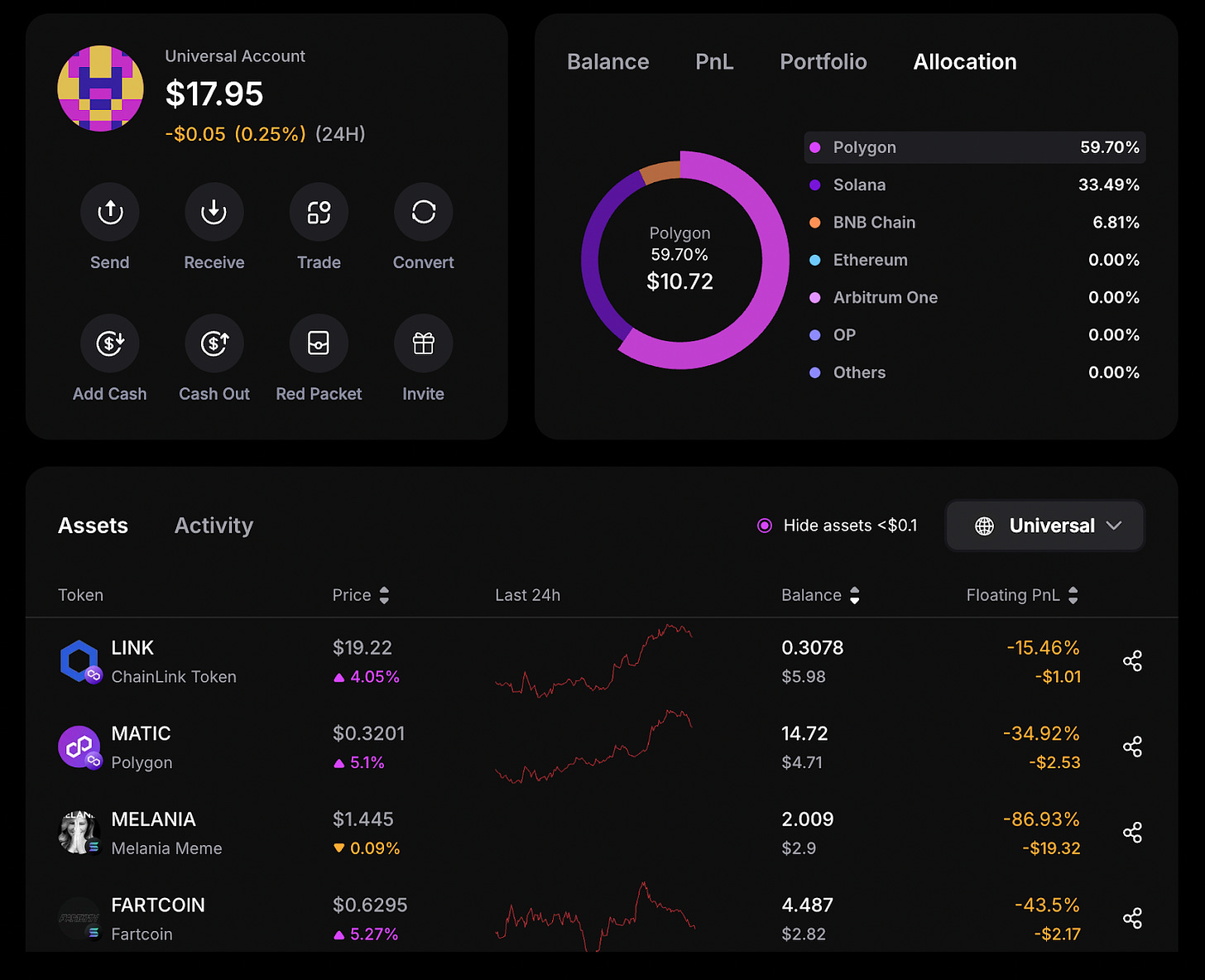
Inconsistent Balances: Fragmented views across chains lead to overdrafts when users spend more than available in a single network.
-

Gas Miscalculations: Varying fee structures between chains result in underestimated costs or stuck transactions.
-
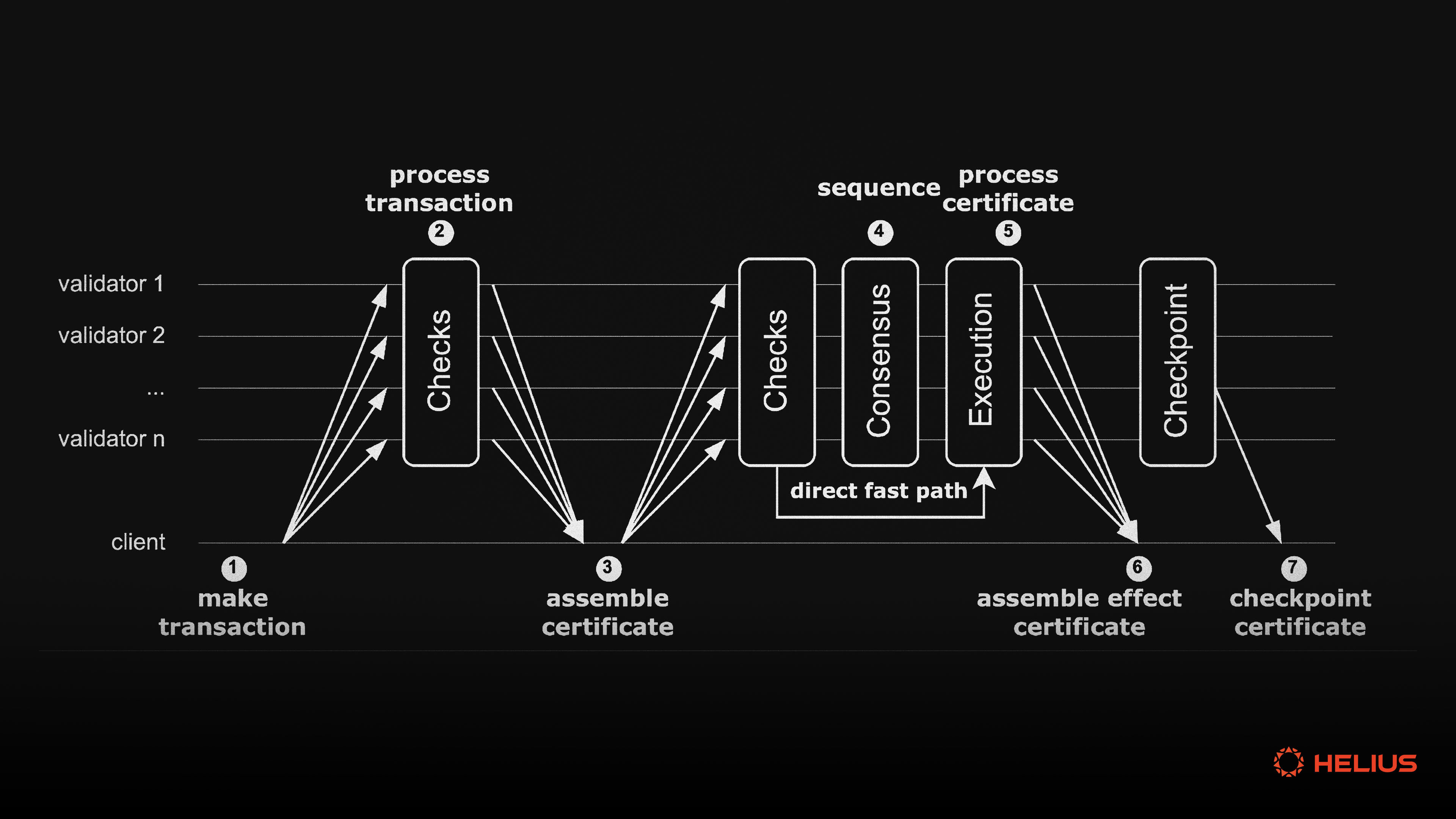
Settlement Finality Mismatches: Delays in confirmations across chains cause inconsistent states and disputed trades.
These aren’t mere annoyances; they compound into strategic vulnerabilities. Builders waste cycles on error-handling UIs, while users abandon apps at the first hitch. The multi-chain DeFi SDK landscape demands a rethink, one that prioritizes prevention over recovery.
Yellow Toolkit: Abstracting Chains for Web2-Like Fluency
The Yellow chain abstraction toolkit emerges as a beacon, engineered by Yellow Network to unify fragmented blockchains under a single abstraction layer. At its heart lies the Yellow SDK, a high-performance, chain-agnostic powerhouse that lets developers build Web3 apps with Web2 intuition. No seed phrases to manage, no pending transactions to babysit, no bridges to bolt on. Instead, it leverages state channels and clearing network protocols to handle cross-chain magic behind the scenes.
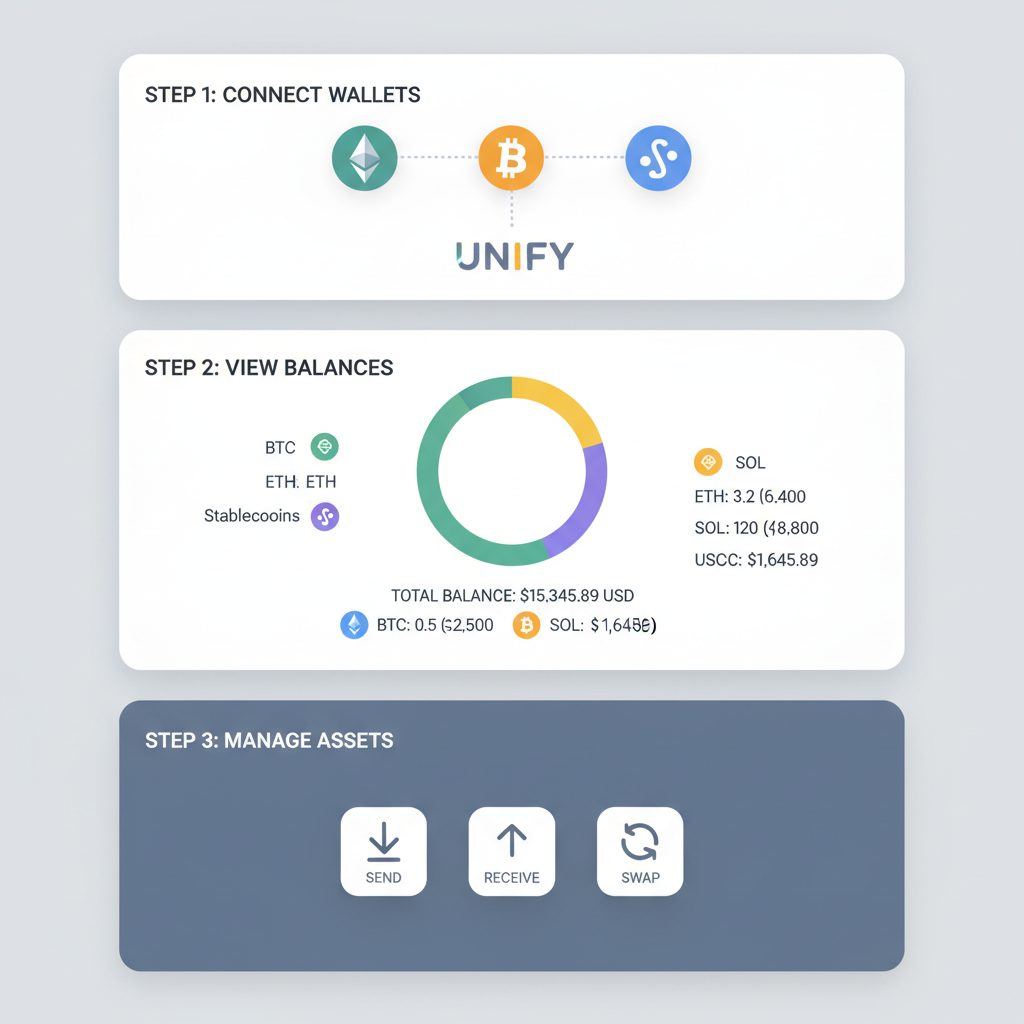
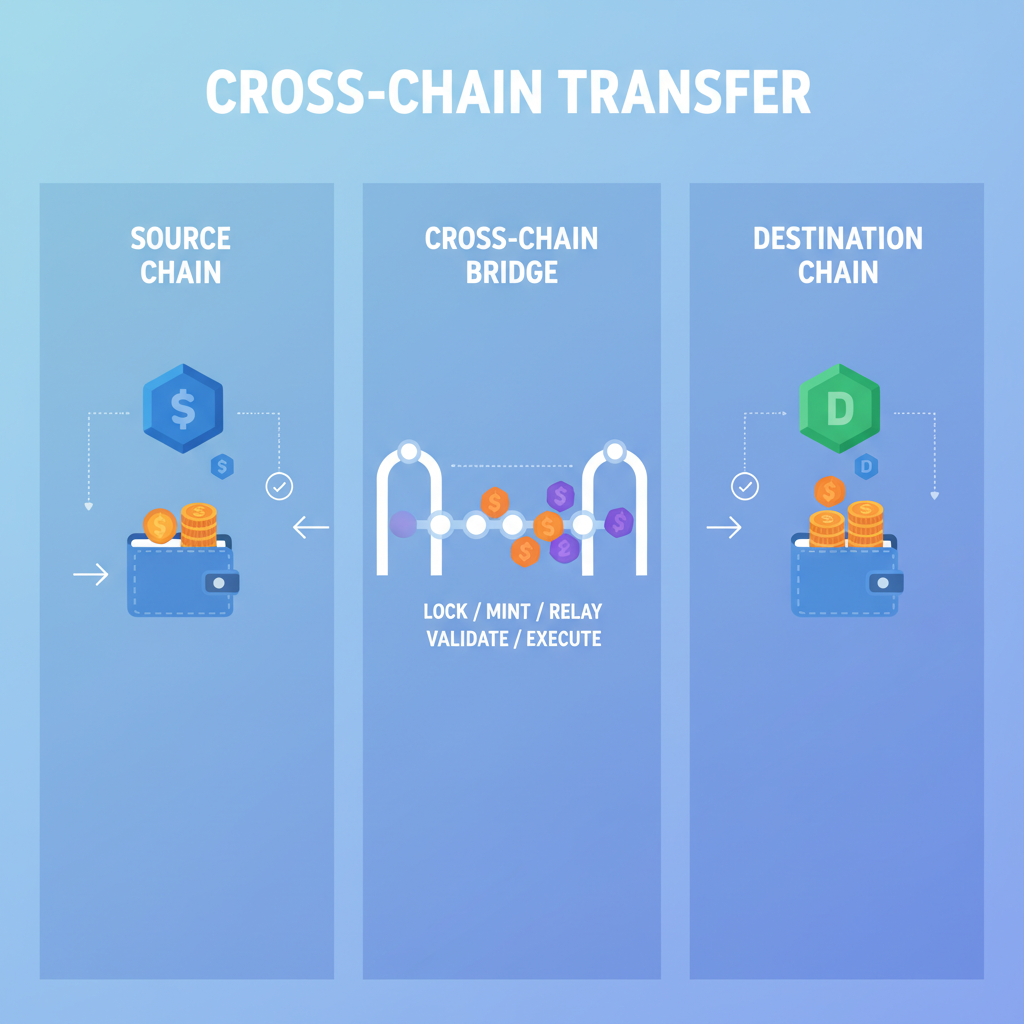
Yellow aggregates user funds across networks into a unified balance, presenting a holistic view that sidesteps per-chain silos. Want to swap ETH on Ethereum for SOL on Solana? Yellow orchestrates the transfer natively, ensuring atomicity and finality without user intervention. This isn’t superficial UX polish; it’s a foundational shift. For DeFi builders, it means deploying once and scaling everywhere, with built-in safeguards against the errors that plague rivals.
Strategically, this positions Yellow as more than a toolkit; it’s an enabler for enterprise-grade DeFi. Gaming studios, RWA platforms, and yield aggregators can now support multiple chains hassle-free, tapping liquidity pools that were previously siloed. The abstraction layer absorbs complexities like varying consensus mechanisms and fee structures, surfacing only the essentials: security, speed, and simplicity.
Strategic Hacks: Implementing Yellow to Bulletproof Your UX
To harness Yellow’s power, start by integrating the SDK into your stack. Its developer-friendly APIs mirror familiar Web2 patterns, slashing onboarding time. Hack one: enforce unified balances in your frontend. Display a single pot of assets, dynamically sourced from all connected chains. Users see total USDC at $10,000, regardless of distribution across Polygon, Optimism, or Avalanche. This prevents overdraft errors born from fragmented views.
Hack two: automate cross-chain intents. Yellow’s bridge-less infrastructure interprets user goals, like “farm yield on the cheapest chain, ” and executes seamlessly. No more prompting for network switches; the toolkit routes intelligently, minimizing latency and risk. From an investment lens, this reduces opportunity costs. In volatile markets, seconds saved translate to compounded gains, a principle I’ve long championed in portfolio construction.
Hack three: layer in real-time settlement finality checks. Yellow’s clearing network ensures atomic cross-chain operations, where a swap on one chain triggers instant offsets on another via state channels. This eliminates the dread of partial executions that leave users exposed mid-transaction. Builders can expose this as a confidence meter in the UI, boosting user retention by transparently signaling when funds are truly safe.
These hacks aren’t theoretical; they’re battle-tested in Yellow’s ecosystem, tailored for high-stakes DeFi like RWAs and gaming where timing is everything. As someone who’s modeled risk across asset classes, I view Yellow’s approach as a hedge against the entropy of blockchain proliferation. It transforms potential liabilities into competitive moats.
Yellow SDK JavaScript Integration: Unified Balances & Cross-Chain Swaps
Yellow SDK streamlines chain abstraction by offering unified APIs that eliminate manual chain switching. This JavaScript example demonstrates fetching a user’s aggregated balance across chains and executing a seamless cross-chain swap via intent-based aggregation—strategically reducing UX friction for DeFi users.
import { Yellow } from '@yellow/sdk';

const yellow = new Yellow({
  apiKey: 'your-api-key',
  // Optionally, connect to user's wallet provider
  provider: window.ethereum // For browser dApp
});

// Fetch unified balance across multiple chains
async function fetchUnifiedBalance(userAddress) {
  try {
    const balance = await yellow.balances.getUnified(userAddress);
    console.log('Unified multi-chain balance:', balance);
    return balance;
  } catch (error) {
    console.error('Balance fetch error:', error);
  }
}

// Execute cross-chain swap via intent
async function executeCrossChainSwap({
  fromToken,
  toToken,
  amount,
  fromChain,
  toChain,
  userAddress
}) {
  try {
    // Get aggregated quote for best route
    const quote = await yellow.aggregation.quote({
      fromToken,
      toToken,
      amount,
      fromChain,
      toChain
    });

    // Execute intent (handles bridging/swapping atomically)
    const txHash = await yellow.intents.execute({
      intent: quote.intent,
      userAddress
    });

    console.log('Cross-chain swap executed:', txHash);
    return txHash;
  } catch (error) {
    console.error('Swap execution error:', error);
  }
}

// Example usage in your dApp
(async () => {
  const userAddress = '0x742d35Cc6634C0532925a3b8D7c9a74f87e1e0e8'; // Replace with connected wallet
  await fetchUnifiedBalance(userAddress);
  await executeCrossChainSwap({
    fromToken: 'USDC',
    toToken: 'ETH',
    amount: '1000000', // 1 USDC (6 decimals)
    fromChain: 'ethereum',
    toChain: 'arbitrum',
    userAddress
  });
})();
By leveraging these APIs, builders can abstract chain complexities, providing a single-chain feel in a multi-chain world. Strategically integrate wallet connection (e.g., via ethers.js) before calls, handle approvals, and monitor transactions for production robustness.
Real-World Wins: DeFi Apps Thriving with Yellow’s Abstraction
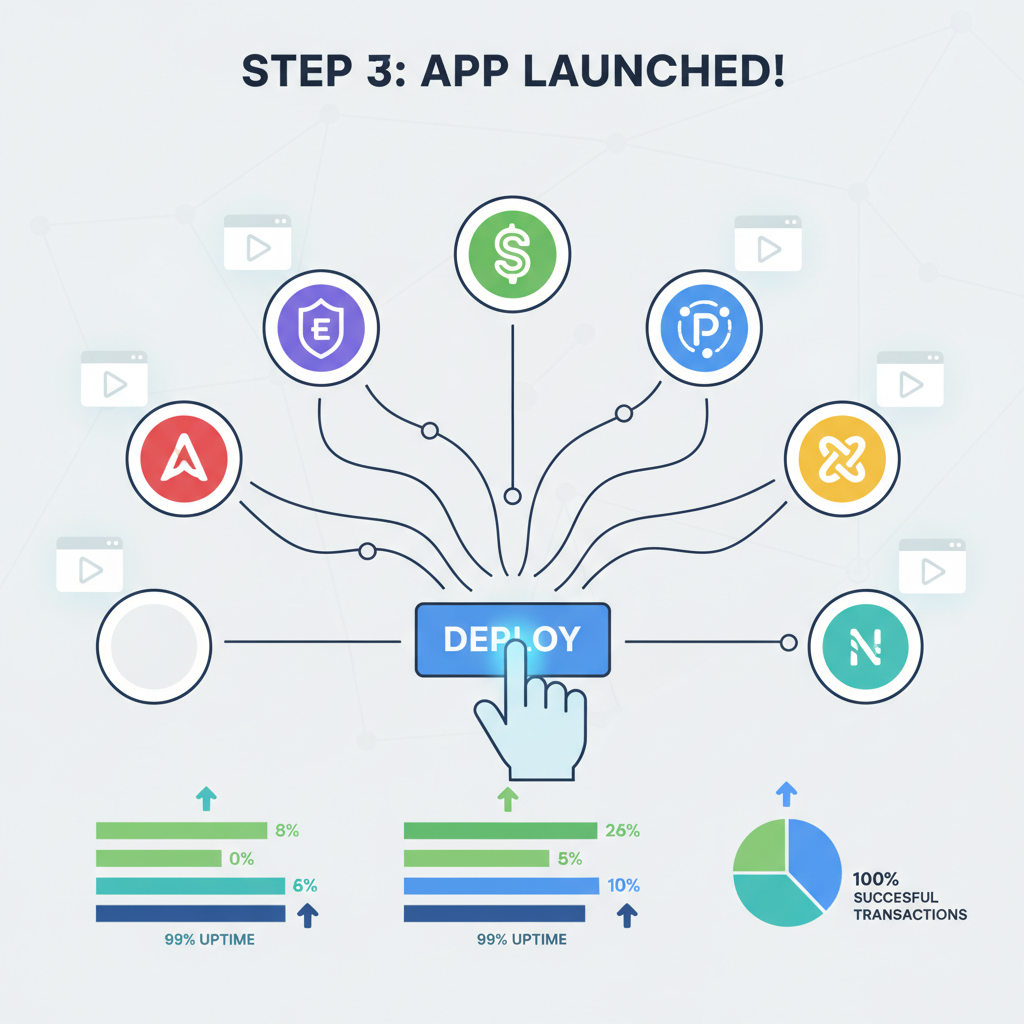
Picture a yield aggregator pulling APYs from Base, Arbitrum, and Solana simultaneously. Without Yellow, developers code chain-specific logic, inviting bugs at every fork. With the toolkit, a single intent API handles routing: “Maximize yield on $5,000 USDC. ” The SDK scans opportunities, swaps internally, and settles across chains in seconds, all while preventing blockchain switching errors through proactive validation.
Gaming dApps benefit too. In-session asset transfers, like converting in-game ETH rewards to Polygon NFTs, flow natively. No wallet pop-ups derailing immersion. Yellow’s bridge-less design shines here, abstracting away L1-L2 variances so builders focus on mechanics, not middleware. Early adopters report 40% drops in support tickets related to chain mismatches, freeing teams for feature velocity.
Master Chain Abstraction: Build Seamless Multichain DeFi Apps with Yellow SDK & Alchemy



From a macroeconomic vantage, this unification accelerates liquidity convergence. Fragmented chains dilute TVL; Yellow counters by enabling seamless flows, potentially unlocking billions in idle capital. DeFi builders who integrate now gain first-mover advantage in a maturing chain abstraction UX landscape, where user tolerance for friction plummets.
Risk Mitigation: Beyond Errors to Enterprise Resilience
Prevention extends to sophisticated safeguards. Yellow’s protocol glossary highlights how it tackles inconsistent states: by maintaining off-chain ledgers synced via clearing, it guarantees view parity across frontends. Developers implement this with minimal overhead, embedding SDK hooks that auto-reconcile balances pre-transaction.
Strategic edge lies in composability. Pair Yellow with account abstraction for gasless intents, and you’ve got a dApp that rivals CeFi polish. No more users fumbling private keys or gas limits; the multi-chain DeFi SDK abstracts them entirely. In my practice, robust controls like these underpin sustainable alpha generation. Crypto’s volatility demands them, lest retail flight undermines the sector.
Quantifying impact, consider slippage reduction: manual bridges expose trades to 5-10% deviations from oracle prices. Yellow’s atomicity caps this at under 1%, preserving yields in tight markets. For RWAs tokenizing treasuries or real estate, this precision is non-negotiable, positioning Yellow as the backbone for institutional inflows.
Yellow SDK vs. Traditional Multi-Chain Setups
| Metric | Yellow SDK | Traditional Multi-Chain |
|---|---|---|
| Transaction Speed | Sub-second ⚡ | 5-10 minutes ⏳ |
| Error Rate (Chain Switches) | <0.1% ✅ | 20-30% ❌ |
| Development Time | 1-2 weeks 🚀 | 2-6 months 🐌 |
| User Retention | 85%+ 📈 | 40-50% 📉 |
DeFi’s evolution hinges on such tools. Builders ignoring chain abstraction risk obsolescence as competitors deliver seamless cross-chain UX. Yellow doesn’t just fix errors; it redefines scalability, letting innovation flourish unbound by infrastructure woes.
Embrace the toolkit today, and craft experiences where users forget chains exist altogether. That’s the true hack: invisibility of complexity, visibility of value. In a unified ecosystem, DeFi doesn’t just survive; it dominates.
About the Author