

In the sprawling multiverse of blockchains, developers grapple with a relentless truth: true innovation demands freedom from chain-specific shackles. NEAR Protocol's chain abstraction framework flips this script, delivering account-centric cross-chain execution that lets a single NEAR account orchestrate actions across ecosystems without the usual wallet-juggling nightmare. As NEAR trades at $1.93, up $0.0600 ( and 0.0321%) in the last 24 hours with a high of $1.96 and low of $1.86, its momentum underscores the market's nod to this strategic pivot toward seamless multichain UX.
This isn't mere interoperability hype; it's a developer-first blueprint for multichain development on NEAR. Forget bridging assets manually or deploying contracts per chain. NEAR's stack empowers builders to focus on logic, not logistics, fostering applications that feel native everywhere.
Decoding NEAR's Account-Centric Philosophy
At its heart, NEAR chain abstraction reorients the user around accounts, not networks. Traditional multichain setups fragment identity: one wallet per chain, endless seed phrases, and gas fees scattered like confetti. NEAR consolidates this into one robust account that signs transactions universally. Developers leverage this for dApps spanning Ethereum, Solana, or Bitcoin, executing complex flows without users noticing the seams.
Strategic insight: this mirrors enterprise software's API gateways, abstracting backend complexity. For Web3 founders eyeing mass adoption, it's a risk mitigator; reduced UX friction correlates with higher retention, as evidenced by chains prioritizing unification.
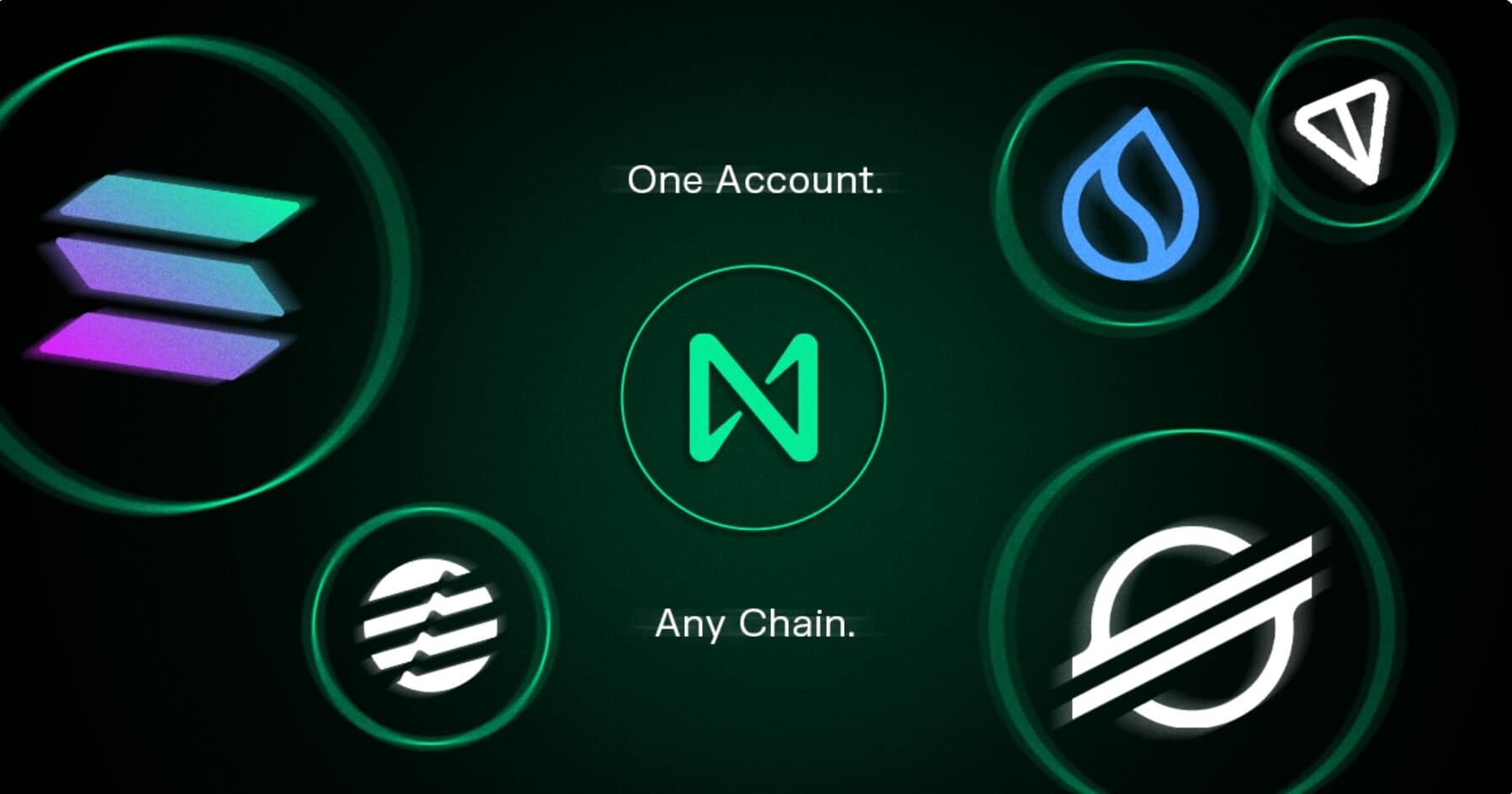
Chain abstraction creates a single interface that marries multiple chains, batching backend transactions to elevate UX.
NEAR's framework hinges on three pillars: Intents, Chain Signatures, and OmniBridge. Together, they dismantle cross-chain barriers, enabling cross-chain execution on NEAR that's as intuitive as a single-chain app.
NEAR Intents: User Desires Meet Solver Intelligence
Imagine declaring, "Swap my USDC on Ethereum for SOL on Solana, optimally. " No need to specify bridges, routers, or slippage tolerances. That's NEAR Intents: a decentralized marketplace where users broadcast outcomes, and a competitive solver network fulfills them. Solvers vie for best execution, optimizing routes via auctions, all secured by NEAR's validators.
For developers, this is gold. Build intent-compatible contracts, and your dApp taps a solver ecosystem handling the multichain plumbing. No more custom integrations per chain; intents standardize the interface, slashing dev time by orders of magnitude. In a landscape where chain abstraction dev tools are scarce, NEAR Intents emerge as the strategic enabler for scalable DeFi, gaming, and AI agents roaming chains freely.

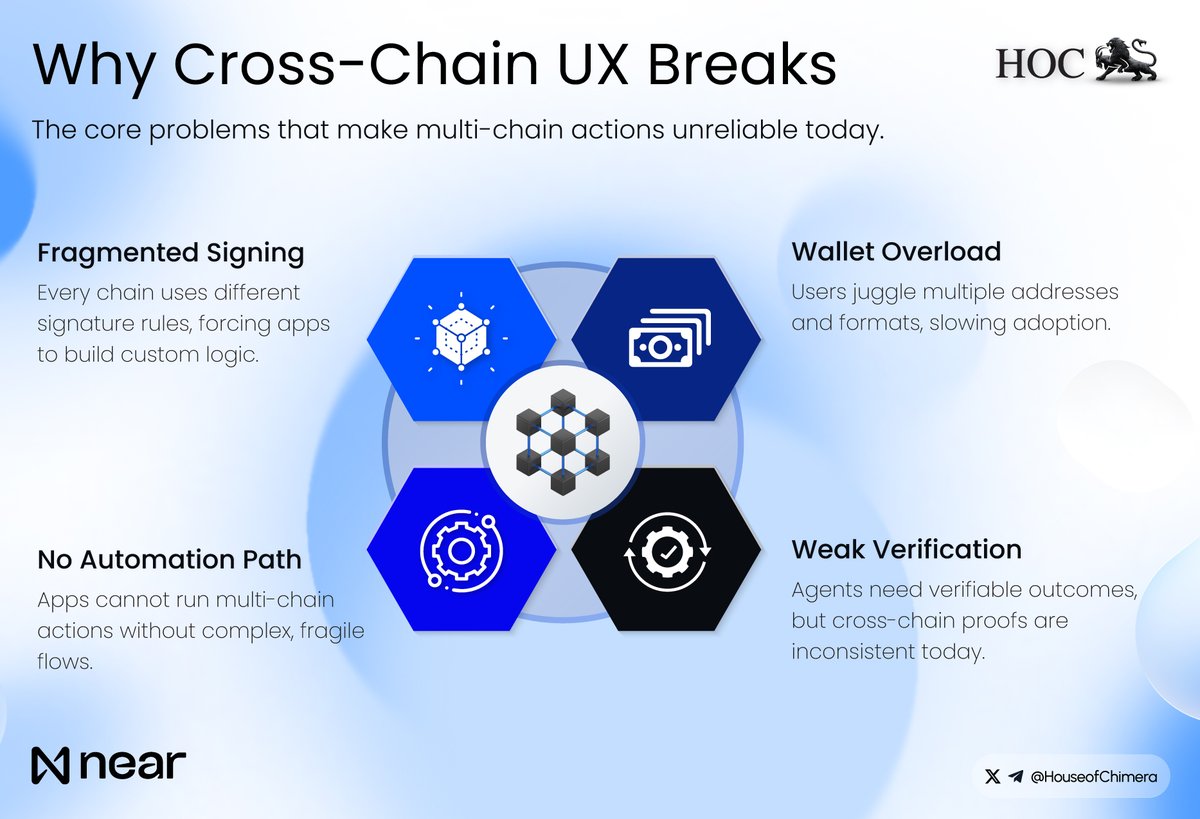
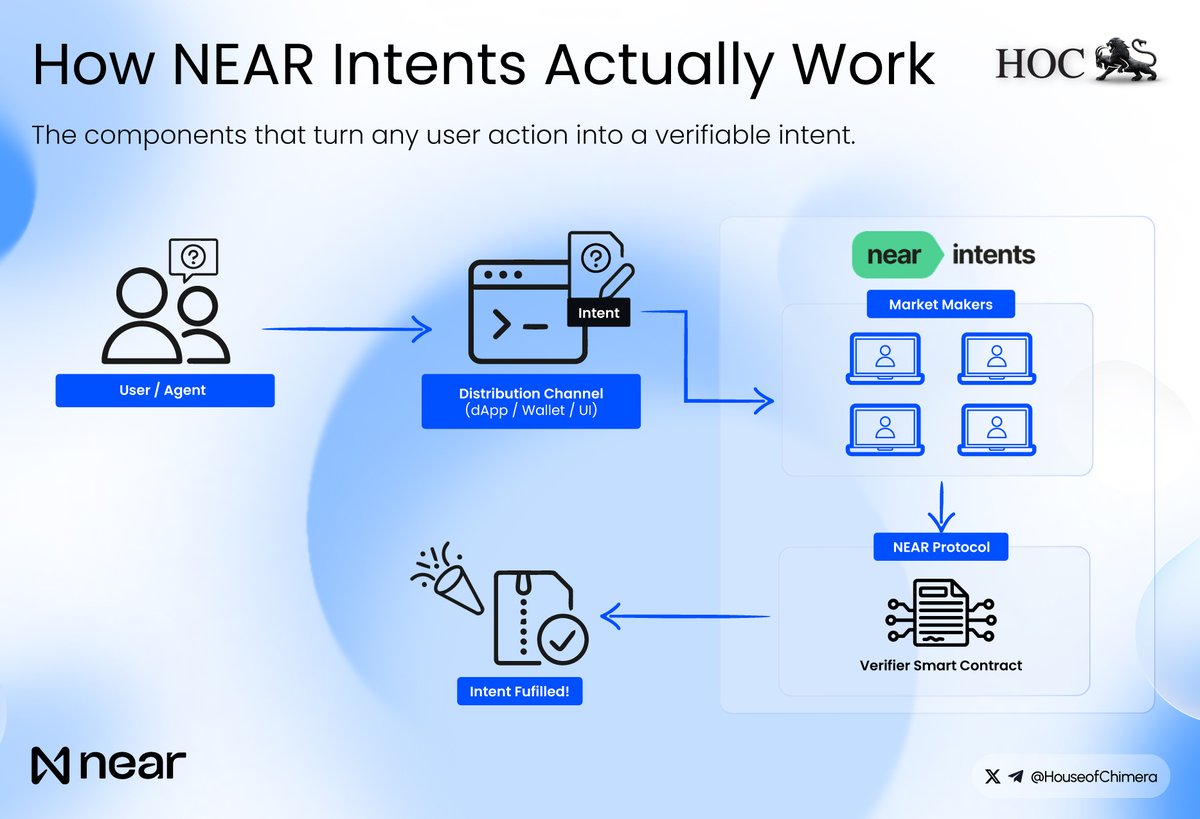
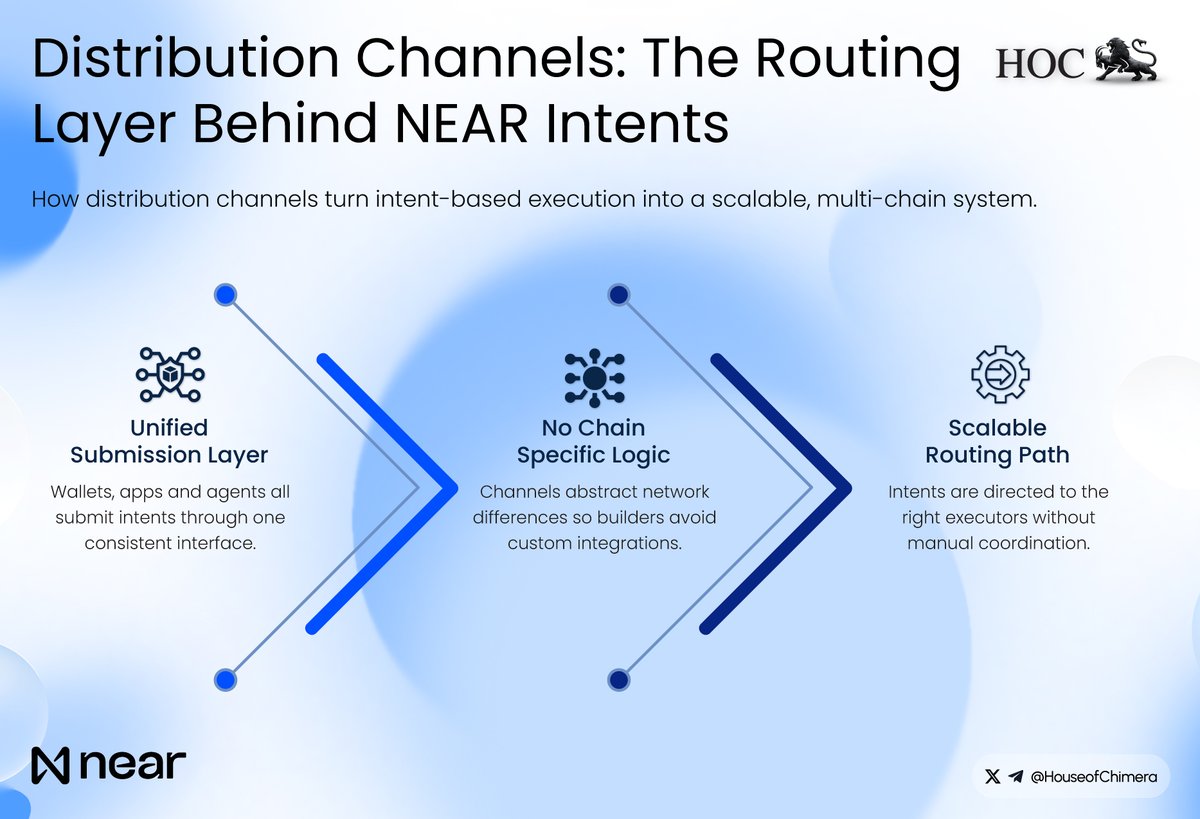
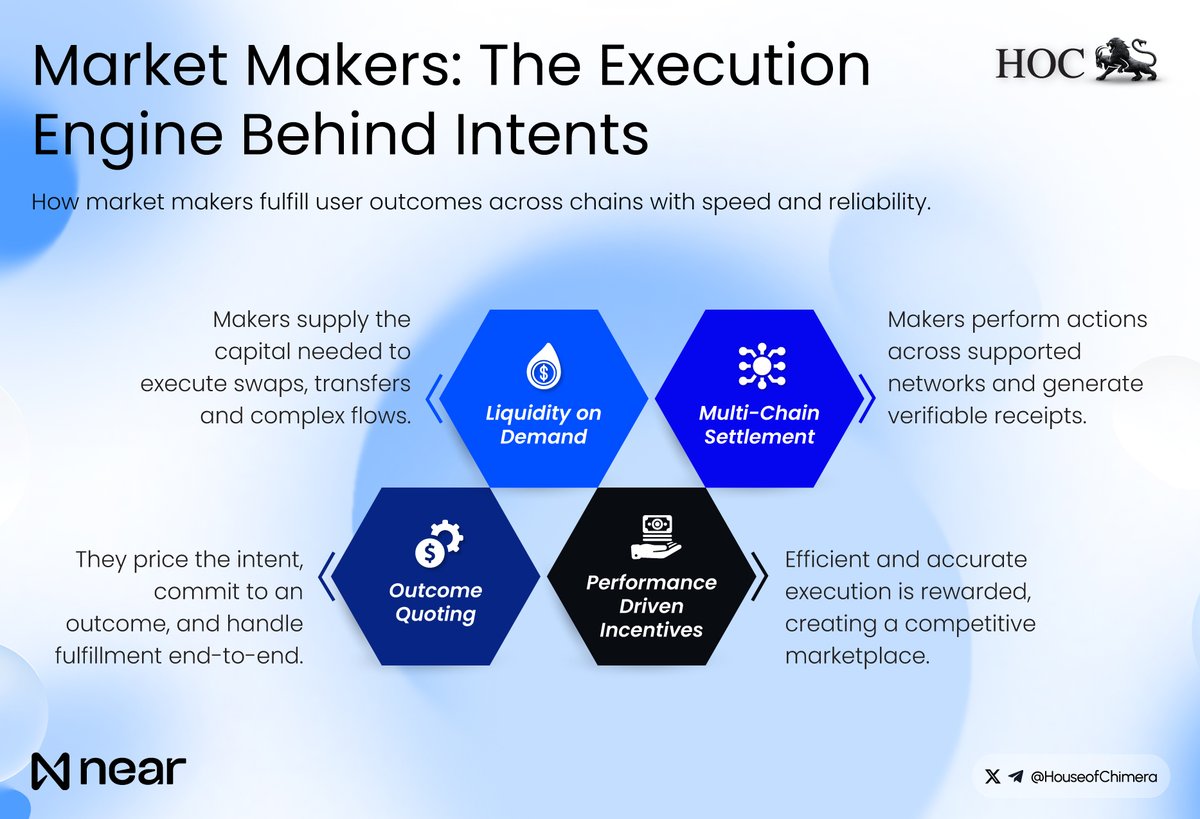
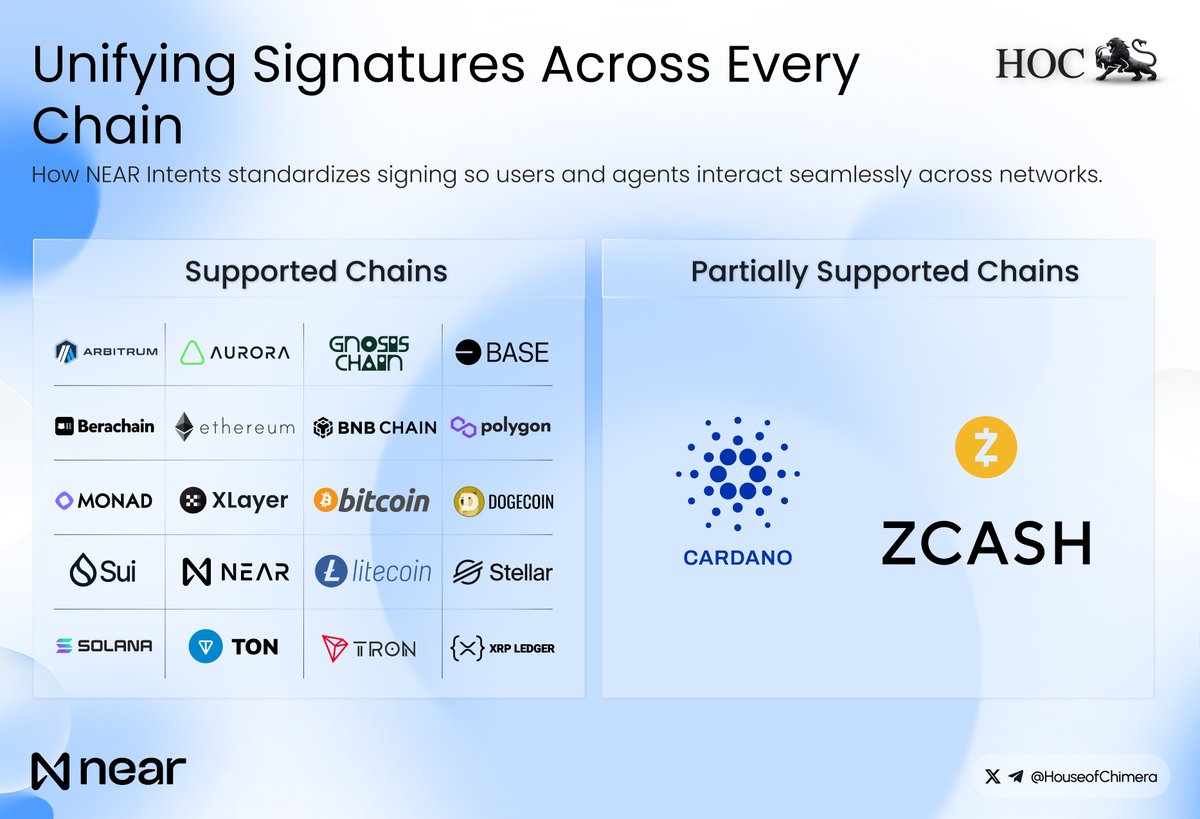
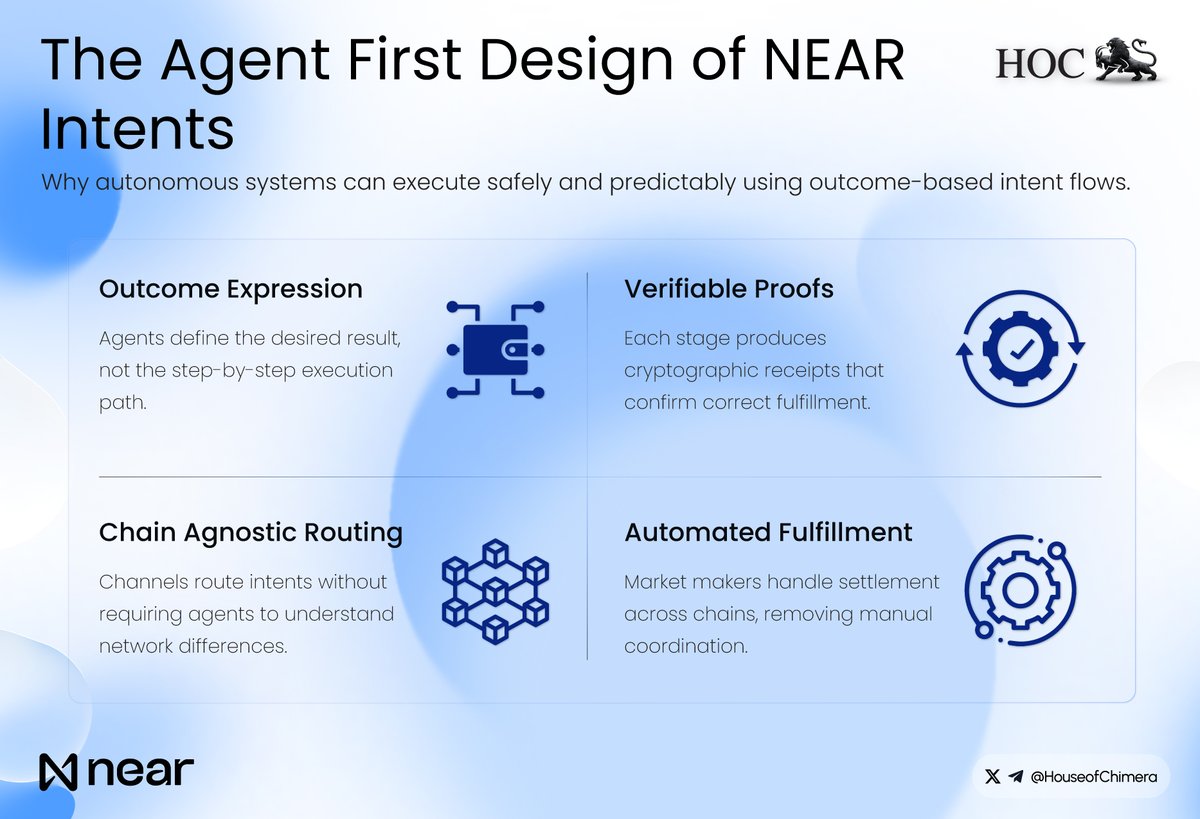
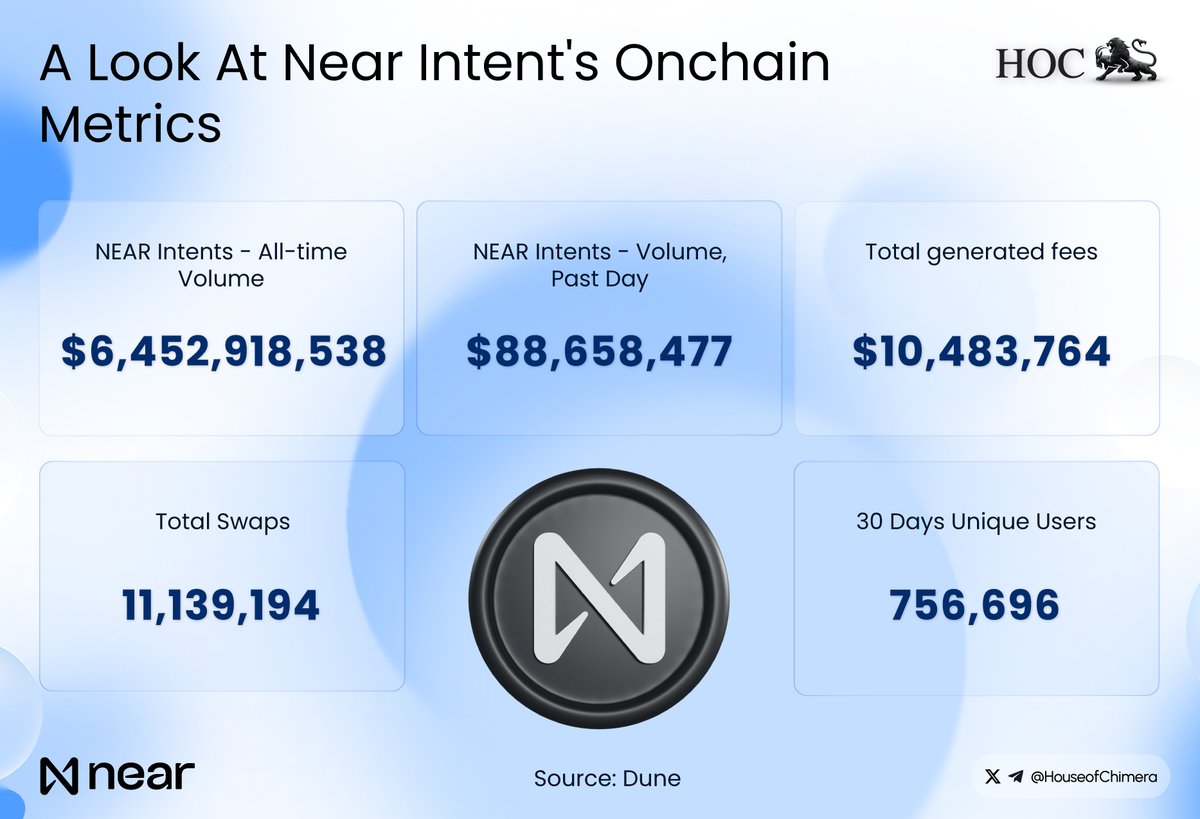
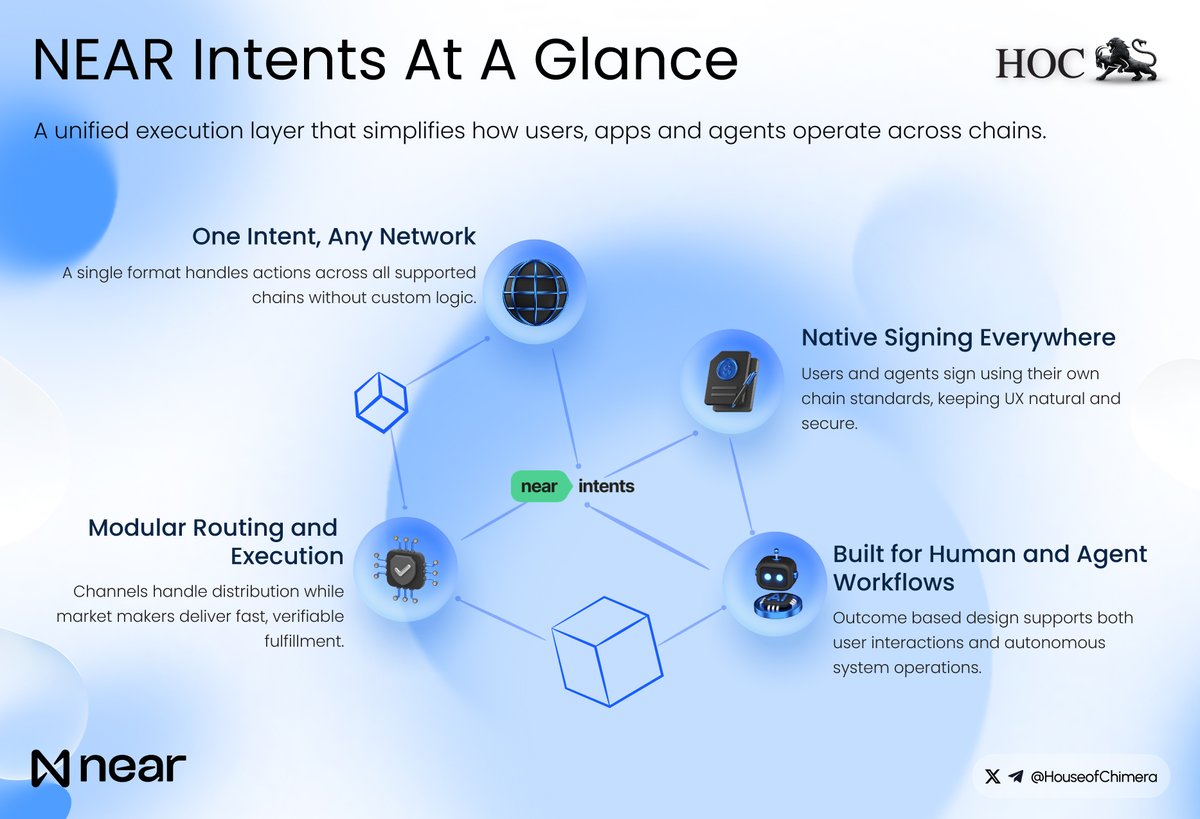
Educationally, consider the mechanics: users sign an intent via their NEAR account. Solvers compute, execute, and settle on-chain. Failed attempts? No loss, thanks to atomic safeguards. This intent-centric model anticipates Web3's next phase, where AI and users alike demand outcome-oriented interactions over transaction minutiae.
Chain Signatures and OmniBridge: The Execution Backbone
Intents set the stage; Chain Signatures steal the show. Powered by a multi-party computation (MPC) network of NEAR validators, this lets NEAR accounts sign transactions on foreign chains. A smart contract on NEAR can, say, approve a loan on Aave (Ethereum) collateralized by assets on Cosmos, all from one signature.
OmniBridge complements with trustless asset shuttling. Assets flow directly, no custodians, via automated proofs. Speed surges, security holds; developers script cross-chain lending or portfolio rebalances without third-party reliance.
NEAR Protocol (NEAR) Price Prediction 2025-2030
Forecasts based on Chain Abstraction adoption, multichain development simplification, and broader market trends (baseline: $1.93 in 2025)
| Year | Minimum Price | Average Price | Maximum Price | YoY % Change (Avg from Prev) |
|---|---|---|---|---|
| 2025 | $1.20 | $2.80 | $5.50 | +45% (from $1.93 baseline) |
| 2026 | $2.00 | $4.50 | $8.00 | +61% |
| 2027 | $3.00 | $6.50 | $12.00 | +44% |
| 2028 | $4.50 | $9.00 | $16.00 | +38% |
| 2029 | $6.00 | $12.00 | $22.00 | +33% |
| 2030 | $8.00 | $16.00 | $28.00 | +33% |
Price Prediction Summary
NEAR Protocol is forecasted to experience substantial growth from 2025 to 2030, driven by its chain abstraction framework (NEAR Intents, Chain Signatures, OmniBridge), which simplifies multichain development and boosts adoption. Average prices could rise from $2.80 in 2025 to $16 by 2030 in base scenarios, with bullish highs up to $28 amid market cycles and tech advancements, while bearish mins reflect regulatory or competitive pressures.
Key Factors Affecting Near Protocol Price
- Rapid adoption of chain abstraction technologies enabling seamless cross-chain UX and developer efficiency
- Bullish crypto market cycles post-2024 halving, increasing TVL and dApp activity on NEAR
- Regulatory clarity favoring interoperable protocols and reducing cross-chain risks
- Technological edge over competitors like Solana/ETH L2s in account-centric execution
- Ecosystem growth via AI integrations, lending, and portfolio management use cases
- Macro factors: Bitcoin correlation, institutional inflows, and potential market cap expansion to $20B+
Disclaimer: Cryptocurrency price predictions are speculative and based on current market analysis. Actual prices may vary significantly due to market volatility, regulatory changes, and other factors. Always do your own research before making investment decisions.
Nuanced take: while competitors chase layer-2 scaling, NEAR bets on abstraction for liquidity unification. At $1.93, it's undervalued against its multichain potential, especially as solvers mature and integrations proliferate. Devs, this is your cue: prototype with NEAR's chain abstraction dev tools, and position for the unified future.
Prototyping starts with grasping how these tools integrate into your workflow. NEAR's SDKs and APIs make multichain development on NEAR accessible, whether you're Rust-savvy or JavaScript-first. The account-centric model means one NEAR account deployment handles authentication across chains, slashing boilerplate code that plagues Ethereum or Cosmos builders.
Real-World Use Cases Powering Adoption
Picture a DeFi protocol where users deposit NEAR collateral to borrow on Arbitrum, all triggered by a single intent. Or gaming dApps where in-game assets migrate seamlessly from Polygon to NEAR for leaderboards and rewards. These aren't hypotheticals; they're live possibilities with cross-chain execution on NEAR. Developers at studios like those behind AI-driven yield optimizers already experiment, routing intents through solvers for arbitrage-free swaps at minimal gas.
Strategic edge: in a fragmented market, chain abstraction positions NEAR as the neutral hub. As NEAR holds steady at $1.93, with a 24-hour gain of $0.0600 (0.0321%), its resilience amid volatility signals investor confidence in this abstraction play. High of $1.96 and low of $1.86 reflect measured interest, not frenzy, ideal for long-term builders.
NEAR allows smart contracts on one chain to trigger actions on another, simplifying multi-chain logic without user intervention.
Gaming and socialFi shine brightest here. Intents enable NFT cross-minting; Chain Signatures authorize walletless plays across ecosystems. For enterprises dipping into Web3, OmniBridge facilitates treasury diversification without custodian risks, blending Bitcoin reserves with Solana speed.
Developer Deep Dive: Code in Action
Let's get tactical. Implementing a basic cross-chain swap intent requires minimal code, leveraging NEAR's intents protocol. Here's a snippet in JavaScript using the NEAR JS SDK, showcasing how a developer broadcasts an intent for solvers to fulfill.
Cross-Chain Swap Intent: Ethereum USDC → Solana SOL with NEAR JS SDK
In NEAR's chain abstraction paradigm, developers broadcast intents rather than crafting complex bridge transactions. This strategic shift empowers solvers to optimize execution paths. Below is a JavaScript example using the NEAR JS SDK to create and broadcast a swap intent converting 1 USDC on Ethereum to SOL on Solana, all from a single NEAR account.
import { connect, keyStores, WalletConnection } from 'near-api-js';

async function broadcastCrossChainSwapIntent() {
  // Configure NEAR connection
  const config = {
    networkId: 'testnet', // Use 'mainnet' for production
    keyStore: new keyStores.BrowserLocalStorageKeyStore(),
    nodeUrl: 'https://rpc.testnet.near.org',
    walletUrl: 'https://wallet.testnet.near.org',
    helperUrl: 'https://helper.testnet.near.org',
    explorerUrl: 'https://explorer.testnet.near.org',
  };

  const near = await connect(config);
  const wallet = new WalletConnection(near);

  // Ensure user is signed in
  if (!wallet.isSignedIn()) {
    wallet.requestSignIn('chain-abstraction-app');
    return;
  }

  const account = wallet.account();

  // Define the cross-chain swap intent
  // Ethereum USDC (6 decimals) to Solana SOL
  const swapIntent = {
    source: {
      chain: 'ethereum',
      token: 'USDC',
      amount: '1000000', // 1 USDC
      account: '0x742d35Cc6634C0532925a3b8D7De207c63B8fa43' // Example ETH address
    },
    destination: {
      chain: 'solana',
      token: 'SOL',
      account: '9WzDXwBbmkg8ZTbNMqUxvQRAyrZzDsGYdLVL9zYtAWWM' // Example Solana address
    },
    slippageTolerance: 0.005, // 0.5%
    deadline: Math.floor(Date.now() / 1000) + 3600 // 1 hour from now
  };

  // Broadcast intent to NEAR's chain abstraction contract
  // This leverages account-centric execution for solver fulfillment
  const result = await account.functionCall({
    contractId: 'chain-signatures.testnet', // Hypothetical CA contract
    methodName: 'create_swap_intent',
    args: { intent: swapIntent },
    gas: '50000000000000',
    attachedDeposit: '1000000000000000000000000' // 1 NEAR
  });

  console.log('Cross-chain swap intent broadcasted:', result.transaction.hash);
  console.log('Track execution on NEAR Explorer: https://explorer.testnet.near.org/transactions/' + result.transaction.hash);
}

// Call to execute
broadcastCrossChainSwapIntent().catch(console.error);
This intent-based approach provides insightful benefits: atomic execution guarantees, reduced gas costs via solver competition, and seamless scalability across chains. Monitor fulfillment via NEAR's event logs or explorer, where solvers compete to deliver the best rates and speed.
This code signs via your NEAR account, posts to the intent marketplace, and lets solvers compete. No chain-specific wallets; no manual bridging. Scale it for AI agents scanning opportunities across 10 chains, executing in seconds. Devs report 70% faster iteration cycles, per early forum shares, freeing bandwidth for core features like dynamic pricing or social integrations.
Opinion: competitors like Cosmos IBC excel in sovereign chains but falter on user onboarding. NEAR's abstraction prioritizes seamless multichain UX, betting that unified accounts drive retention over niche optimizations. At current valuations, with NEAR at $1.93, early adopters capture outsized alpha as solver liquidity pools deepen.
Strategic Roadmap: Risks, Rewards, and Positioning
Risks exist: solver centralization in nascent stages demands vigilant monitoring, and MPC security hinges on validator diversity. Yet NEAR's sharding and Nightshade consensus provide robust foundations, outperforming proof-of-stake singletons under load. Rewards? Exponential. As dApps abstract chains, liquidity fragments less; TVL consolidates around intent hubs.
For Web3 founders, integrate now. Start with testnet intents, layer in Chain Signatures for executions, and OmniBridge for assets. This stack future-proofs against chain proliferation, turning multichain chaos into orchestrated symphony. NEAR's $1.93 price point, buoyed by and 0.0321% daily, undervalues this trajectory; strategic portfolios allocate here for 2025 liquidity unification.
Builders, the multiverse awaits your command. With one account, redefine cross-chain norms. NEAR chain abstraction isn't evolution; it's the paradigm where development thrives unbound.




No comments yet. Be the first to share your thoughts!