

In 2025, the landscape of crypto self-custody and cross-chain asset management has been transformed by the rise of multichain hardware wallet cards. These slim, NFC-enabled devices have made it possible for users to manage thousands of digital assets across dozens of blockchains with a simple tap, all while maintaining the highest standards of security and user control. The result is a new era in chain abstraction UX, where frictionless interoperability and intuitive design converge to deliver truly unified wallet solutions.
The Evolution: From Clunky Hardware to Seamless Tap-to-Secure Wallets
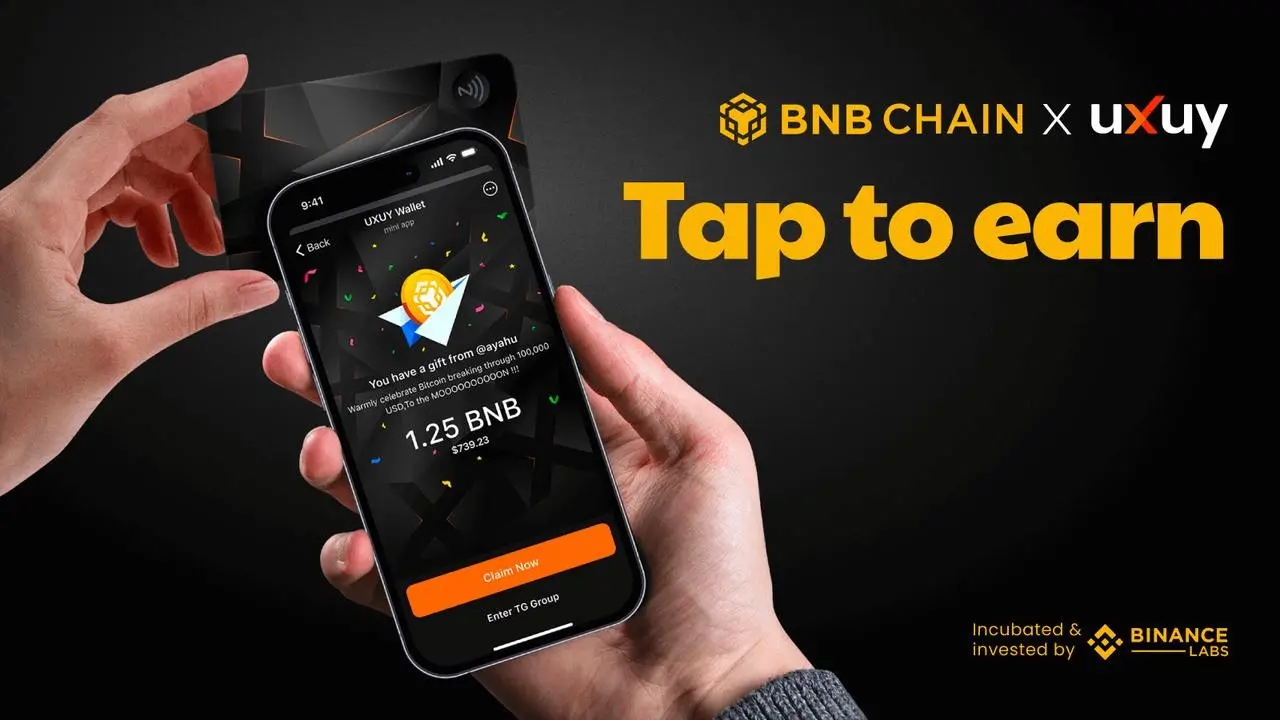
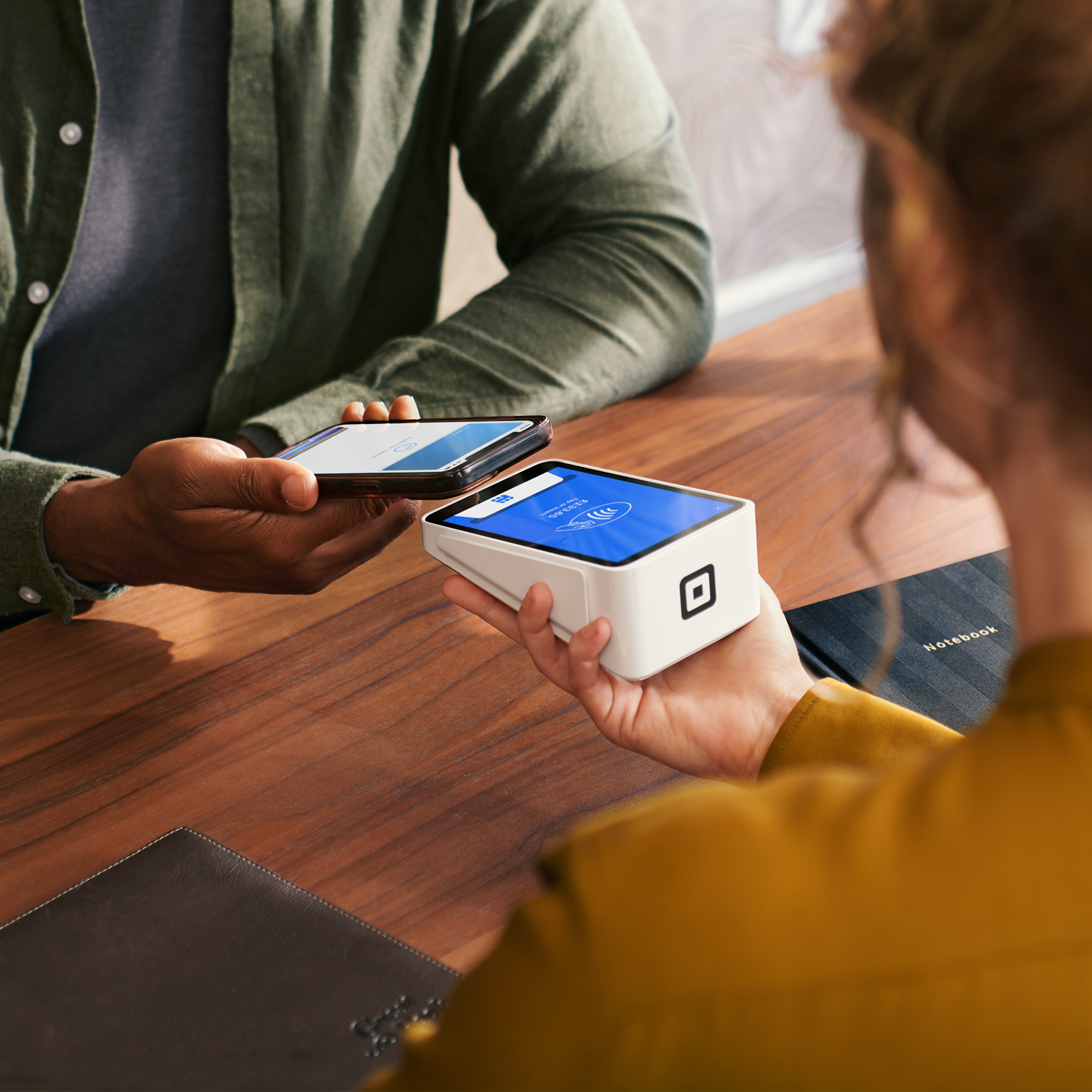
Traditional hardware wallets, while secure, often required cumbersome steps: connecting via USB, installing device-specific software, or juggling multiple wallets for different chains. In contrast, today’s NFC crypto wallets: like those from United Network and Tangem, fit into your pocket like any bank card. With no batteries or cables required, these cards are always ready for use. Simply tap the card to your phone’s NFC chip to unlock access; your private keys never leave the secure element embedded within the card.
This leap forward has not only improved portability but also eliminated key pain points in onboarding and daily usage. According to recent posts from United Network (@UN_wallet), setting up their multichain NFC wallet is as simple as tapping your card, noting down a seed phrase, creating a PIN code, and you’re ready to go, no technical expertise needed.
Security Without Compromise: EAL6 and Certification and Biometric Pairing
Security remains paramount in cold storage solutions. Modern multichain hardware cards leverage advanced chip security, such as EAL6 and certified secure elements, to keep private keys isolated from internet-connected devices. Some models go further with biometric pairing or PIN entry directly on the user’s phone during authentication. For example, Tangem Wallet’s battery-free design ensures there are no attack vectors related to power supply or wireless charging, while encrypted tap-to-sign transactions safeguard against interception.
These innovations address both physical and digital threats. Even if a card is lost or stolen, without the owner’s biometric data or PIN code, and crucially without access to the original recovery seed, the assets remain inaccessible.
Simplifying Cross-Chain Asset Management: One Card for All Chains
The most significant impact of these devices lies in their ability to abstract away blockchain complexity for end users. Whether it’s Bitcoin on its native chain, Ethereum-based ERC-20 tokens, Solana NFTs, or assets on emerging L1s like Aptos or Sui, all can be managed through a single interface tied to one physical card. This level of interoperability is enabled by robust firmware updates and partnerships with leading dApp providers who integrate directly with the wallets’ APIs.
Unified management also extends beyond storage: users can perform cross-chain swaps directly within companion apps using technologies such as Hash Time-Locked Contracts (HTLCs), reducing reliance on centralized exchanges and mitigating counterparty risk. The result is true chain abstraction UX, a seamless experience where users interact with value rather than underlying protocols.
For crypto enthusiasts and professionals alike, this means daily asset management is no longer a technical ordeal. The tap-to-secure experience makes it feasible to move between DeFi protocols, NFT marketplaces, and staking platforms without ever worrying about which network an asset lives on. With support for thousands of tokens and dozens of blockchains, often updated automatically as new standards emerge, these wallets keep pace with the rapidly evolving multichain ecosystem.
Key Benefits of Multichain Hardware Wallet Cards in 2025
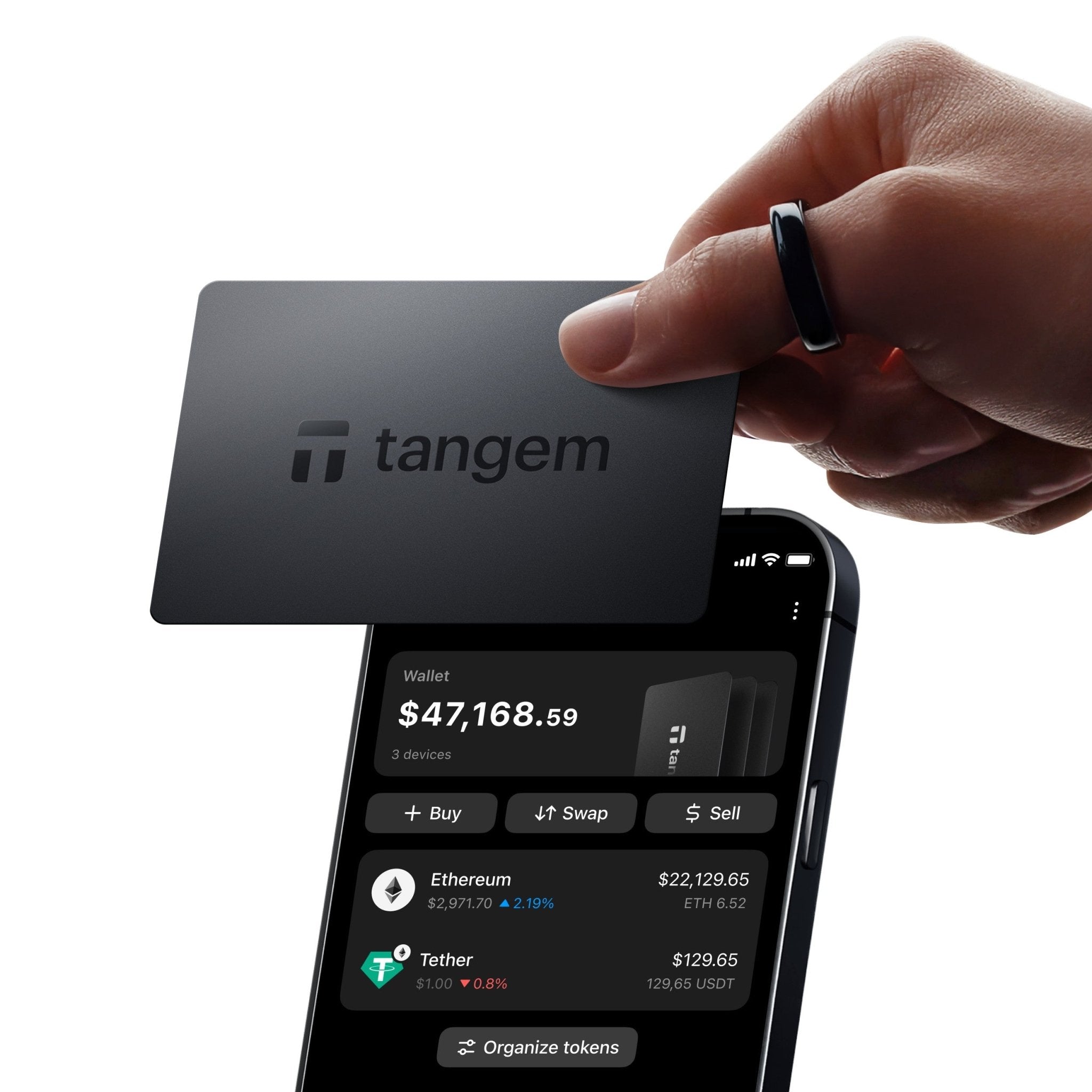
- Ultra Portability: Modern hardware wallet cards like the United Network NFC Wallet and Tangem Wallet are designed in a slim, credit card-sized form factor. They fit easily into any wallet, require no batteries or cables, and work simply by tapping on your phone's NFC chip.
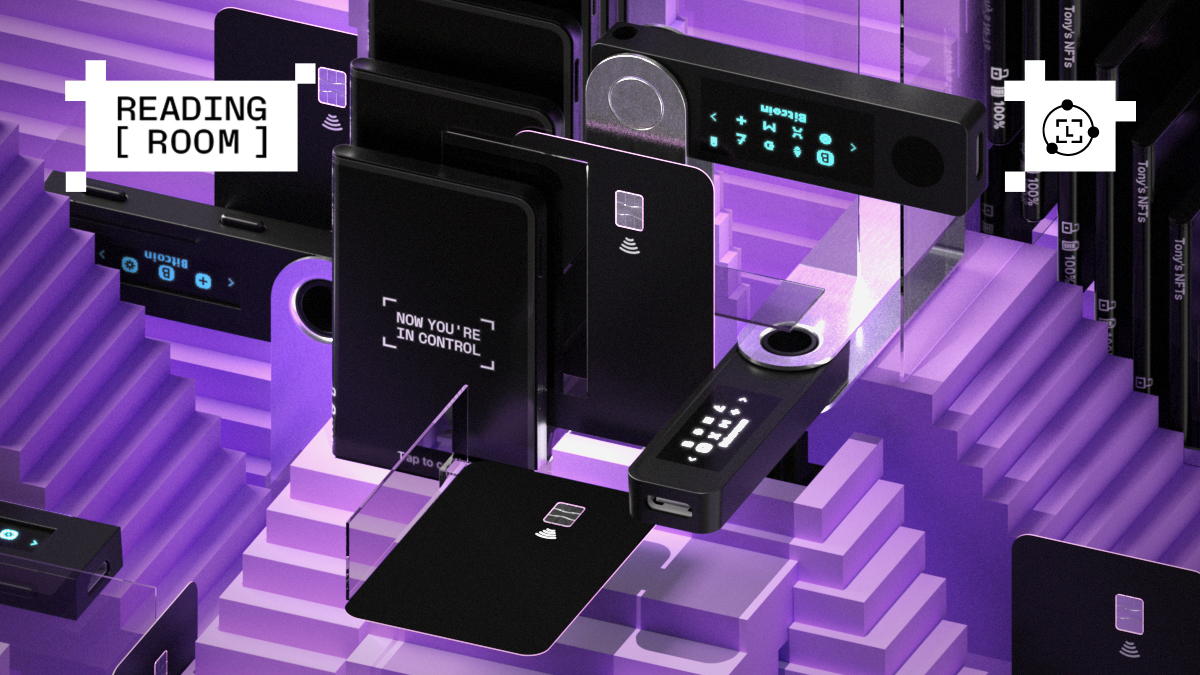
- Seamless Cross-Chain Compatibility: Leading wallets such as Ledger, Cypherock X1, and United Network NFC Wallet support thousands of cryptocurrencies across dozens of blockchain networks. This enables users to manage Bitcoin, Ethereum, Solana, and more from a single device.
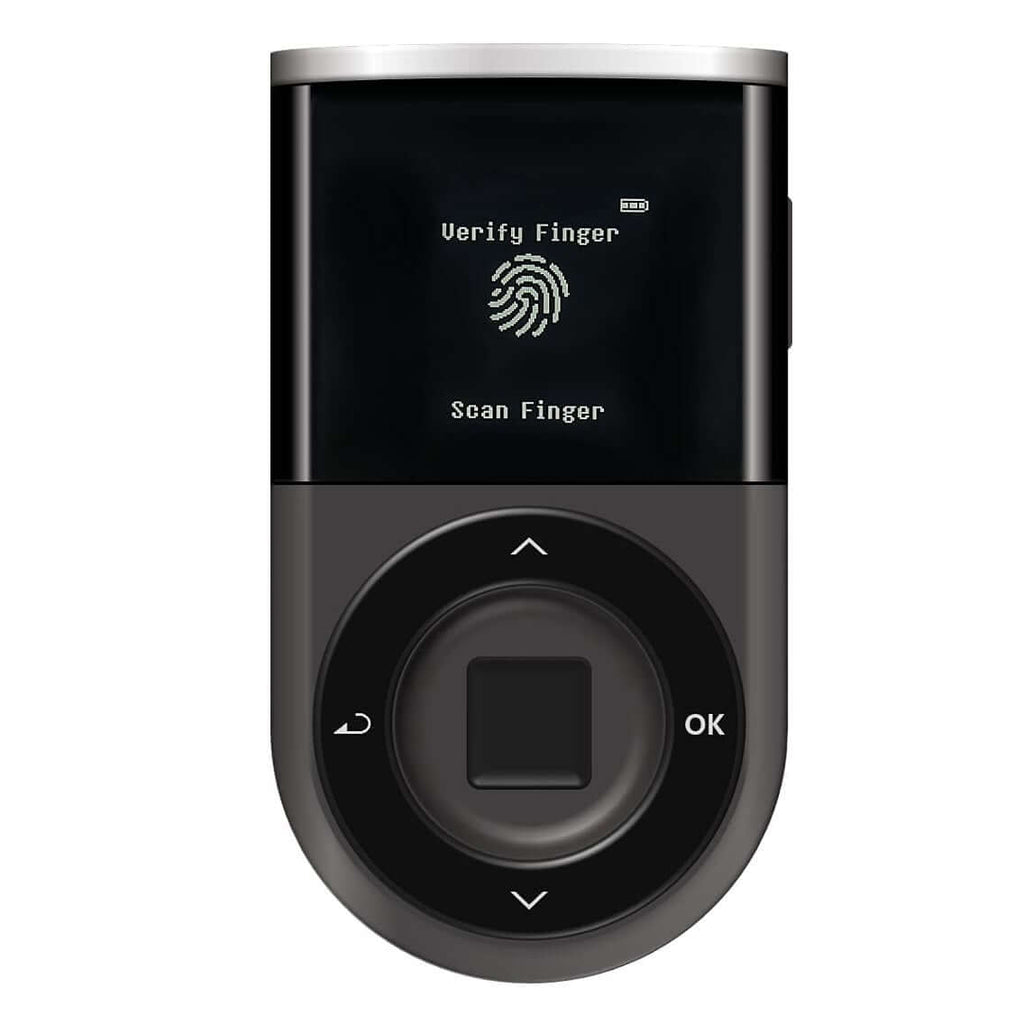
- Advanced Biometric Security: Some next-generation cards, like those featuring EAL6+ certified secure elements and biometric authentication, ensure that only the owner can access their assets. This robust security protects private keys and enables safe, self-custodial storage.
- Effortless User Experience: With features like tap-to-sign, PIN code setup, and intuitive mobile apps, wallets such as United Network NFC Wallet and Tangem Wallet make onboarding and daily crypto management simple—even for beginners. No technical expertise required.
Crucially, the non-custodial nature of these solutions ensures that users retain full sovereignty over their assets. Unlike custodial exchanges or browser-based wallets vulnerable to phishing and hacks, multichain hardware cards never expose private keys to the internet or third-party servers. This aligns with the ethos of decentralization while delivering a vastly improved user experience for both newcomers and advanced users.
Real-World Adoption: How NFC Wallet Cards Are Used in 2025
Adoption has accelerated thanks to the familiar card format and intuitive onboarding. Whether purchasing coffee with stablecoins or signing a multi-chain transaction for a DAO vote, users simply tap their NFC card to their phone for instant authentication. The battery-free design means there is no downtime due to charging issues, cards function reliably in any environment.
Industry collaborations are also fueling growth. For example, United Network’s partnership with COTI has brought tap-and-go NFC payments into retail environments, bridging crypto usability gaps for everyday commerce. Meanwhile, open-source firmware initiatives allow developers to build white-label solutions tailored to specific enterprise or community needs.
What’s Next: Chain Abstraction UX and the Road Ahead
The trajectory is clear: as more decentralized applications embrace chain abstraction principles, multichain hardware wallet cards will become indispensable tools for interacting with Web3. Their combination of robust security models (like FIDO authentication), broad asset support, and frictionless UX sets a new standard for self-custody in 2025.
Looking forward, expect further innovation in unified wallet solutions, potentially integrating features like social recovery, programmable spending limits, or even biometric multi-factor authentication tied directly to on-chain identities. As interoperability deepens across blockchains and dApps mature in their cross-chain capabilities, these cards will remain at the heart of secure digital ownership.
For those seeking deeper insights into how chain abstraction is transforming user experiences across crypto ecosystems, and how these innovations relate to broader trends in decentralized finance, explore our comprehensive analysis here: How Multichain Hardware Wallets Are Transforming Cross-Chain UX in 2025.




No comments yet. Be the first to share your thoughts!